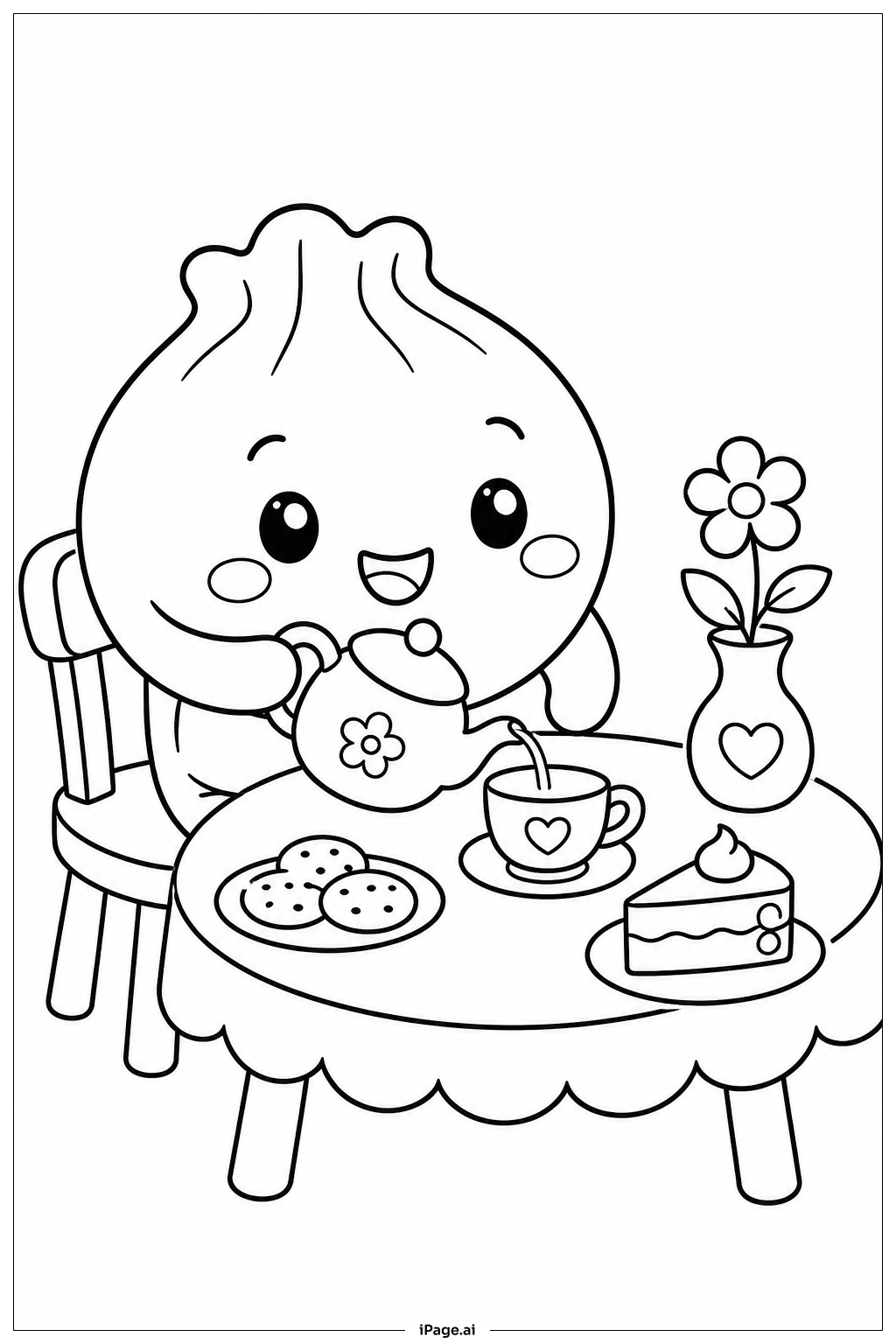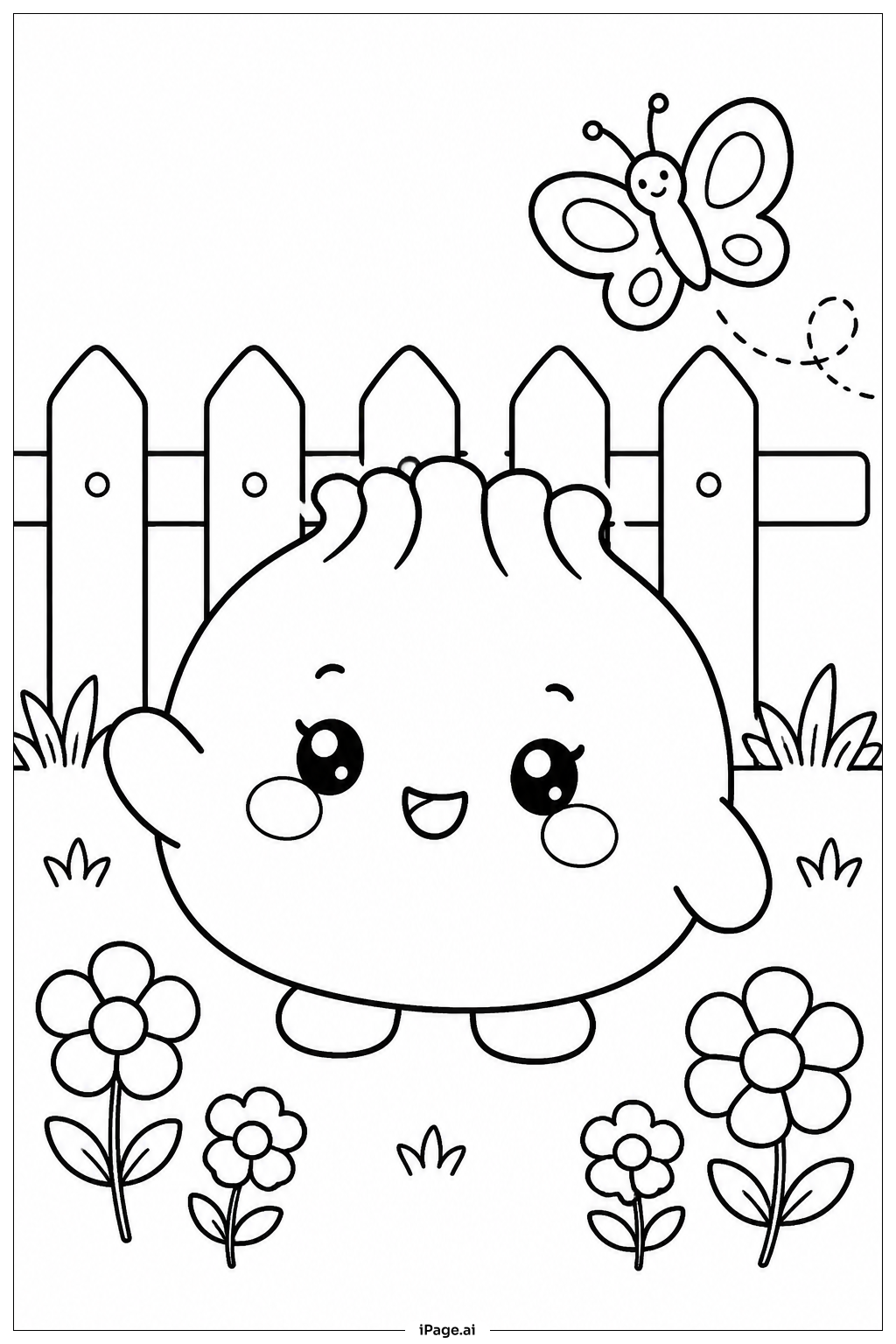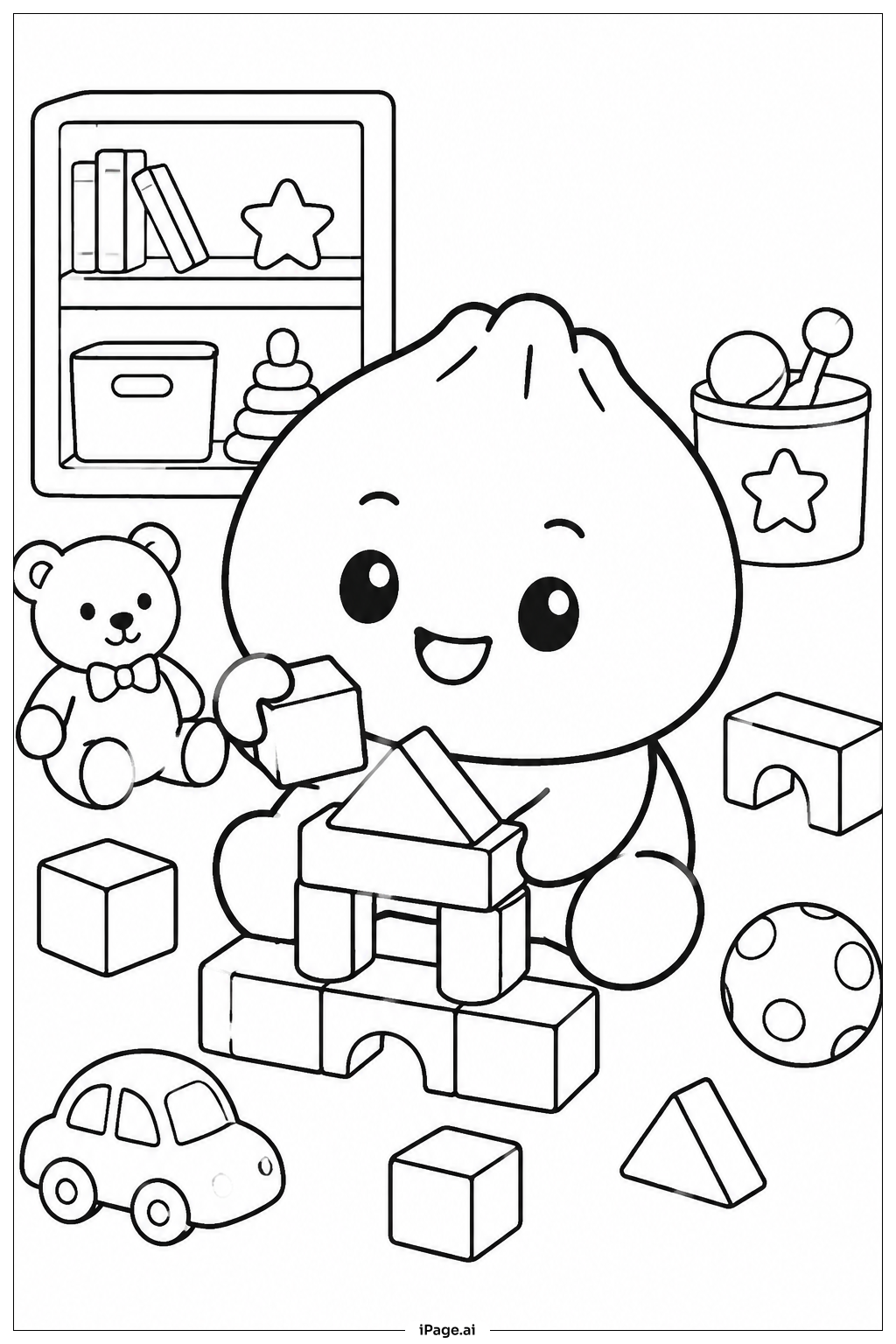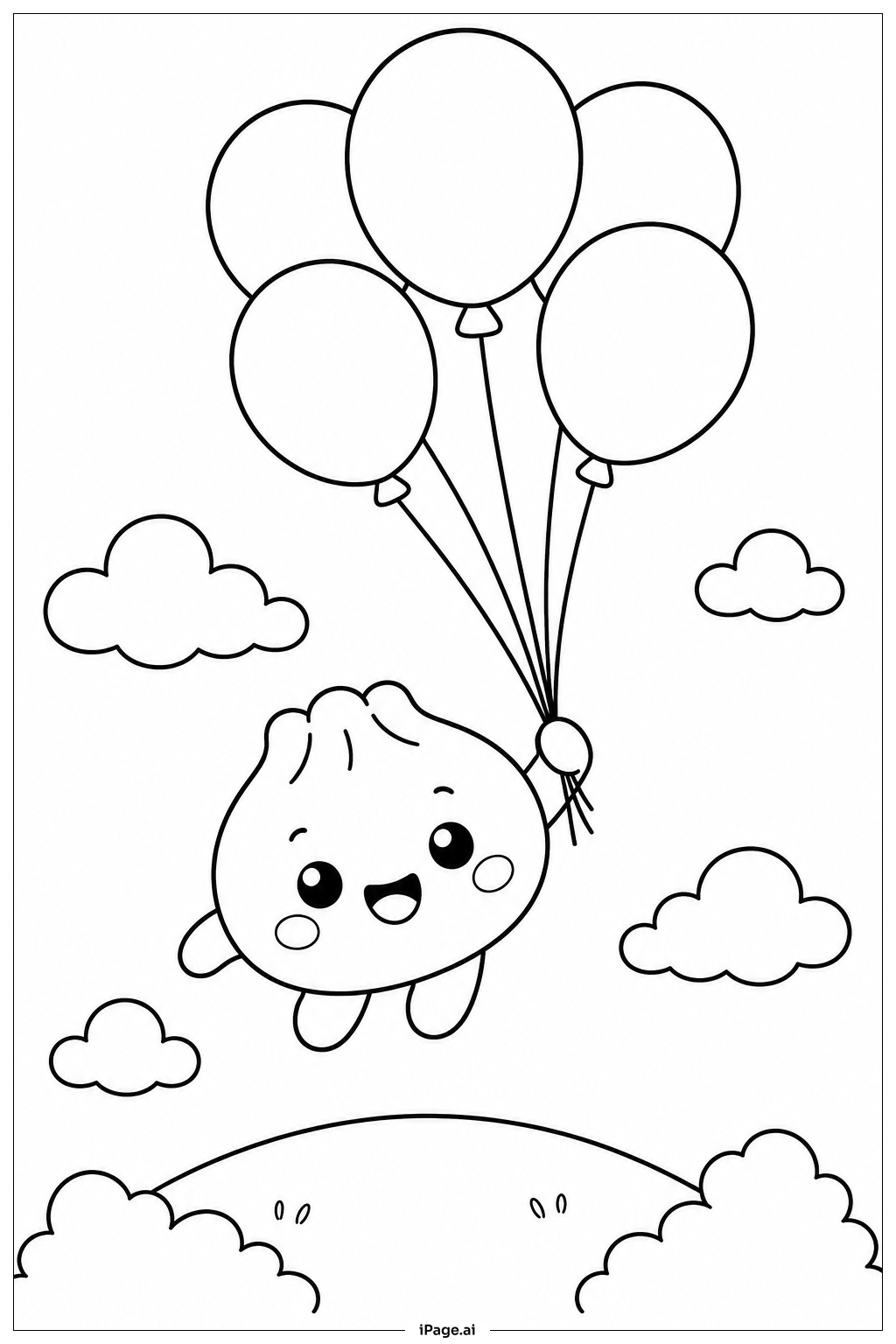
Coloring tips: How to color Dumpling Squishy Big Smile coloring page well?
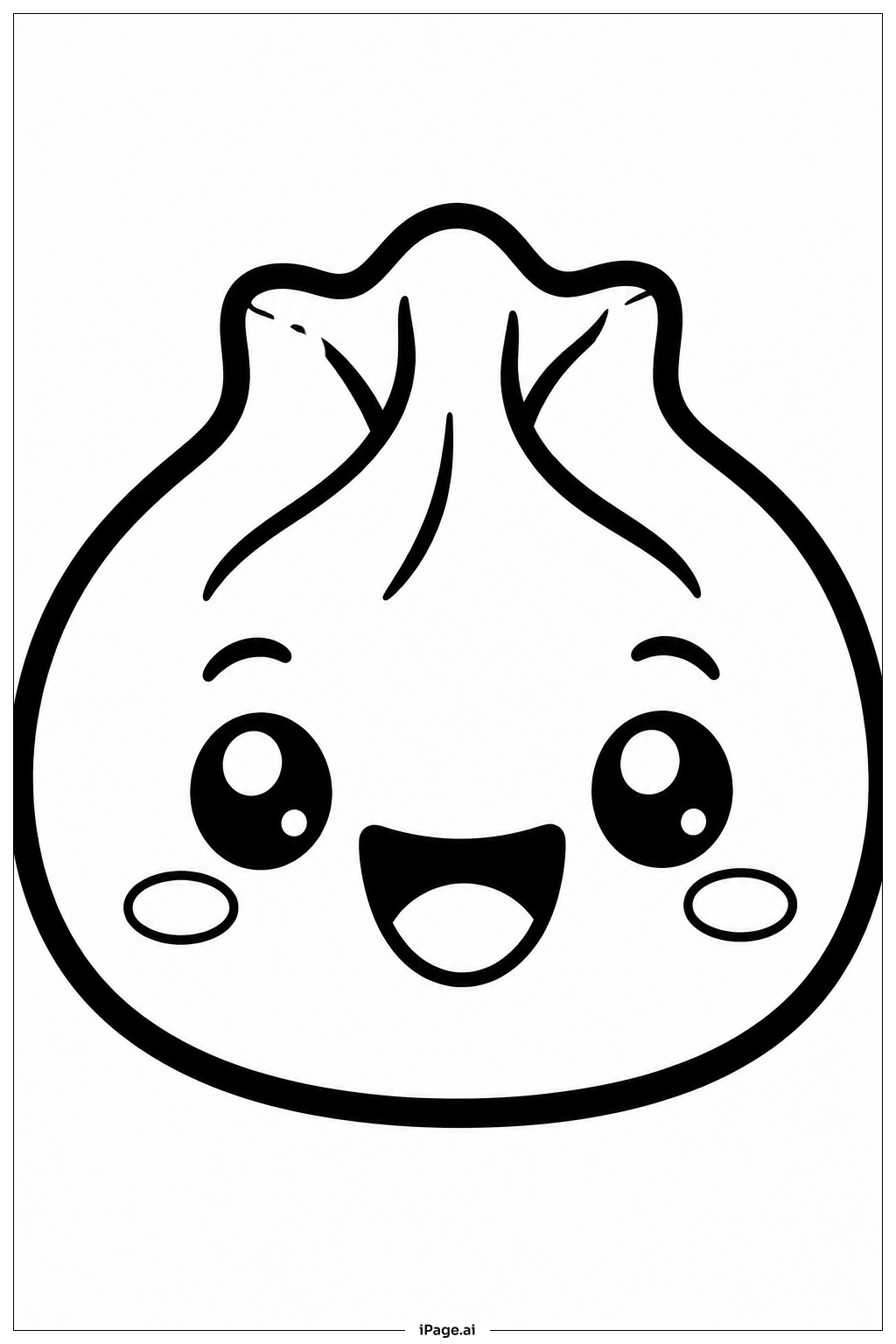
Try using soft pastel colors like light pinks, gentle yellows, and creamy whites to bring out the squishy, dough-like texture of Dumpling Squishy. You could add a rosy blush on the cheeks to make the smile stand out more. For the eyes, try bright colors such as sky blue or emerald green to highlight their sparkling quality. Use gentle shading around the curves to show the puffiness and roundness of the dumpling shape. Feel free to add colorful backgrounds like soft clouds or playful bubbles to enhance the joyful mood. Remember, this coloring page is all about fun and happiness, so don’t hesitate to use any bright, cheerful colors that make Dumpling Squishy’s big smile even more lively.
Coloring challenges: Which parts are difficult to color and need attention for Dumpling Squishy Big Smile coloring page?
• The smooth, rounded shape of Dumpling Squishy requires careful shading to show its soft, puffed texture. Avoid flat coloring and try gentle gradients.
• The wide smile is a focal point and needs clean coloring around the edges to keep it looking bright and cheerful.
• The small details like Dumpling Squishy’s tiny arms and legs can be tricky to color neatly, requiring fine motor skills.
• Keeping color contrast balanced between the dumpling’s body and the facial features is important so the expression stays clear and engaging.
• Adding shadows in the right spots to preserve the 3D look of the folds and curves demands attention, especially if younger children are coloring this image.
Benefits of coloring books: Advantages of drawing Dumpling Squishy Big Smile coloring page
Coloring this Dumpling Squishy Big Smile image helps develop fine motor skills as children learn to color within curves and small spaces. It encourages creativity and imagination by letting kids choose joyful colors that match the cheerful character’s vibe. Focusing on the big smile and soft shapes can also nurture positive emotions, promoting happiness and calmness during coloring. Additionally, shading and blending practice builds understanding of light and depth, boosting artistic confidence. Overall, this image supports emotional well-being and artistic growth while simply being fun to color.