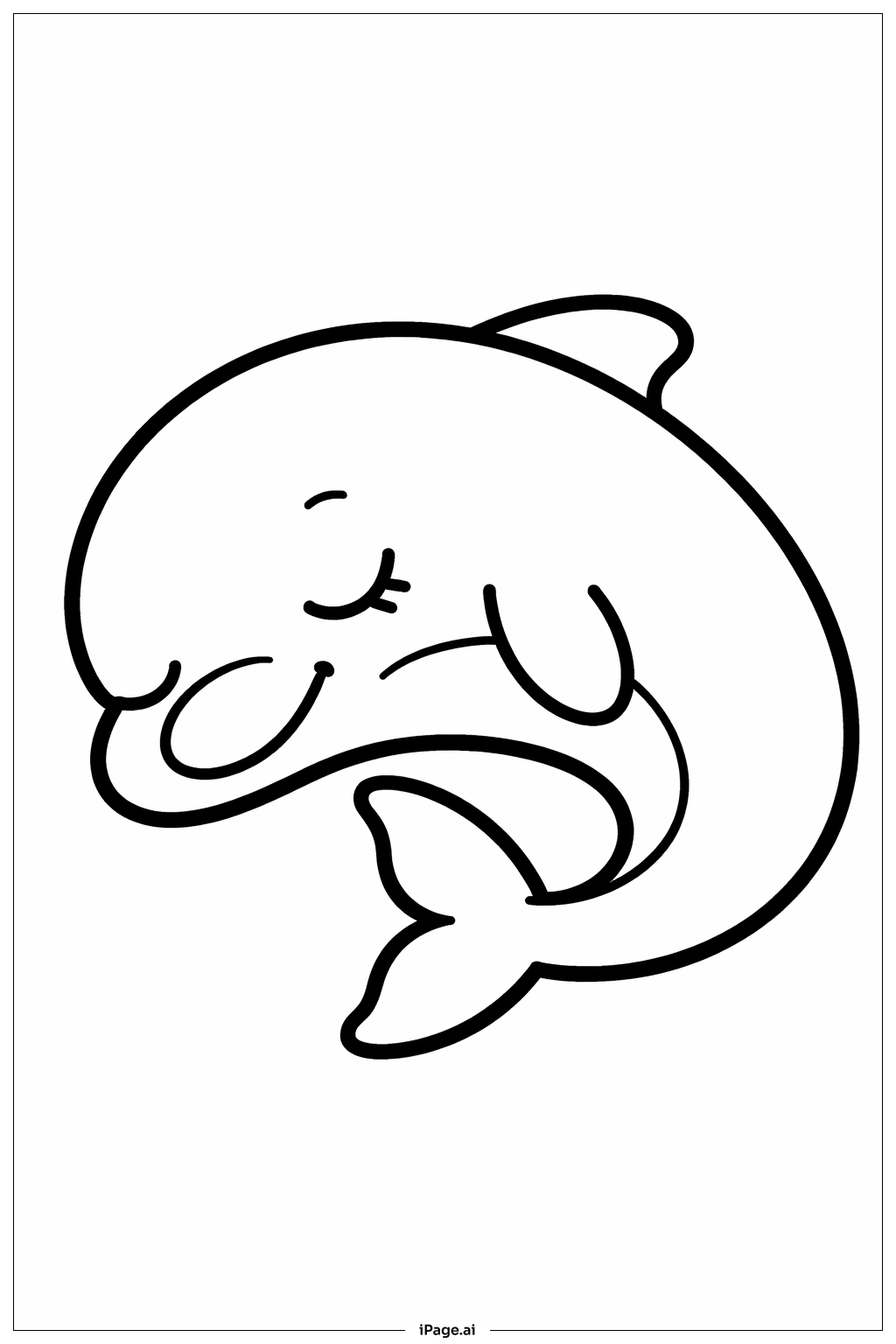
Coloring tips: How to color Sleeping Dolphin coloring page well?
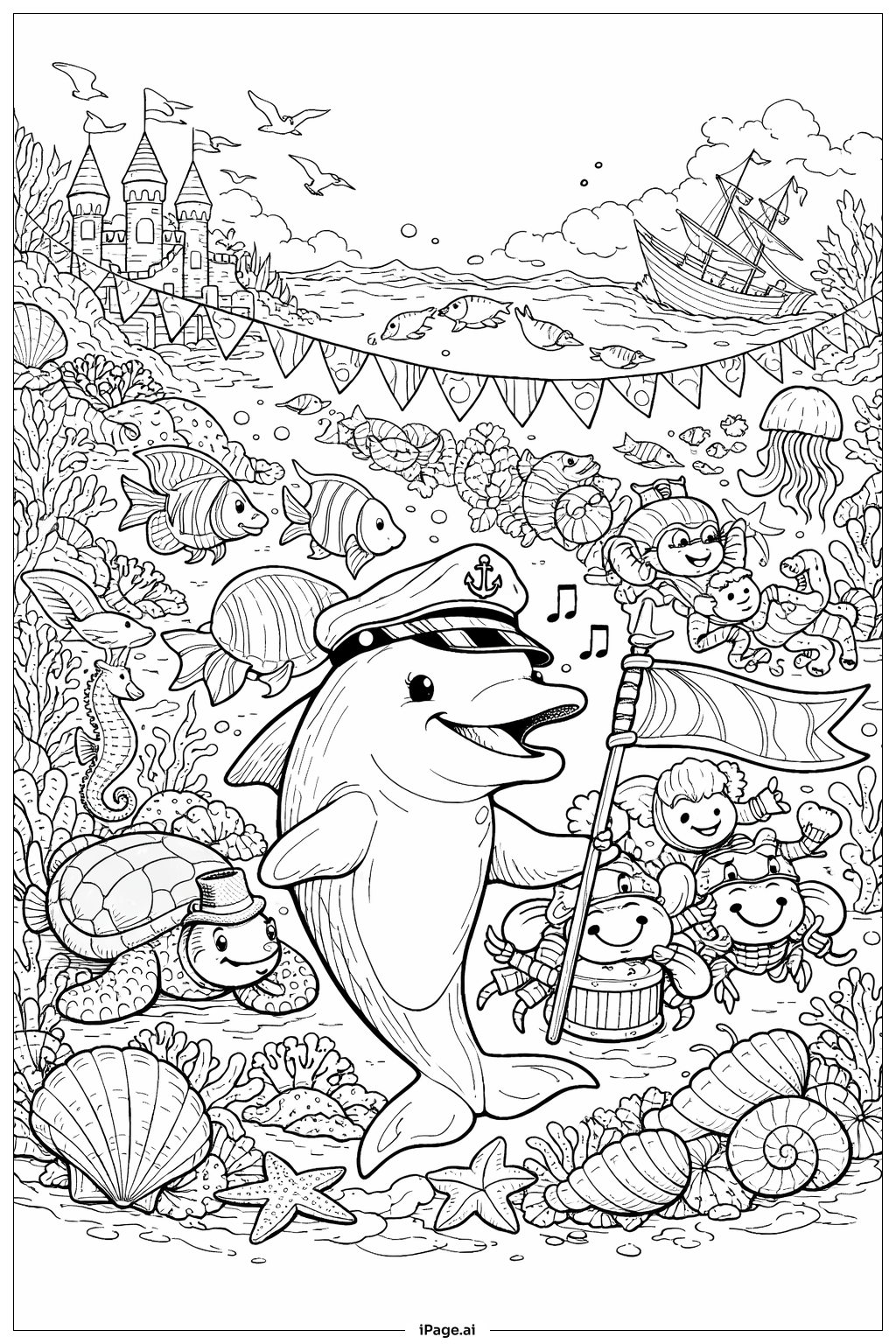
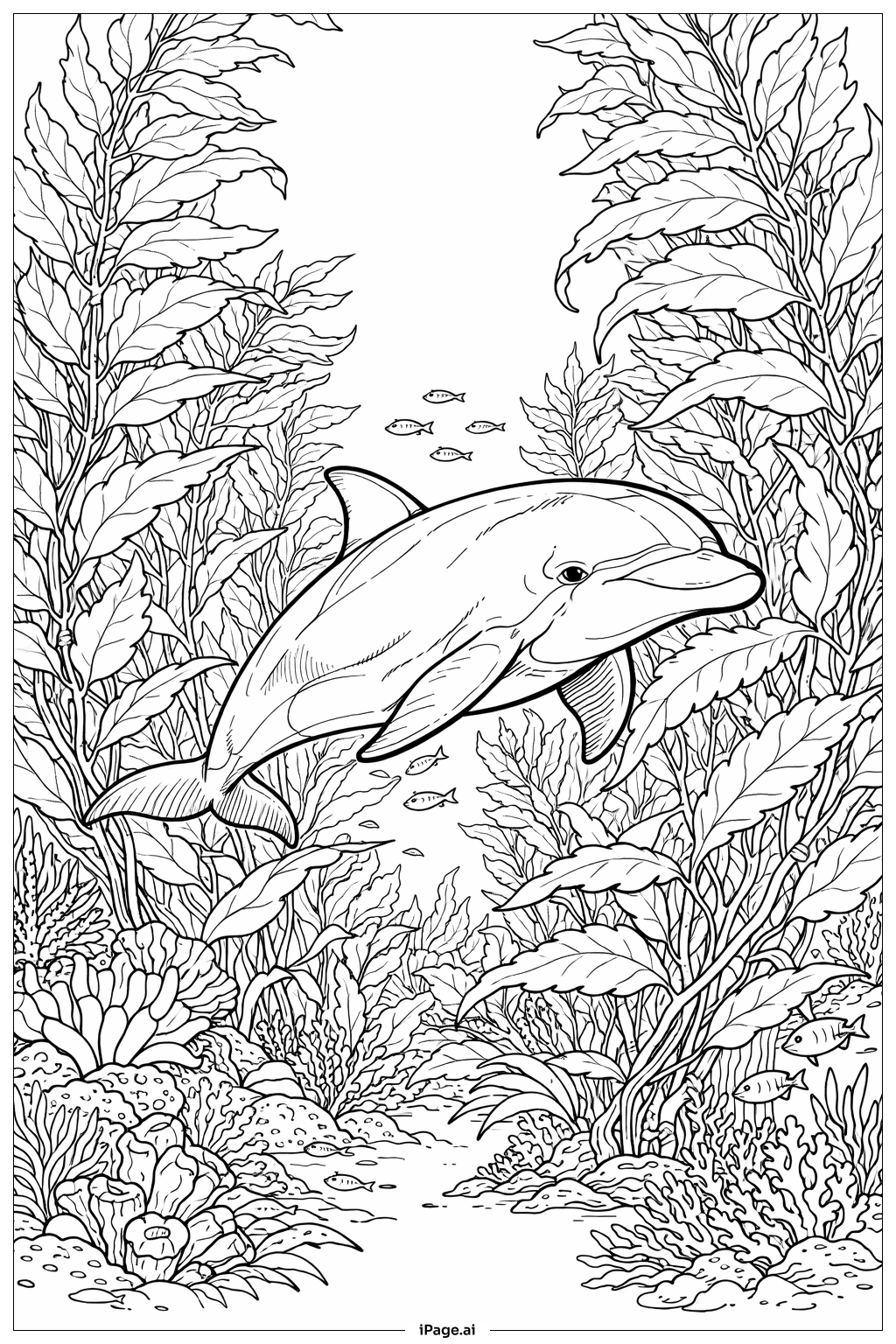
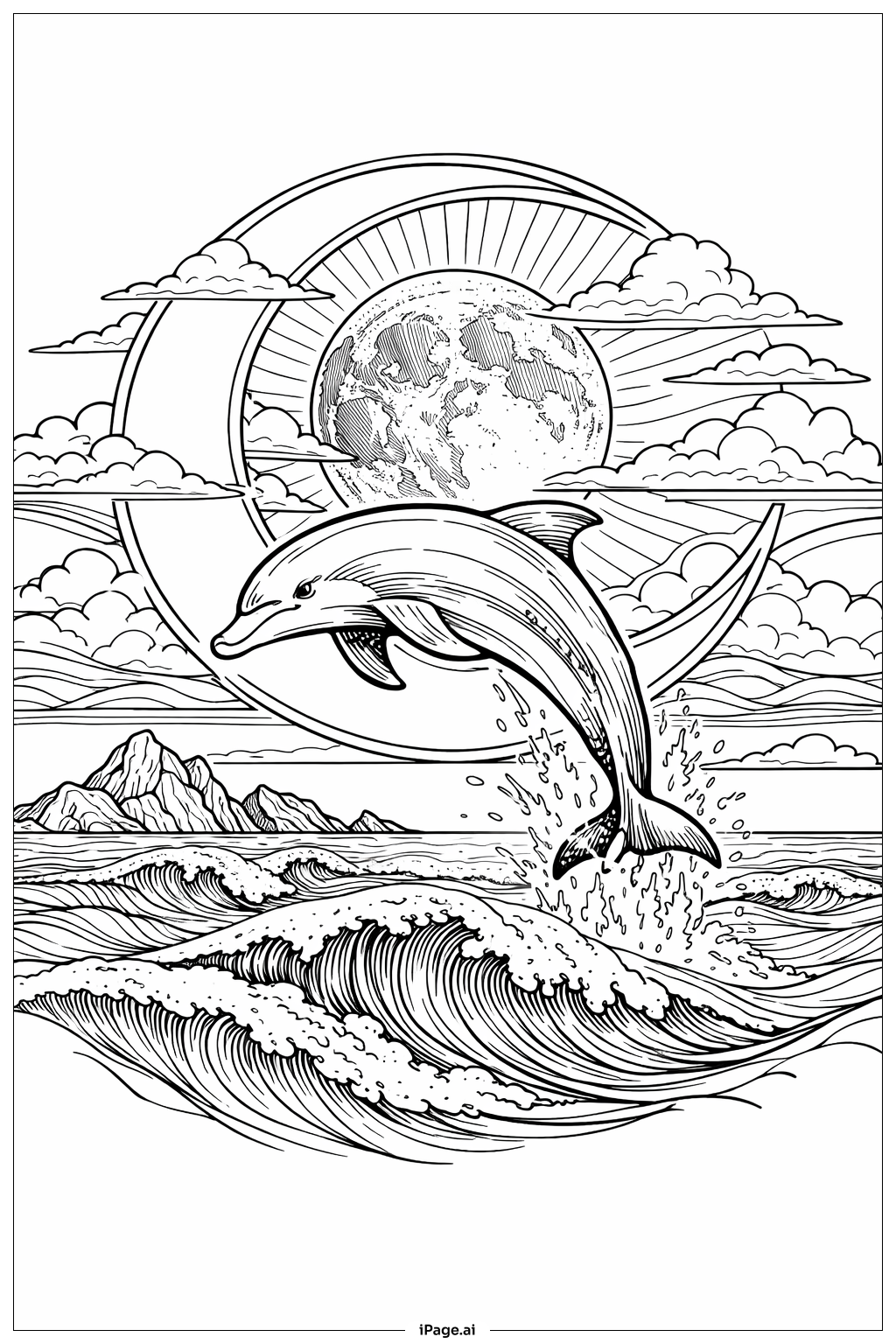
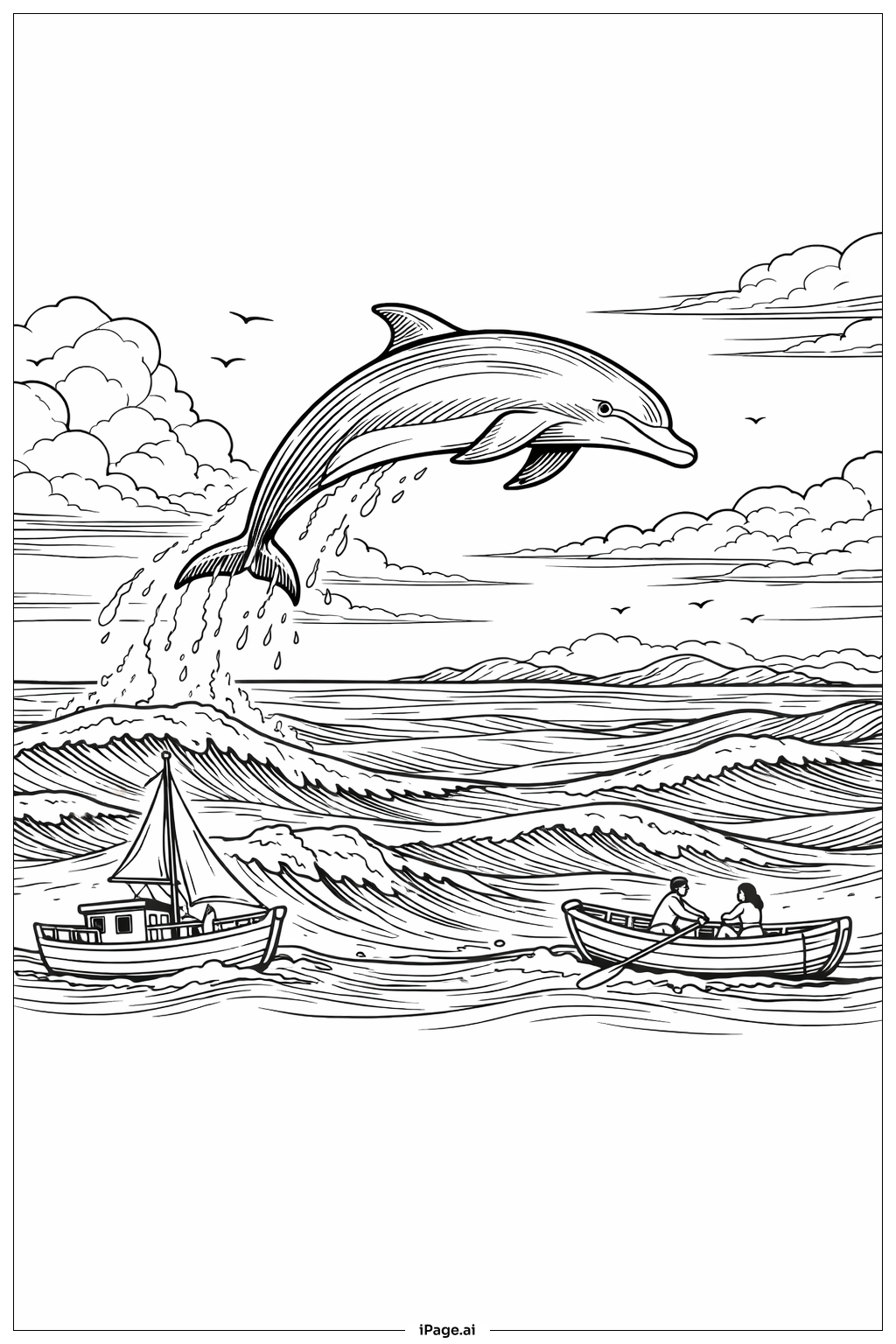
For the dolphin's body, use shades of gray ranging from light silver-gray on the belly to darker charcoal-gray along the back, creating a natural gradient. You can also experiment with blue-grays or even gentle lavender tones for a more creative approach. The water waves above can be colored in various shades of blue, from turquoise to deep ocean blue, with lighter blues or whites for wave crests to show movement and light. Add soft greens or aqua tones to create depth in the water. The bubbles can remain white or be given a subtle iridescent effect using light blues, pinks, and yellows. Consider using colored pencils for smooth blending on the dolphin's skin, and watercolors or markers for the flowing water to capture its fluid nature. Adding highlights with white gel pens or leaving some areas uncolored can create a lovely shimmering effect on both the dolphin and water surface.
Coloring challenges: Which parts are difficult to color and need attention for Sleeping Dolphin coloring page?
• Smooth Color Blending: Creating the dolphin's characteristic smooth, glossy skin requires careful blending techniques. The body should transition naturally from lighter shades on the belly to darker tones on the back without harsh lines. This gradient effect can be challenging for younger children and requires patience and practice with layering colors gently, especially when using colored pencils or crayons.
• Water Wave Effects: The flowing water patterns present a unique challenge in conveying movement and transparency. Coloring water convincingly requires understanding how to layer different shades of blue and green while maintaining the sense of fluidity. Children may struggle with deciding where to place darker and lighter tones to show depth, surface reflections, and the way light penetrates water.
• Maintaining Consistent Pressure: The large, smooth areas of the dolphin's body require even coloring pressure throughout to avoid streaks or patches. Younger colorists often press too hard in some areas and too lightly in others, creating an uneven appearance. This is particularly noticeable on the dolphin's broad sides and tail.
• Detail Work on Small Features: The dolphin's closed eye, nostril, and mouth line are small details that require careful attention and a steady hand. Using the right colors to make these features visible without overwhelming them takes concentration and fine motor control, which can be challenging for children still developing these skills.
Benefits of coloring books: Advantages of drawing Sleeping Dolphin coloring page
Coloring this peaceful sleeping dolphin offers wonderful therapeutic benefits. The gentle, flowing lines promote relaxation and stress relief, making it an excellent choice for calming activities before bedtime or during quiet time. The large, smooth areas of the dolphin's body help children practice controlled coloring and develop fine motor skills, improving hand-eye coordination and pencil grip. Working on the gradient shading encourages experimentation with color blending and teaches basic artistic techniques like creating dimension and depth. This image also provides an educational opportunity to discuss marine mammals, their habitats, and the importance of ocean conservation. The soothing subject matter naturally inspires conversations about rest, sleep routines, and caring for animals. Additionally, the combination of larger areas and smaller details accommodates various skill levels, making it suitable for both beginners who can focus on basic coloring and more advanced colorists who can add sophisticated shading and special effects.