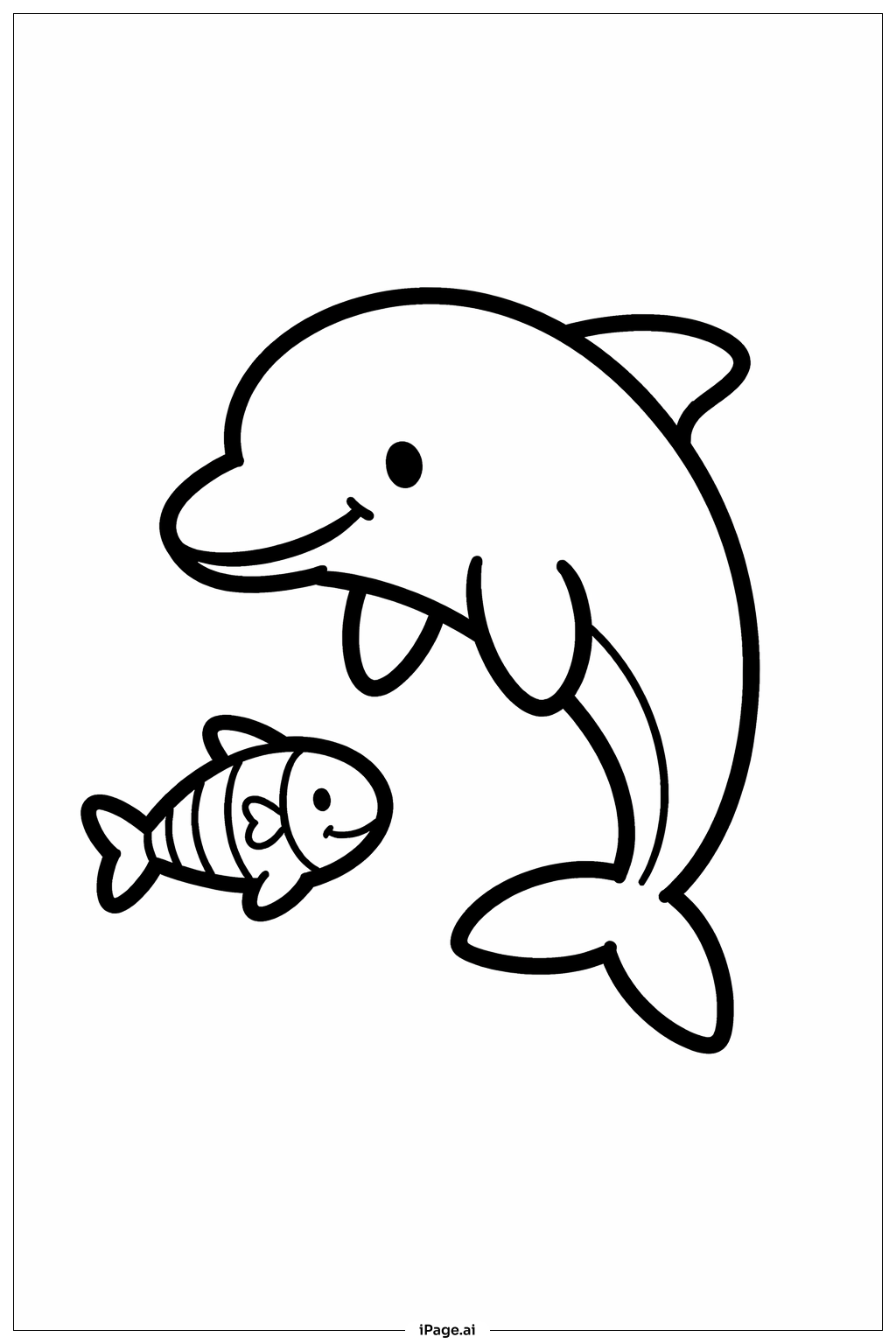
Coloring tips: How to color Dolphin With Fish coloring page well?
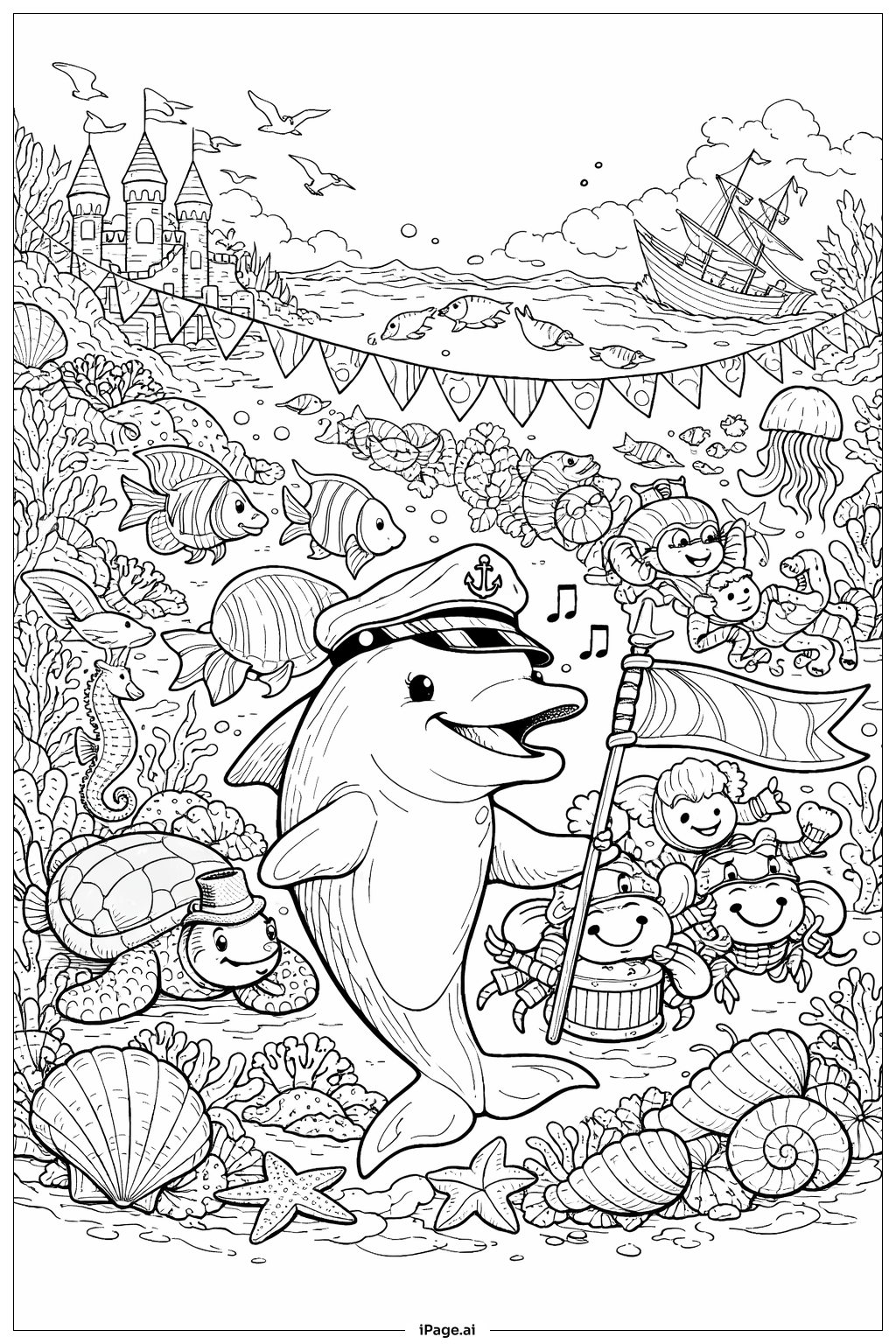
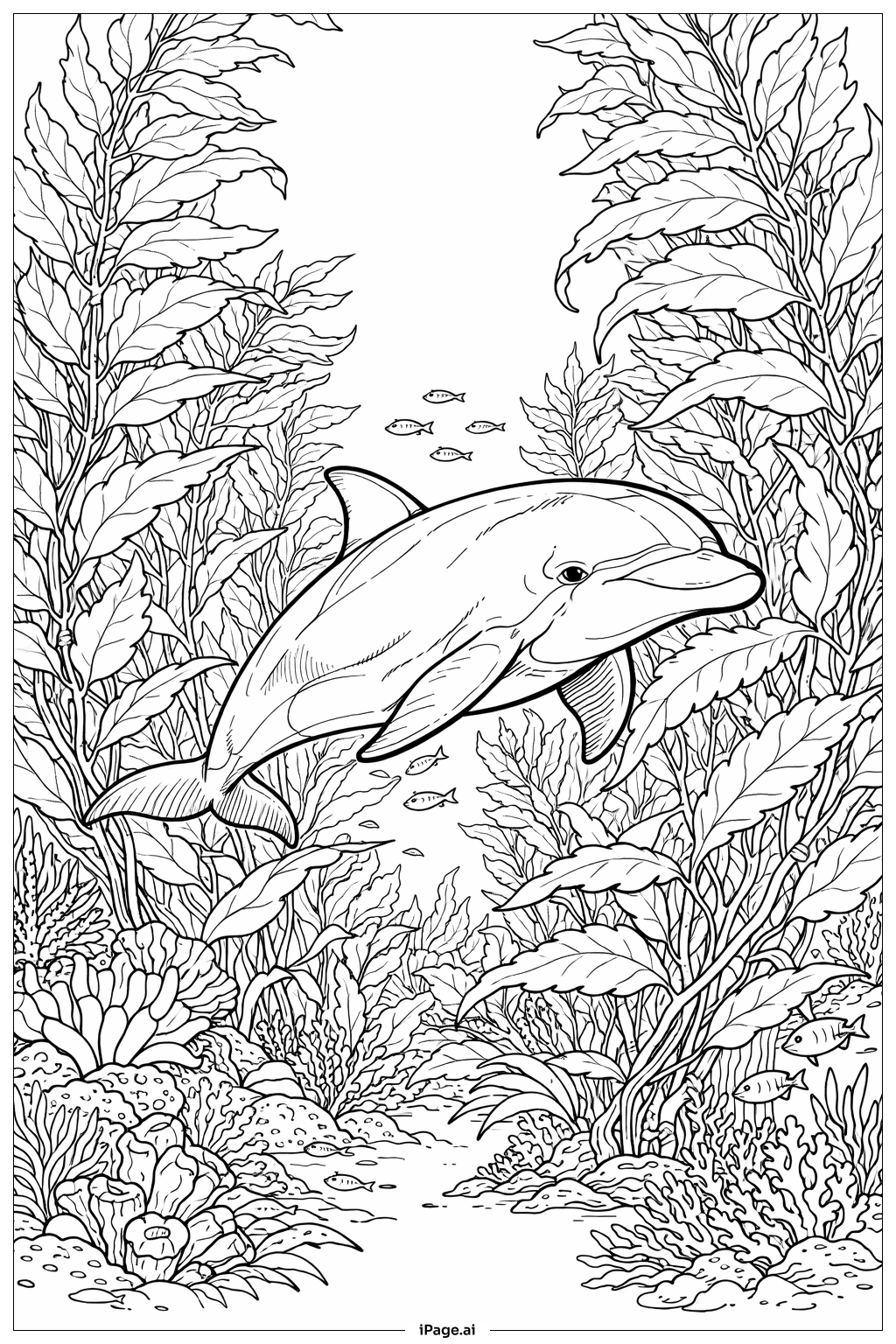
Start with the dolphin's body using shades of blue-gray or steel blue to give it a natural, oceanic look. You can add a lighter tone on the belly area to create a soft contrast. For a fun and creative twist, try using purple or teal for a magical underwater feel.
Color the small fish in bright, cheerful colors like orange, yellow, red, or green to make them pop against the background. Mixing different colors for each fish adds variety and excitement to the scene.
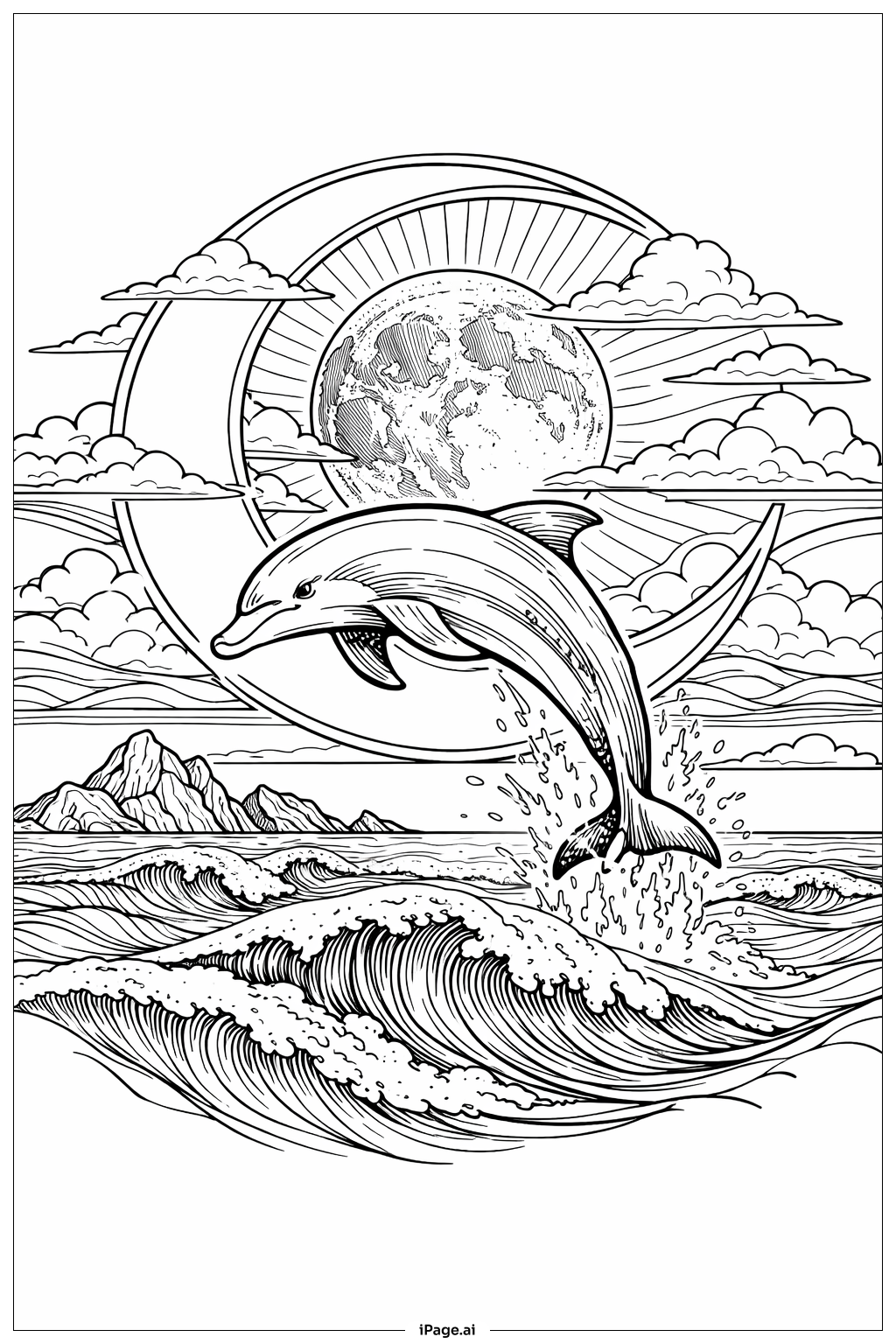
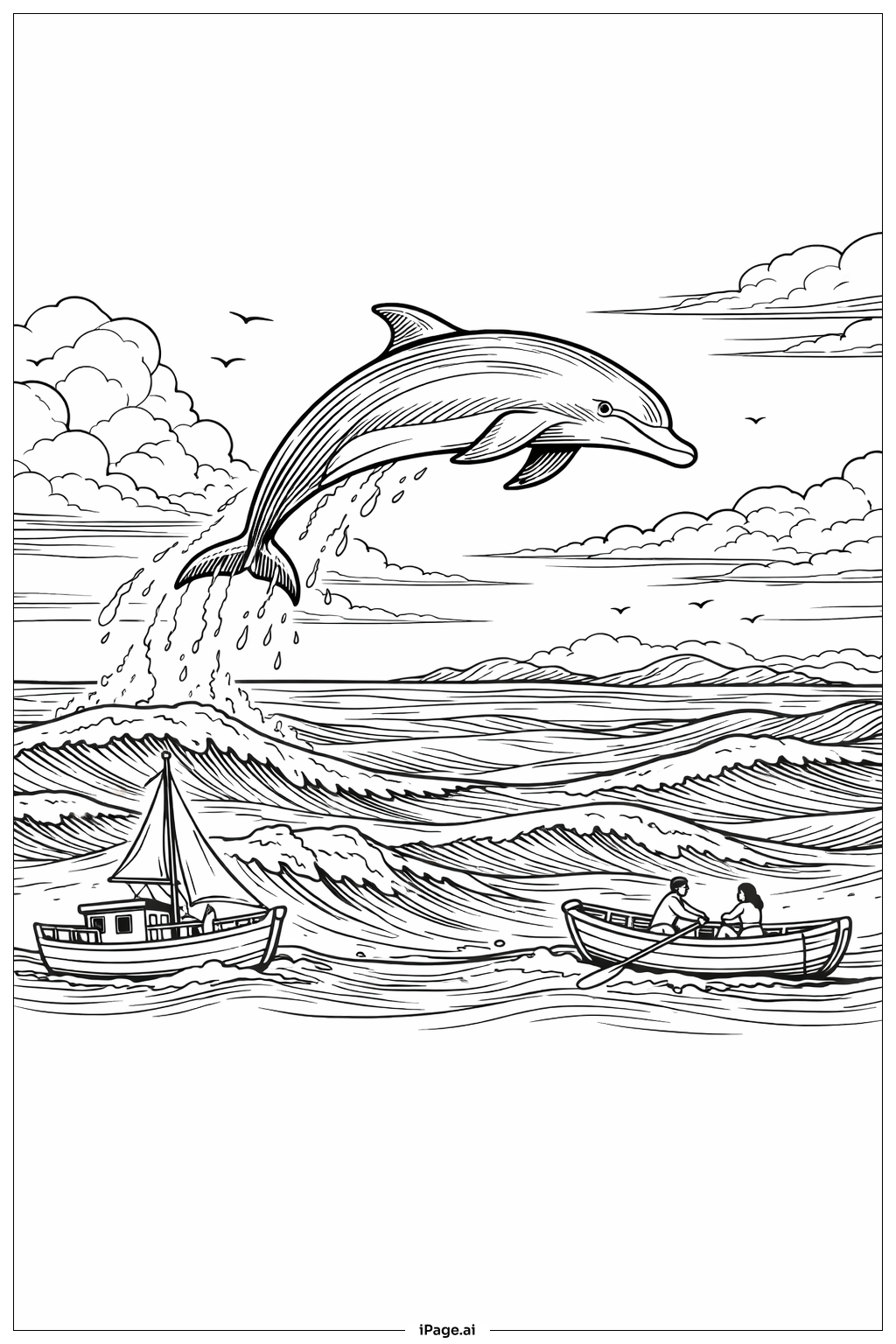
Use various shades of blue for the ocean water — lighter blues for the surface and deeper blues for the background waves. Add hints of white or pale blue for the foam and bubbles.
Feel free to experiment with warm sunset colors in the background if you imagine the scene at dusk. This coloring page is perfect for trying color blending and layering techniques to bring the ocean to life.
Coloring challenges: Which parts are difficult to color and need attention for Dolphin With Fish coloring page?
• Dolphin Body Shading: The dolphin's smooth, curved body requires careful blending to look realistic. Coloring the lighter belly versus the darker back without harsh lines can be tricky. Using gradual transitions between shades of gray, blue, and white will help achieve a natural, three-dimensional appearance. Young or beginner colorists may need to practice light pressure with their tools first.
• Small Fish Details: The fish surrounding the dolphin are small and compact, which makes it challenging to fill in their bodies with precise, controlled strokes. Tiny fins and scale patterns are easy to smudge or color outside the lines. Using fine-tipped markers or sharpened colored pencils is highly recommended for these areas.
• Water and Wave Textures: Representing the movement of water realistically requires layering multiple shades of blue and white. Capturing the flow of waves and the shimmer of the ocean surface demands patience and careful color transitions. Beginners may find it hard to avoid making the water look flat or muddy.
• Bubbles and Water Lines: The small bubbles and swirling water lines scattered around the scene are very fine and delicate. Coloring around them without accidentally filling them in takes a steady hand and good concentration. Leaving these areas white or using a very light blue preserves the sense of depth and movement.
• Background Depth: Creating a sense of depth in the ocean background — lighter near the surface and gradually darker below — requires strategic use of color layering. Without this technique, the scene may look two-dimensional and less engaging.
Benefits of coloring books: Advantages of drawing Dolphin With Fish coloring page
Coloring this dolphin and fish scene offers a wonderful range of benefits for kids and beginners alike.
First, it helps build fine motor skills. Carefully filling in the dolphin's body, the tiny fish, and the delicate water lines trains hand-eye coordination and strengthens the small muscles used in writing and drawing.
Second, it sparks creativity and imagination. Choosing colors for the ocean, the fish, and the dolphin encourages children to express themselves freely. There are no wrong choices — a rainbow dolphin is just as valid as a realistic blue one!
Third, it teaches focus and patience. Working through the detailed waves, bubbles, and small fish shapes requires concentration, which helps children practice staying on task and slowing down.
Fourth, it builds early science awareness. As children color the dolphin and fish, they naturally become curious about ocean life, marine animals, and underwater ecosystems. This can open doors to learning about nature in a fun, hands-on way.
Finally, coloring is simply relaxing and fun. It gives children a calm, screen-free activity that reduces stress and brings a sense of accomplishment when the page is complete. Sharing the finished artwork also builds confidence and pride.