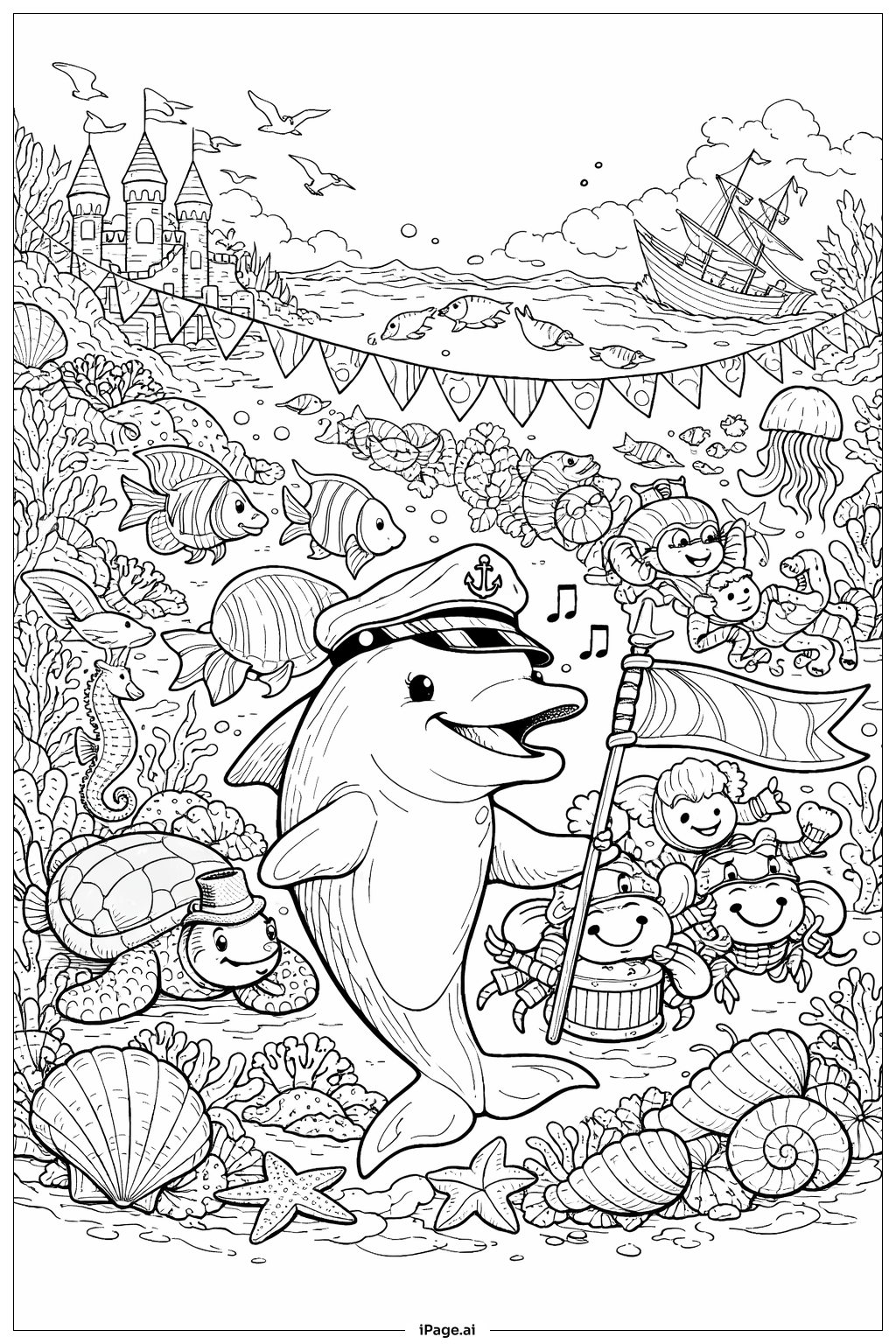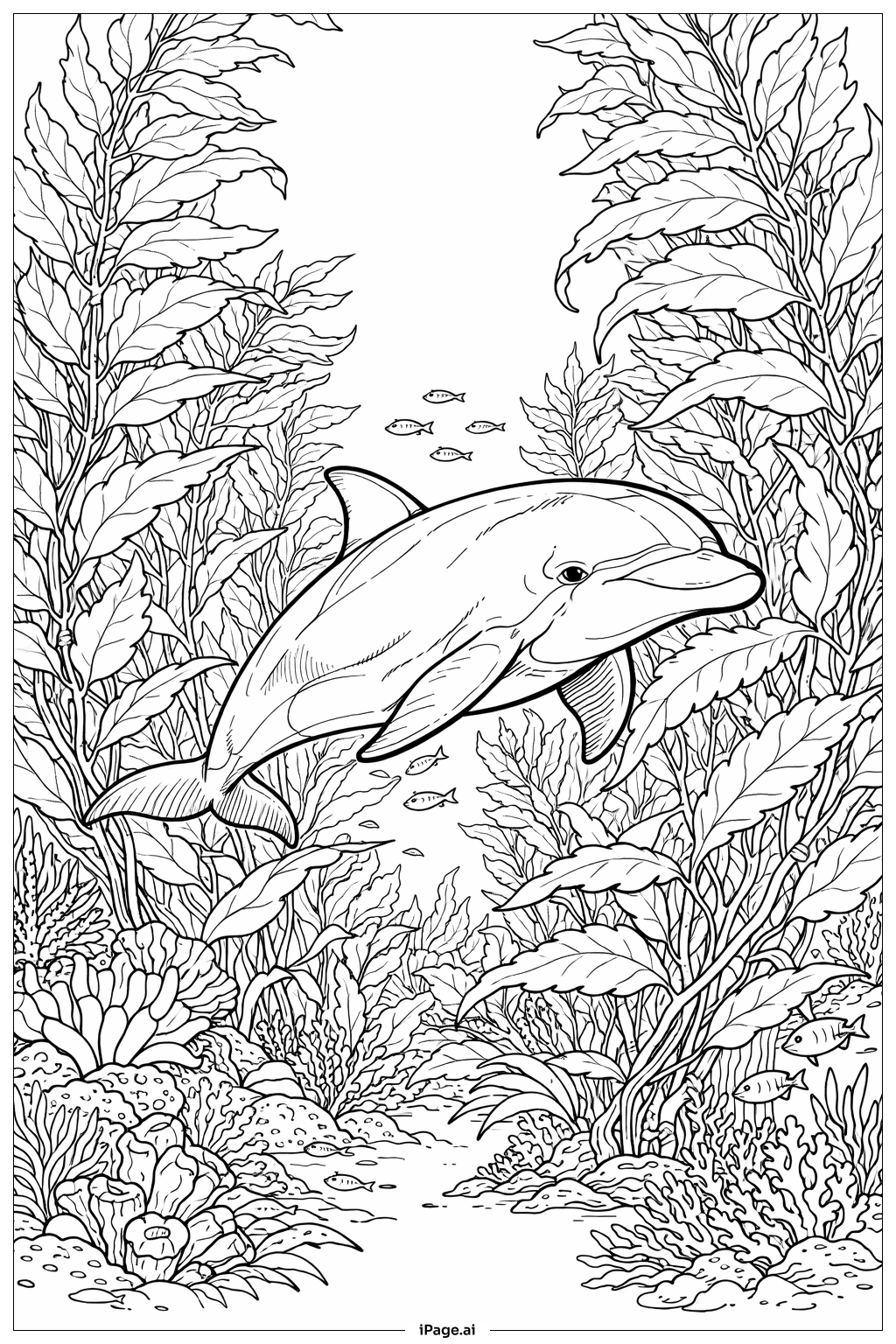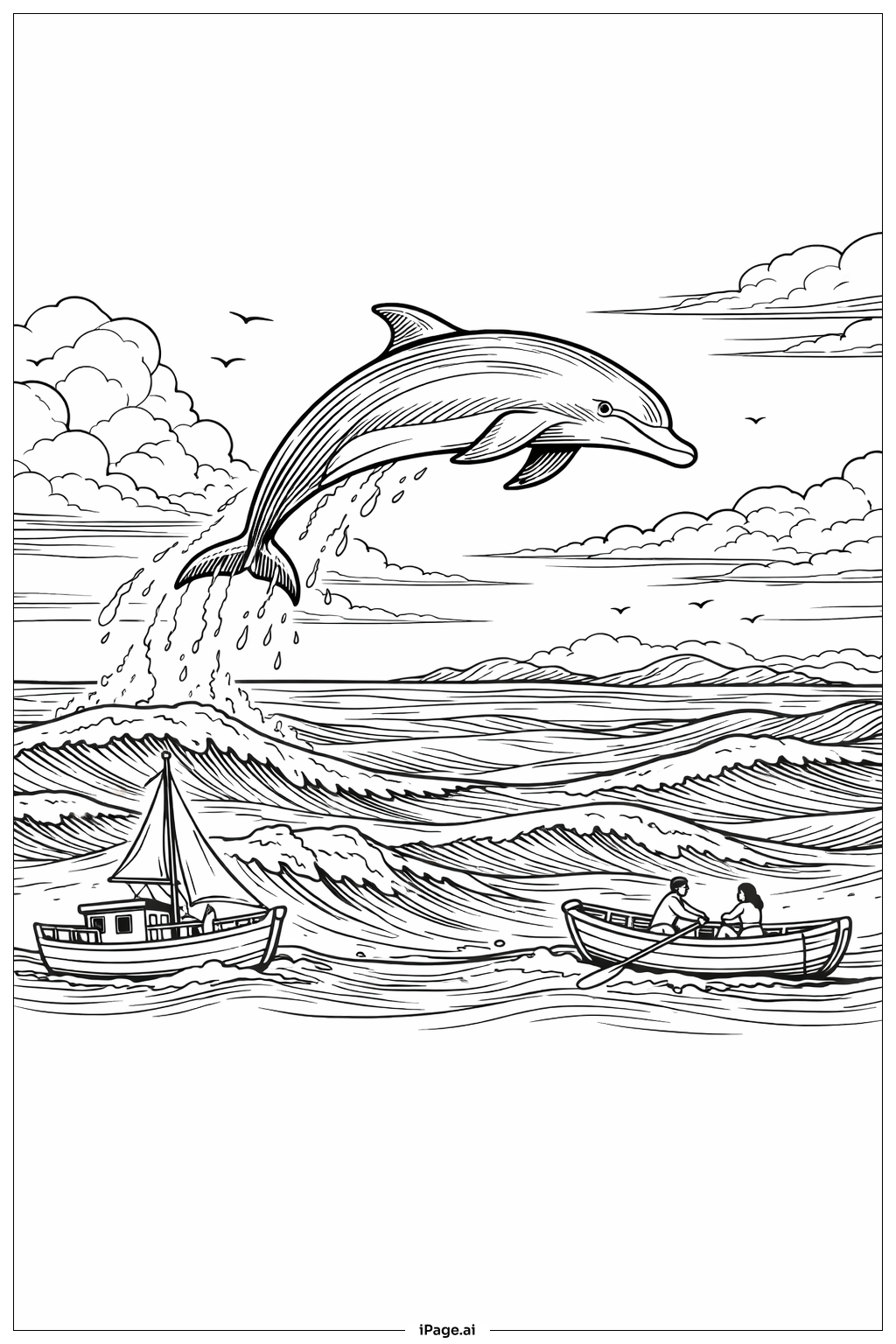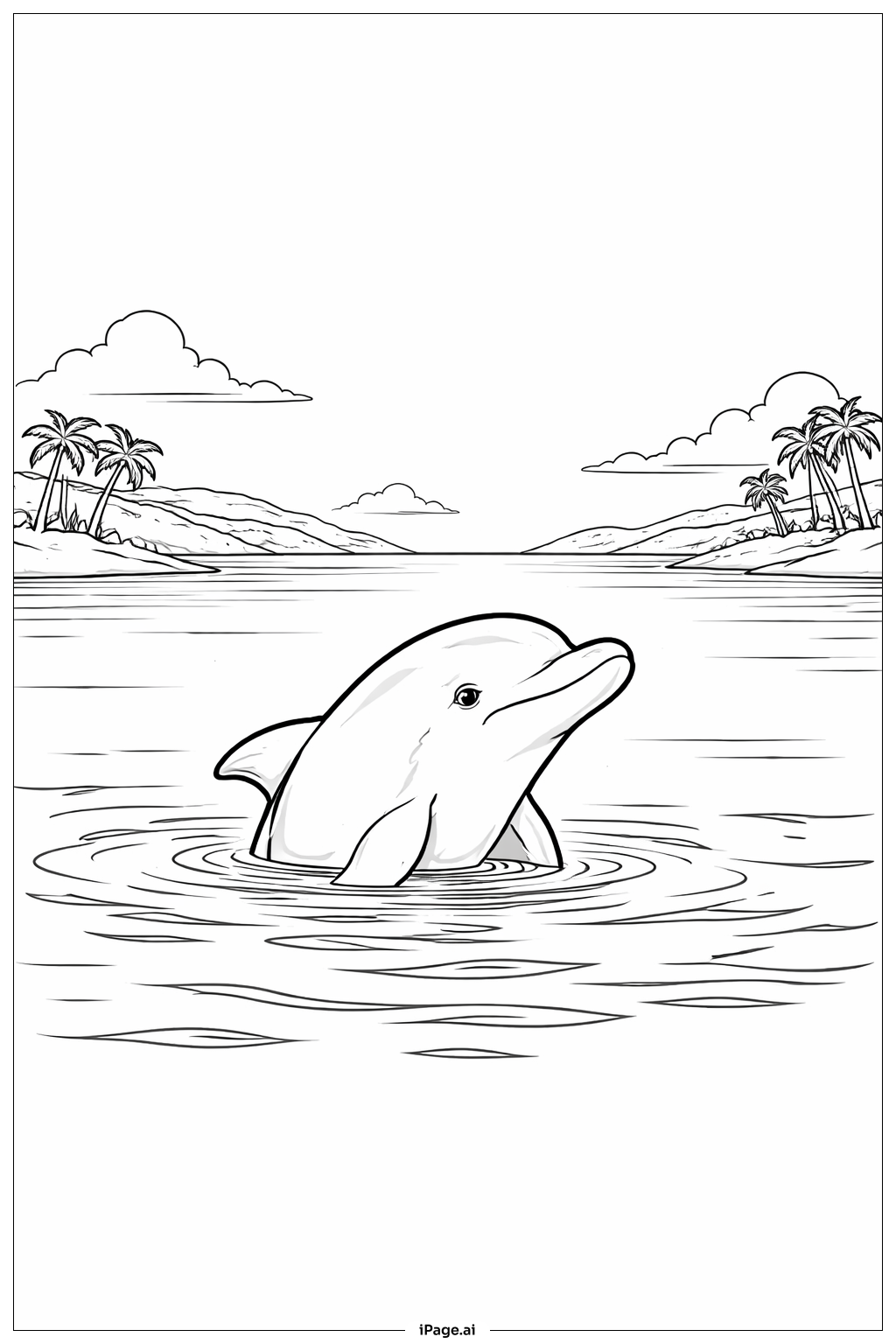
Coloring tips: How to color Dolphin In Calm Bay coloring page well?
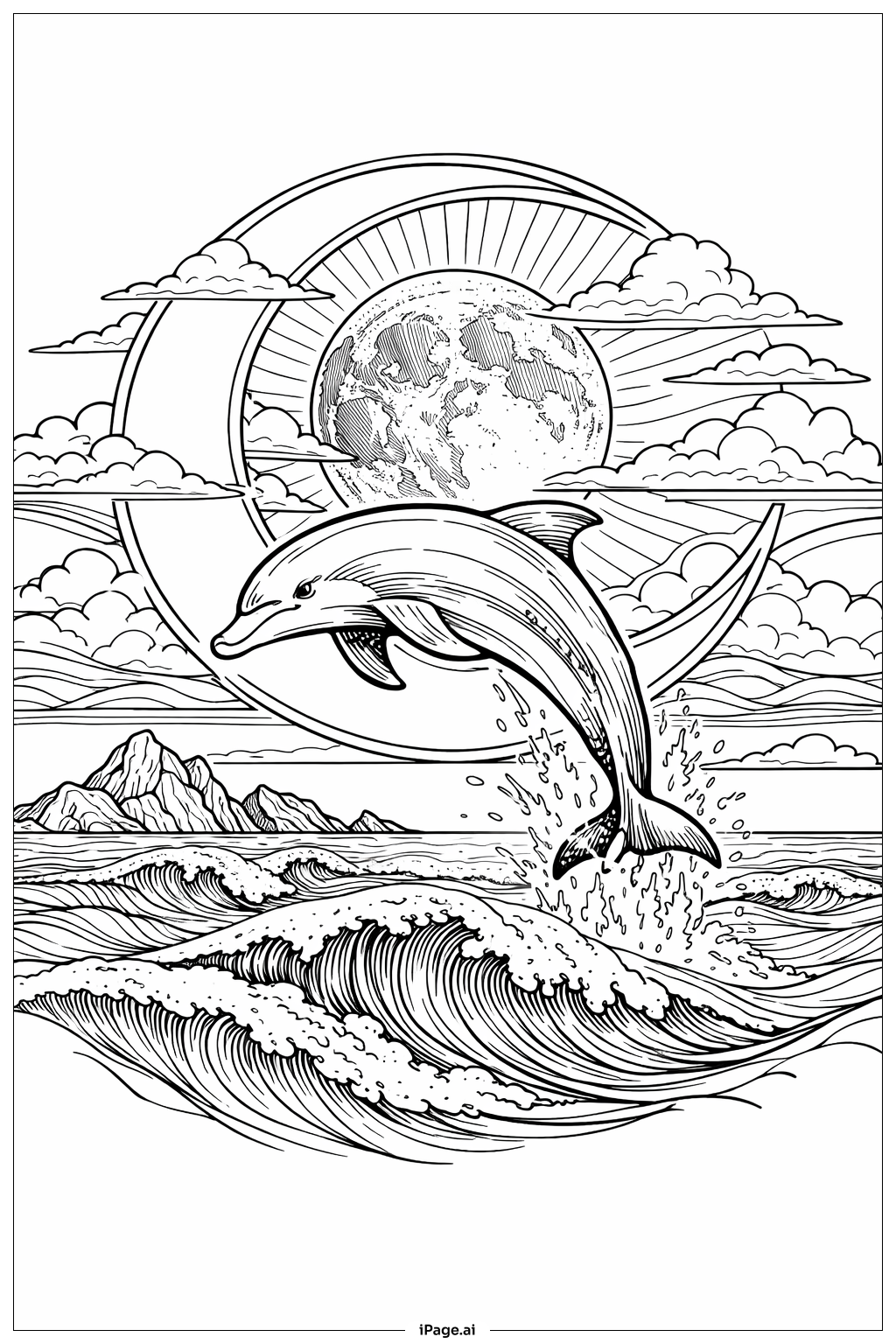
For the dolphin, use various shades of gray from light silver to darker charcoal, or try blue-gray tones to reflect ocean colors. The belly can be lighter, almost white or pale cream. The water offers wonderful opportunities for creativity: blend light blues, teals, and aquamarines for the waves, adding white or pale blue highlights where sunlight sparkles on the surface. The sky can be colored in soft blues graduating to lighter shades near the horizon, with white or pale yellow clouds. Consider adding a golden or pink sunset glow for extra warmth. The distant hills might be colored in muted greens, purples, or browns to create depth. Use colored pencils for smooth blending on the dolphin's body, and markers or crayons for bolder water effects.
Coloring challenges: Which parts are difficult to color and need attention for Dolphin In Calm Bay coloring page?
• Smooth Dolphin Body: Creating an even, gradient effect on the dolphin's curved body requires careful blending techniques. Young artists may find it challenging to avoid streaky or patchy coloring on the large, smooth surface area. Practicing gentle, circular strokes and layering colors gradually helps achieve a realistic, glossy appearance that captures the dolphin's sleek skin texture.
• Wave and Water Movement: Depicting the motion and transparency of water through color choices presents a moderate challenge. The waves need different shades to show depth, with darker blues in shadowed areas and lighter tones where light penetrates. Blending multiple blue and green tones while maintaining clear wave shapes requires planning and patience, especially for younger children still developing fine motor control.
• Creating Depth and Distance: The background elements like distant hills and the horizon line require understanding of atmospheric perspective. Objects farther away should appear lighter and less detailed than foreground elements. Choosing appropriate color values to make the dolphin stand out while keeping background elements receded demands color theory knowledge that may be new to beginning colorists.
• Water Splash Details: The small water droplets and splashes around the jumping dolphin contain tiny, intricate areas that challenge precision coloring. These details require steady hand control and patience to color without going outside the lines. Deciding whether to leave them white or add subtle blue tints adds another layer of decision-making for young artists.
Benefits of coloring books: Advantages of drawing Dolphin In Calm Bay coloring page
Coloring this dolphin scene offers numerous developmental benefits for children. It enhances fine motor skills and hand-eye coordination as they carefully color within the curved lines of the dolphin's body and navigate the flowing wave patterns. The image encourages color exploration and creativity, allowing children to experiment with ocean color palettes and learn about blending techniques. Working on the dolphin's smooth surfaces teaches patience and attention to detail. The peaceful bay setting promotes relaxation and mindfulness, helping reduce stress while fostering concentration. Children also gain knowledge about marine life and ocean ecosystems, sparking curiosity about dolphins and their natural habitats. Completing this coloring page builds confidence and provides a sense of accomplishment, especially when the finished artwork captures the joyful spirit of these beloved marine mammals.