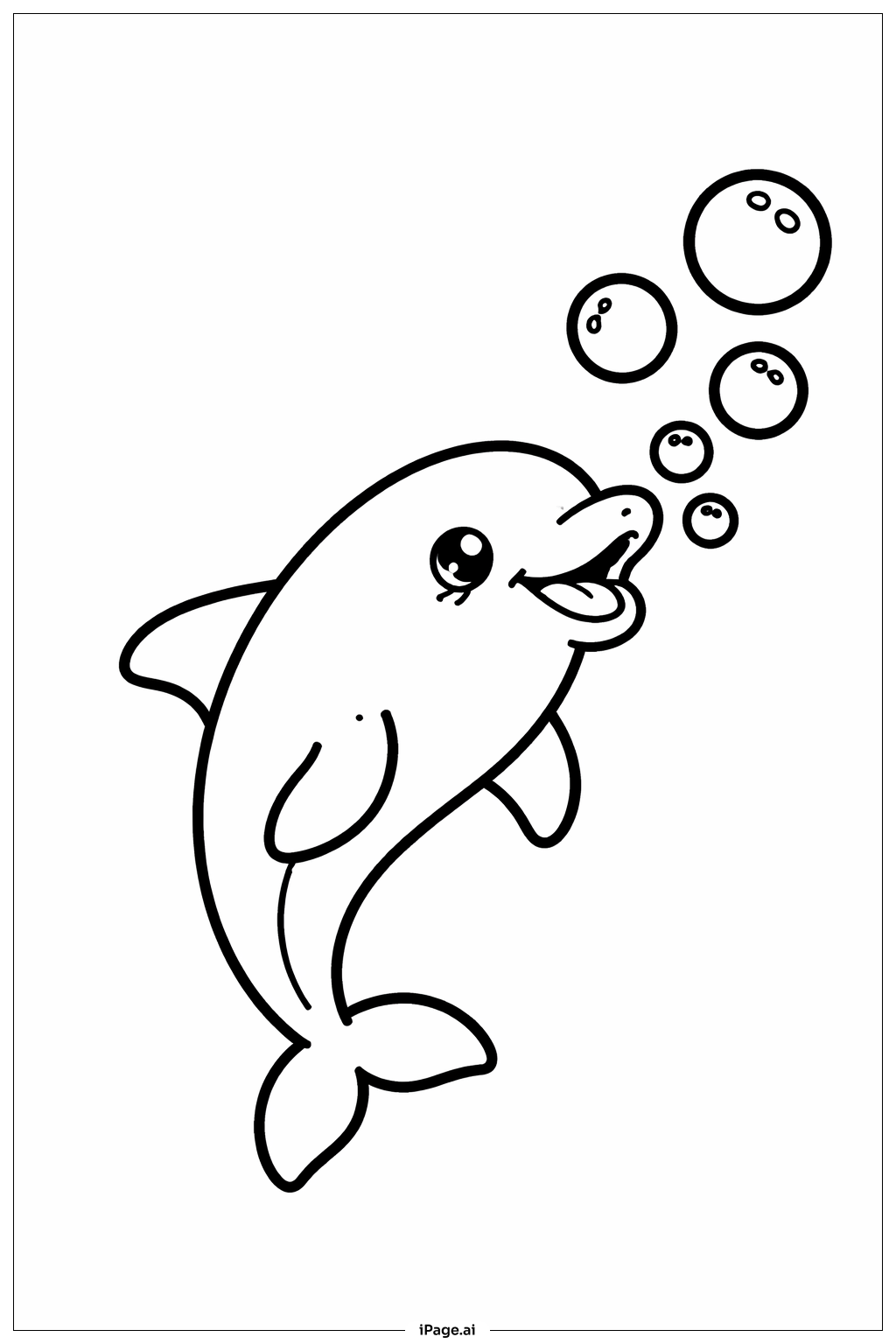
Coloring tips: How to color Dolphin Blowing Bubbles coloring page well?
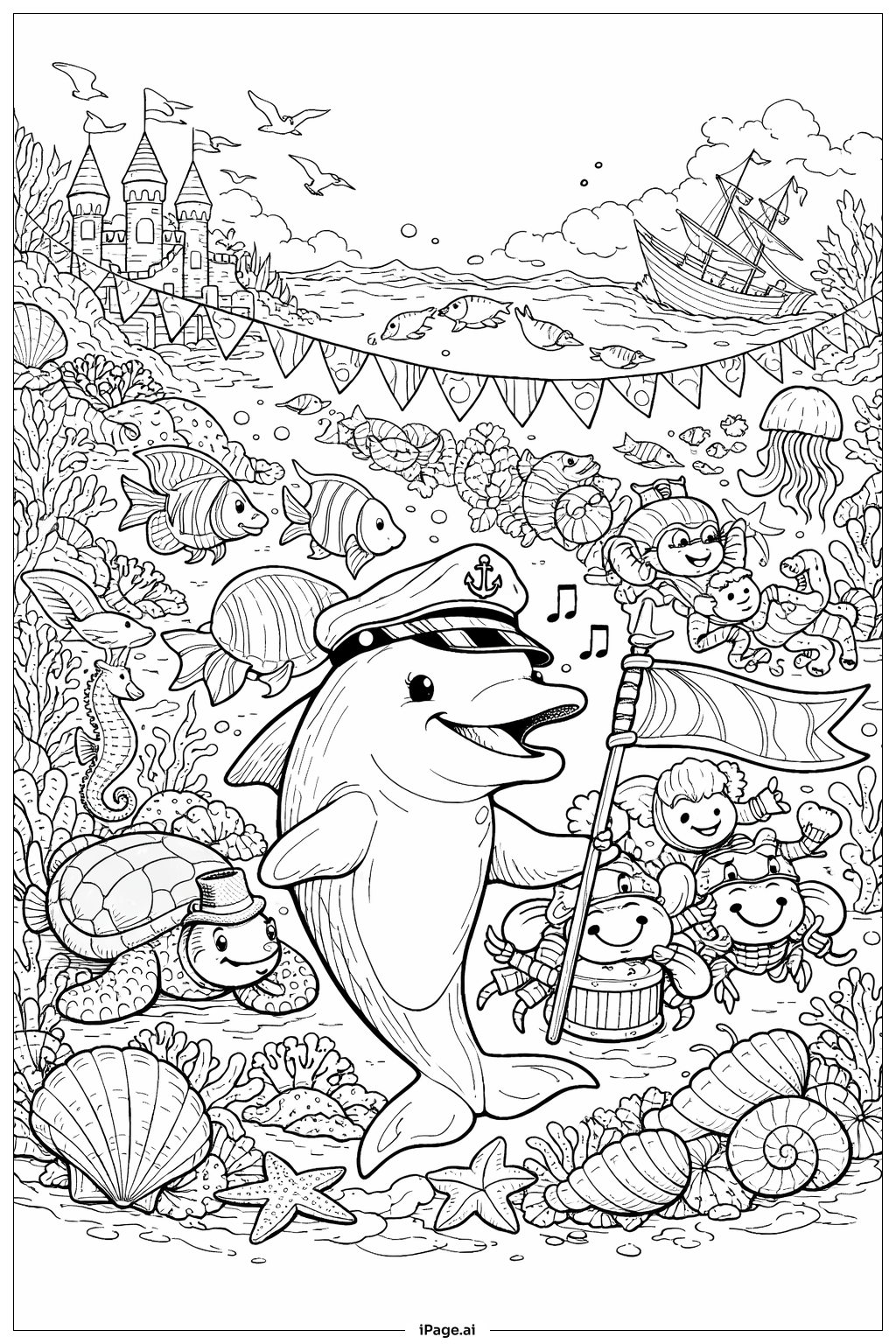
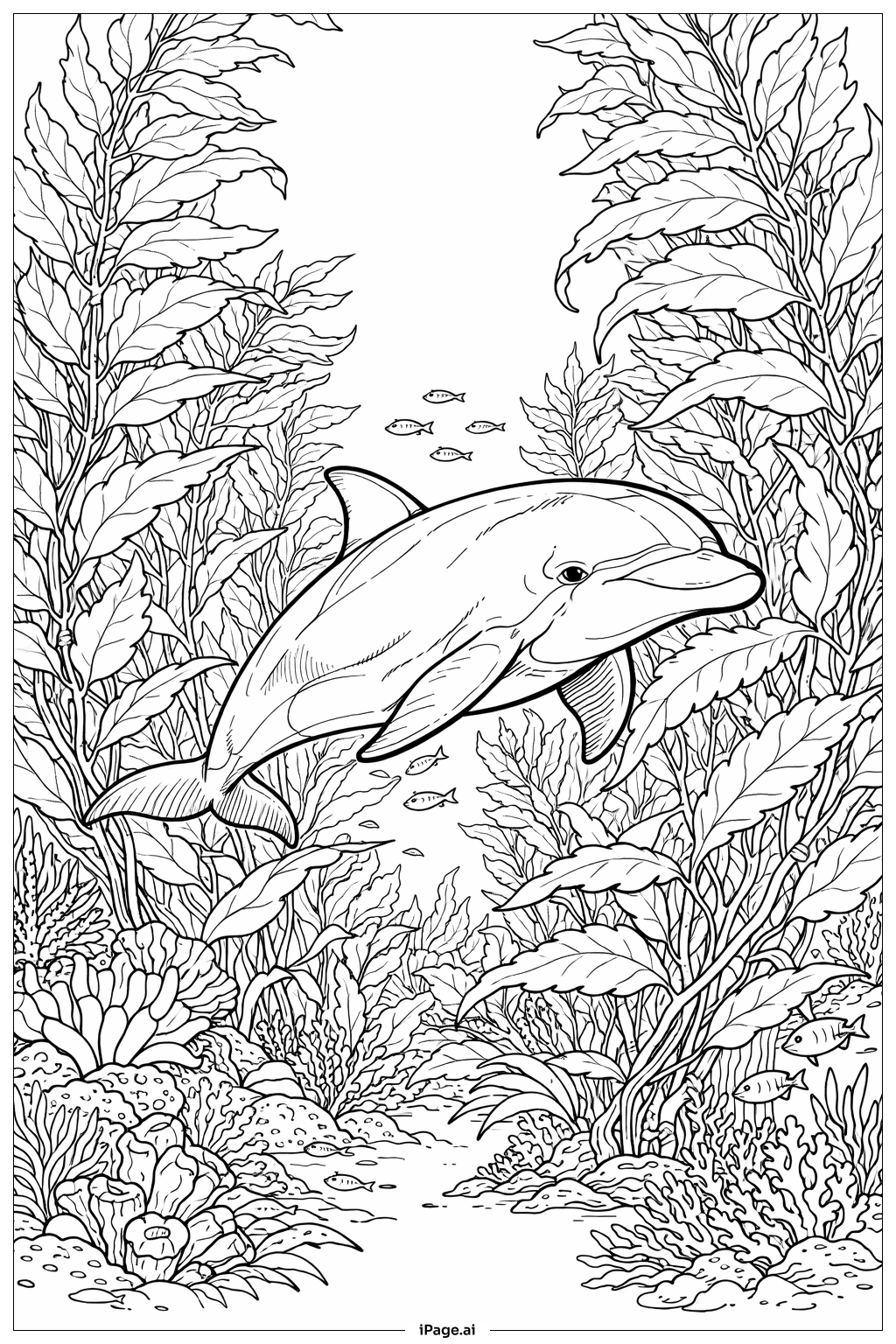
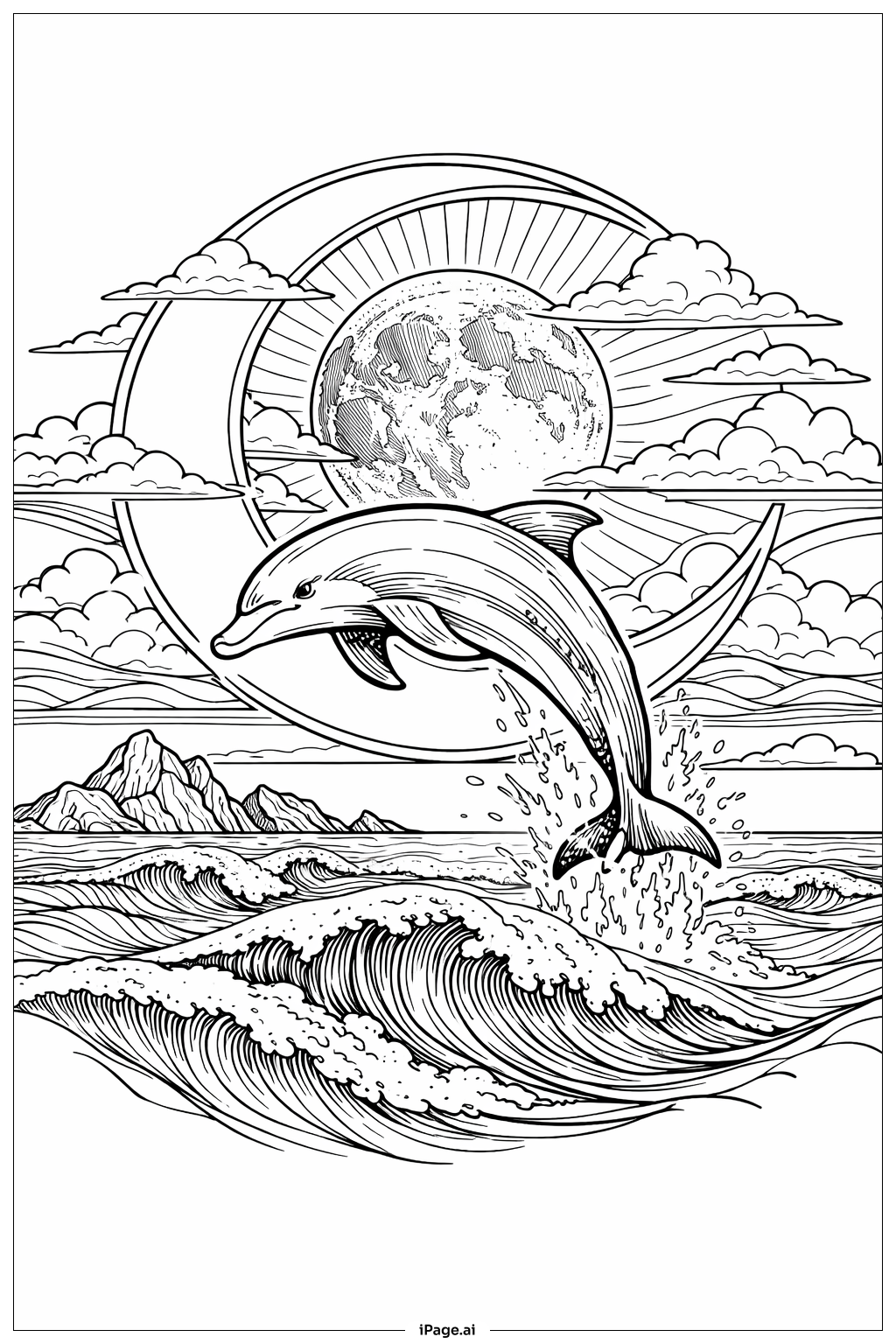
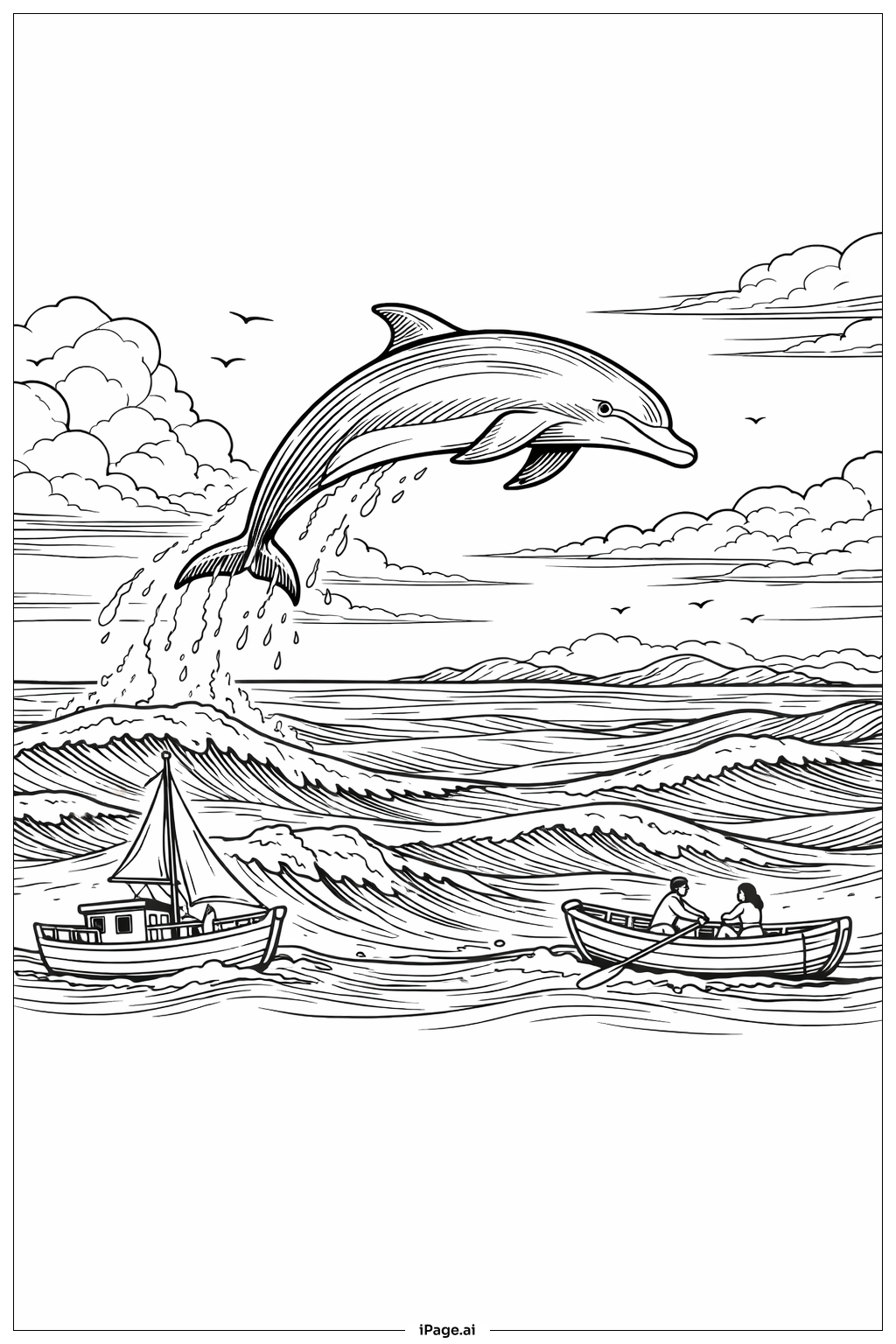
For the dolphin, consider using shades of blue-gray, ranging from light sky blue on the belly to deeper slate blue along the back. You can also try traditional dolphin colors like soft gray with white or cream for the underside. The bubbles offer a wonderful opportunity for creativity - try leaving them white with light blue or purple shadows, or add rainbow reflections using pale yellows, pinks, and blues. For the ocean background, layer different shades of blue and turquoise to create depth. Consider using colored pencils to add gentle shading along the dolphin's body to show its rounded form. Younger children might enjoy using bright, cheerful colors like pink or purple for a magical, fantasy dolphin.
Coloring challenges: Which parts are difficult to color and need attention for Dolphin Blowing Bubbles coloring page?
• Bubble Shading and Dimension: Creating realistic bubbles requires understanding how light interacts with transparent spheres. Each bubble needs careful attention to show highlights where light hits and subtle shadows on the opposite side. The overlapping bubbles add complexity as colorists must decide which bubble appears in front and adjust shading accordingly to create proper depth.
• Smooth Color Gradients on Dolphin Body: Dolphins have naturally smooth skin with gradual color transitions from dark backs to light bellies. Achieving this seamless gradient without visible streaks or harsh lines requires patience and technique. Colorists may need to blend colors carefully using light pressure and layering, which can be challenging for younger children or those new to shading techniques.
• Maintaining Clean White Spaces: The bubbles often look best with bright white highlights or when left mostly uncolored with just rim details. Keeping these white spaces clean while coloring around them demands steady hand control and precision. Accidental marks in these areas can diminish the sparkle effect that makes bubbles appear realistic and magical.
• Curved Surface Shading: The dolphin's rounded, cylindrical body requires understanding how to shade curved surfaces convincingly. Colorists must apply darker tones along the edges and lighter tones in the center to show the three-dimensional form, which involves more advanced coloring skills than flat shapes.
Benefits of coloring books: Advantages of drawing Dolphin Blowing Bubbles coloring page
Coloring this cheerful dolphin scene offers numerous developmental benefits for children. It helps improve fine motor skills and hand-eye coordination as they carefully color within the curved lines of the dolphin and small circular bubbles. The varying sizes of bubbles provide excellent practice for precision and control. This image also encourages creativity and color exploration, as children can experiment with realistic ocean colors or create a fantastical underwater world with imaginative hues. The playful nature of the scene promotes positive emotions and can have a calming effect, reducing stress and anxiety. Learning to shade the dolphin's body introduces basic concepts of light, shadow, and three-dimensional form, building important artistic foundations. Additionally, this activity strengthens concentration and focus as children work to complete the detailed elements, while the appealing subject matter keeps them engaged and motivated throughout the coloring process.