Coloring tips: How to color Curious Dolphin coloring page well?
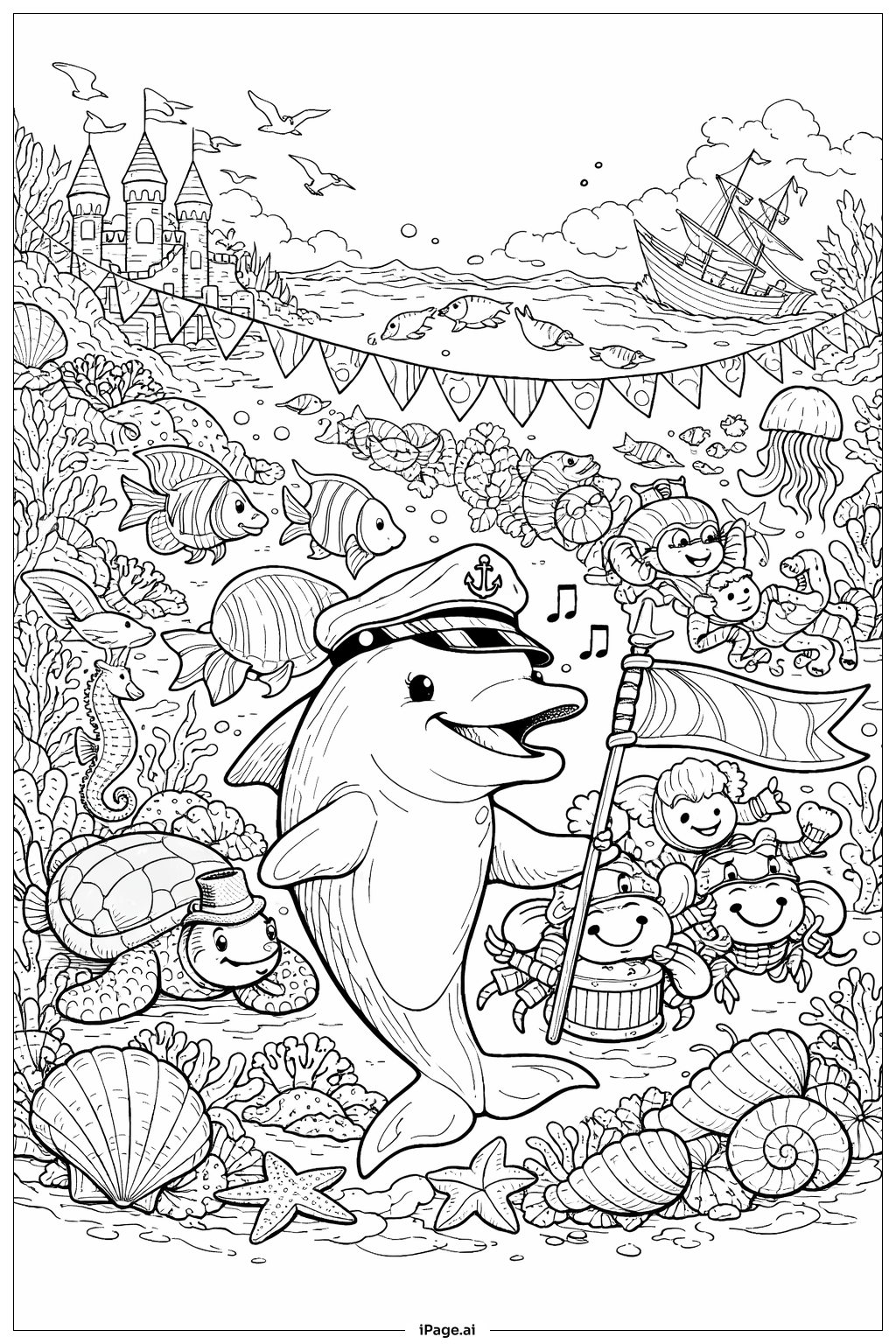
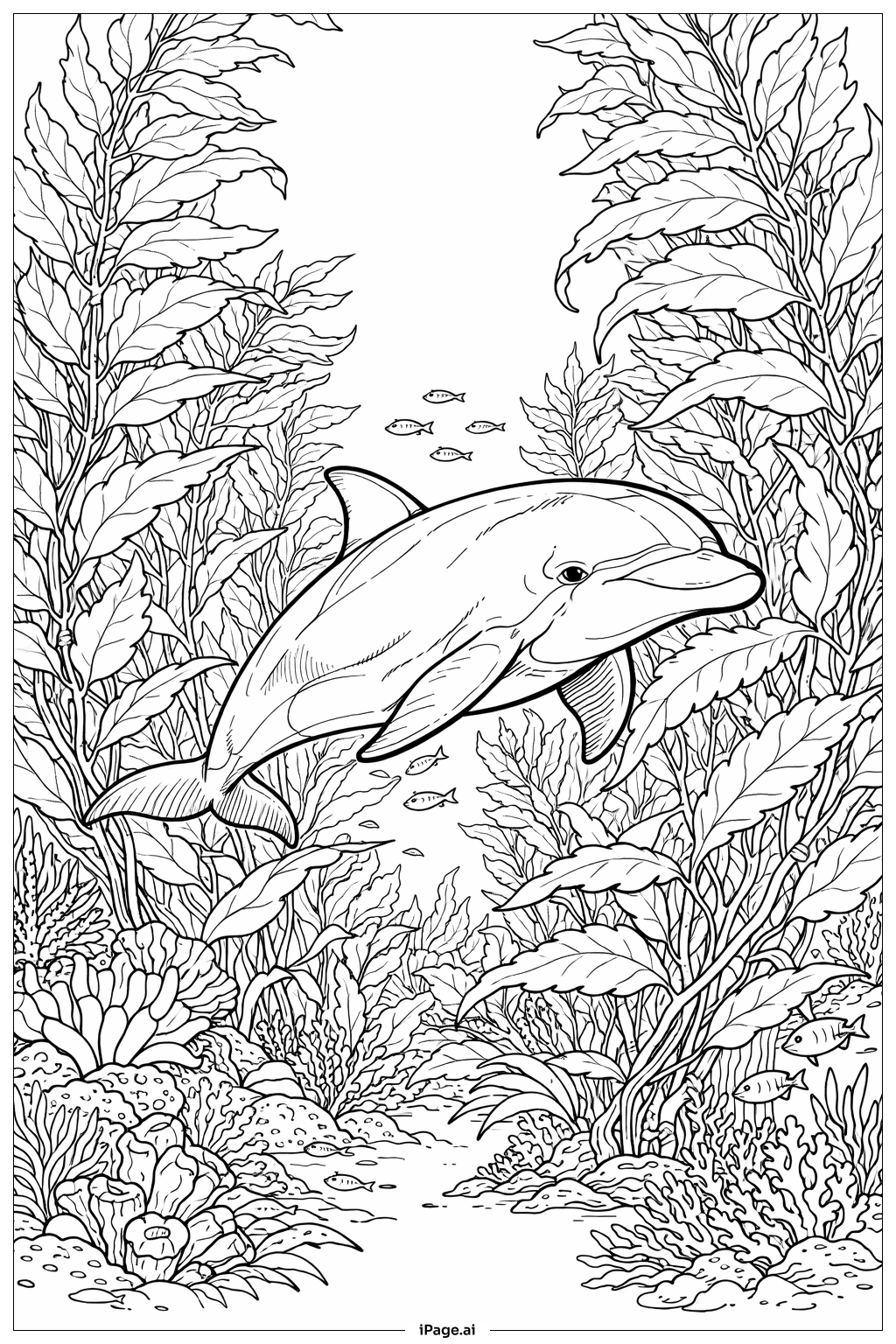
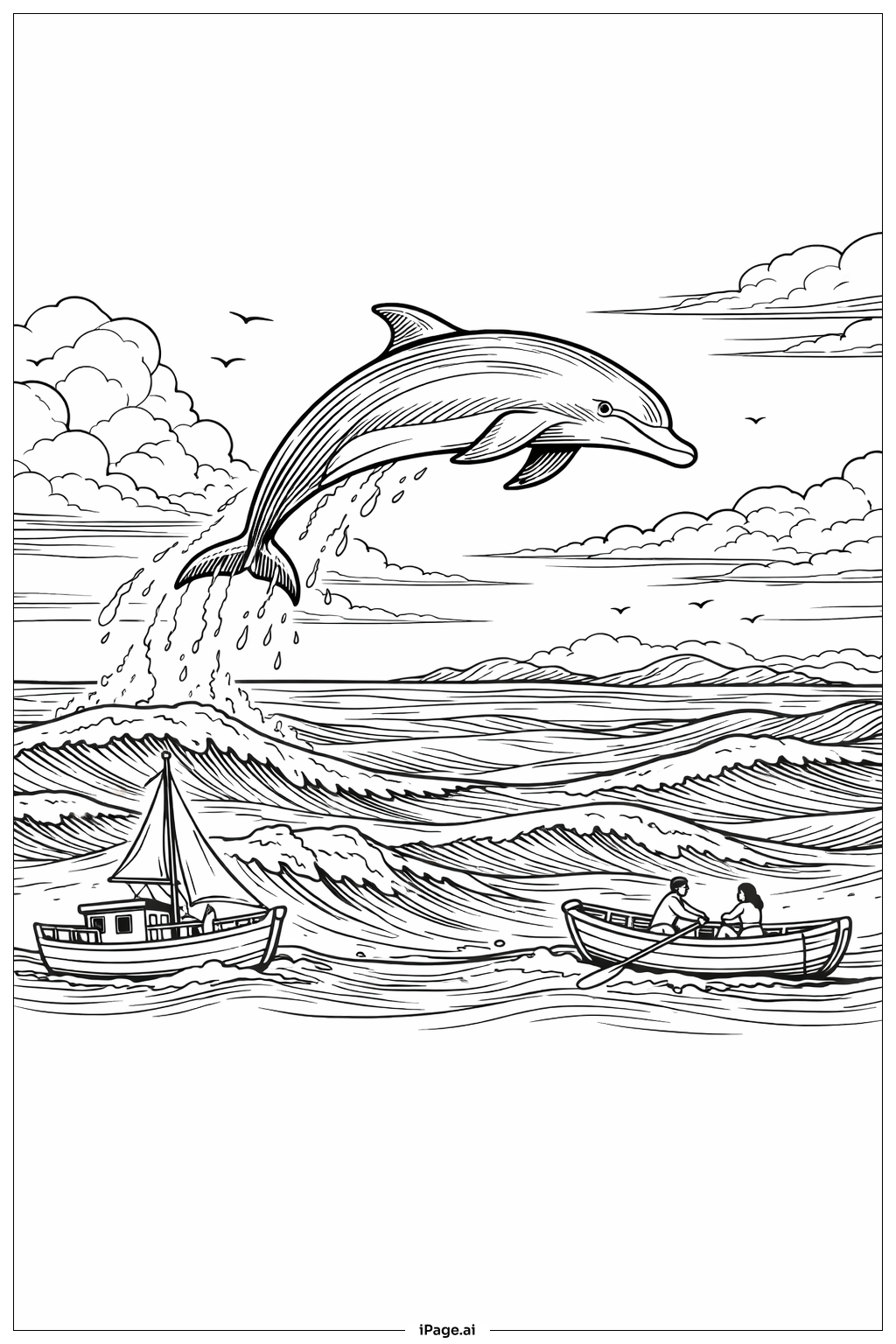
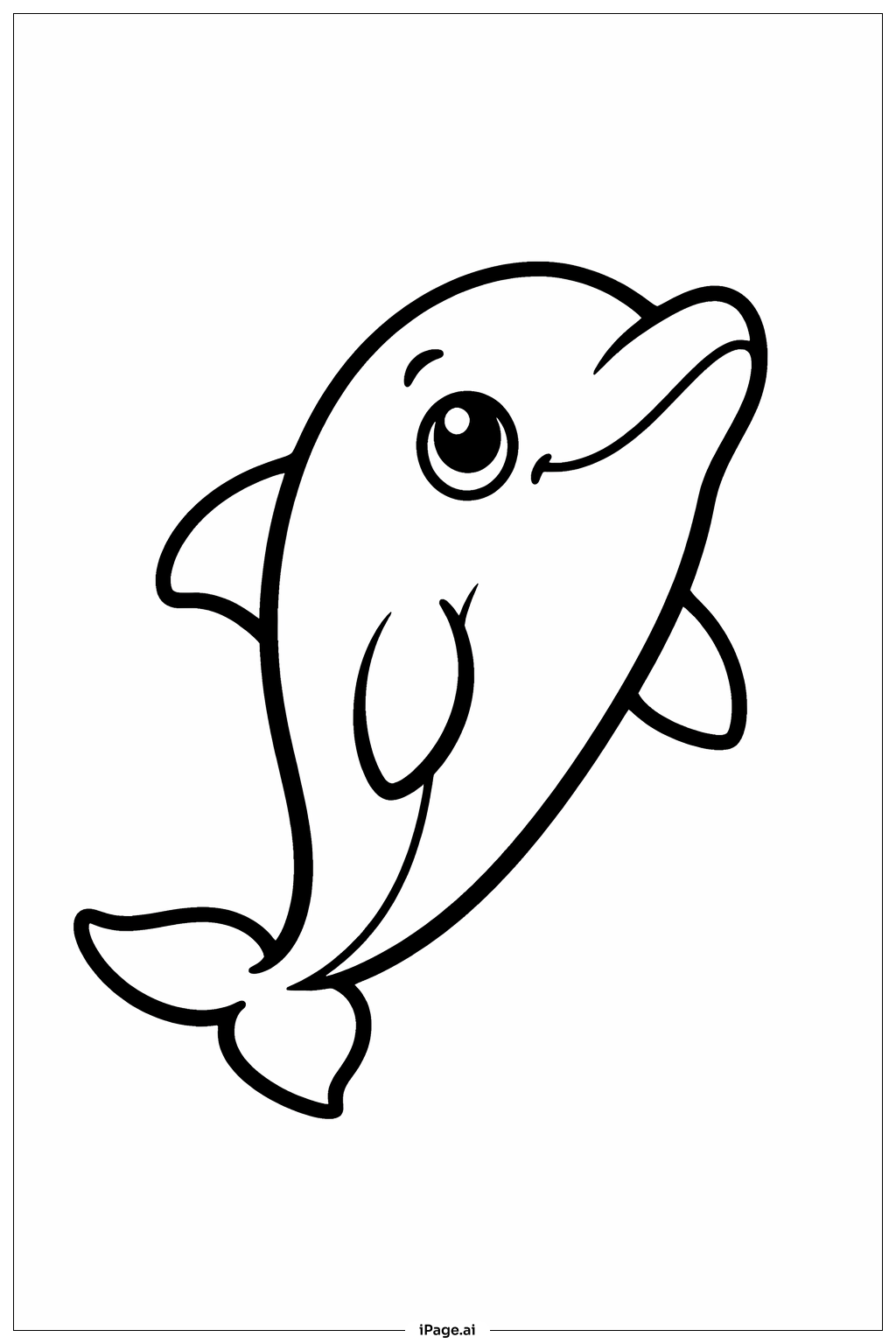
For this Curious Dolphin, start with various shades of blue and gray to create a realistic appearance. Use light gray or silvery blue for the dolphin's belly and underside, as dolphins naturally have lighter coloring there. Apply medium to dark gray or blue-gray tones along the back and upper body to show dimension. Consider adding hints of purple or teal to make your dolphin more vibrant and unique. The eye can be colored with black or dark brown, leaving a small white highlight to show sparkle and curiosity. For the ocean background, if you choose to add one, use blues ranging from turquoise to deep navy, perhaps adding lighter areas to suggest sunlight filtering through water. Try blending colors gently where they meet to create smooth transitions that mimic the dolphin's glossy skin. You might also add small white highlights along the body's curves to suggest the way light reflects off wet, smooth skin.
Coloring challenges: Which parts are difficult to color and need attention for Curious Dolphin coloring page?
• Smooth Color Transitions: Creating realistic smooth gradients across the dolphin's body can be challenging, as dolphins have glossy skin that reflects light in subtle ways. Young colorists may find it difficult to blend colors seamlessly from the darker back to the lighter belly without creating harsh lines or uneven patches.
• Maintaining Three-Dimensional Form: The curved contour lines and body shape require careful color choices to preserve the sense of depth and roundness. Selecting the right values of light and dark tones to show which parts curve toward or away from the viewer demands spatial awareness and understanding of how shading works.
• Detail Work on Small Features: The eye, blowhole, and mouth line are small areas that require precision and control. Younger children may struggle to stay within these tiny spaces, while older colorists might find it challenging to add subtle details like eye highlights or shading around the facial features without overdoing it.
• Fin and Fluke Accuracy: The fins and tail flukes have specific shapes and positions that need consistent coloring to maintain their structure. These appendages often require slightly different shading than the main body to show they're separate elements, which can be tricky to execute while keeping the overall look cohesive and natural.
Benefits of coloring books: Advantages of drawing Curious Dolphin coloring page
Coloring this Curious Dolphin offers wonderful benefits for children and adults alike. It helps develop fine motor skills and hand-eye coordination as you carefully color within the curved lines and smaller details. The smooth, flowing shapes encourage practicing color blending and shading techniques, building artistic confidence. This image also provides a calming, meditative activity that can reduce stress and anxiety, as the gentle curves and friendly subject matter create a peaceful coloring experience. For younger children, it reinforces knowledge about marine life and ocean ecosystems, sparking curiosity about dolphins and their habitats. The varying levels of detail allow colorists to work at their own pace and skill level, making it accessible yet challenging enough to maintain engagement. Completing this page provides a sense of accomplishment and can boost self-esteem, while the creative color choices encourage imagination and personal expression.