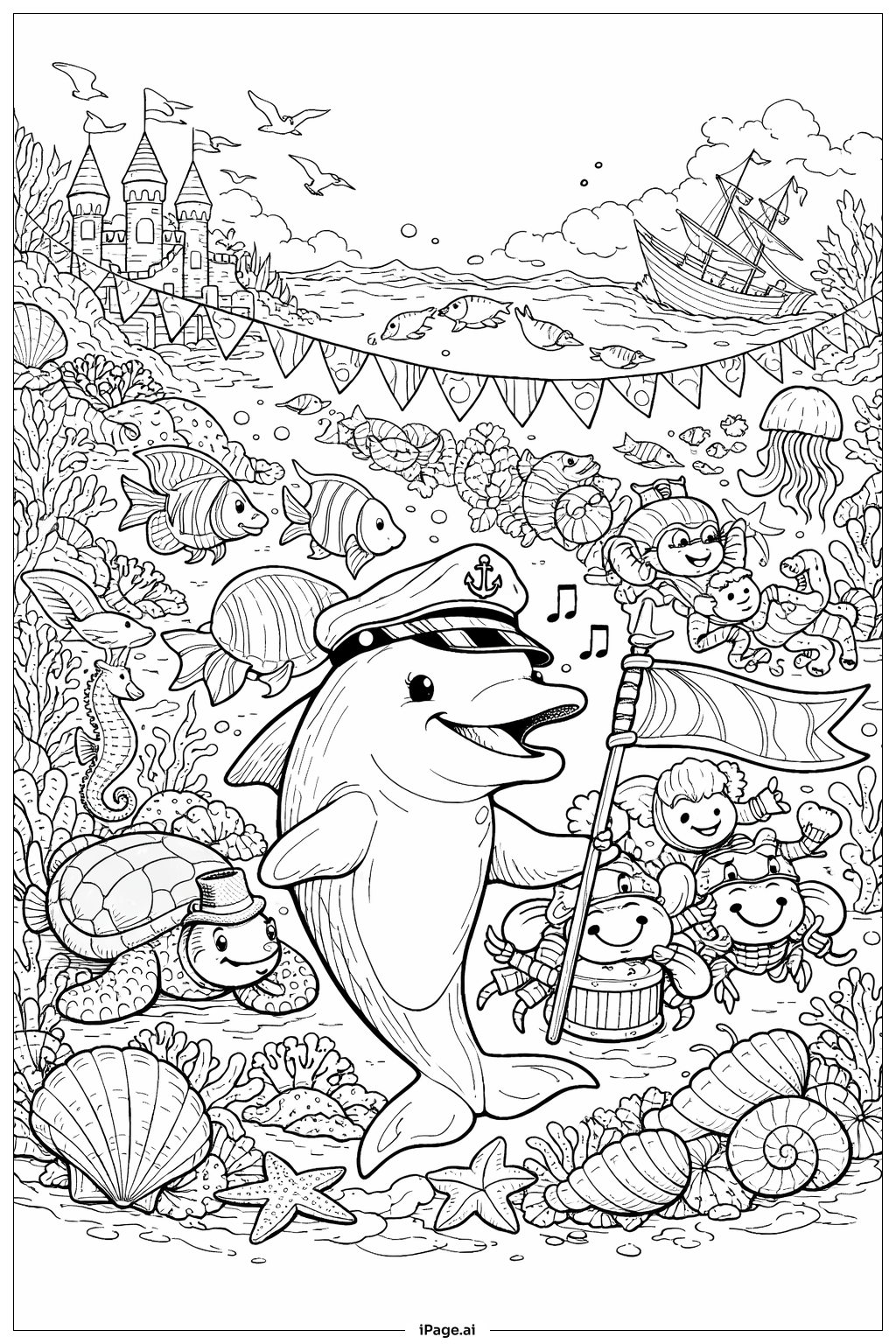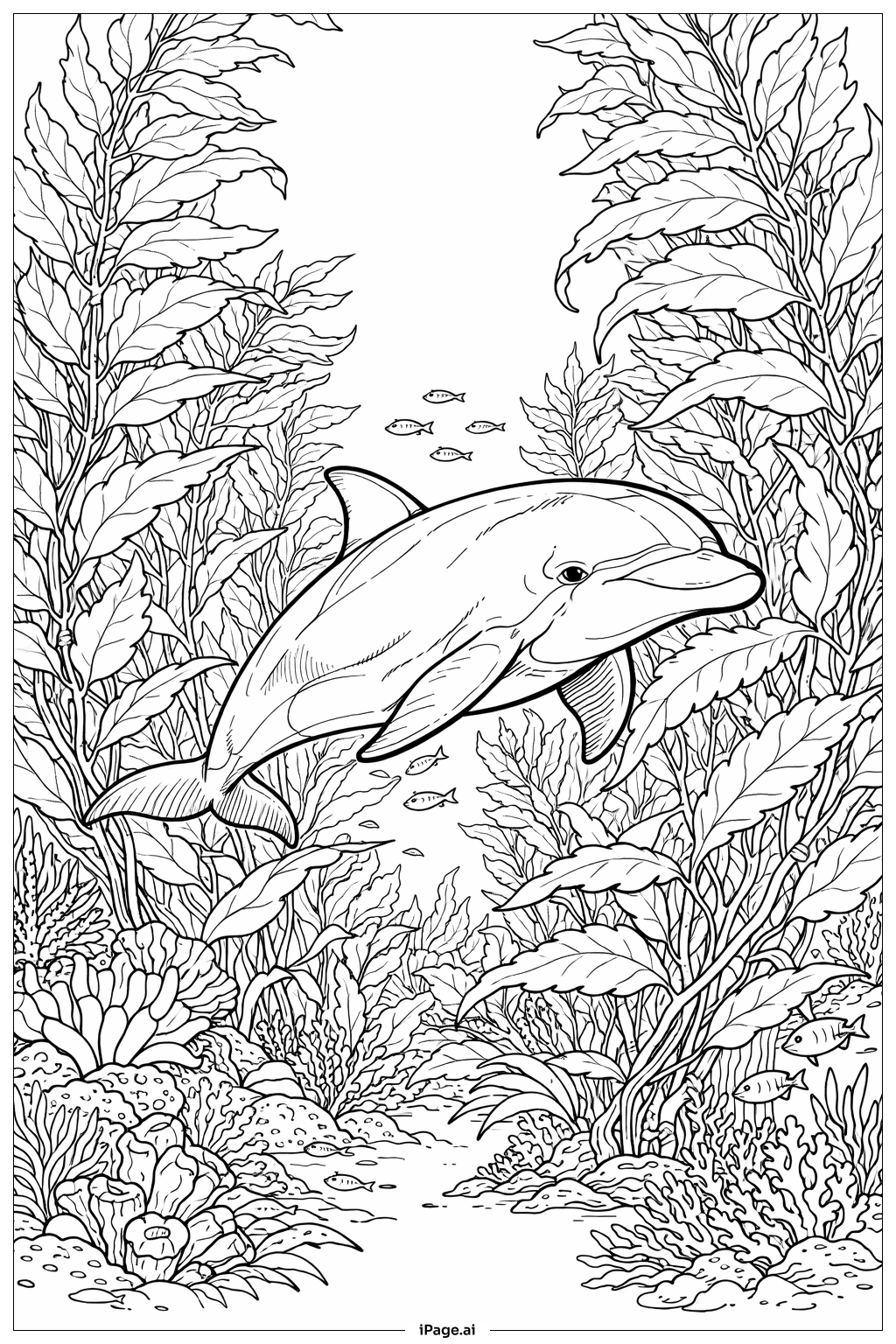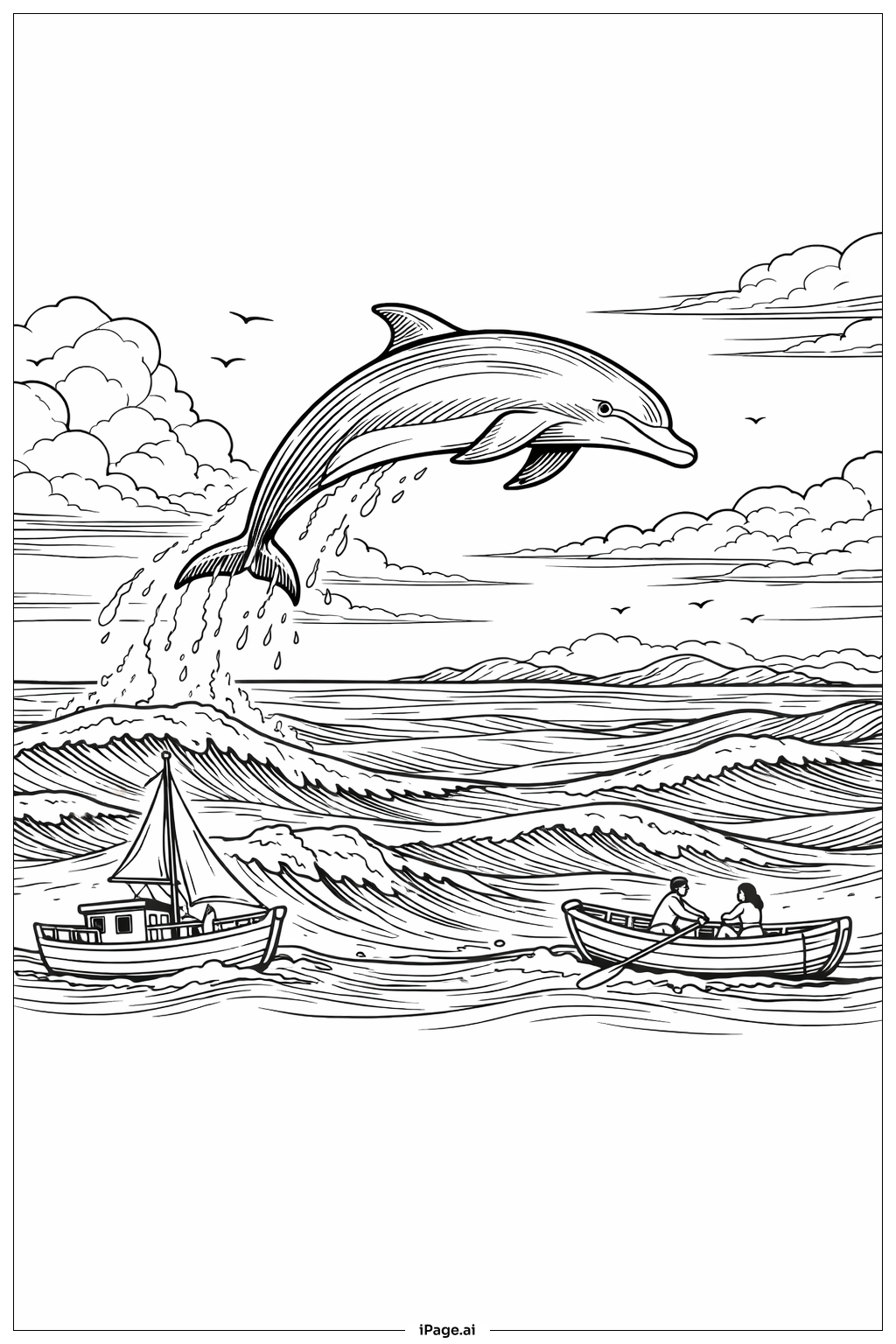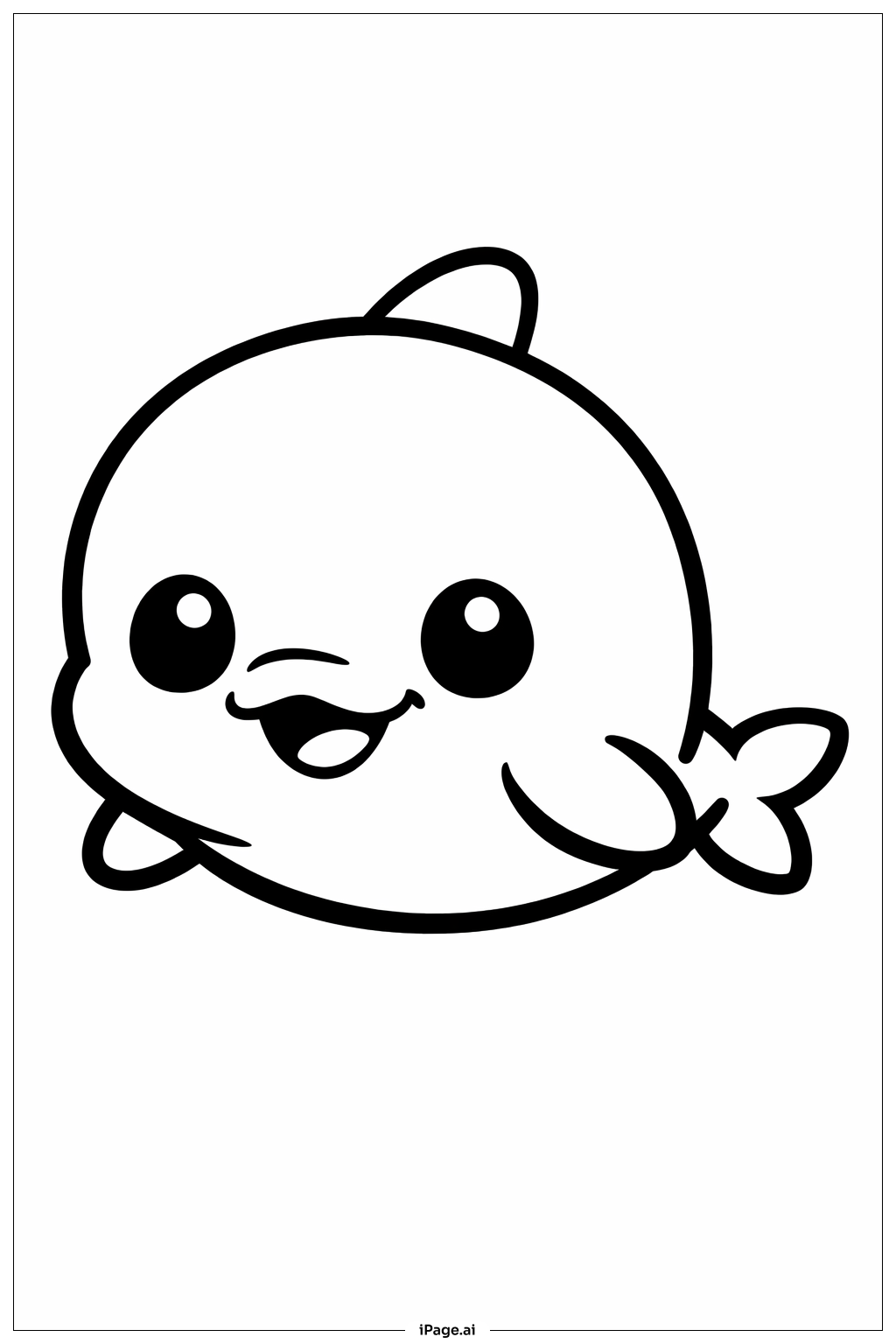
Coloring tips: How to color Baby Dolphin coloring page well?
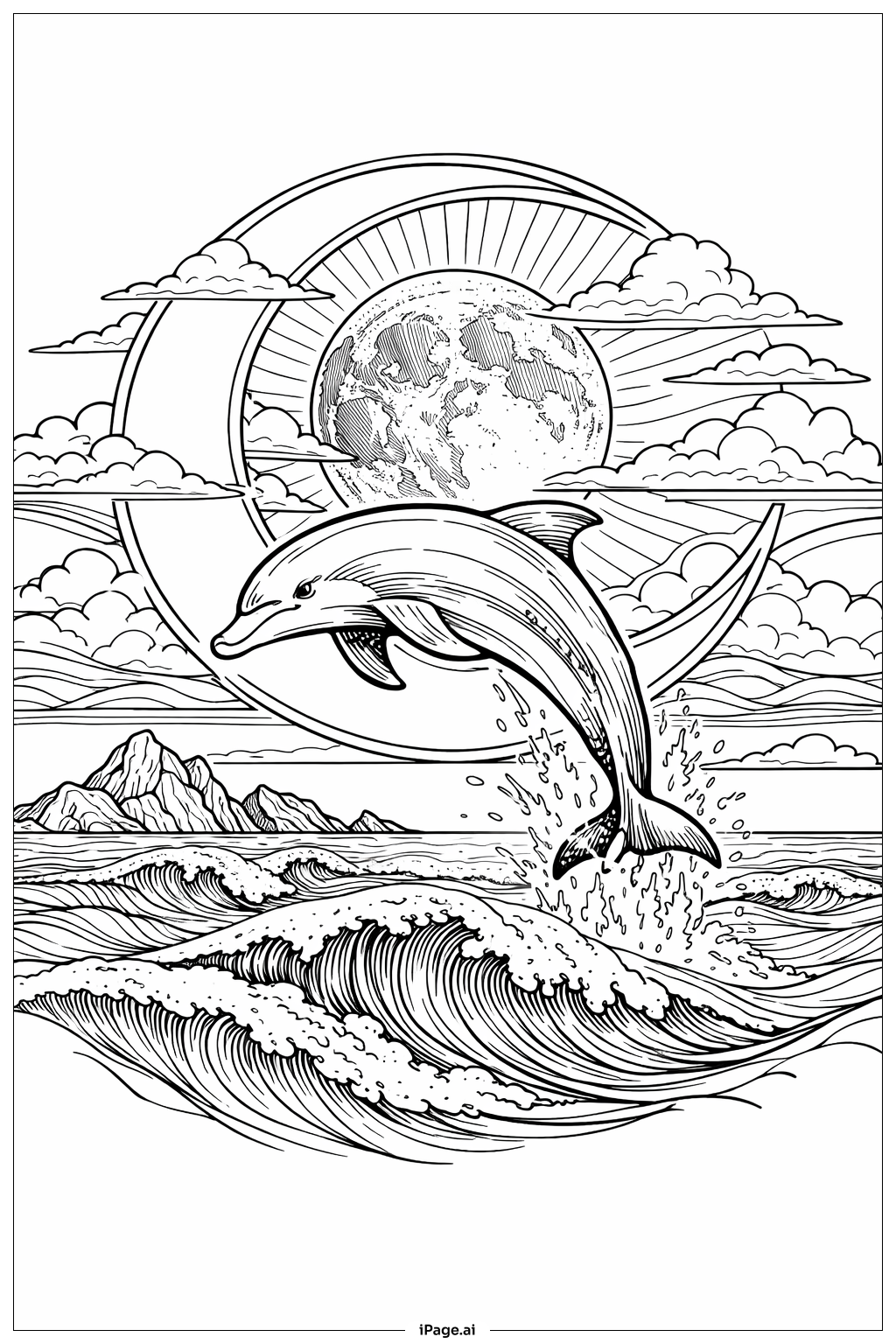
Start with the baby dolphin's body using a soft blue-gray or sky blue. Leave the belly area lighter — use white or pale cream to show the dolphin's natural two-tone look. For the ocean waves, try shades of aqua, turquoise, and deep blue to give the water depth and movement. Use lighter blues or white at the wave tips to mimic seafoam. The water droplets can be colored in light blue or left white for a sparkling effect. Add a warm golden or soft orange tint to the background to suggest a sunny day at sea. If you want the dolphin to stand out, use a slightly darker blue on the top of the body and blend gently toward the belly. Keep your strokes smooth and even to capture the dolphin's silky skin. Have fun mixing shades to make your ocean scene feel full of life and energy!
Coloring challenges: Which parts are difficult to color and need attention for Baby Dolphin coloring page?
• Smooth Body Shading: The baby dolphin's rounded body requires careful gradual shading to look realistic. Blending from a deeper blue-gray on the back to a lighter cream or white on the belly can be tricky, especially for younger colorists. Going too dark too fast can make the dolphin look flat instead of three-dimensional.
• Two-Tone Skin Transition: Dolphins naturally have a darker upper body and a lighter underside. Capturing this gradual color shift without a harsh line in between is one of the trickiest parts of this image. It takes patience and light, layered strokes to get it right.
• Water and Wave Details: The ocean waves and splashing water droplets involve many small, curved shapes that need multiple shades of blue and white. Coloring these areas with variation — darker in the deeper parts and lighter at the foam tips — adds realism but requires good color control.
• Water Droplets: The tiny droplets scattered around the leaping dolphin are small and closely spaced. Carefully filling each one without going outside the lines or smudging nearby colors takes steady hands and a fine-tipped coloring tool.
• Background Depth: Creating a sense of open ocean in the background means layering blues without making the scene look muddy or too dark. Balancing the background color so it supports the dolphin without overpowering it is a subtle but important challenge for colorists of all ages.
Benefits of coloring books: Advantages of drawing Baby Dolphin coloring page
Coloring this baby dolphin page brings a wonderful range of benefits for kids. First, it builds fine motor skills as children carefully fill in the dolphin's body, fins, and the surrounding waves. Guiding a crayon or marker precisely within the lines strengthens hand-eye coordination and prepares young hands for writing.
Choosing colors for the ocean and the dolphin encourages creativity and imaginative thinking. Kids can follow realistic colors or invent their own fantasy ocean world — both are equally valuable for developing self-expression.
Focusing on a detailed image like this also trains concentration and patience. As children work through each section, they practice staying on task and seeing a project through from start to finish — a skill that carries over into school and everyday life.
Coloring is also a calming activity. The gentle, repetitive motion of coloring helps reduce stress and creates a peaceful, focused state of mind. It can be a wonderful quiet-time activity after a busy day.
Finally, completing a coloring page gives children a real sense of accomplishment. Seeing their finished artwork builds confidence and pride, encouraging them to keep creating. This baby dolphin page is a joyful, rewarding experience for colorists of all skill levels.