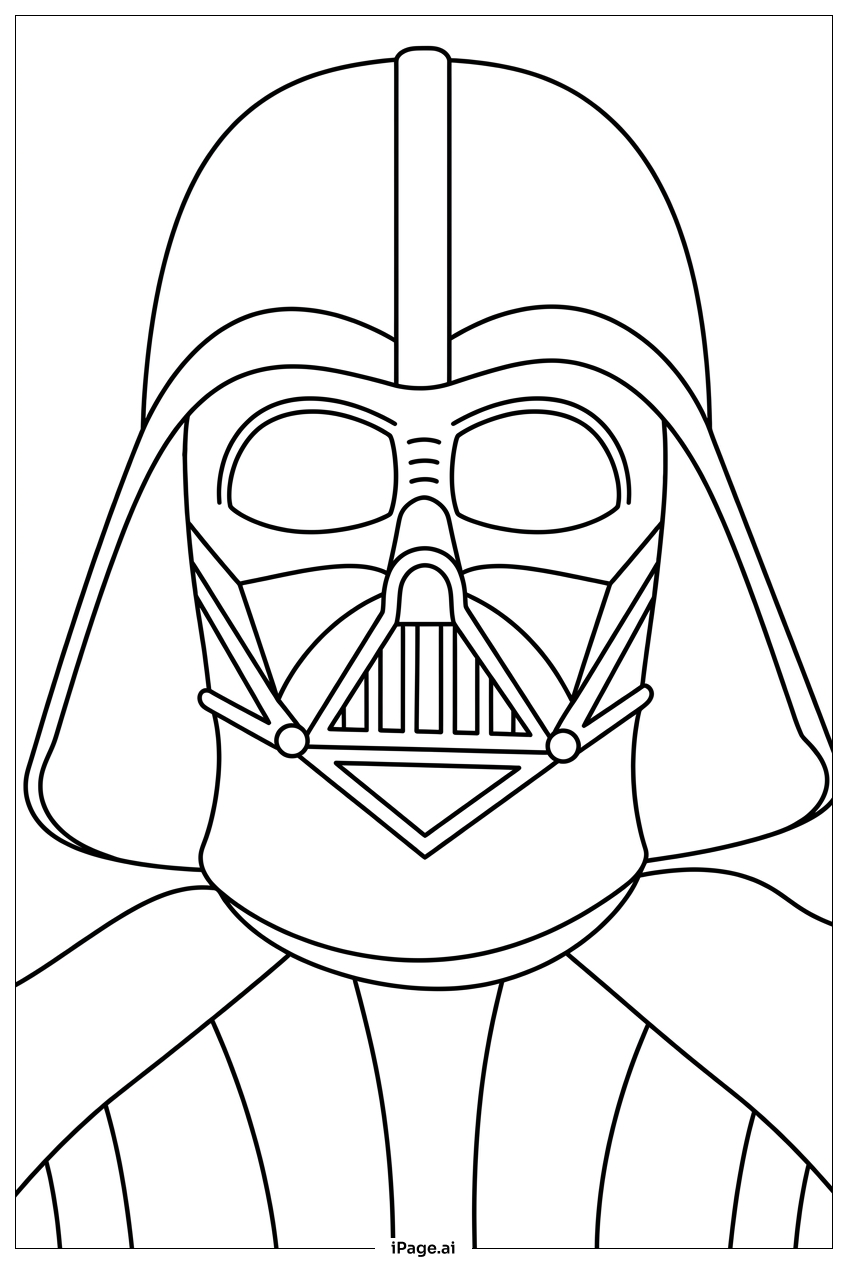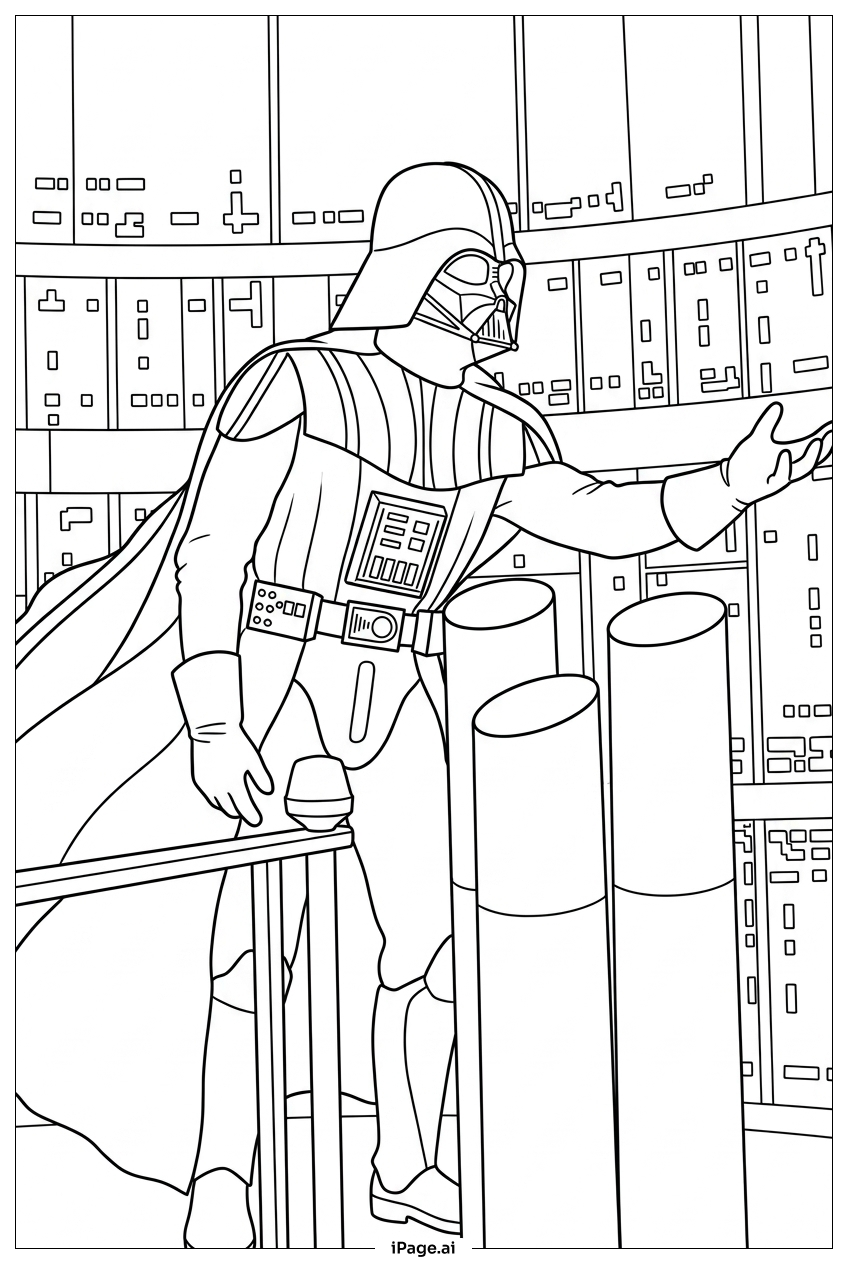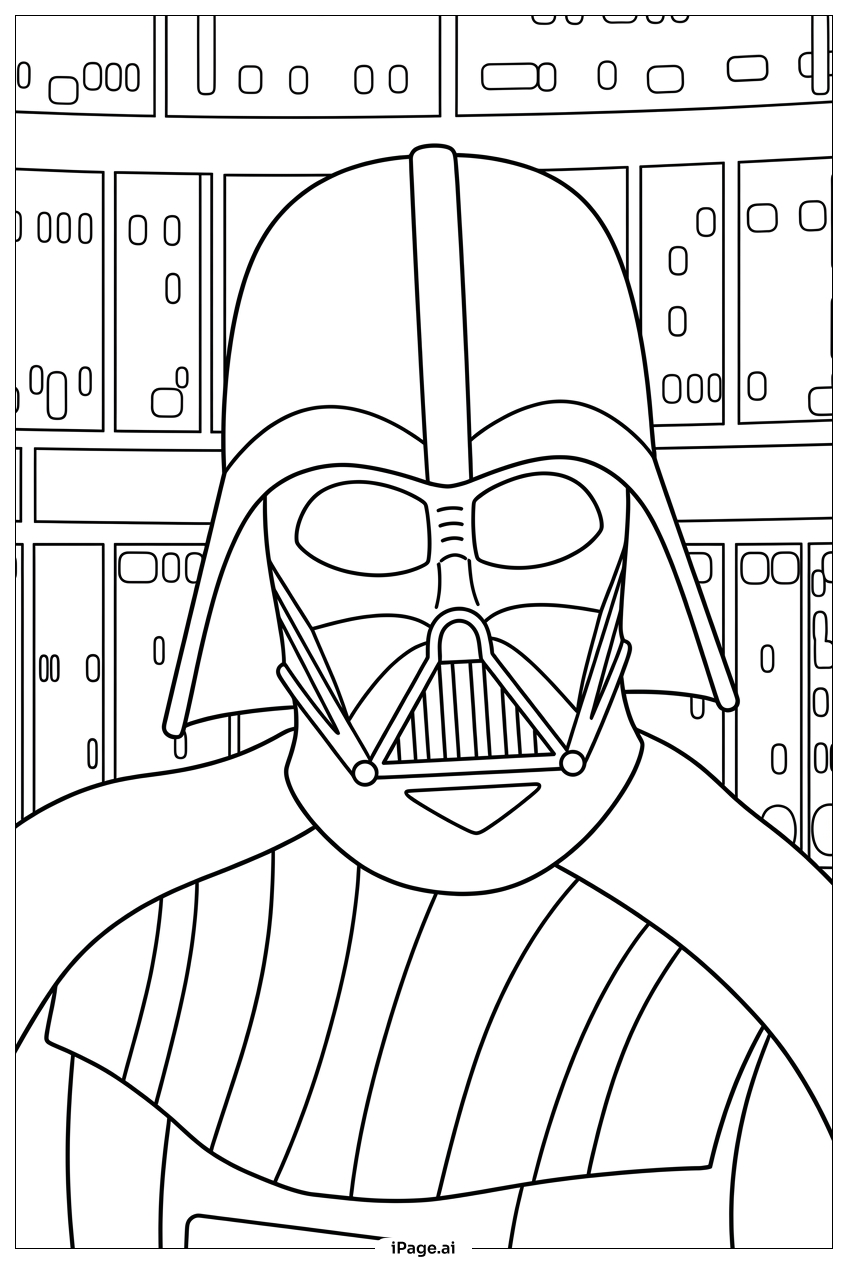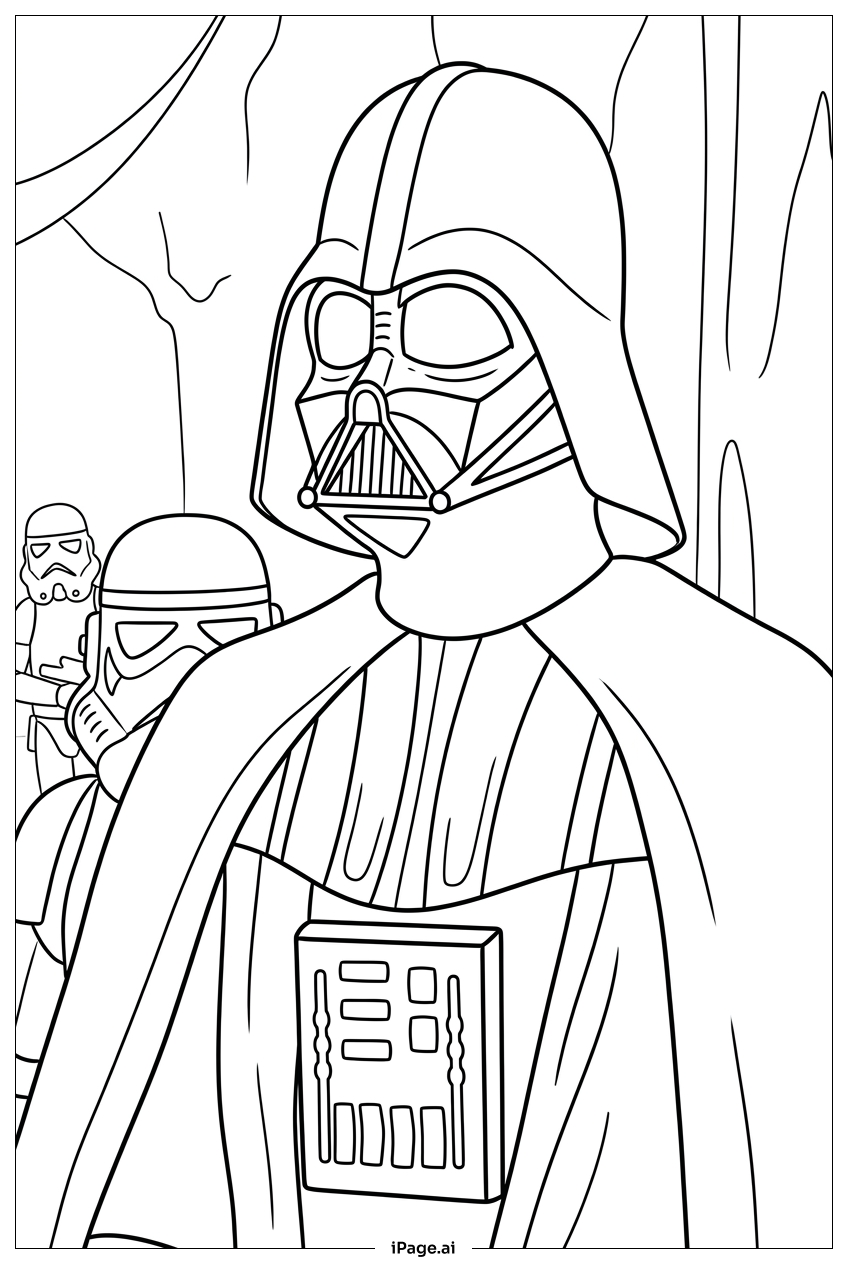
Coloring tips: How to color Darth Vader Helmet Close Up Portrait coloring page well?
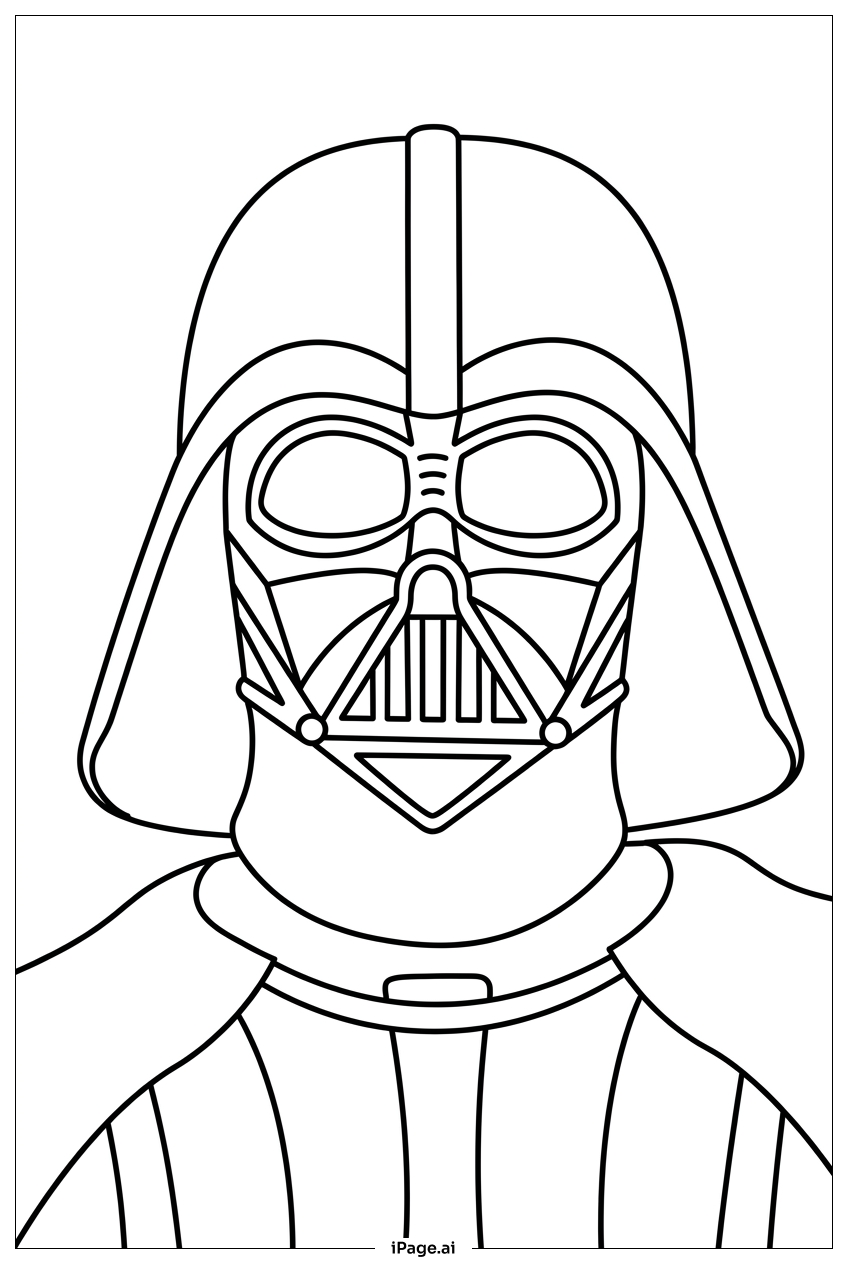
Use dark gray, black, and silver for the helmet to match the classic look of Darth Vader. You can add a soft shine on the dome and cheek areas with lighter gray shades. Try using deep red or glowing orange for the eyes if you want a dramatic effect. The background can stay light or be filled with a space theme, such as stars, blue shadows, or a deep red glow. Younger children can use simple colors, while older kids can add smooth shading and bright highlights. Keep the lines neat so the helmet looks bold and strong.
Coloring challenges: Which parts are difficult to color and need attention for Darth Vader Helmet Close Up Portrait coloring page?
- The helmet has many curved surfaces, so it can be hard to show depth with color. The dome, cheeks, and mouth area all need different shading to look three-dimensional.
- The eye lenses are small and dark, which makes them tricky to color evenly. It is important to stay inside the lines and keep both sides balanced.
- The mouth grid has repeated narrow shapes. These tiny spaces can be time-consuming, especially for younger children who are still learning control.
- The close-up view means every detail matters. If one area is colored too lightly or too dark, the face may lose its strong look.
- Creating a shiny metal effect can be challenging. To make the helmet look realistic, colorists may need to leave small highlights and blend dark and light tones carefully.
Benefits of coloring books: Advantages of drawing Darth Vader Helmet Close Up Portrait coloring page
Coloring this image helps build focus, patience, and hand control. The helmet shape is strong and clear, so it gives a good chance to practice careful coloring inside detailed lines. It also encourages creative thinking because colorists can choose a classic dark style or invent a new dramatic look. Fans of Darth Vader will enjoy bringing a famous character to life. This kind of portrait is great for relaxing, improving concentration, and learning how to shade curved surfaces.