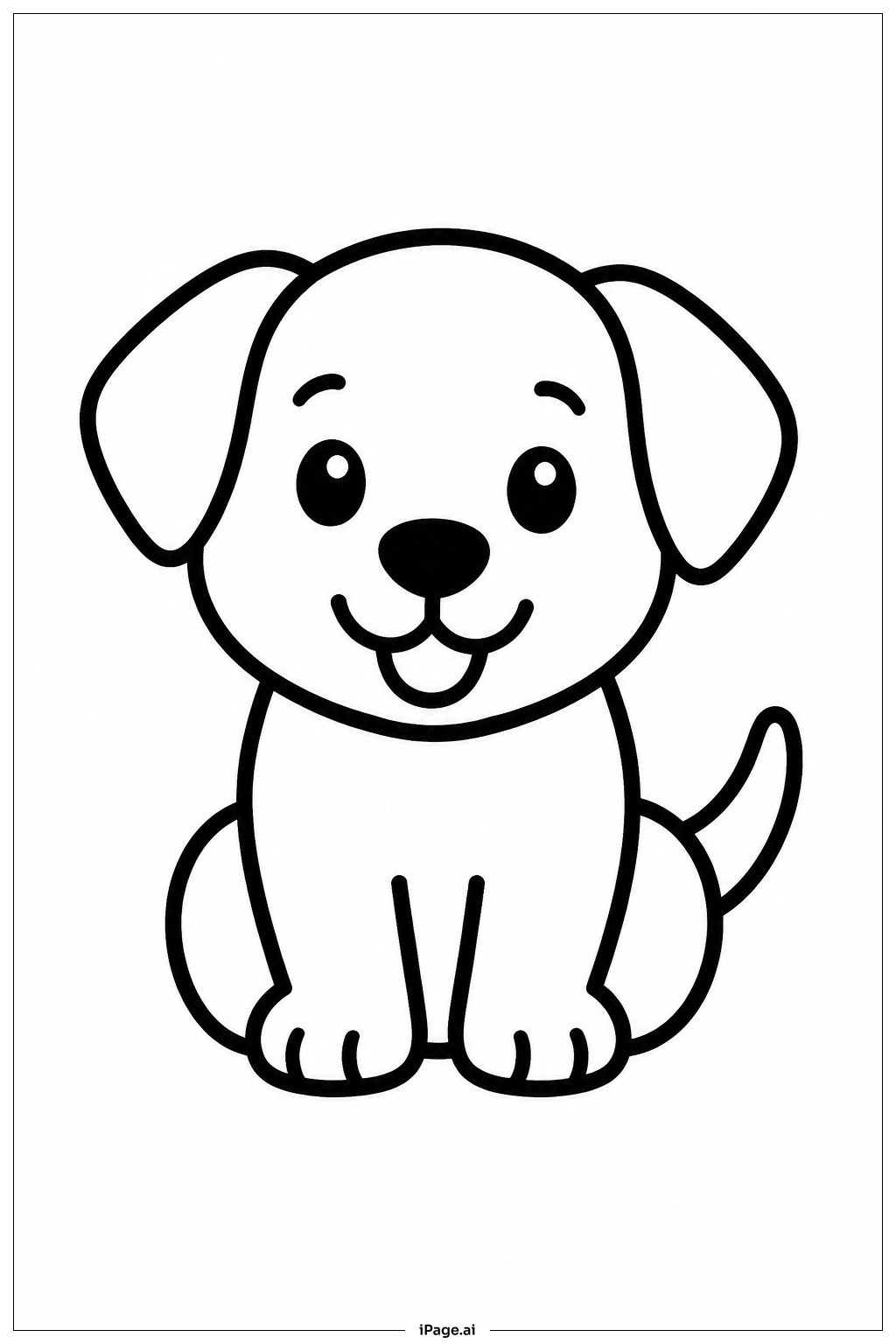
Coloring tips: How to color Cute Animal Smiling Puppy coloring page well?
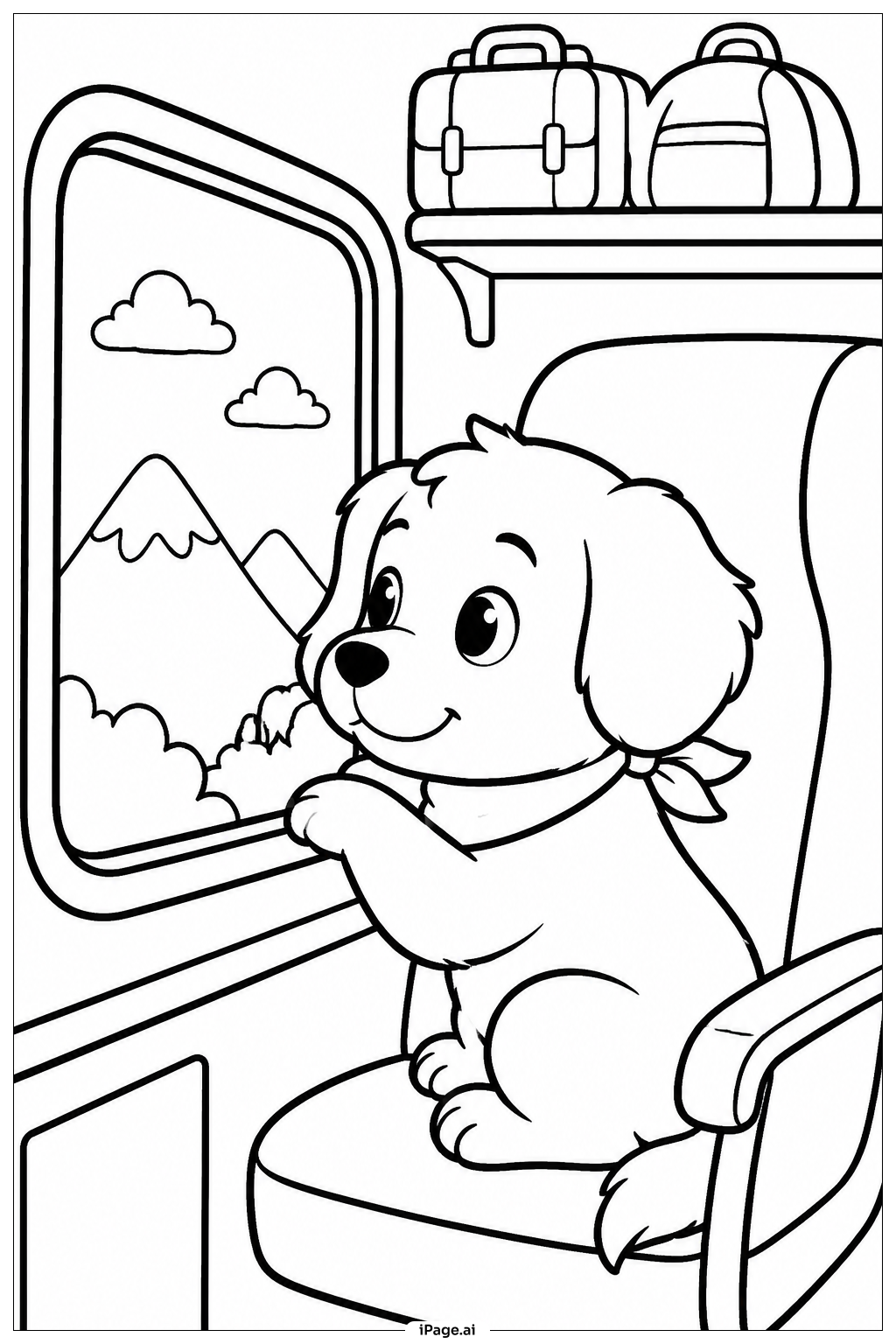
Start with the puppy's fur. Golden yellow, warm brown, or soft cream are great choices for a classic puppy look. You can also try spotted patterns by mixing white with tan or black patches. Use a lighter shade on the belly and inner ears to add a soft, fluffy feel. Color the eyes with dark brown or black, and add a tiny white dot to make them look shiny and alive. The nose can be dark brown or black. For the tongue, use a light pink. Add rosy pink to the cheeks for a cute, blushing look. Use gentle, short strokes to mimic the feel of real fur. If you want a magical puppy, try pastel purple, sky blue, or even rainbow colors. There are no rules — let your imagination run free and make this puppy truly your own!
Coloring challenges: Which parts are difficult to color and need attention for Cute Animal Smiling Puppy coloring page?
• Fur Texture Details: The puppy's fur is made up of many small, overlapping lines. Staying consistent with stroke direction and pressure while coloring each section takes patience. Rushing through this area can make the fur look flat instead of soft and fluffy.
• Facial Expression Accuracy: The puppy's smile, eyes, and nose are close together on a small round face. Coloring these features neatly without accidentally blending them together requires careful control, especially when using markers or thick crayons.
• Light and Shadow Blending: To make the puppy look three-dimensional and realistic, lighter tones should be used on raised areas like the top of the head and the tips of the ears, while darker shades go in the deeper curves. Achieving smooth gradients can be tricky for younger colorists who are still learning shading techniques.
• Small Detail Areas: The tiny paws, the outline of the ears, and the curled tail are small and detailed. Keeping colors inside these narrow boundaries without smudging requires a fine-tipped tool or sharpened pencil, which can be challenging for children with smaller hands or less fine motor control.
• Color Consistency Across the Body: Keeping the same fur color tone across all parts of the puppy — the head, body, legs, and tail — without visible uneven patches is one of the harder tasks. This requires planning ahead and using the same coloring tool and pressure throughout the whole image.
Benefits of coloring books: Advantages of drawing Cute Animal Smiling Puppy coloring page
Coloring this smiling puppy page brings a wide range of wonderful benefits for children and beginners alike. First, it helps build fine motor skills. Carefully staying within the puppy's lines strengthens hand muscles and improves pencil control, skills that support handwriting and everyday tasks. Second, it encourages creativity. Choosing fur colors, deciding on eye shades, and adding personal touches like blush or patterns helps kids express themselves freely and build confidence in their artistic choices. Third, it promotes focus and patience. Working through each section of the puppy — from the face to the paws — teaches children to slow down, concentrate, and complete a task step by step. Fourth, it supports emotional well-being. The puppy's big smile and joyful expression create a warm, positive atmosphere. Coloring a happy image can lift moods, reduce stress, and bring a sense of calm after a busy day. Finally, completing the page gives a real sense of accomplishment. Seeing a finished, colorful puppy that you created yourself builds self-esteem and motivates kids to keep creating. It is a simple, screen-free activity with lasting benefits.