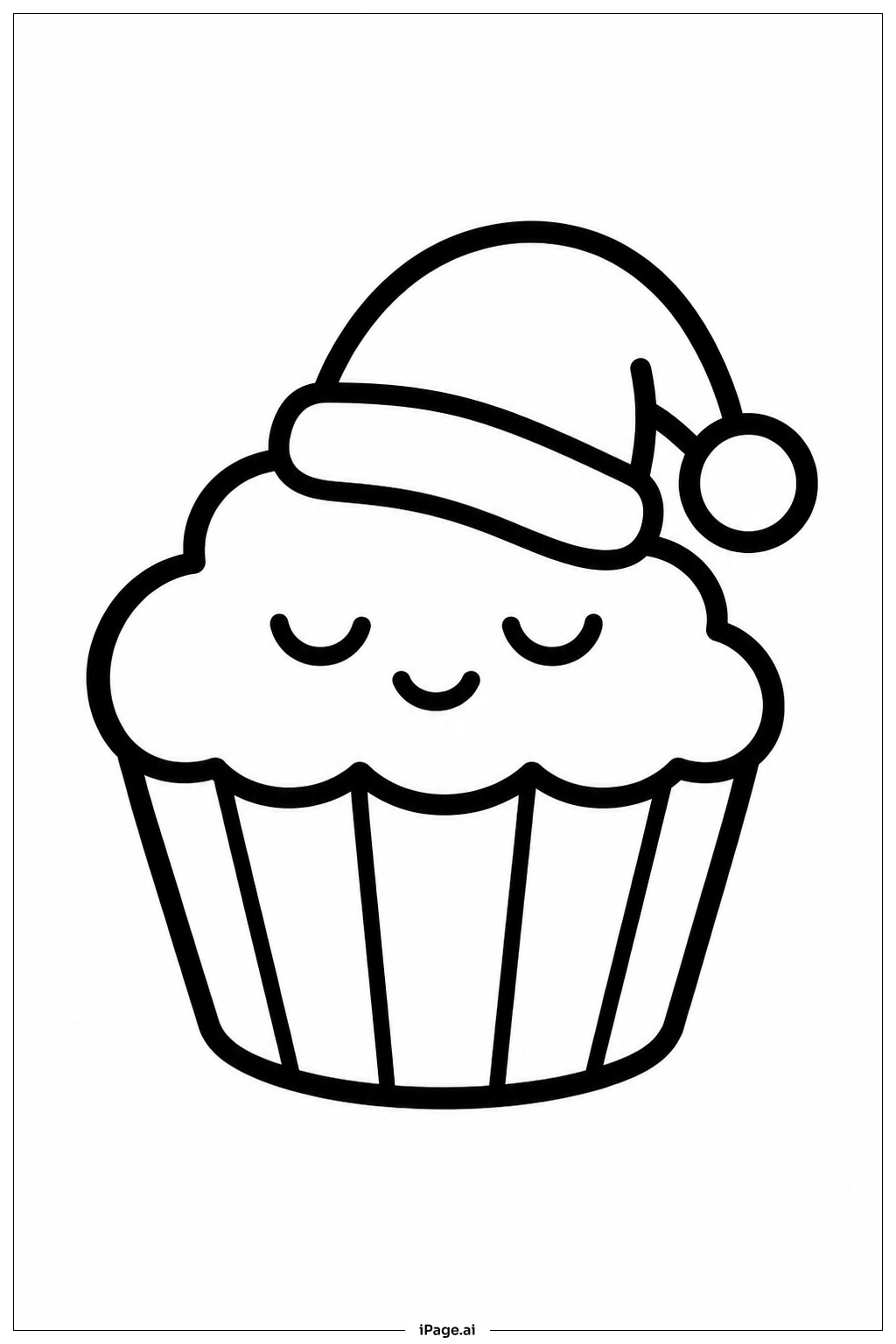
Coloring tips: How to color Sleeping Cupcake coloring page well?
Start with the cupcake wrapper at the bottom. Use warm colors like yellow, peach, or light brown for the ridged paper cup. For the frosting on top, try pastel shades like lavender, baby pink, mint green, or sky blue to keep it soft and dreamy. Add a slightly darker shade of the same color along the edges of the frosting to give it a rounded, fluffy look. Color the face details gently — use a soft peachy tone for the skin and light pink for the cheeks. The small "Z" symbols and stars floating around the cupcake can be colored in gold, yellow, or light purple. If there is a sleeping cap or pillow, use cool colors like pale blue or lilac to match the sleepy theme. Keep the overall palette light and gentle to capture the peaceful, bedtime feeling of this adorable sleeping treat.
Coloring challenges: Which parts are difficult to color and need attention for Sleeping Cupcake coloring page?
• Frosting Swirl Shading: The tall swirl of frosting on top of the cupcake has a curved, dome-like shape. Adding dimension to it can be tricky. You need to apply a lighter color in the center and a slightly darker shade along the outer edges and curves. Blending these two tones smoothly takes patience and a steady hand, especially for younger colorists.
• Tiny Facial Features: The sleeping face has very small details — curved closed eyes and a tiny smile. These features sit close together in a limited space. Coloring them neatly without going outside the lines requires a sharp pencil or a fine-tipped marker. It is easy to accidentally smudge or overlap the lines in this area.
• Ridged Paper Wrapper: The cupcake wrapper at the bottom has many narrow vertical folds and sections. Each fold creates a small, thin strip. Filling each strip individually with consistent color while keeping clean edges is time-consuming and demands careful control of your coloring tool.
• Floating Stars and Z Symbols: The small decorative elements drifting around the cupcake — like stars and "Z" letters — are tiny and detailed. Coloring them with different shades without muddying the background requires precision. Leaving some of them outlined rather than filled can also be a stylistic choice that adds visual contrast.
• Overall Color Harmony: Choosing colors that work well together across the whole image can be challenging. The wrapper, frosting, face, and background elements all need to feel like one cohesive, dreamy scene. Picking a limited palette of three to four soft pastel tones beforehand will help keep everything balanced and visually pleasing.
Benefits of coloring books: Advantages of drawing Sleeping Cupcake coloring page
Coloring this Sleeping Cupcake page brings a wide range of benefits for kids and beginners alike. The soft, rounded shapes of the frosting and wrapper help young colorists practice smooth, controlled strokes inside curved lines. This builds fine motor skills and steady hand coordination over time.
The peaceful sleeping theme encourages children to choose calm, gentle colors. This kind of thoughtful color selection helps develop early decision-making skills and color awareness. Kids learn how different shades can create a mood — in this case, a cozy, dreamy feeling.
Working on the small details, like the tiny face and the floating stars, trains focus and patience. These are important skills both in and outside the classroom. Completing a detailed image also gives children a real sense of accomplishment.
For older kids, this page offers a fun creative challenge — experimenting with pastel blending on the frosting swirl or trying gradient effects. It encourages artistic thinking without being too complex.
Overall, this cheerful and imaginative coloring page makes the activity enjoyable and relaxing. It is a simple, screen-free way to spark creativity, build confidence, and unwind at the end of the day.