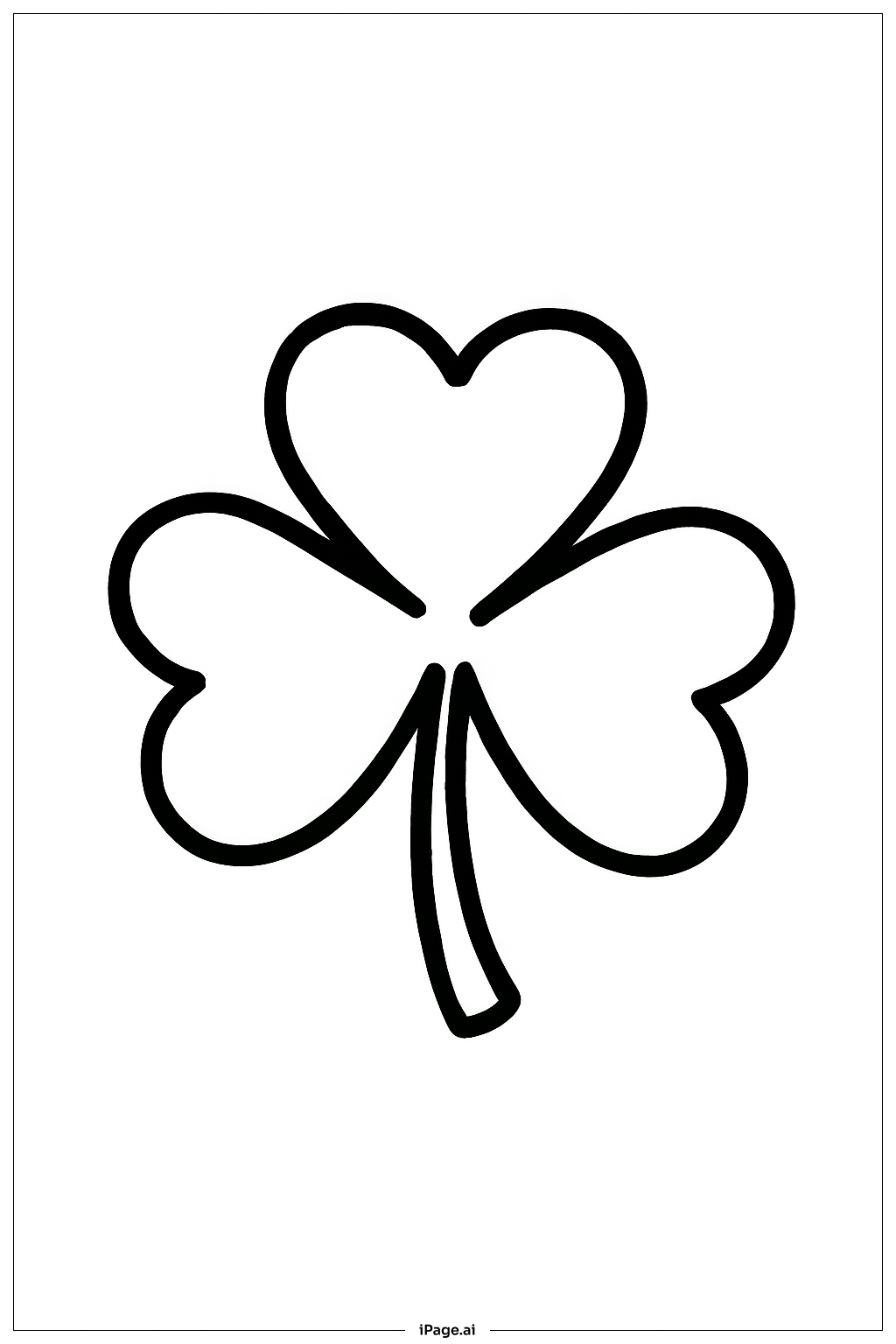
Coloring tips: How to color Tiny Clover Cluster coloring page well?
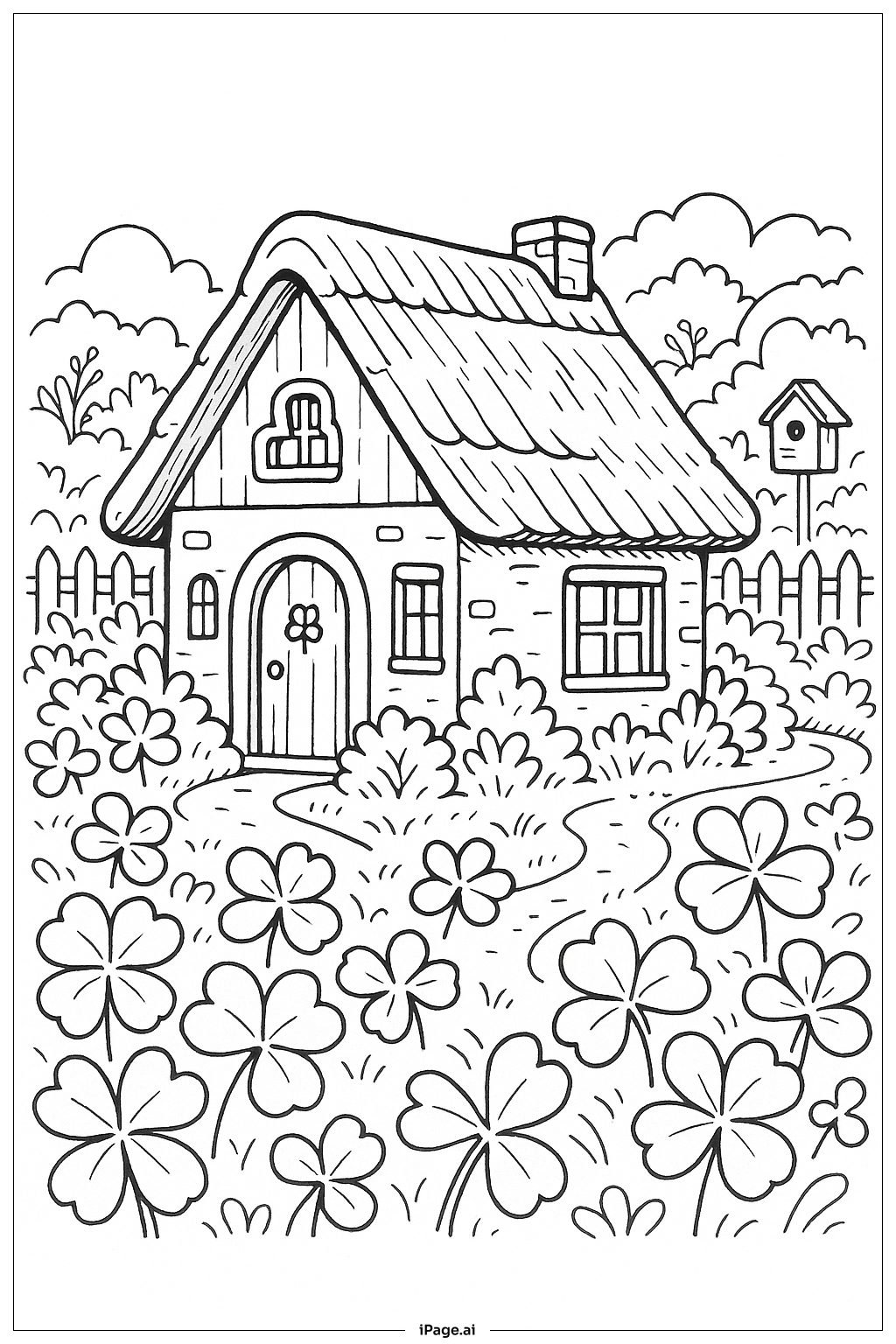
Start with the leaves using different shades of green. Try bright grass green for the larger leaves and a softer mint or sage green for the smaller ones. This creates a natural, layered look. Use a lighter green or yellow-green to add a highlight to the center of each leaflet, giving them a fresh, sunlit glow. For the stems, a medium olive or dark green works well. You can add a tiny pop of color by making one or two leaves a lucky four-leaf clover in a slightly different hue, like teal or deep emerald. If you want the cluster to feel grounded, lightly shade the base of the stems with a soft brown or warm tan. Keep your strokes gentle and follow the curve of each leaf for a smooth, polished finish. Younger colorists can keep it simple with one or two greens, while older kids can explore blending and shading to make the cluster look three-dimensional and full of life.
Coloring challenges: Which parts are difficult to color and need attention for Tiny Clover Cluster coloring page?
• Small Leaf Shapes: Each clover leaflet is tiny and rounded, which makes it tricky to stay inside the lines. Young colorists may find it hard to control their pencils or markers in such a small space. Using a fine-tipped coloring tool can help keep the color neat and contained within each leaflet.\n\n• Overlapping Leaves and Stems: In a cluster, many leaves and stems cross over each other. It can be confusing to tell which leaf belongs to which stem. Take your time to follow each stem from its base to its leaves before coloring, so you can keep different parts looking distinct and easy to read.\n\n• Creating Depth and Variation: Because all the leaves are a similar shape, the image can look flat if you use only one shade of green. The challenge is to use at least two or three different greens to show which leaves are in front and which are further back. Darker shades near the base and lighter shades toward the tips help create a sense of depth.\n\n• Consistent Color Balance: With so many small leaves packed together, keeping the colors balanced across the whole cluster takes focus. If one area gets too dark or too bright, the cluster can look uneven. Step back occasionally and look at the whole page to make sure the colors feel harmonious and natural throughout the composition.
Benefits of coloring books: Advantages of drawing Tiny Clover Cluster coloring page
Coloring this Tiny Clover Cluster page offers a wonderful mix of fun and learning for kids of all ages. Working with small, detailed shapes helps children develop fine motor skills and hand-eye coordination. Carefully guiding a pencil or marker around each tiny leaflet trains the muscles needed for writing and drawing. Choosing different shades of green encourages color awareness and creative thinking. Kids learn that nature is full of subtle color variations, not just one flat tone. The repetitive, gentle motion of coloring leaf after leaf has a calming effect, helping children relax and focus. It is a great activity for winding down after a busy day. Older children can challenge themselves with blending and shading, building patience and attention to detail. For younger kids, simply finishing the page builds confidence and a sense of accomplishment. The clover theme also sparks curiosity about nature, plants, and the outdoors, making this a quietly educational experience. Overall, this page is a peaceful, creative exercise that nurtures both artistic skills and a love of the natural world.