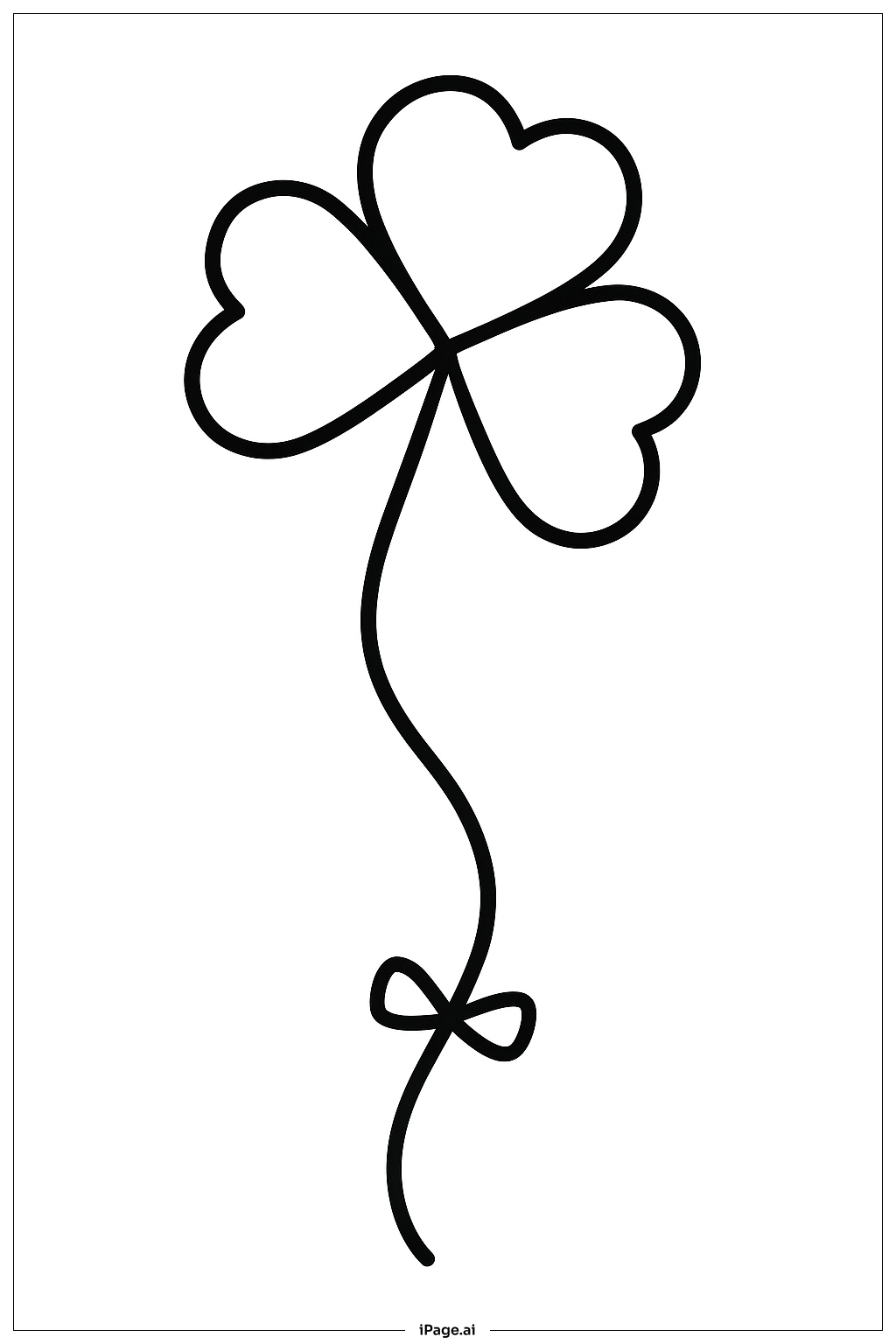
Coloring tips: How to color Clover Kite coloring page well?
Start by coloring the clover patterns in various shades of green - try light spring green, emerald, or even lime for variety. The kite's main body can be bright and cheerful colors like yellow, orange, pink, or sky blue. Consider using a rainbow pattern if you want something extra special. Color the kite's smiling face with warm tones - peach or light yellow for the face, and red or pink for the happy smile. The trailing ribbons offer a wonderful opportunity for creativity - alternate colors like purple, red, and blue, or create a gradient effect. Use light blue and white for the clouds to create a soft, airy sky. Add gentle blue or lavender tones to the background sky for depth. Don't forget to color the bows on the ribbons with complementary colors to make them pop.
Coloring challenges: Which parts are difficult to color and need attention for Clover Kite coloring page?
• Clover Leaf Details: Each four-leaf clover contains four heart-shaped leaves that require precision and care. Young colorists may find it challenging to stay within the small curved boundaries of each leaf. Using fine-tipped markers or sharpened colored pencils will help achieve clean edges. Take time to color each leaf separately, and consider using slightly different green shades to create dimension and make each leaf stand out from its neighbors.
• Ribbon Flow and Dimension: The flowing ribbons present a challenge in creating realistic movement and depth. To make the ribbons appear three-dimensional and flowing naturally in the wind, children should consider using lighter and darker shades of their chosen colors. The twisted sections of ribbon need careful attention to show which side is facing up or down. This requires understanding light sources and applying highlights on raised sections while adding shadows to recessed areas.
• Multiple Pattern Elements: The image contains repeating clover motifs scattered across different areas of the kite and ribbons. Maintaining color consistency across all these elements while keeping the work interesting requires planning. Decide on a color scheme before starting and consider whether all clovers should match or if variety would enhance the design. Keeping track of which areas have been colored and maintaining neat, even coverage throughout requires patience and focus.
• Background and Foreground Balance: Creating proper contrast between the main kite, the decorative elements, the clouds, and the sky background can be tricky. If colors are too similar, the image may appear flat and elements may blend together. Children need to choose colors that allow the kite to stand out prominently while keeping the background soft and supportive of the main subject.
Benefits of coloring books: Advantages of drawing Clover Kite coloring page
Coloring this Clover Kite page offers wonderful developmental benefits for children. The intricate clover patterns help develop fine motor skills and hand-eye coordination as young artists carefully navigate the small, curved shapes. This activity enhances focus and concentration, as completing all the detailed elements requires sustained attention. The repetitive nature of coloring multiple clovers can be meditative and calming, helping reduce stress and anxiety. Children learn about color relationships and combinations while deciding how to coordinate the kite, clovers, ribbons, and background. The flowing ribbons provide an opportunity to understand concepts of movement and dimension. This cheerful spring-themed image encourages positive emotions and creativity, allowing children to express themselves through their color choices. Completing this detailed coloring page builds confidence and provides a sense of accomplishment, especially when young artists see their finished, colorful kite ready to display proudly.