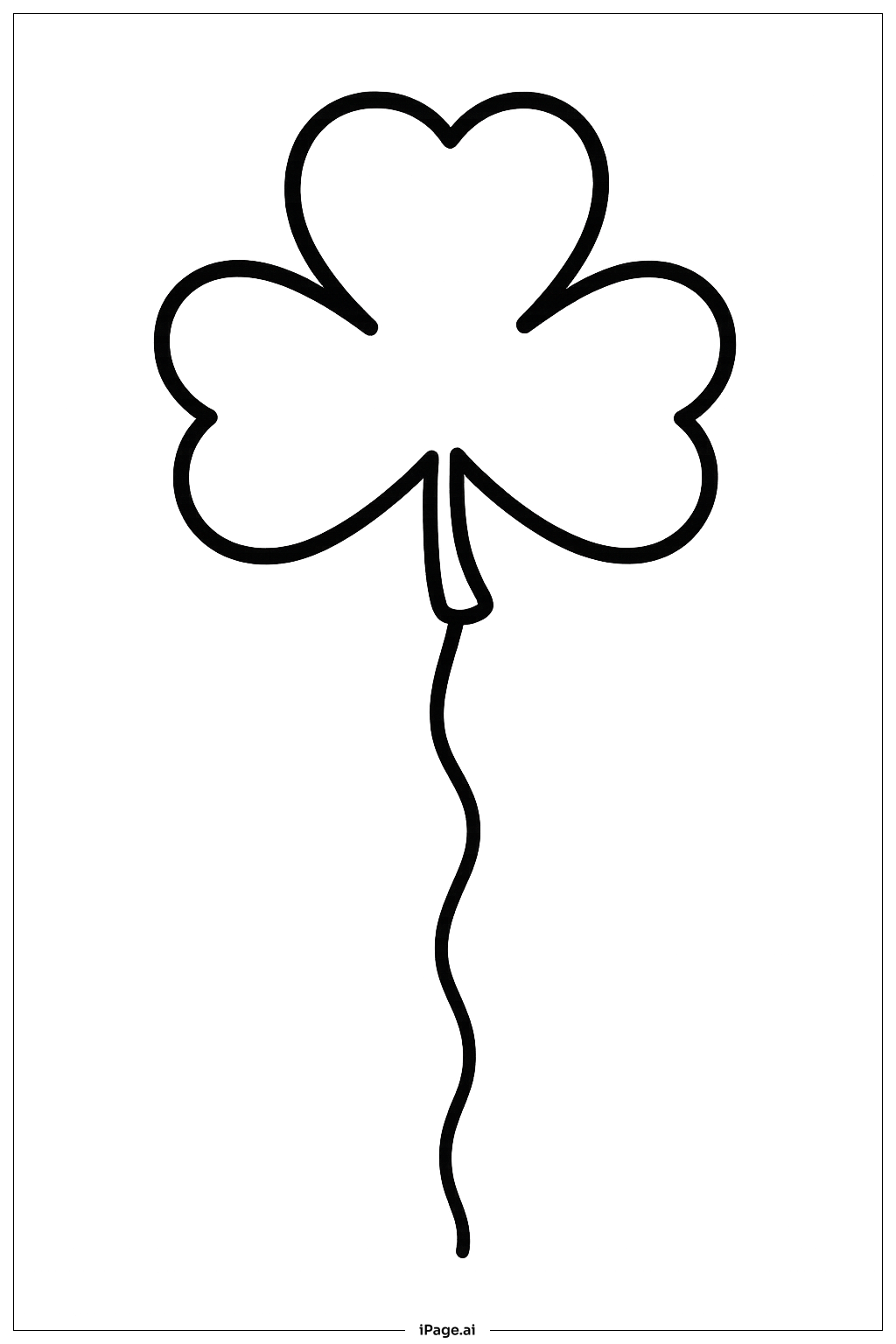
Coloring tips: How to color Clover Balloon coloring page well?
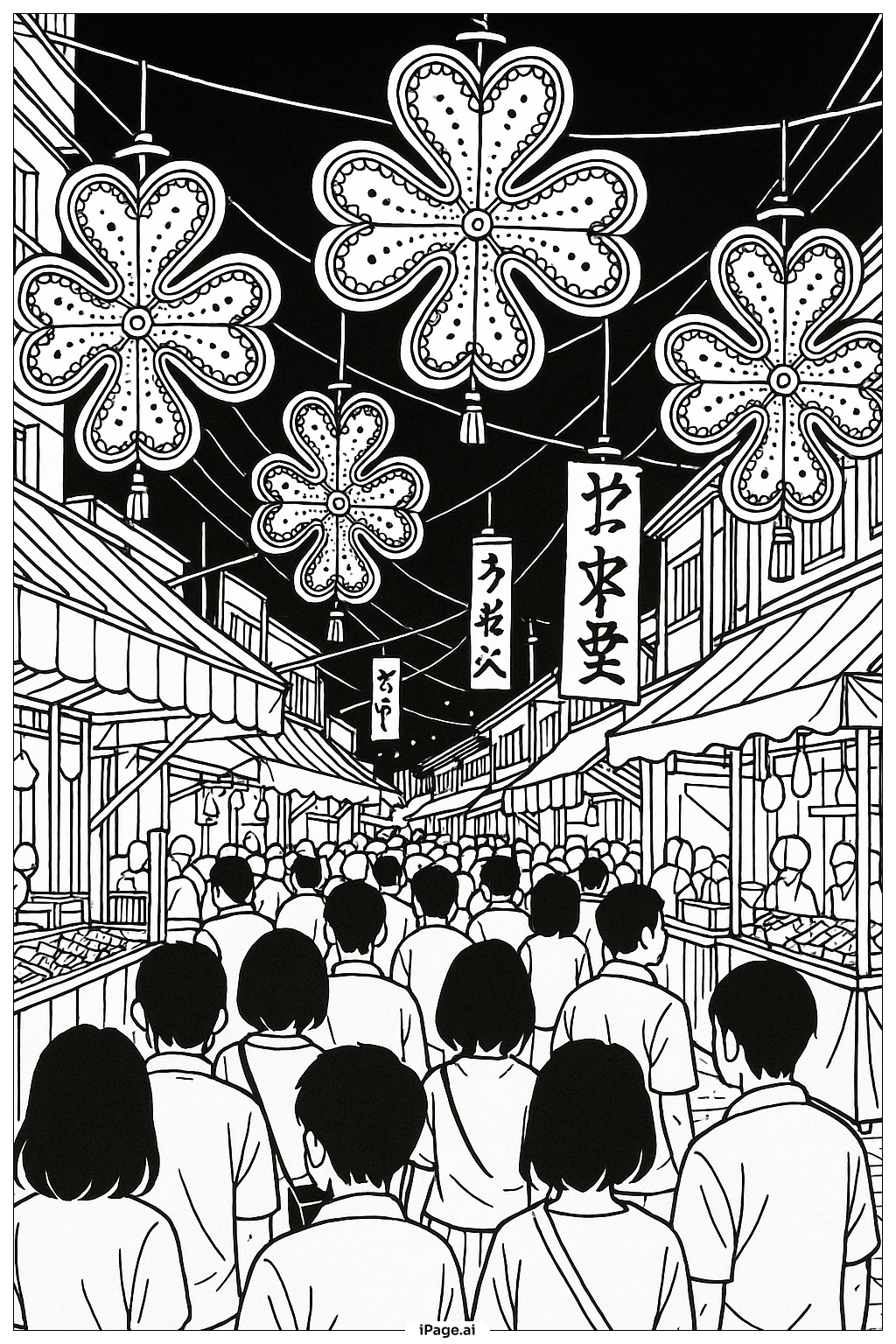
For this cheerful clover balloon, start with the traditional green shades for the clover leaves. Try using light green for the base and darker green for shading along the edges to create depth. You could also experiment with non-traditional colors like pink, purple, or blue for a more festive balloon look. Color each leaf in slightly different green tones to add variety, or use a gradient effect from light to dark within each heart-shaped petal. The ribbon or string can be colored in bright red, yellow, or orange to create contrast against the clover. Consider adding small white highlights near the center of each leaf to give the balloon a shiny, reflective appearance. For a magical touch, use glitter pens or metallic markers on the outline. The background can remain white or be filled with soft pastel colors to make the balloon stand out beautifully.
Coloring challenges: Which parts are difficult to color and need attention for Clover Balloon coloring page?
• Heart-Shaped Leaf Symmetry: Each of the four leaves has a rounded, heart-like shape that requires careful attention to maintain visual balance. Staying within the curved lines while keeping colors even can be challenging, especially at the pointed tips and rounded bottoms where precision matters most. Young colorists may find it tricky to color smoothly around these curves without crossing lines or leaving white gaps.
• Shading and Dimension: Creating a three-dimensional balloon effect requires understanding where light hits the surface. Applying lighter colors toward the center of each leaf and gradually darkening toward the edges demands blending skills and color control. Without proper shading techniques, the clover may appear flat rather than rounded and balloon-like, which can frustrate those seeking a realistic appearance.
• String and Bow Details: The thin ribbon extending from the clover base contains delicate lines and small knot features that require fine motor control. Coloring these narrow sections without bleeding into surrounding areas tests precision, particularly for younger children still developing hand steadiness. The small scale of these details makes them easy to overlook or accidentally color outside the lines.
• Color Consistency Across Leaves: Maintaining uniform color intensity and technique across all four leaves presents a challenge, especially when using markers or crayons that may fade or apply unevenly. Each leaf should ideally match the others in tone and saturation to preserve the symmetrical design, requiring patience and consistent pressure throughout the coloring process.
Benefits of coloring books: Advantages of drawing Clover Balloon coloring page
Coloring this clover balloon helps children develop fine motor skills through careful navigation of curved lines and small details. The symmetrical design encourages visual planning and pattern recognition as young artists work to create balanced colors across all four leaves. This activity strengthens hand-eye coordination, especially when coloring the delicate string and bow elements that require steady control. The cheerful subject matter promotes positive emotions and creativity, allowing kids to experiment with traditional or imaginative color combinations. Working with the heart-shaped petals teaches patience and attention to detail, skills that transfer to writing and other academic tasks. The simple yet engaging design builds confidence as children successfully complete each section, experiencing the satisfaction of bringing this lucky symbol to life. Coloring also provides a calming, focused activity that helps reduce stress and improve concentration, making it both enjoyable and beneficial for emotional well-being.