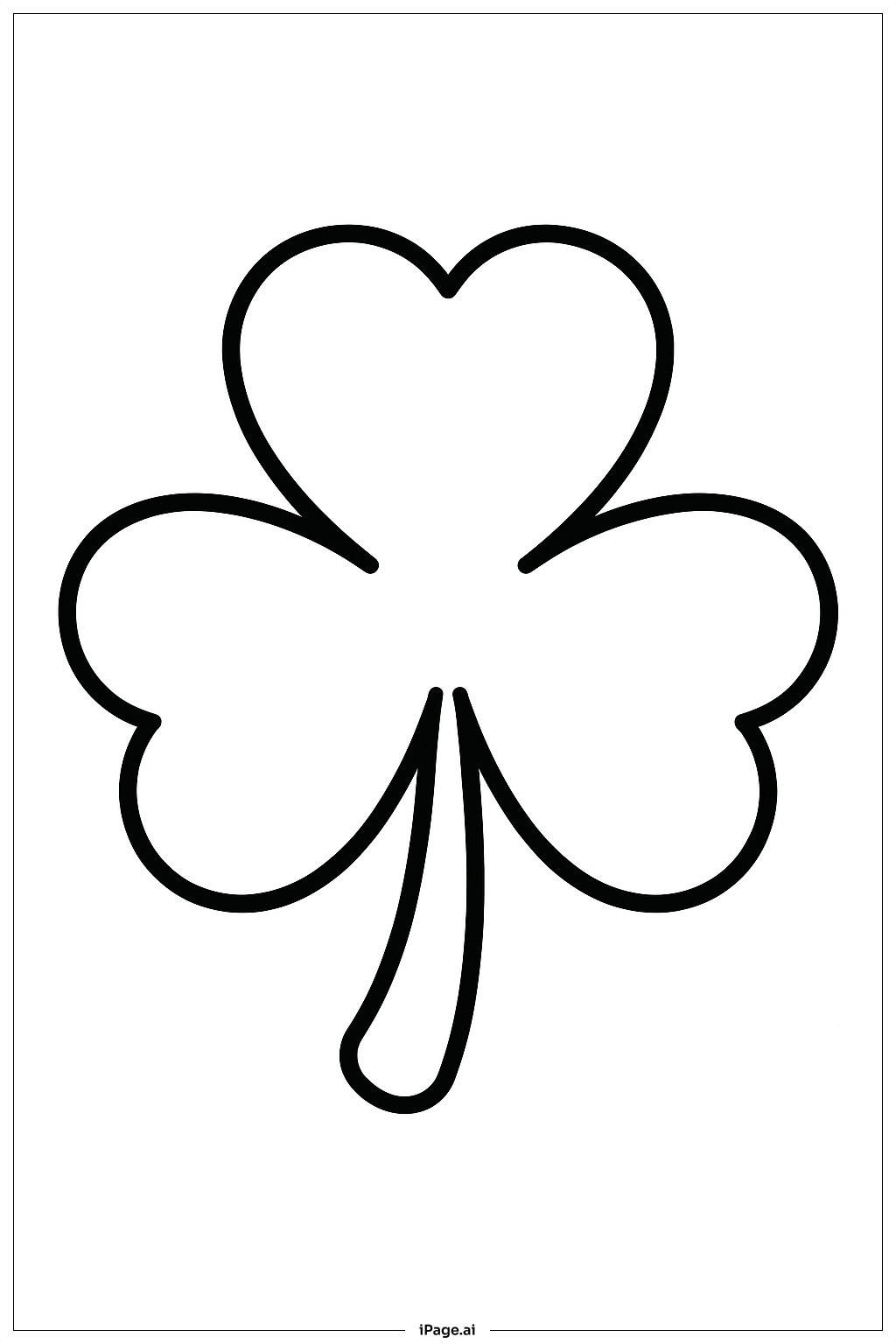
Coloring tips: How to color Clover Ball coloring page well?
Start with the clover leaves using various shades of green to create depth and dimension. Try light spring green for leaves facing the light, medium emerald green for mid-tones, and darker forest green for shadowed areas. This variation will make the ball appear rounded and realistic. Consider adding tiny hints of yellow-green to some leaf tips for a sun-kissed effect. The stems can be colored in lighter green or even pale brown tones for contrast. For a magical touch, you might add a lucky four-leaf clover somewhere in the design using a slightly different shade. White or cream colored pencils can highlight the leaf edges and veins, making details pop. If you prefer a more imaginative approach, experiment with rainbow colors, giving each clover a different hue for a fantastical appearance.
Coloring challenges: Which parts are difficult to color and need attention for Clover Ball coloring page?
• Repetitive Leaf Pattern: The numerous clover leaves covering the entire ball can feel overwhelming and repetitive. Maintaining interest and varying your color choices throughout so many similar shapes requires patience and planning. It is easy to fall into a monotonous coloring rhythm, which might make the project feel tedious for younger children or beginners.
• Creating Dimensional Depth: Making a flat circular design appear as a three-dimensional sphere presents a significant challenge. You need to understand light sources and shading techniques to darken areas that curve away from the light and brighten areas facing forward. Without proper shading, the ball may look flat and lifeless rather than rounded and realistic.
• Intricate Leaf Details: Each clover contains fine details like veins, stems, and the natural curves of the three lobes. Coloring these small spaces precisely without going outside the lines requires good fine motor control and concentration. The overlapping leaves create even tinier sections that demand careful attention and a steady hand.
• Color Consistency and Variation Balance: Deciding how much color variation to use is tricky. Too uniform and the image looks dull; too varied and it loses cohesion. Finding the right balance between keeping a natural green palette while adding enough tonal variety to show depth and texture requires thoughtful color planning and execution throughout the entire piece.
Benefits of coloring books: Advantages of drawing Clover Ball coloring page
Coloring this Clover Ball design offers wonderful benefits for children and adults alike. The repetitive nature of the clover leaves provides excellent practice for developing fine motor skills and hand-eye coordination, especially when working within the detailed leaf shapes and small spaces. The spherical composition teaches important concepts about light, shadow, and three-dimensional forms, encouraging spatial awareness and artistic understanding. As children color each individual clover, they practice patience, focus, and attention to detail, skills that transfer to academic work and daily tasks. The natural theme connects young artists to the outdoors and botanical beauty, fostering appreciation for nature. The meditative quality of coloring many similar shapes can be calming and therapeutic, reducing stress and promoting mindfulness. Successfully completing this intricate design builds confidence and pride in one's artistic abilities, while the creative freedom in color choices encourages self-expression and imagination.



