Coloring tips: How to color Cinnamoroll Flower Picking coloring page well?
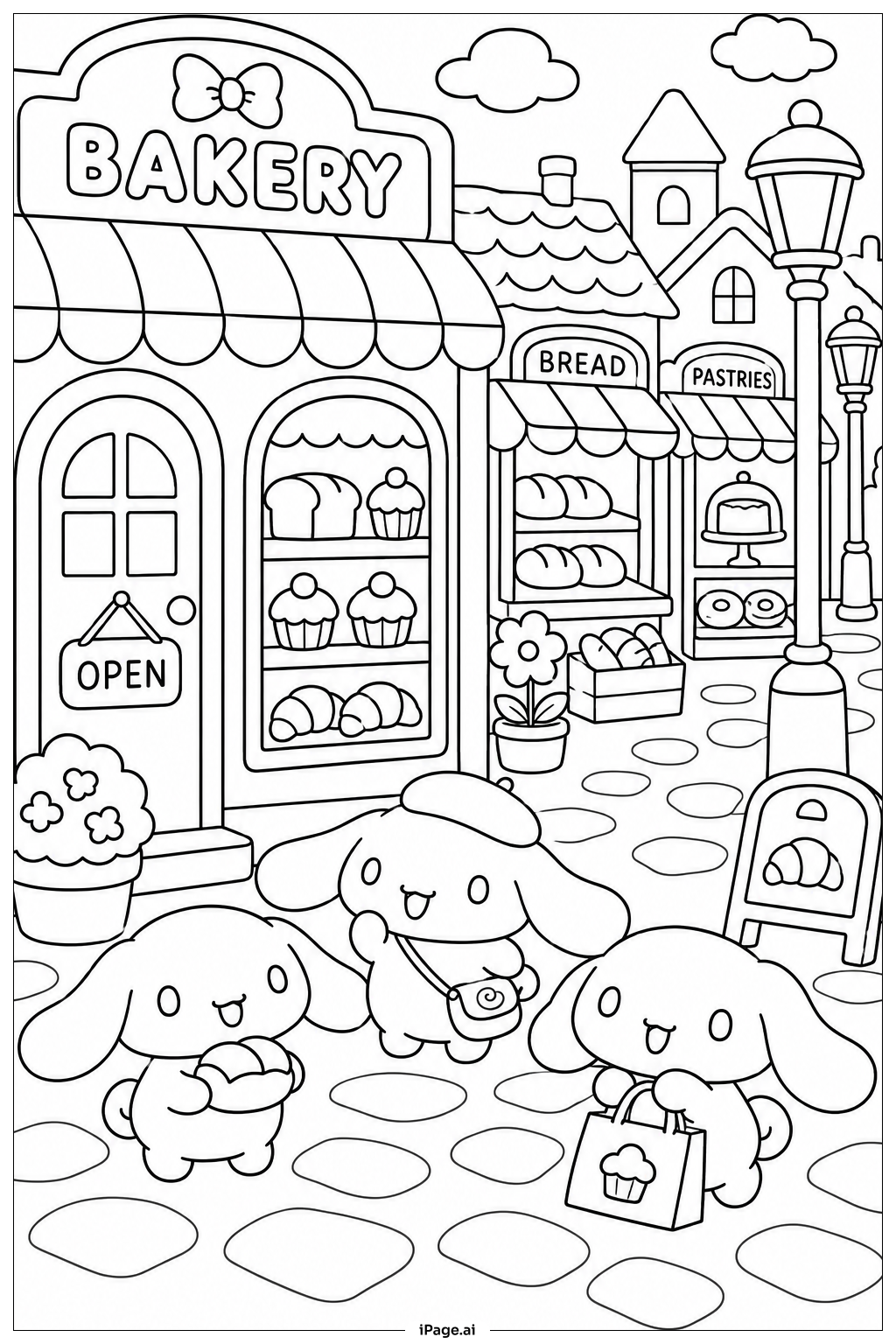
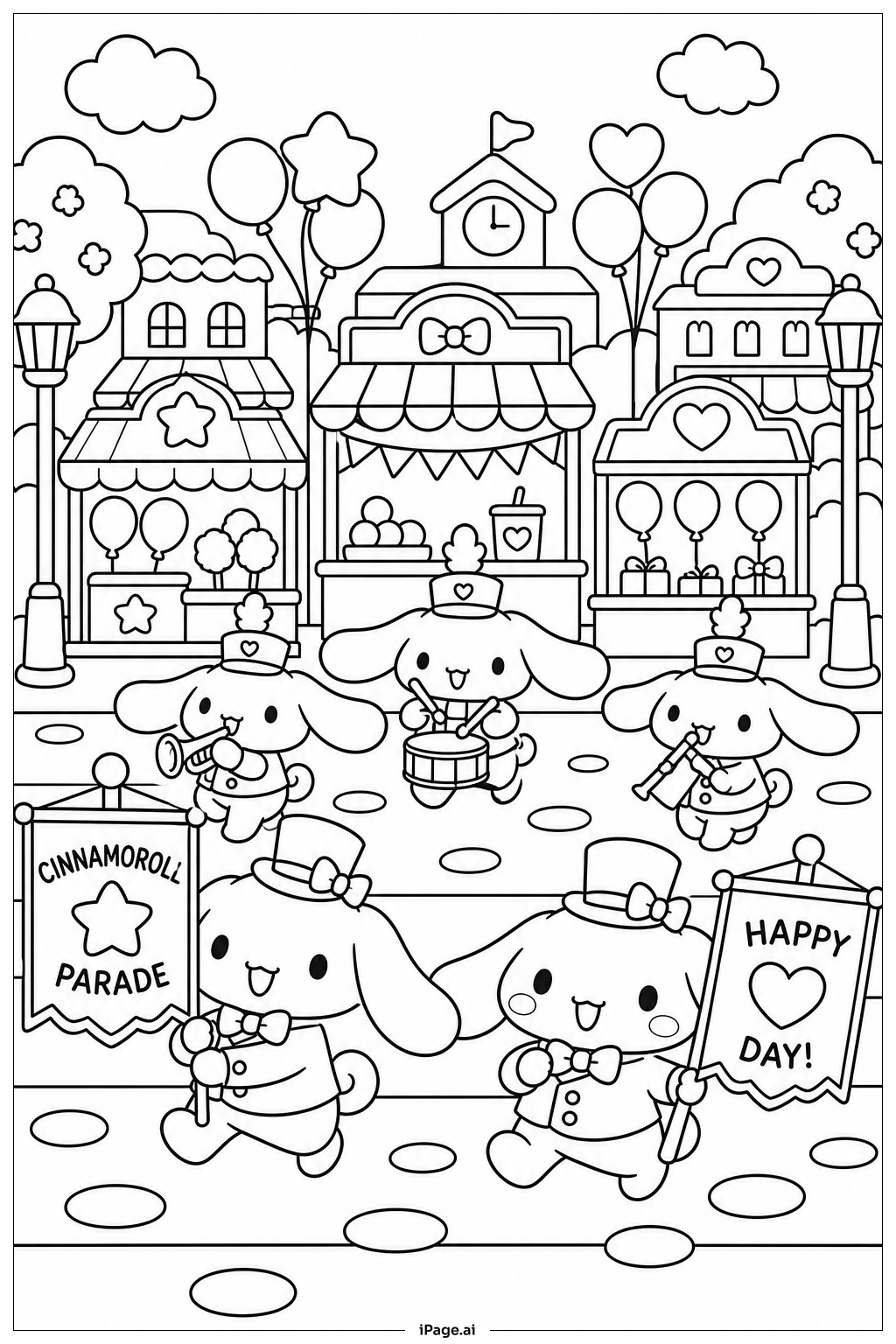
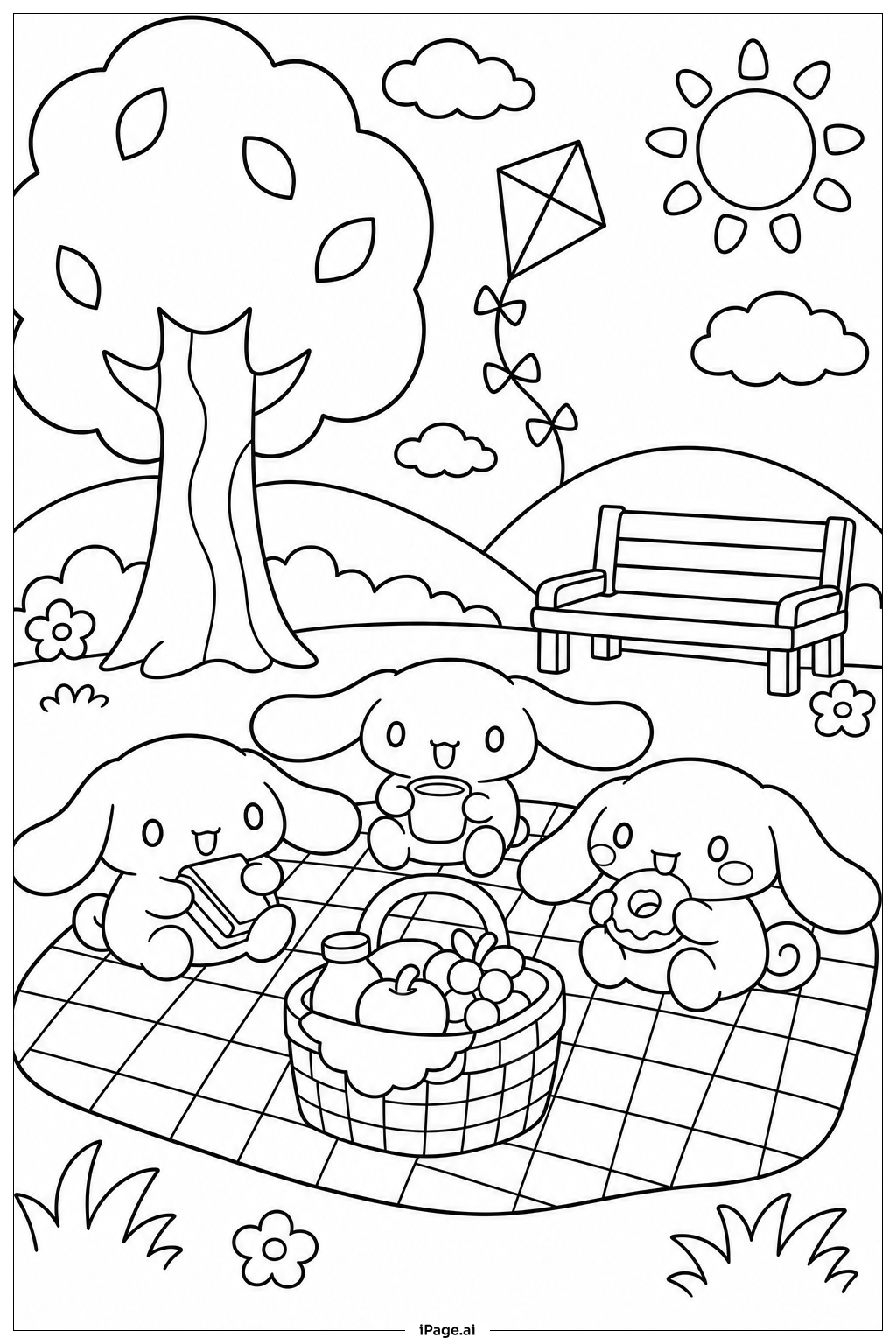
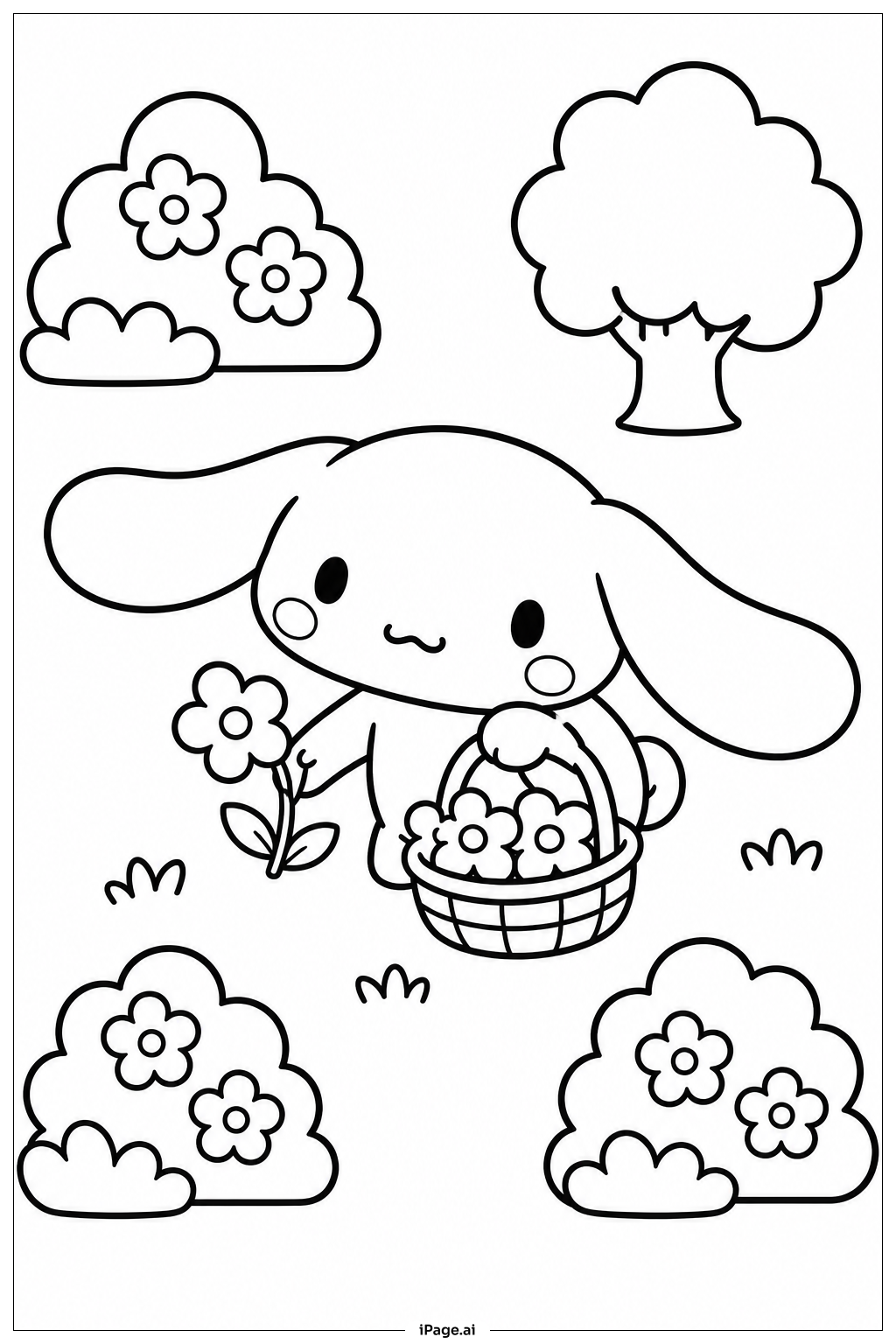
Start with Cinnamoroll's body using a soft white or very light cream color to keep his fluffy look. Use a pale sky blue for his large expressive eyes, adding a tiny white dot for a shiny highlight. His inner ears and cheeks can be colored with a delicate light pink to show his sweetness. For the flowers, go wild with cheerful colors — bright yellow for daisies, red or purple for tulips, and soft lavender for wildflowers. Use different shades of green for the leaves and grass to add depth. Color the butterflies in bright orange, yellow, or blue to make them pop. The sky can be a gentle light blue with fluffy white clouds. Try blending colors softly where shapes meet to give the whole scene a warm, dreamy springtime feel. Light colors work best to match Cinnamoroll's gentle and cute personality.
Coloring challenges: Which parts are difficult to color and need attention for Cinnamoroll Flower Picking coloring page?
• Cinnamoroll's White Fur: Keeping Cinnamoroll's body looking white and fluffy is tricky. Since white is the base color, you need to use very light shading — pale cream or soft gray — only at the edges and folds to show depth without making him look dirty or flat. Less is more here.
• Tiny Facial Features: Cinnamoroll's face has small, closely spaced features including his big round eyes, tiny nose, and rosy cheeks. Coloring these neatly without smudging one feature into another requires a fine-tipped tool and a very steady hand. Taking your time with this area makes a big difference.
• Detailed Flower Variety: The scene includes multiple types of flowers — daisies, tulips, and wildflowers — each with petals and centers that need to be colored individually. Keeping each flower distinct while making the overall bouquet look harmonious takes careful color planning before you start.
• Layered Background Elements: The background features grass, clouds, and sky all layered together. Coloring these areas without accidentally going over the lines of Cinnamoroll or the flowers requires patience and careful boundary work, especially where the character overlaps with the background scenery.
• Butterfly Wings: The butterflies near Cinnamoroll have delicate, symmetrical wings with small patterns. Coloring both wings with matching colors and even pressure so they look balanced and bright can be a challenge, particularly for younger colorists who are still building control over their tools.
Benefits of coloring books: Advantages of drawing Cinnamoroll Flower Picking coloring page
Coloring this Cinnamoroll Flower Picking page brings a wonderful mix of fun and learning for kids and creative individuals alike. Picking up colored pencils or crayons and filling in Cinnamoroll's fluffy body and the cheerful flowers helps build fine motor skills and hand-eye coordination. Choosing which colors to use for each flower encourages creative thinking and gives kids a chance to express themselves freely. The detailed elements like petals, butterfly wings, and Cinnamoroll's face help improve focus and concentration, making coloring a calm and mindful activity. Spending time with a peaceful, nature-inspired scene like this can ease stress and bring a sense of relaxation after a busy day. For younger children, naming the flowers and colors out loud while coloring also supports early language and vocabulary development. The joyful, springtime mood of this image makes the entire experience feel uplifting and positive. Whether coloring solo or with friends and family, this page creates a warm, creative space where imagination can truly bloom.