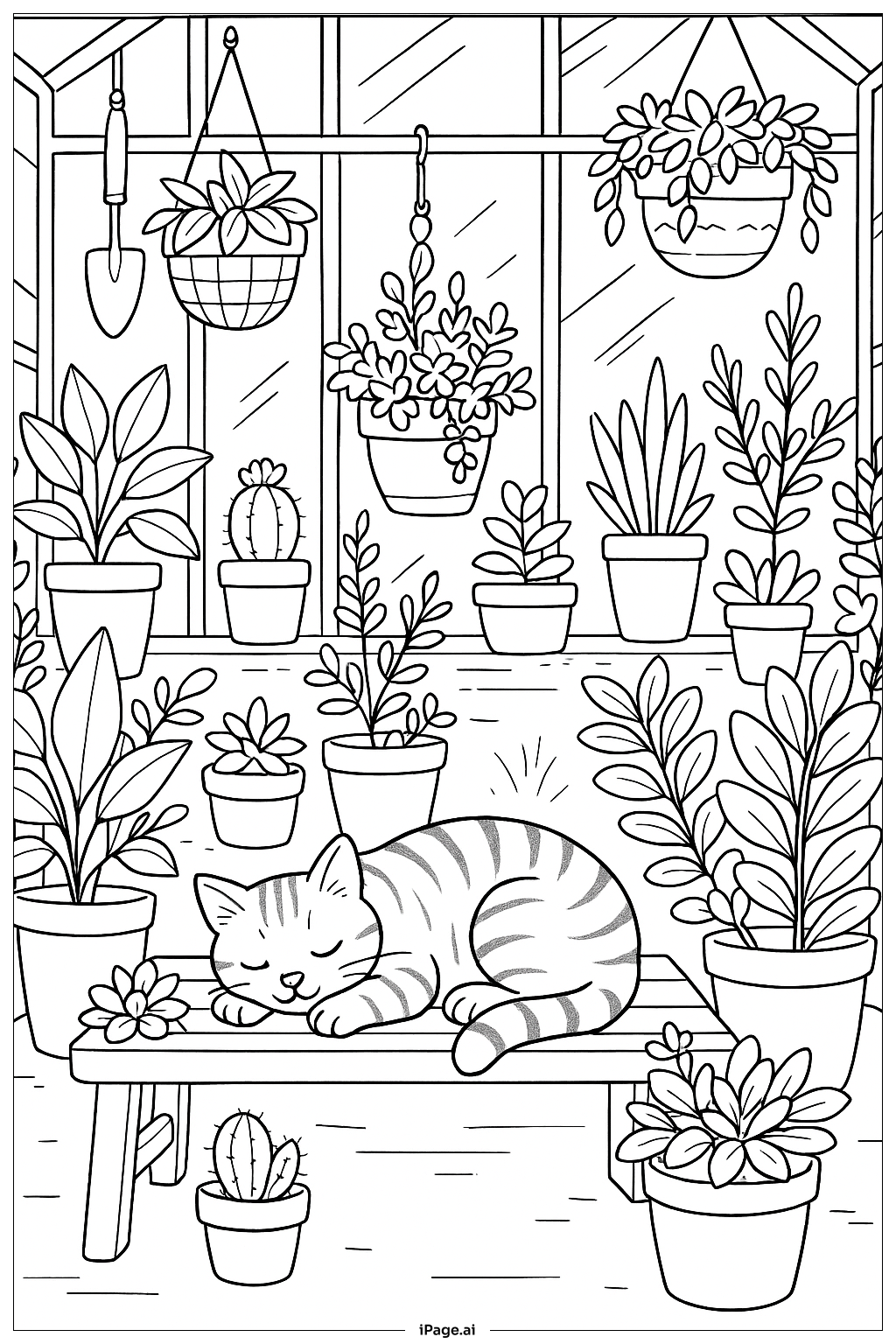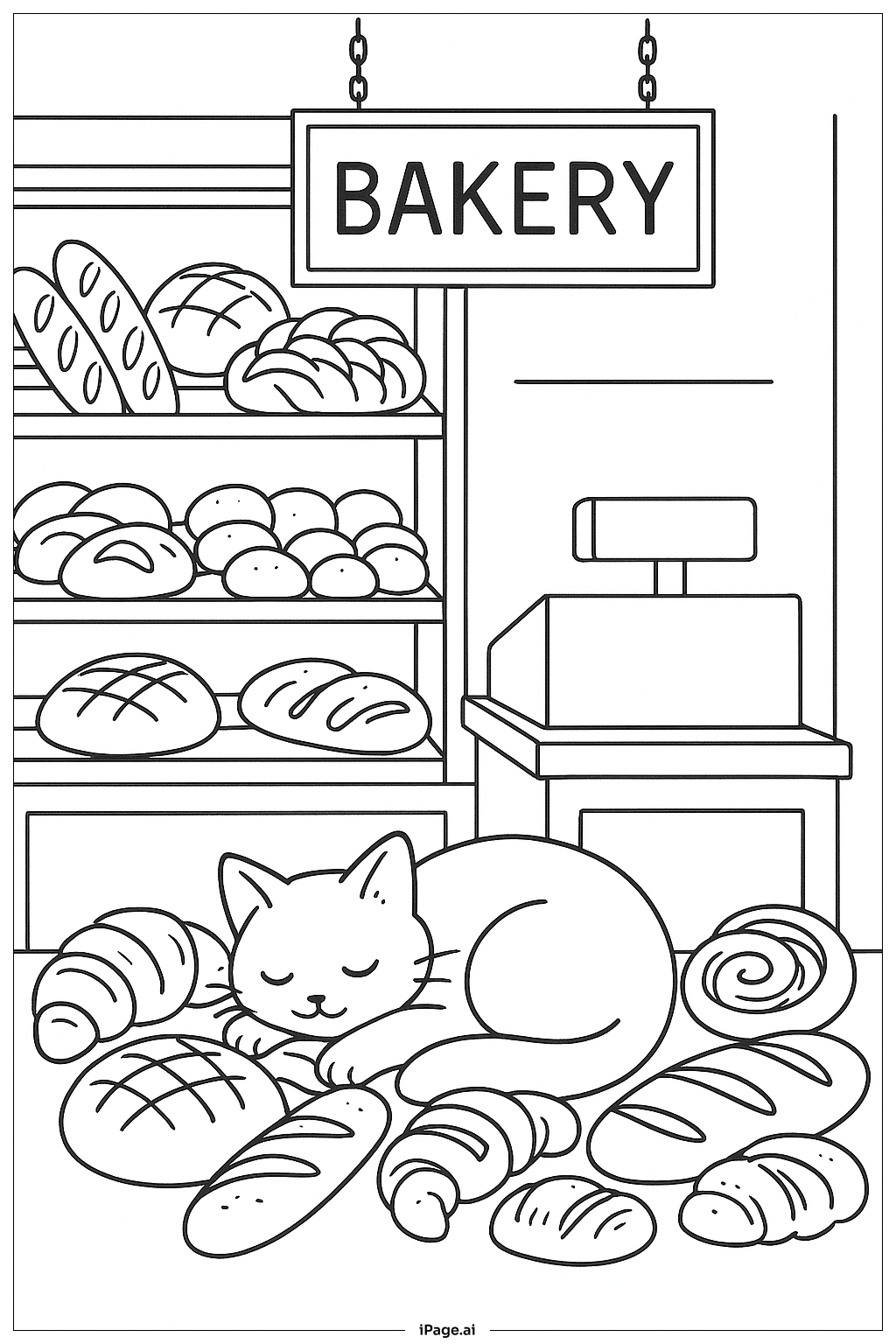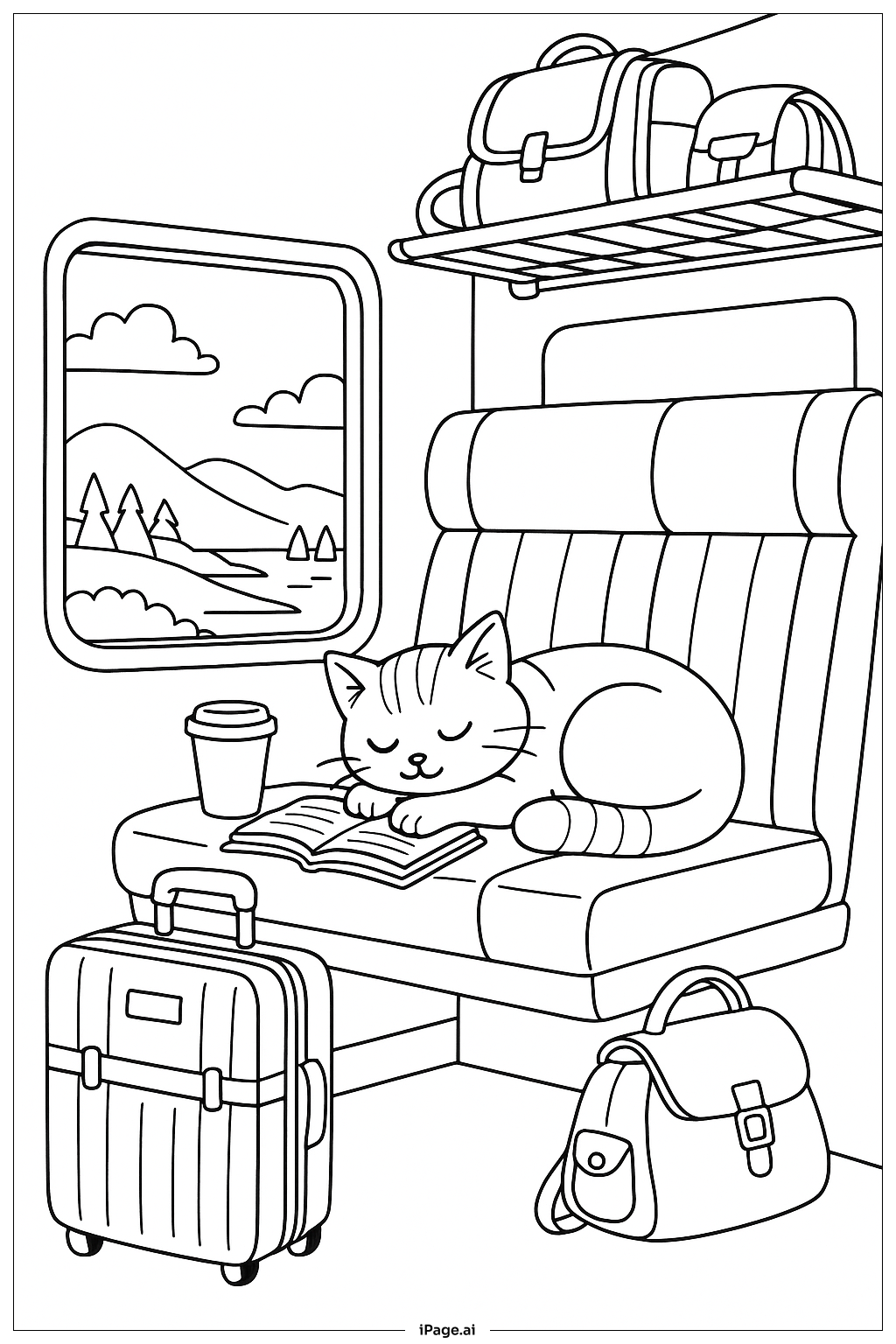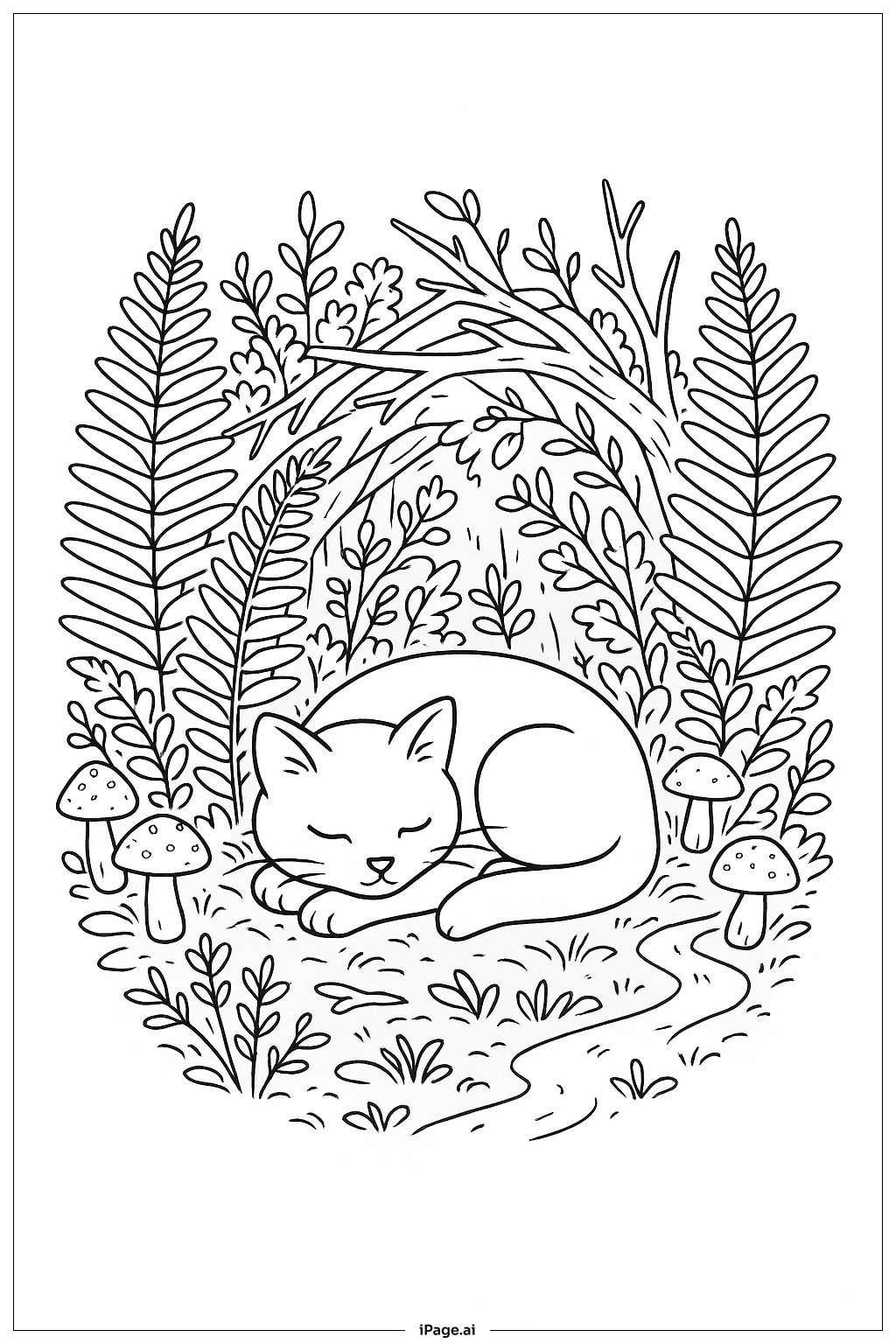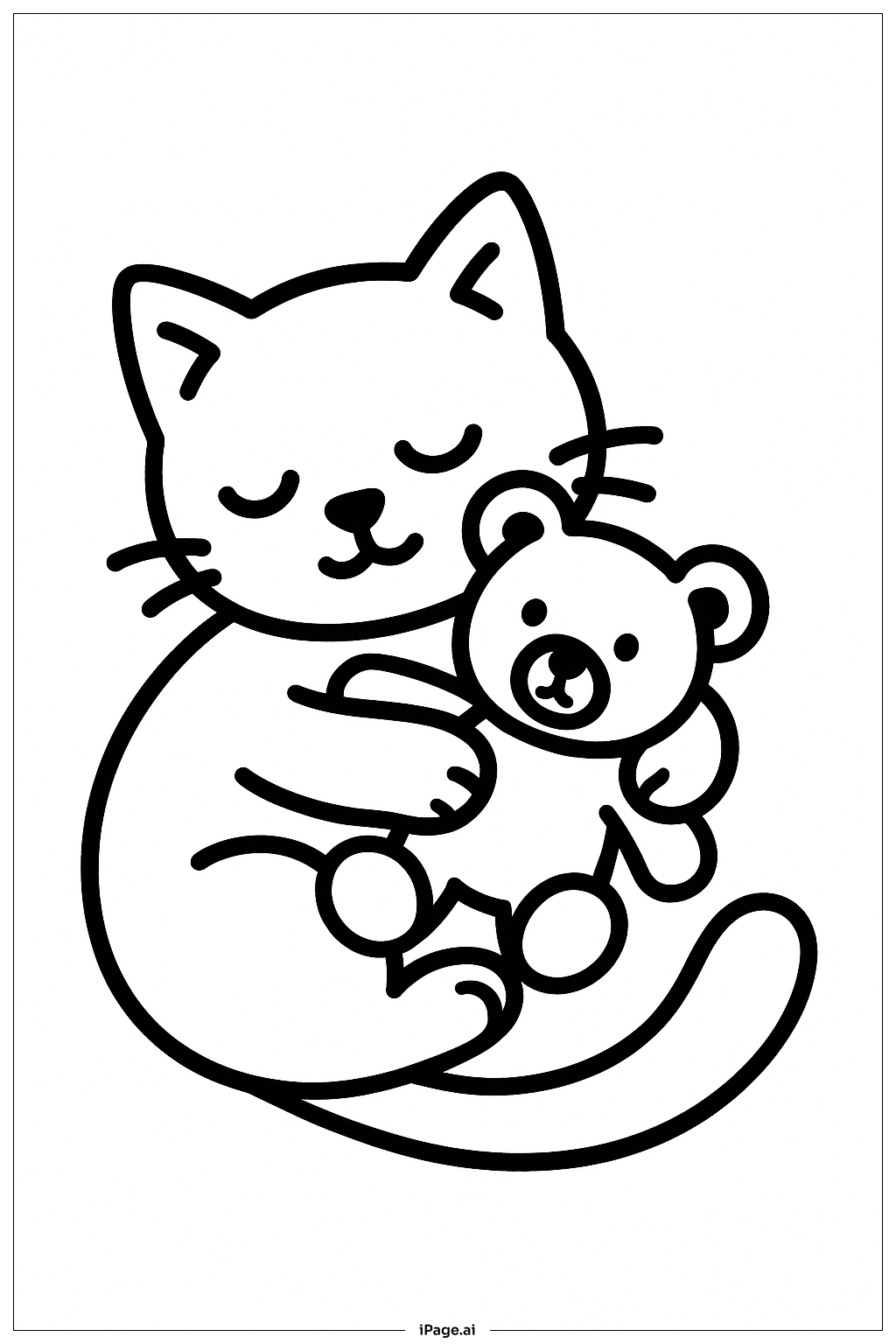
Coloring tips: How to color Catnap With Teddy Bear coloring page well?
Use soft, warm colors for the cat, like light orange, beige, or gray, to make it look cozy. For the teddy bear, browns or tans work well to show it as a cuddly toy. You can add light shades on the cat's paws, nose, and inside the ears for extra details. Try gentle coloring strokes to keep the peaceful mood. Feel free to be creative and mix colors for the cat's fur or the teddy bear's bow, if it has one. Coloring the cat's eyes gently closed and the teddy bear’s face with calm expressions will bring the scene to life.
Coloring challenges: Which parts are difficult to color and need attention for Catnap With Teddy Bear coloring page?
1. The close, curved lines where the cat hugs the teddy bear may be tricky to color neatly without going outside the lines. It needs careful coloring to keep the shapes distinct.
2. Coloring the small details like the teddy bear’s nose, eyes, and the cat’s whiskers requires precision and attention.
3. Avoiding color overlap between the cat’s paw and the teddy bear’s arm can be challenging since they are very close.
4. The curved tail and the rounded shapes may make it hard to evenly color without patchy areas.
5. Keeping the overall peaceful feel while choosing different colors for the cat and teddy bear might be a skill some kids will want to practice.
Benefits of coloring books: Advantages of drawing Catnap With Teddy Bear coloring page
Coloring this peaceful scene helps children practice fine motor skills by staying within curved and small areas. It encourages creativity by choosing colors for the cat and teddy bear, developing color recognition and decision-making. The calming subject can also relax and focus kids while coloring, helping emotional regulation. Coloring animals with gentle expressions can foster empathy and kindness as children imagine caring and comforting moments during the nap.