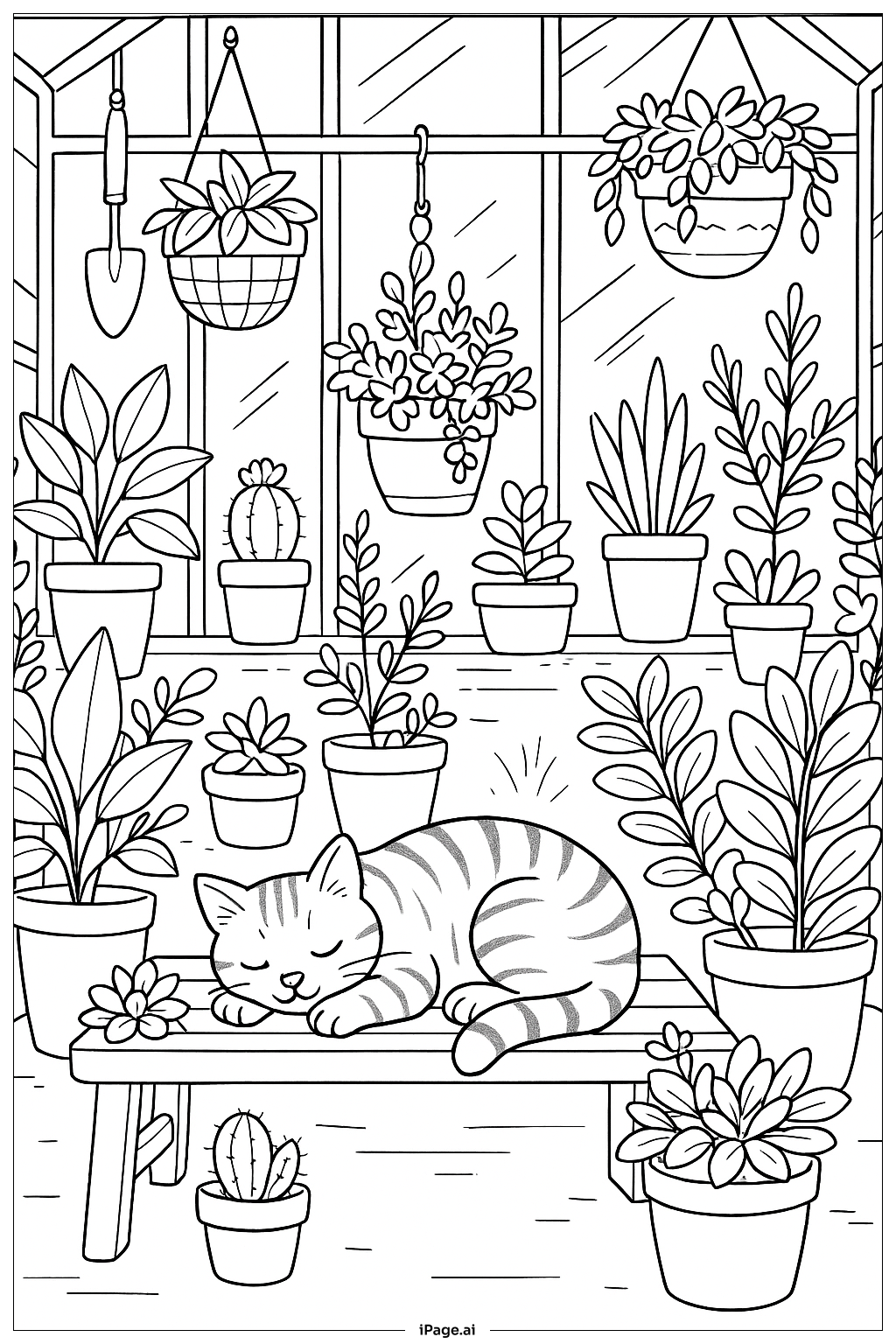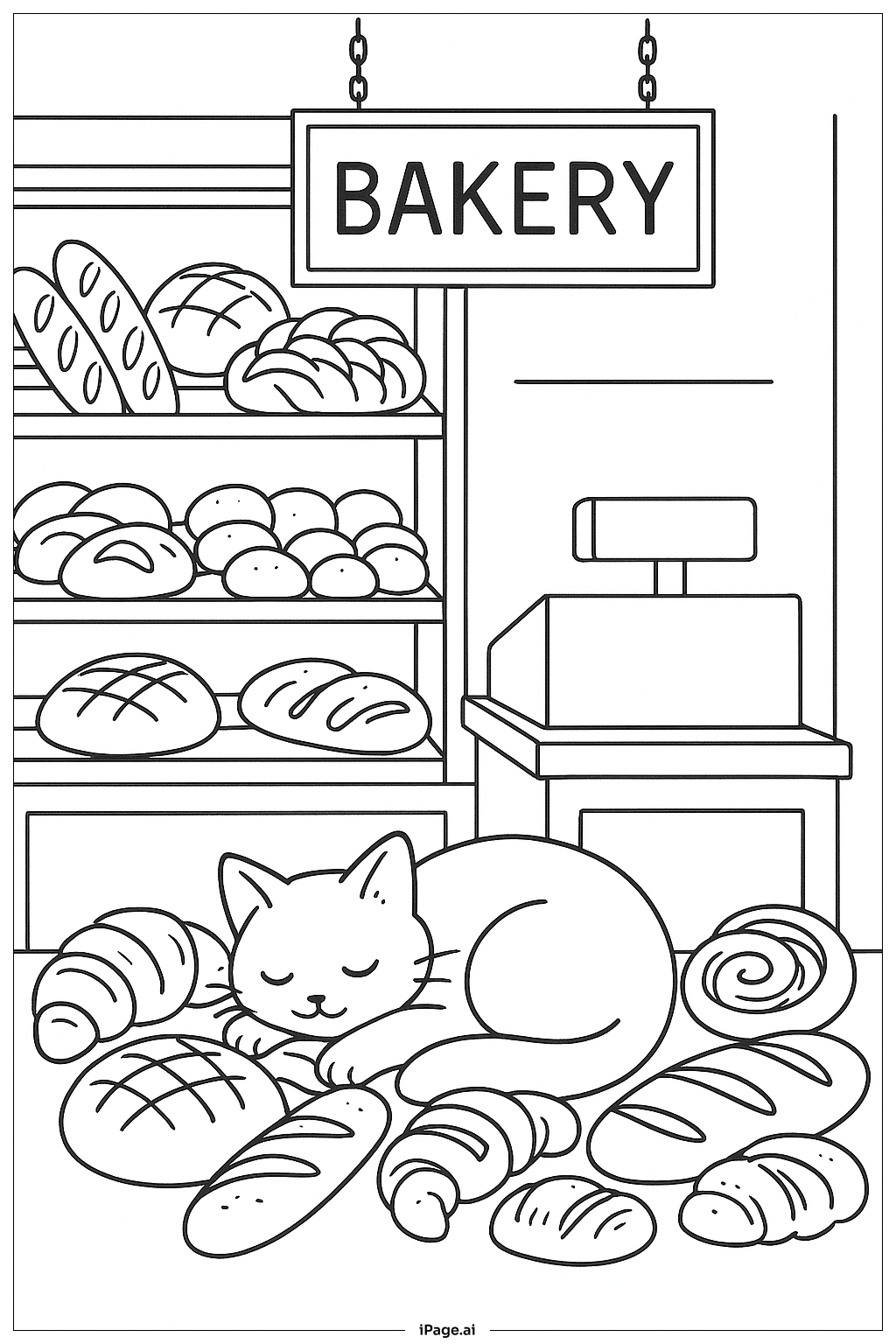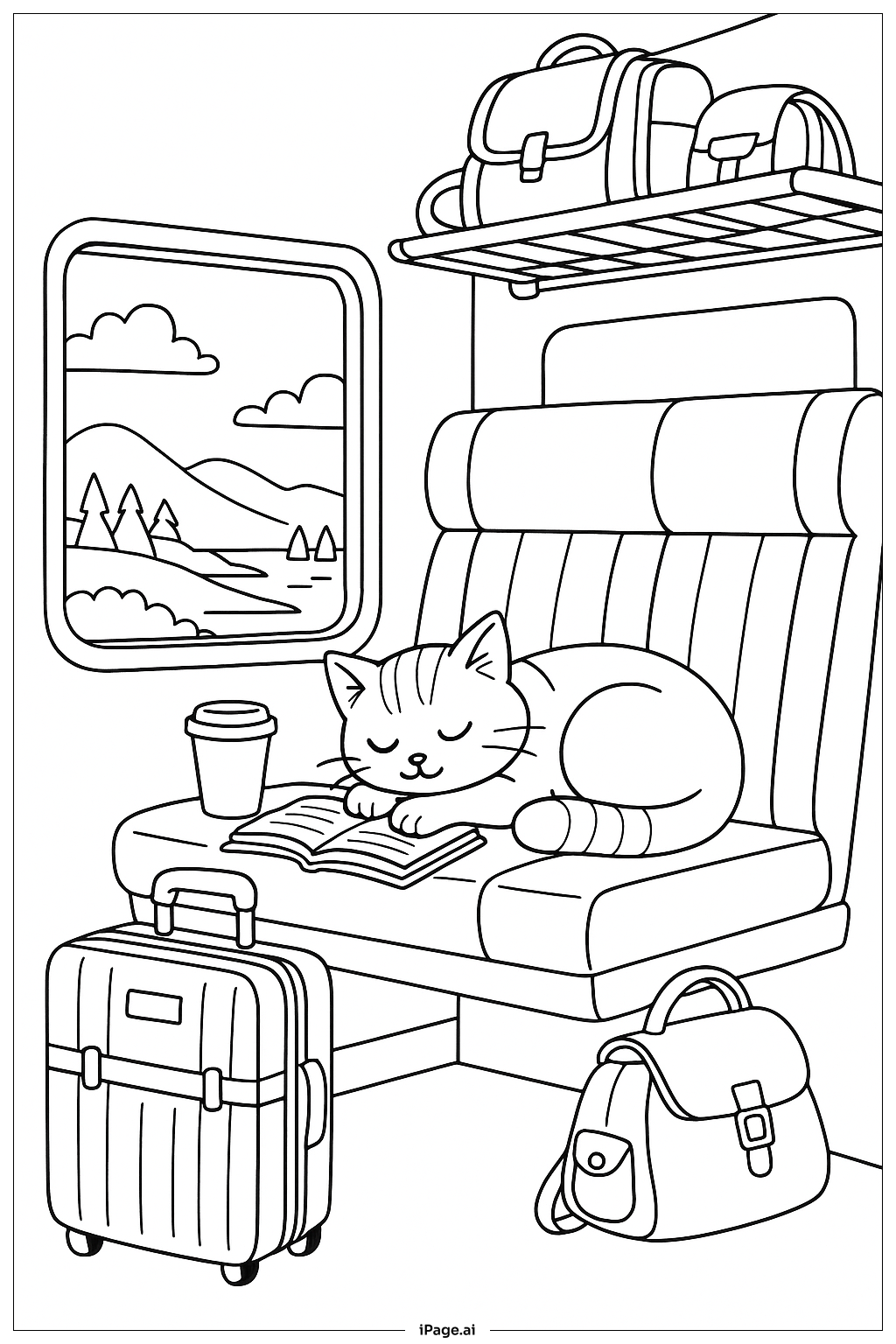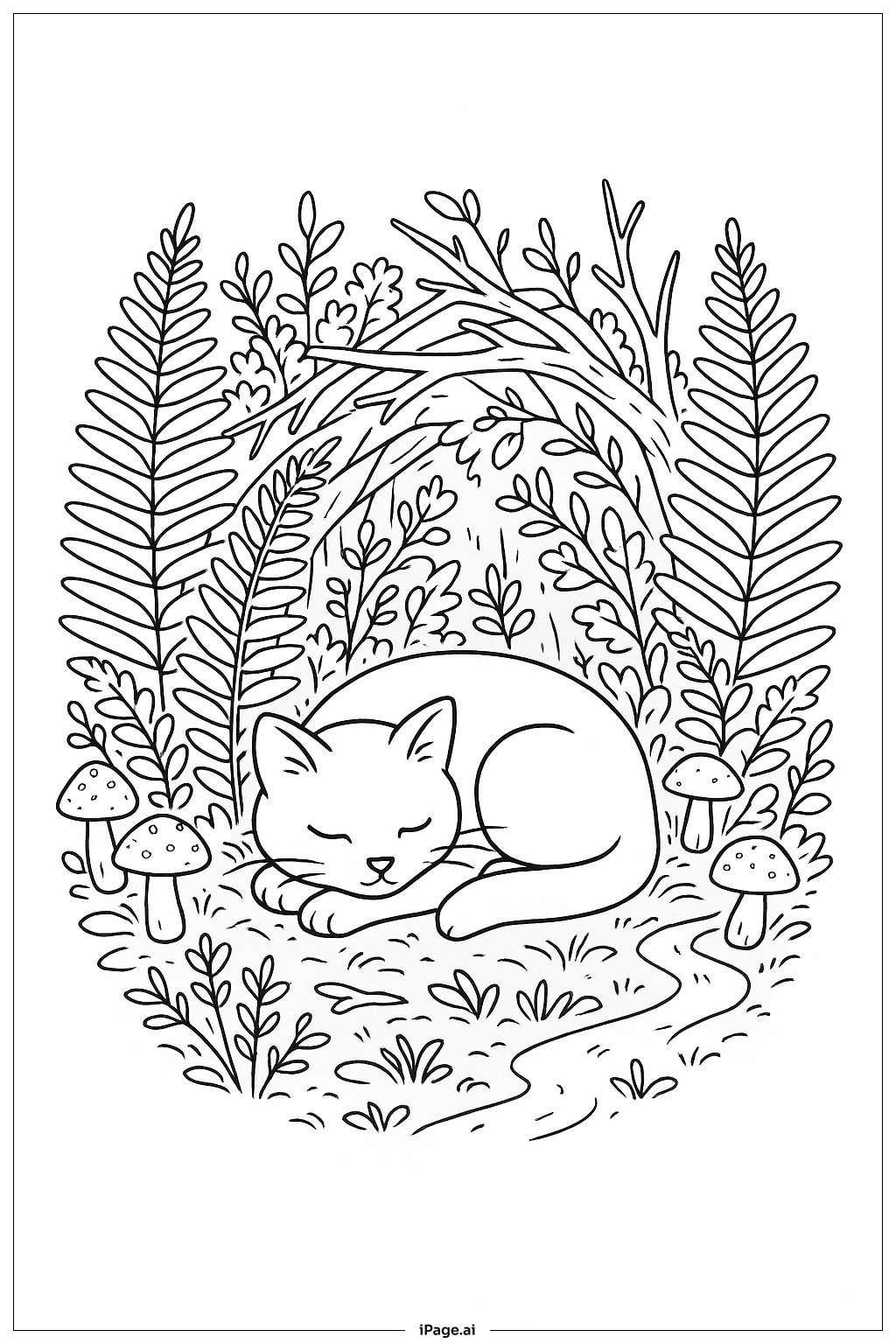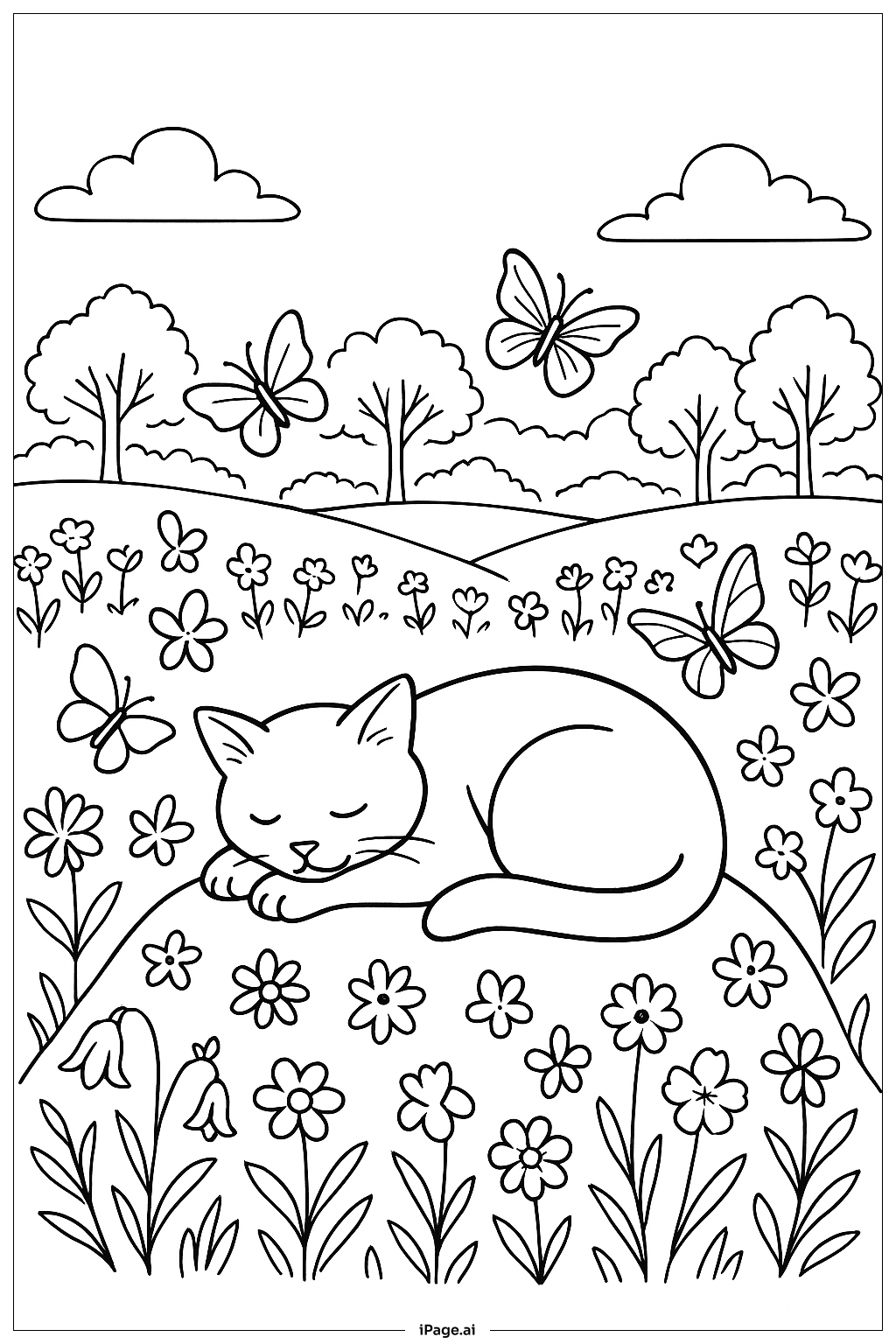
Coloring tips: How to color Catnap with Butterflies at Dawn coloring page well?
For Catnap, consider using soft purple tones for the body, creating a gentle and dreamy appearance that matches the dawn setting. The butterflies offer wonderful opportunities for creativity - try using warm sunrise colors like soft orange, pink, and golden yellow on some wings, while others could feature cooler morning hues like lavender, light blue, and mint green. For the grass and ground, use fresh spring greens mixed with yellow-green to capture the early morning light. The background can be colored with gradient techniques, blending pale pink and soft orange at the horizon line, transitioning to light blue higher up to represent the dawn sky. Add subtle shadows under Catnap using light gray or pale purple to create depth. Consider leaving some areas lighter to suggest the gentle glow of morning sunlight filtering through the scene.
Coloring challenges: Which parts are difficult to color and need attention for Catnap with Butterflies at Dawn coloring page?
• Butterfly Wing Details: The butterflies present the most intricate challenge in this coloring page. Each wing contains delicate patterns and sections that require careful attention to stay within the lines. Young colorists may find the small spaces between wing patterns difficult to fill neatly. Using fine-tipped coloring tools like colored pencils or thin markers can help achieve precision. Consider creating symmetrical patterns on matching wings or experimenting with different designs for variety.
• Catnap's Fur Texture: Creating a smooth, cohesive appearance for Catnap's body while suggesting soft fur texture requires patience and technique. Blending multiple shades of purple or using directional strokes can add dimension, but this requires practice. Children might struggle with applying even pressure to avoid streaky or patchy results. Starting with light pressure and gradually building up color intensity helps achieve better coverage.
• Background and Depth Perception: Distinguishing between foreground and background elements while maintaining visual harmony can be challenging. Deciding which butterflies appear closer versus farther away, and adjusting color intensity accordingly, requires planning. Creating a realistic dawn sky with smooth color transitions demands blending skills that younger children are still developing. Using lighter colors for distant elements and darker, more saturated colors for closer objects helps create depth.
• Small Detail Areas: The spaces between grass blades, around butterfly antennae, and near Catnap's facial features contain tiny sections that are difficult to color without accidentally crossing lines. These areas test fine motor control and hand-eye coordination, especially for younger colorists. Taking breaks to avoid hand fatigue and working slowly through detailed sections improves accuracy.
Benefits of coloring books: Advantages of drawing Catnap with Butterflies at Dawn coloring page
Coloring this peaceful dawn scene with Catnap and butterflies offers wonderful developmental benefits for children. The intricate butterfly wings help improve fine motor skills and hand-eye coordination as young artists carefully fill small, detailed spaces. The variety of elements - from Catnap's larger body areas to tiny butterfly antennae - allows children to practice both broad strokes and precise control. This scene encourages color theory exploration as children experiment with warm sunrise palettes and complementary colors. The calm, nature-inspired subject matter promotes relaxation and mindfulness, helping children develop focus and patience. Creating a cohesive dawn atmosphere teaches planning skills as they consider how colors work together across the entire image. The combination of a beloved character with natural elements like butterflies can spark interest in nature and wildlife. Successfully completing this moderately challenging page builds confidence and a sense of accomplishment, encouraging artistic expression and creativity in young colorists.