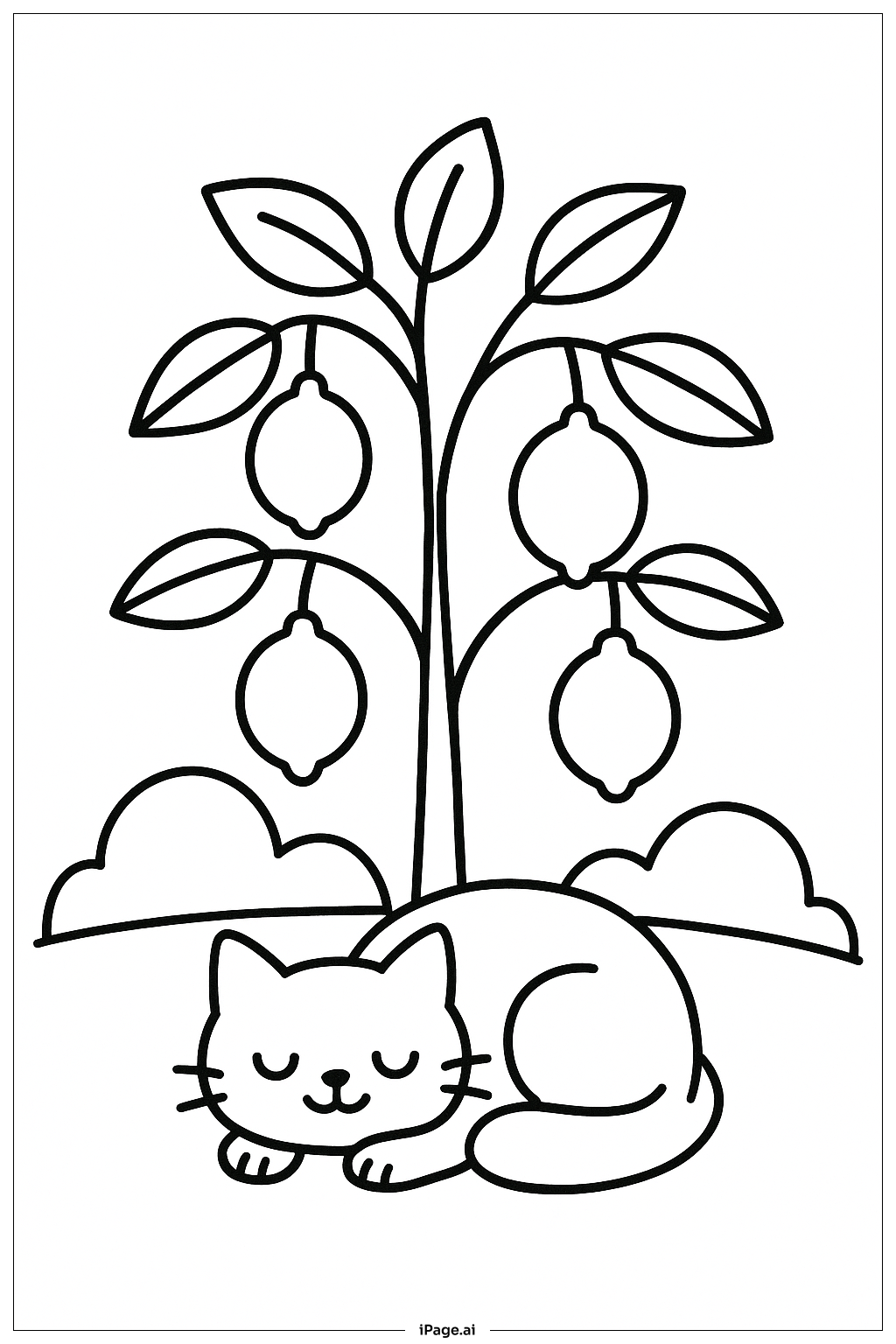
Coloring tips: How to color Catnap Under Lemon Tree coloring page well?
Start with Catnap's body using soft, warm tones like cream, light tan, or pale orange to give the cat a cozy, sleepy feel. Add gentle gray or lavender shading on the belly and paws for depth. Color the lemons bright yellow or golden yellow, and use two or three shades of green for the leaves to create a natural, layered look. Lighter greens work well for leaves in sunlight, while darker greens add shadow underneath. The tree trunk and branches look great in warm brown or sandy beige tones. For the ground, try light green for the grass and soft brown for the soil. Use pale pink or white for any blossoms. Keep the overall palette cheerful and warm to match the sunny, relaxed mood of the scene. Children can have fun mixing colors freely, while older kids can try adding shading and highlights to make the image feel more three-dimensional.
Coloring challenges: Which parts are difficult to color and need attention for Catnap Under Lemon Tree coloring page?
• Lemon Texture and Shading: The lemons have a slightly bumpy, rounded surface that can be tricky to color realistically. To avoid a flat look, use a base of bright yellow and add a touch of orange or golden yellow on one side to suggest sunlight. Leave a small white highlight area near the top of each lemon to give it a fresh, glossy appearance.
• Overlapping Leaves: The tree has many leaves layered on top of each other at different angles. Keeping each leaf distinct without muddying the colors together takes patience. Try using at least two shades of green and color each leaf separately, letting one dry before coloring the next if using wet media.
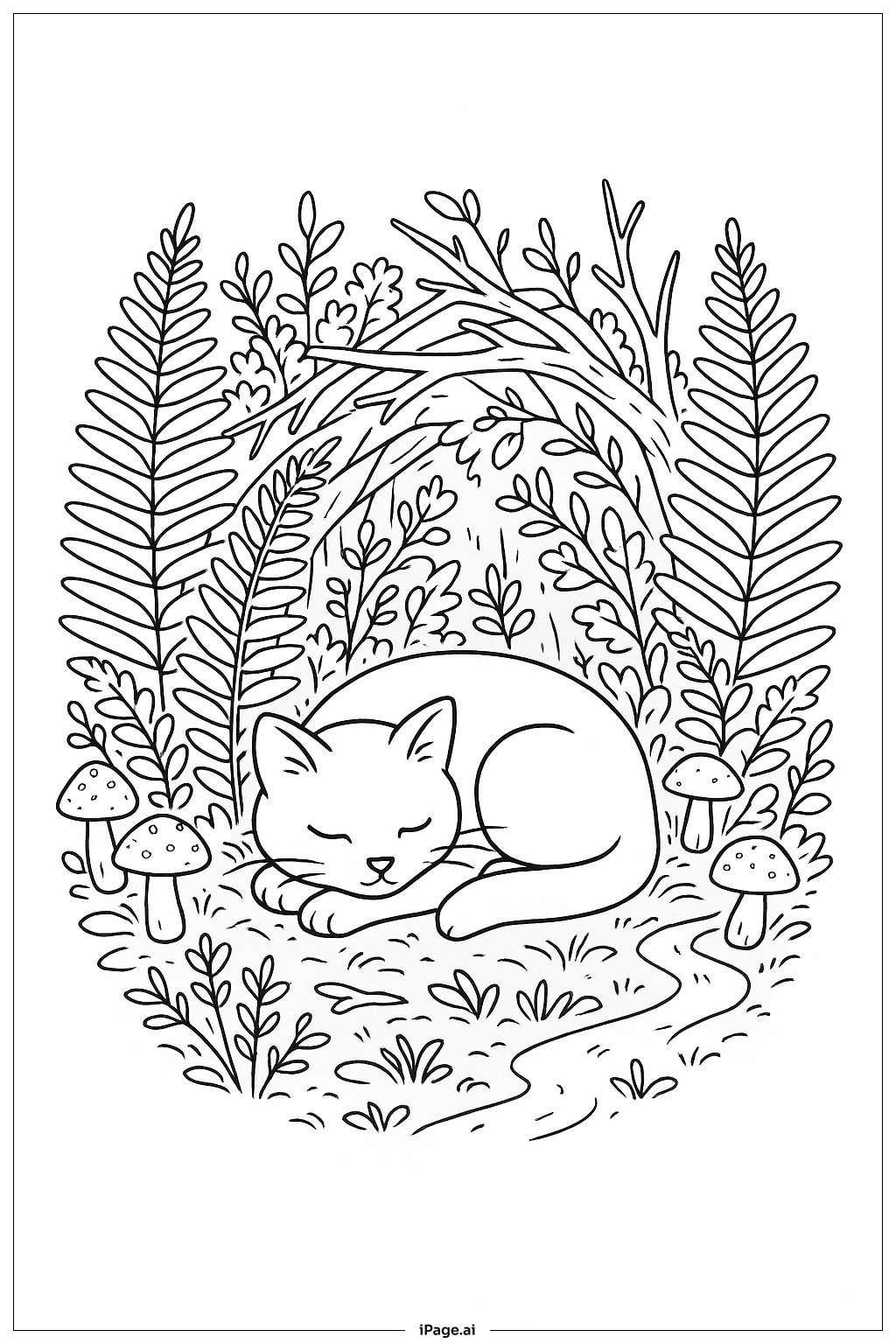
• Catnap's Fur Details: The cat's body has soft fur lines and small facial details like closed eyes, whiskers, and tiny paws. These fine lines are easy to accidentally color over, so use a sharp pencil or a fine-tipped marker to carefully stay inside each small area. Light, gentle strokes work best for the fur texture.
• Ground and Background Balance: The scene includes grass tufts, fallen leaves, and small flowers near the base. These small elements can feel overwhelming, but coloring them with softer, lighter tones compared to the main subjects helps them stay in the background without competing for attention.
• Blossoms and Small Details: The tiny flowers and buds scattered across the tree require careful coloring due to their small size. Use a fine-tipped tool and soft pastel colors like pale pink, white, or light lavender so they add charm without overpowering the rest of the image.
Benefits of coloring books: Advantages of drawing Catnap Under Lemon Tree coloring page
Coloring this Catnap Under Lemon Tree scene offers a wonderful range of benefits for children and young artists. The peaceful, nature-themed image encourages a sense of calm and relaxation, making it a great activity after a busy day. Focusing on the gentle details of the sleeping cat and leafy tree helps improve concentration and attention span in a fun, low-pressure way.
Working with different shades of green, yellow, and brown helps children learn about color mixing and how light and shadow make objects look more real. Choosing colors for the fur, lemons, and flowers also builds creative decision-making skills and personal expression.
The variety of shapes in the image, from the rounded lemons to the flowing leaves and the curled-up cat body, gives children excellent practice in fine motor control and hand-eye coordination. Carefully coloring within small areas like whiskers and flower petals trains the hand muscles needed for writing and detailed work.
For older children and teens, the layered composition offers a satisfying challenge that builds patience and artistic confidence. Completing the full scene gives a strong sense of accomplishment. Overall, this image blends creativity, nature appreciation, and skill-building into one enjoyable coloring experience suitable for a wide range of ages.