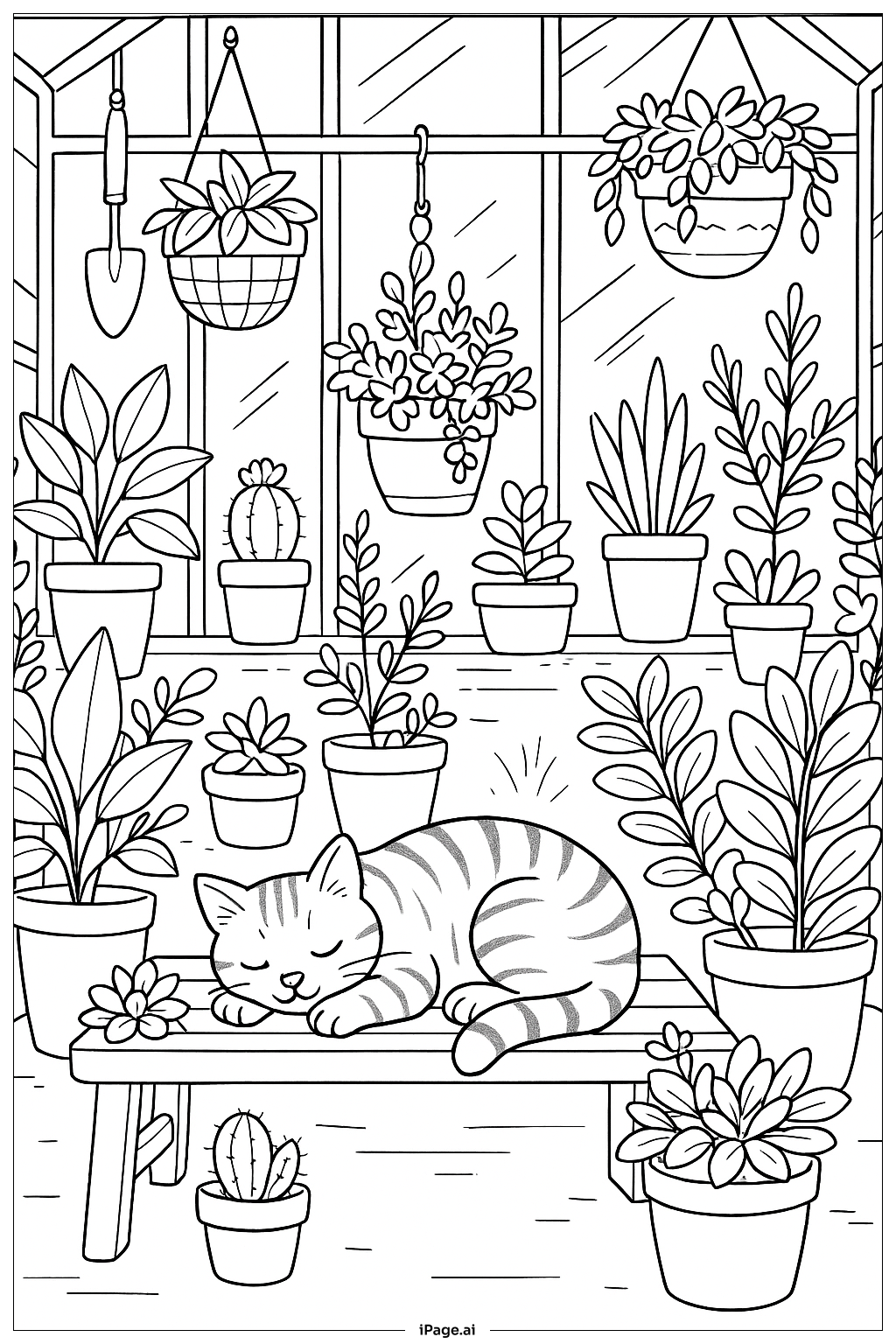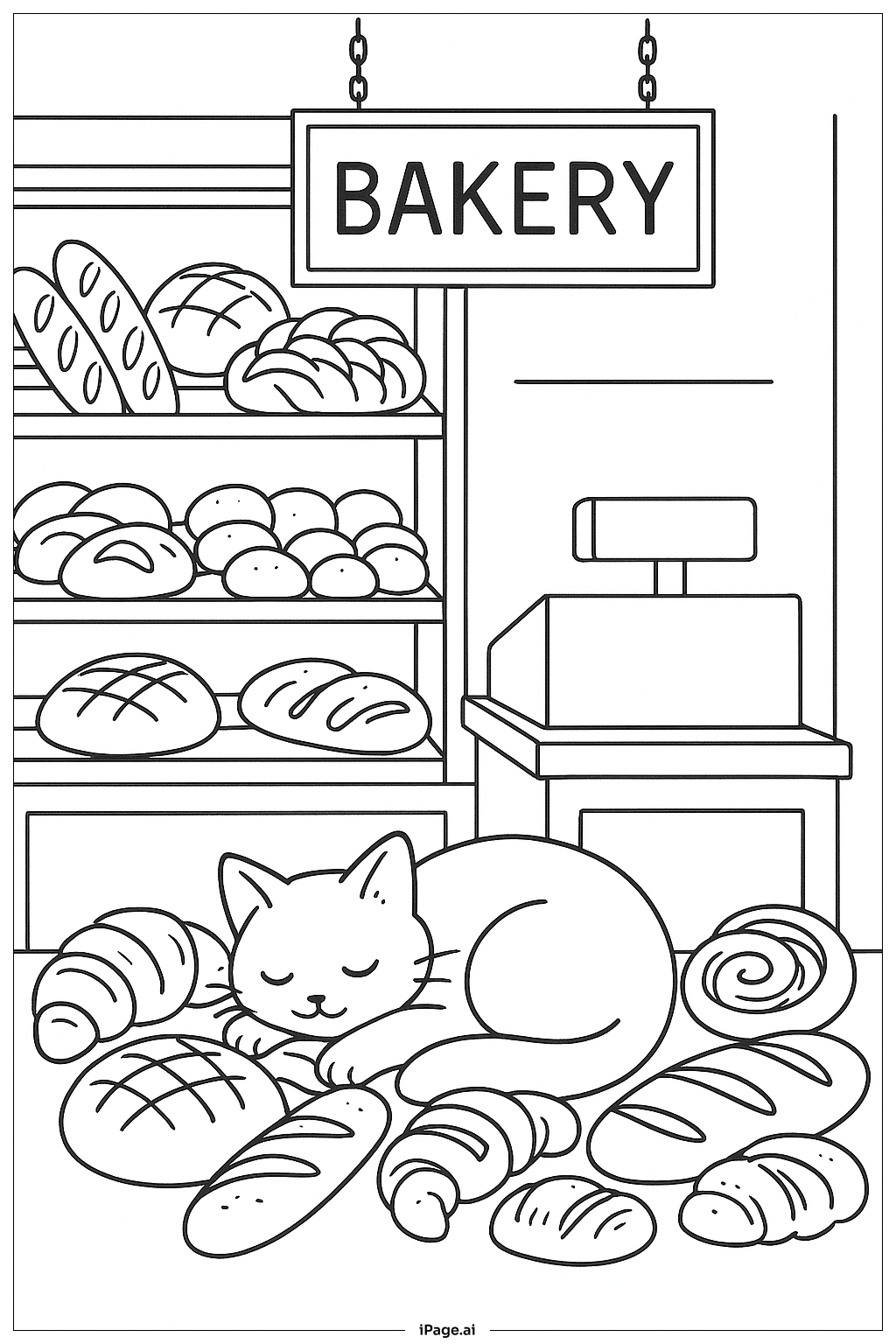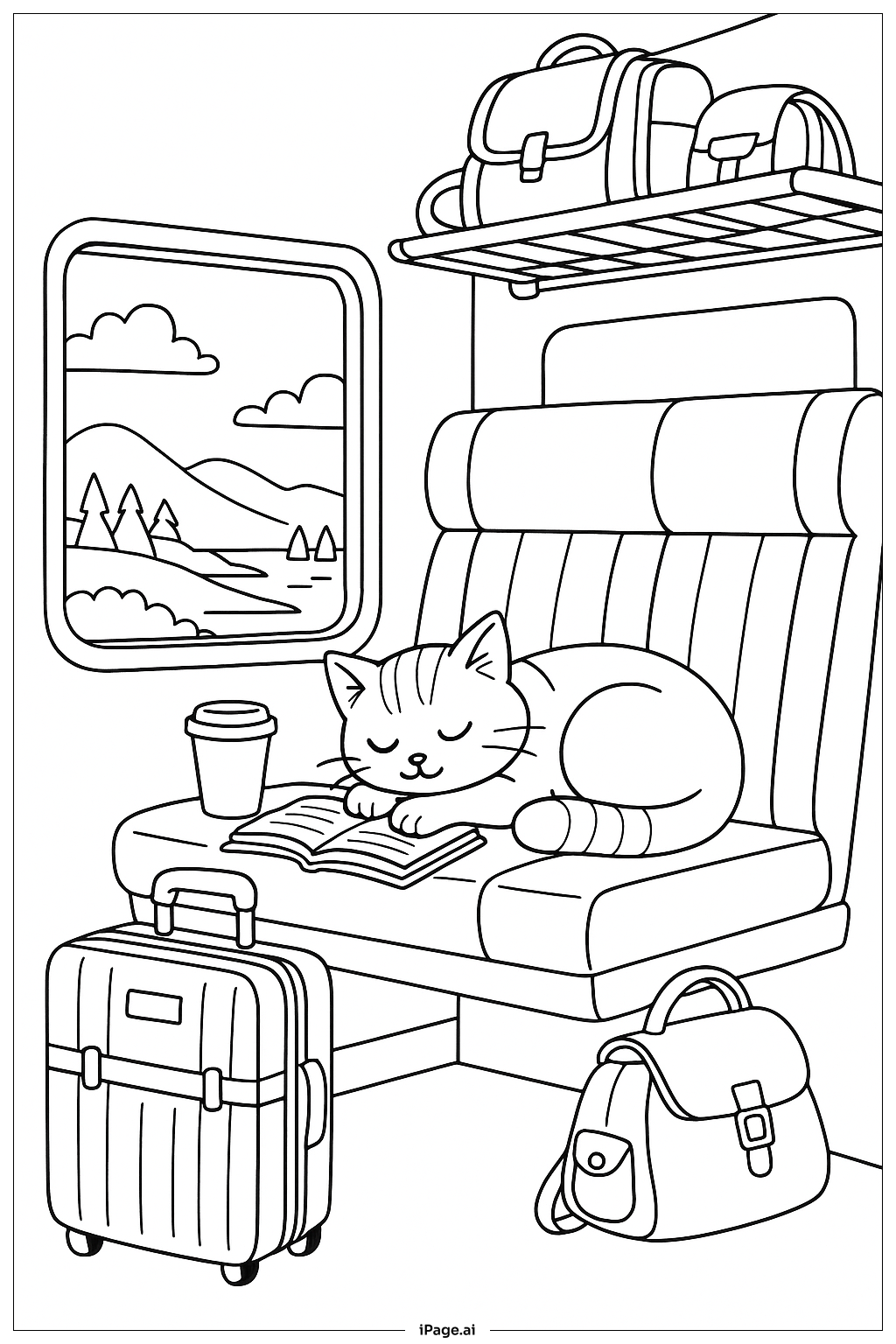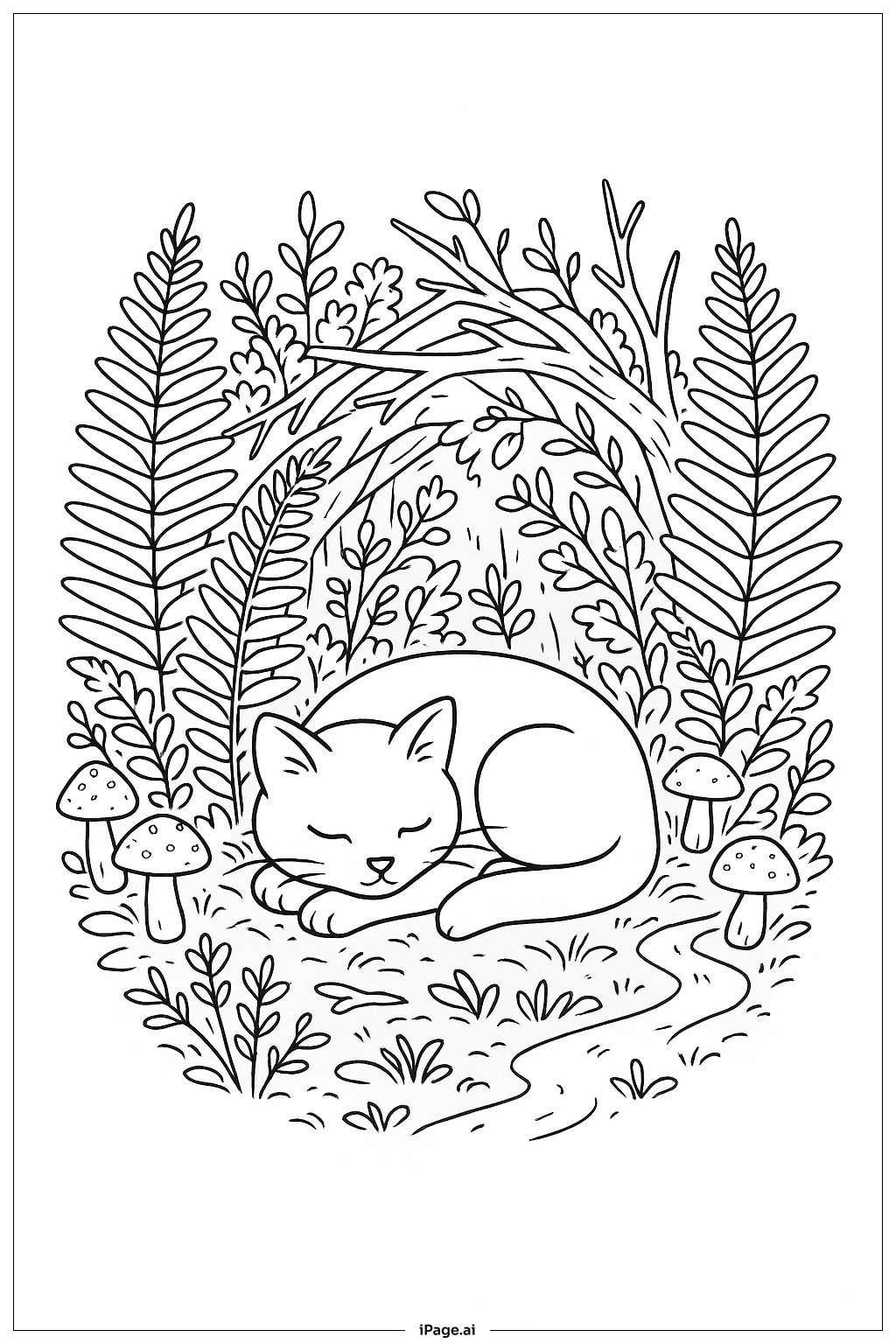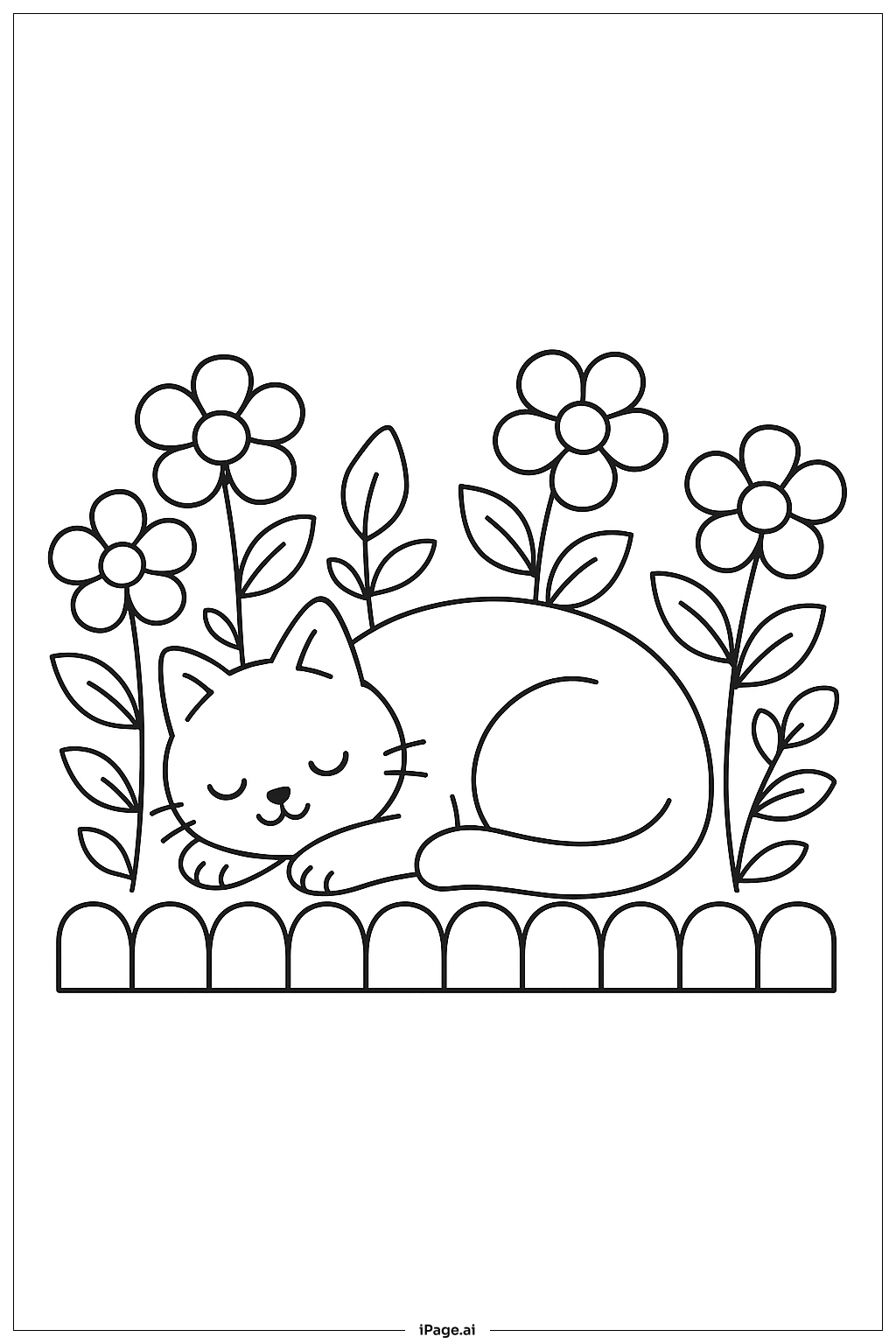
Coloring tips: How to color Catnap In Flower Bed coloring page well?
Use soft colors for the cat, like light brown, gray, or white. For the flowers, you can use bright colors such as red, yellow, pink, or purple to make them stand out. The leaves and stems can be different shades of green. The small fence can be colored light brown or white. Try to use gentle strokes and color inside the lines carefully for a neat look. Feel free to add a bright sky or grass in the background to make the scene more lively.
Coloring challenges: Which parts are difficult to color and need attention for Catnap In Flower Bed coloring page?
1. Coloring small flower petals and leaves can be tricky because they are small and close together. Staying inside the lines requires patience. 2. The cat’s curled body has curved lines, which might be a little hard to color evenly. 3. Distinguishing between the cat's parts like legs and tail may be challenging since they are close to each other. 4. Balancing bright and soft colors to keep the picture looking calm but cheerful can be difficult. 5. Coloring the fence evenly might need careful attention to keep lines straight and consistent.
Benefits of coloring books: Advantages of drawing Catnap In Flower Bed coloring page
Coloring this picture helps children practice fine motor skills, like controlling their hand movements to color within small spaces. It encourages creativity as they choose colors for the cat, flowers, and background. The peaceful scene promotes relaxation and calmness. Working on curved shapes helps improve hand-eye coordination. Overall, it is a fun and soothing activity that builds confidence as kids see their colorful artwork come to life.