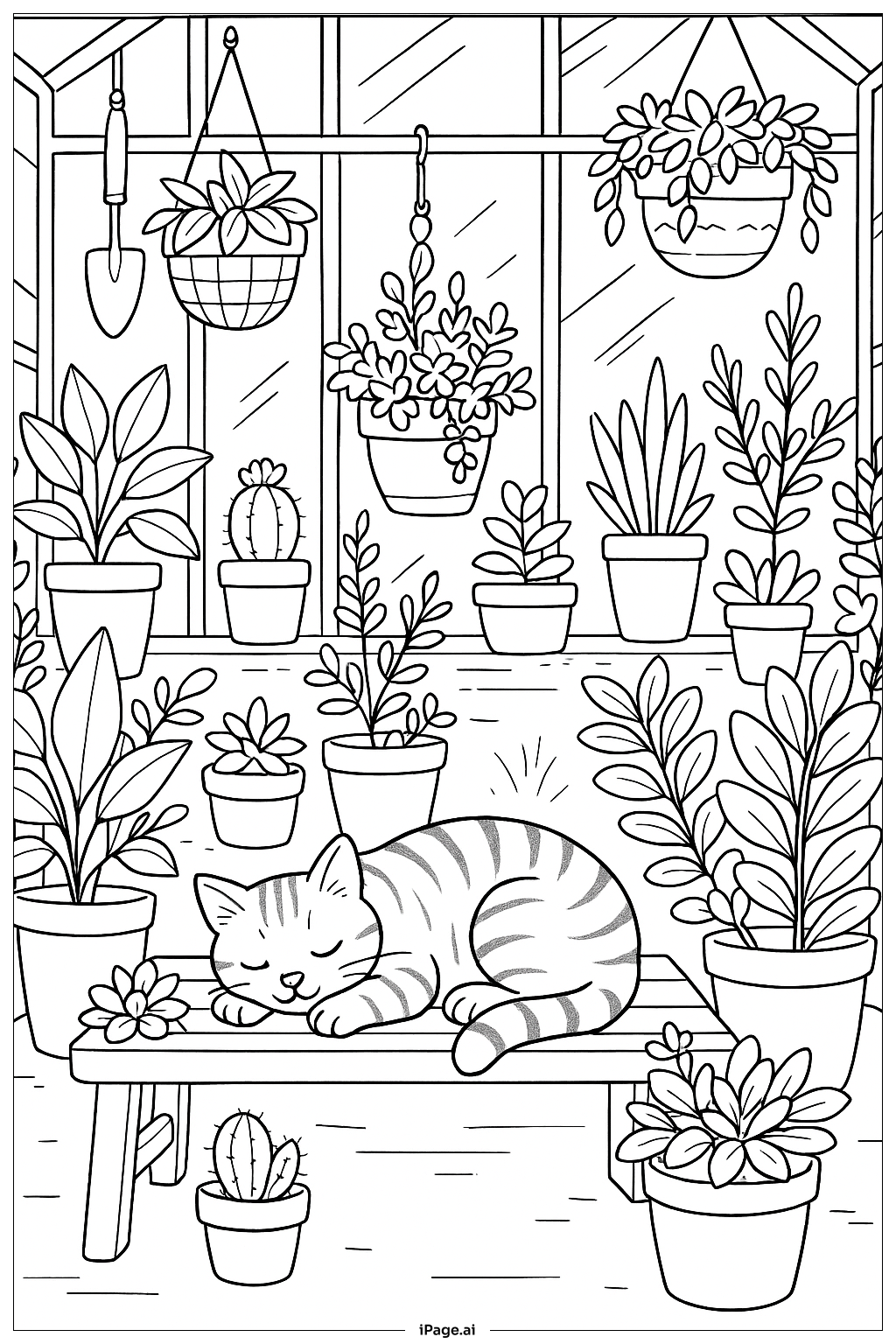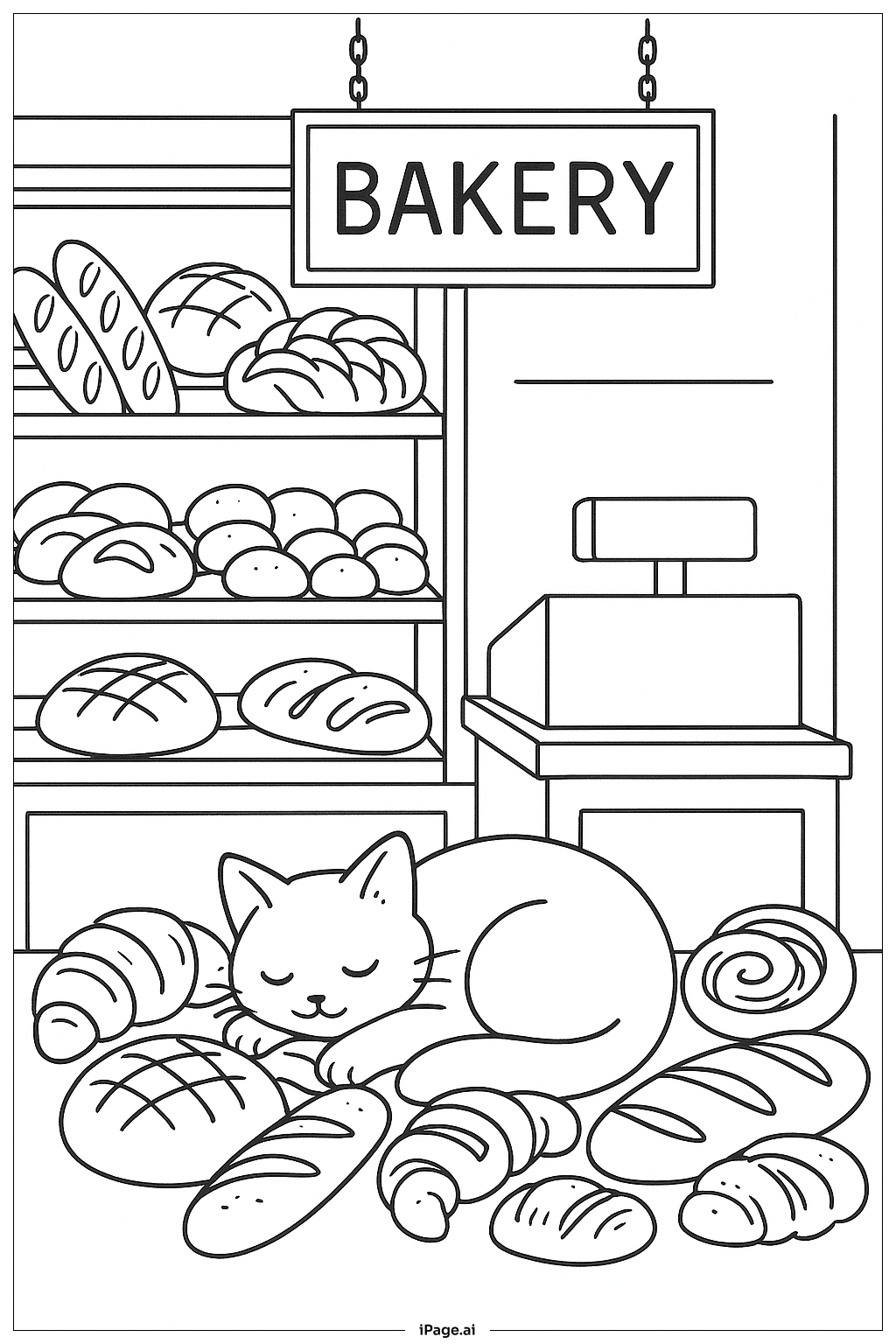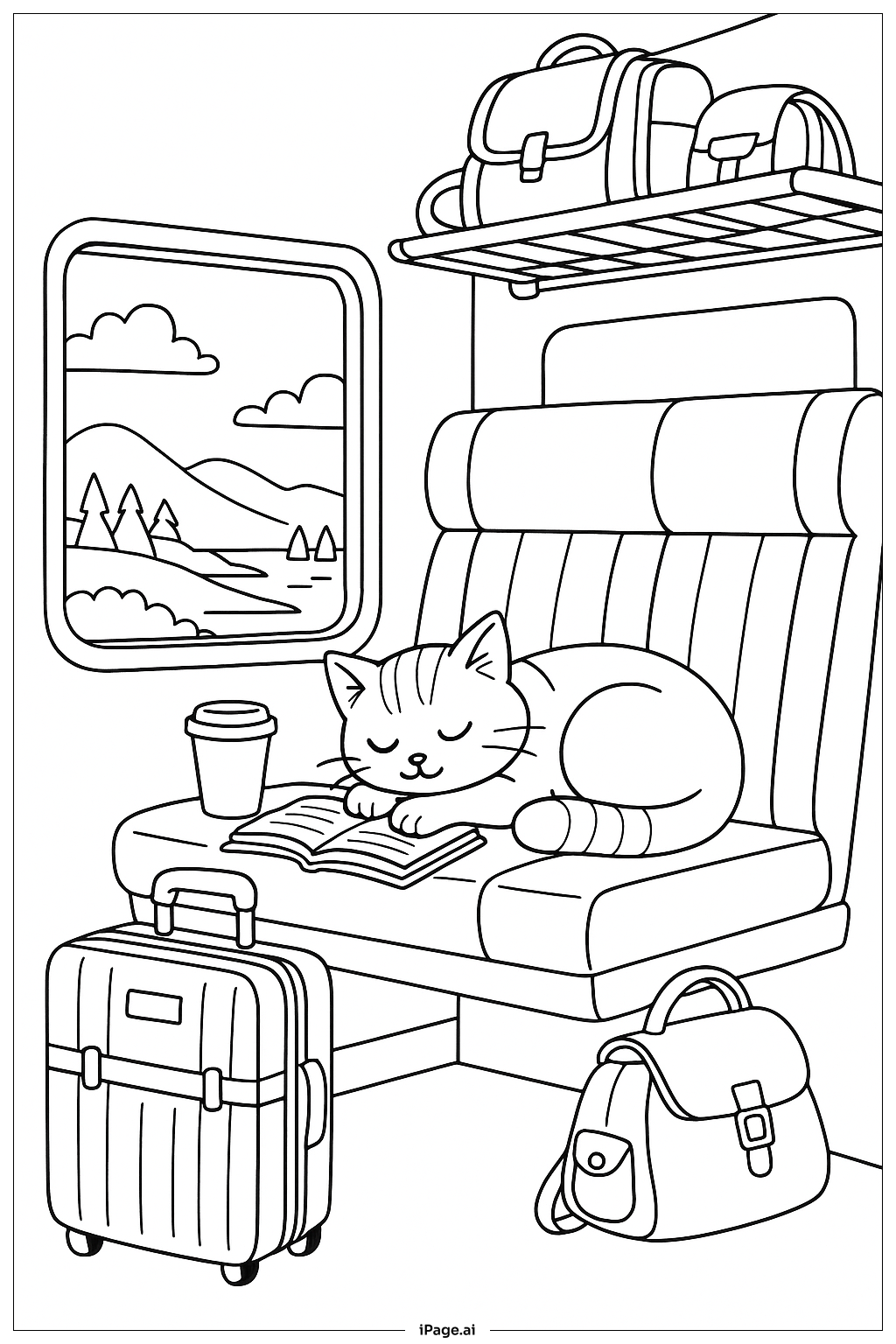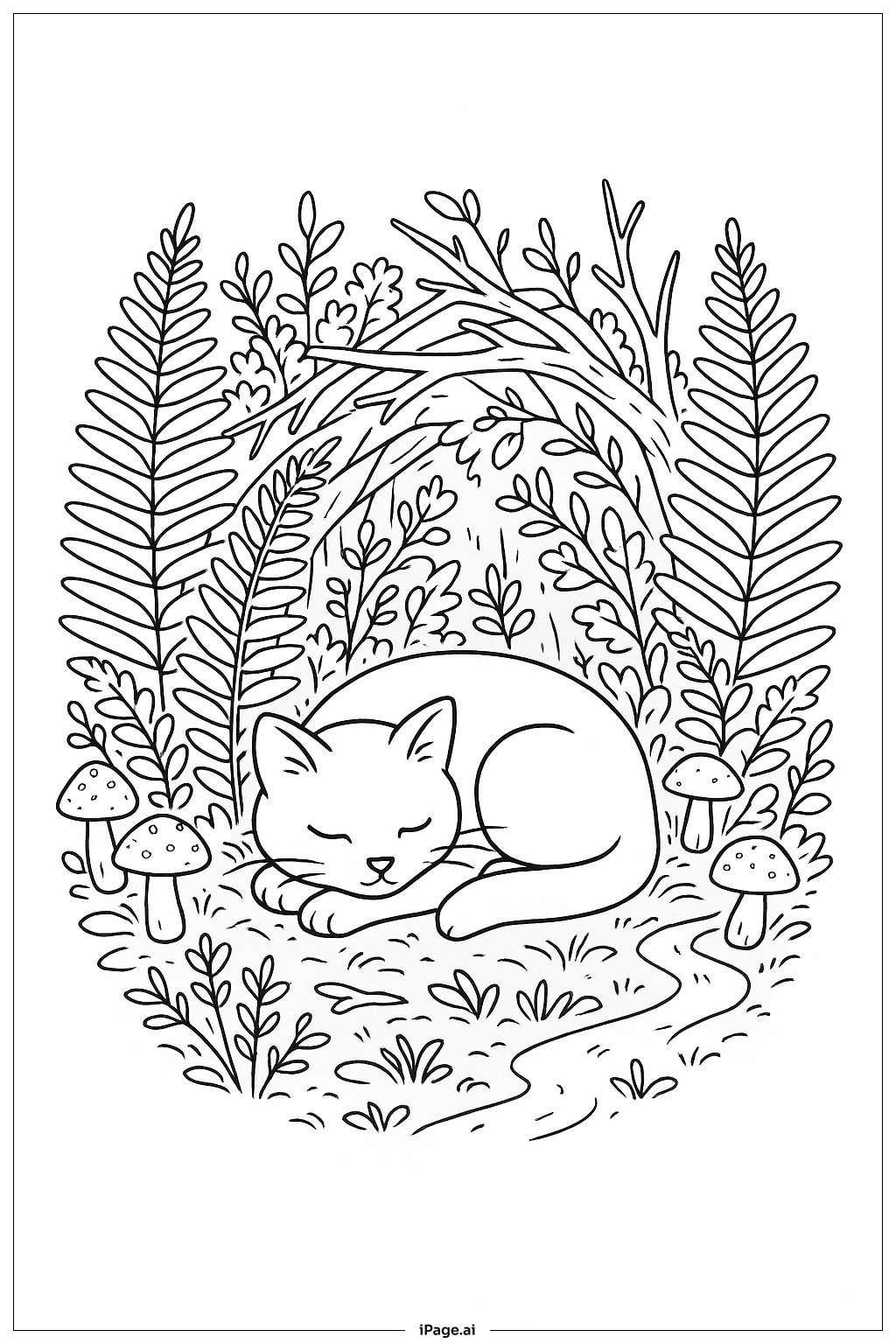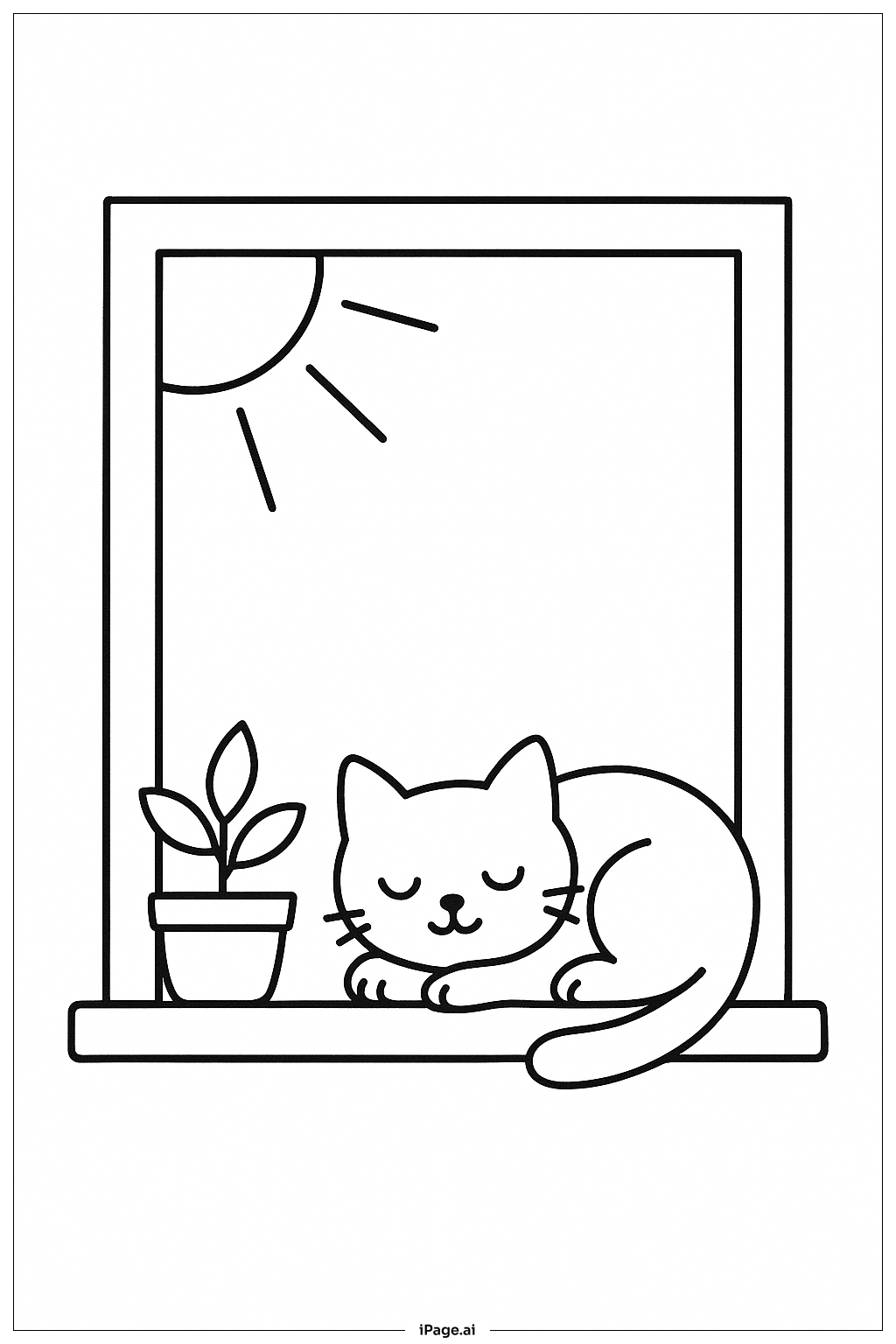
Coloring tips: How to color Catnap in a Sunny Window coloring page well?
Start with the cat using warm, natural fur colors like orange tabby stripes, gray, cream, or classic black and white patterns. Blend lighter shades on the belly and darker tones along the back to create dimension. For the windowsill, try soft wood tones like light brown or beige. Color the curtains in cheerful shades like yellow, light blue, or pastel pink to complement the sunny theme. Make the window panes a light blue or leave them white with hints of yellow to show sunlight streaming through. Add a bright blue sky with white fluffy clouds outside. If there is a plant, use various greens for leaves and a terracotta or ceramic color for the pot. Use yellow and orange colors around the cat to emphasize the warm, sunny glow filling the space.
Coloring challenges: Which parts are difficult to color and need attention for Catnap in a Sunny Window coloring page?
• Fur Texture and Details: The cat's fur contains many flowing lines and curves that require careful coloring to maintain the soft, fluffy appearance. Children may find it challenging to stay within the intricate fur lines, especially where the tail curls and overlaps with the body. Using colored pencils with light pressure can help create smooth, even coverage while following the natural direction of the fur patterns.
• Window Panes and Glass Effects: Creating the appearance of transparent glass while showing sunlight streaming through requires thoughtful color choices. Deciding whether to leave the panes mostly white, add subtle blue tints, or incorporate yellow sunny glows can be tricky. Children need to balance keeping the window look see-through while also making it visually interesting without overpowering the main subject.
• Shading and Light Source: Since this scene emphasizes sunny, warm lighting, adding appropriate shadows and highlights makes the image more realistic and three-dimensional. Younger colorists may struggle with understanding where shadows fall under the cat's body, behind the curtains, and on the windowsill. Deciding which areas should be lighter (where sunlight hits) versus darker (shadowed areas) requires spatial thinking and planning before applying colors.
• Curtain Folds and Fabric Texture: The draped curtains have multiple folds and layers that create depth. Coloring these fabric folds to look natural and dimensional requires varying color intensity, making some areas darker in the creases and lighter on the raised parts. This technique of gradual shading can be difficult for beginners who are still developing their blending skills.
Benefits of coloring books: Advantages of drawing Catnap in a Sunny Window coloring page
Coloring this peaceful scene helps children develop fine motor skills and hand-eye coordination as they carefully fill in the detailed fur lines and window elements. The relaxing subject matter of a sleeping cat promotes calmness and mindfulness, making it an excellent activity for reducing stress and anxiety. Children practice decision-making skills by choosing color combinations for the cat, curtains, and sunny atmosphere. The image teaches observation skills as young artists notice how light affects different surfaces and creates warmth in a scene. Working on the various textures like soft fur, smooth glass, and fabric curtains enhances artistic awareness of different materials. This coloring page also encourages patience and focus, as completing the detailed areas requires concentration and steady hands, building perseverance and a sense of accomplishment when finished.