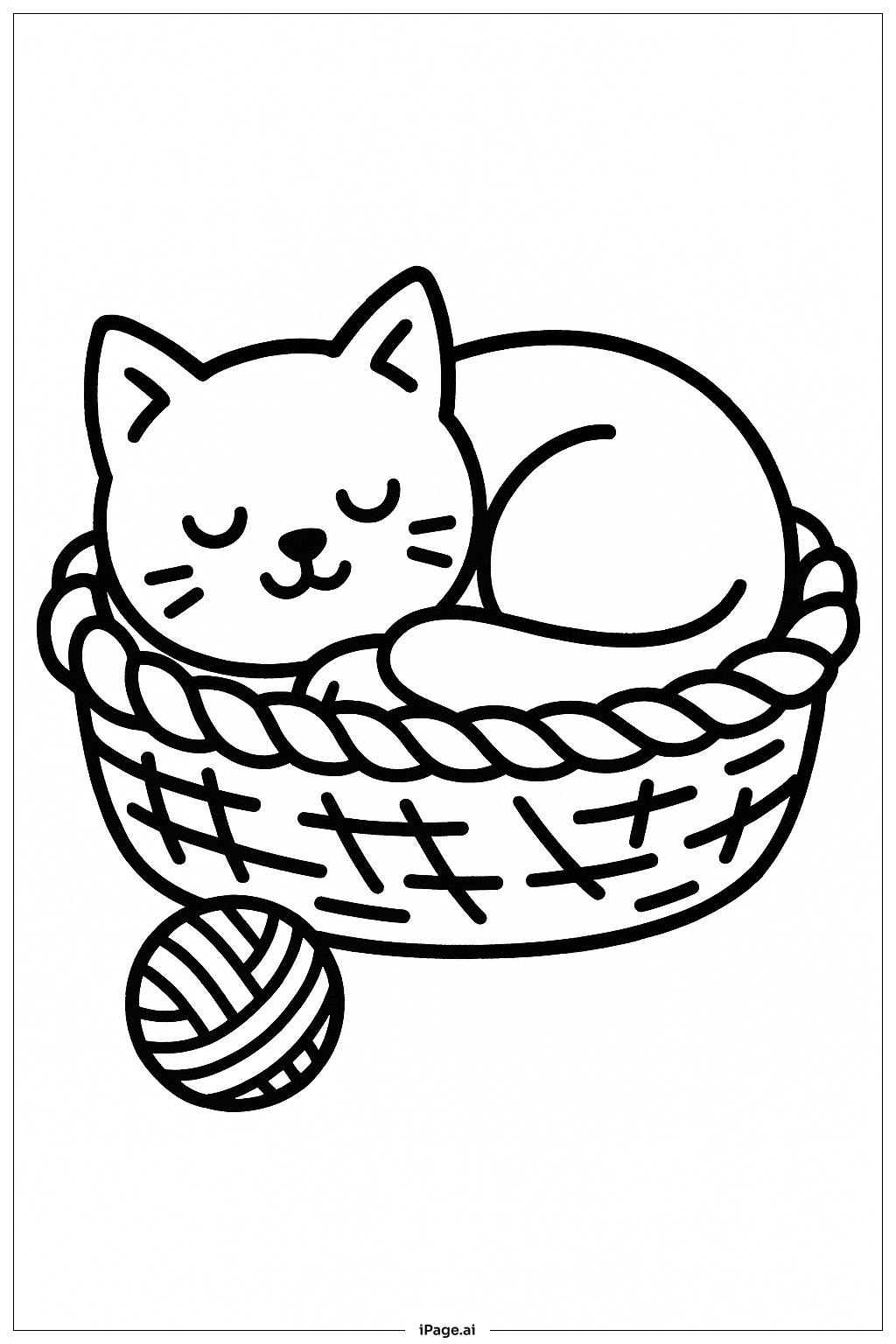
Coloring tips: How to color Catnap in a Basket coloring page well?
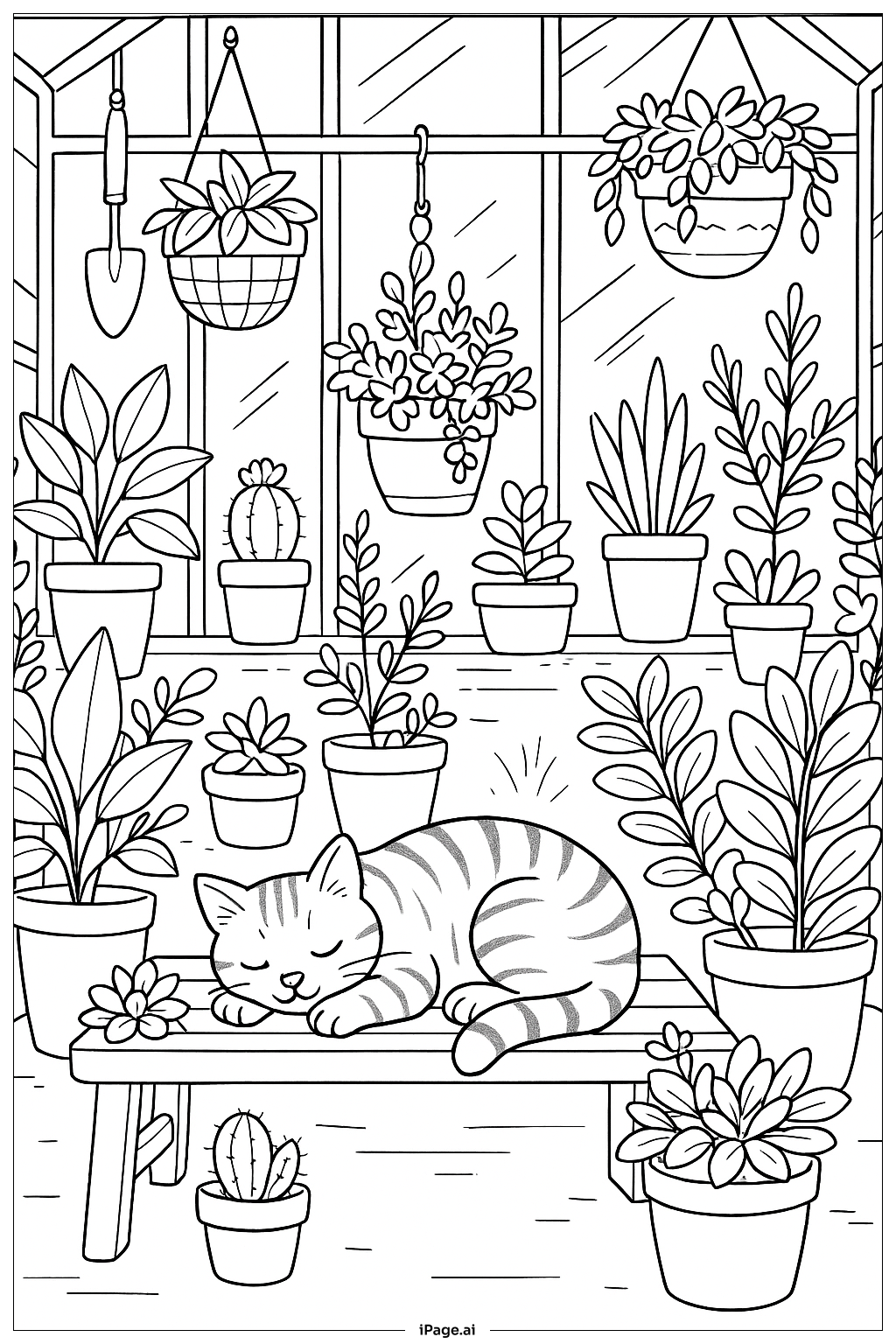
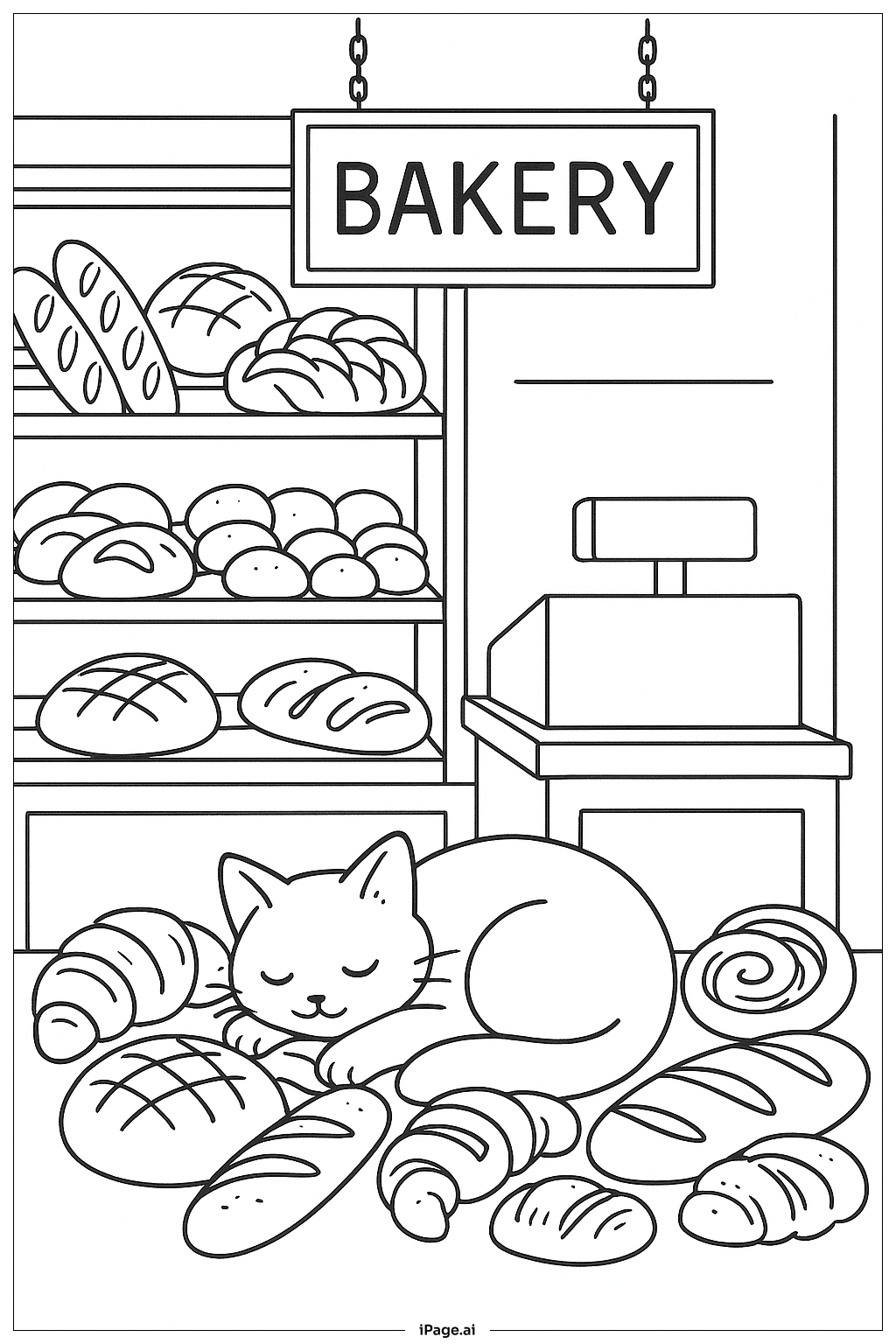
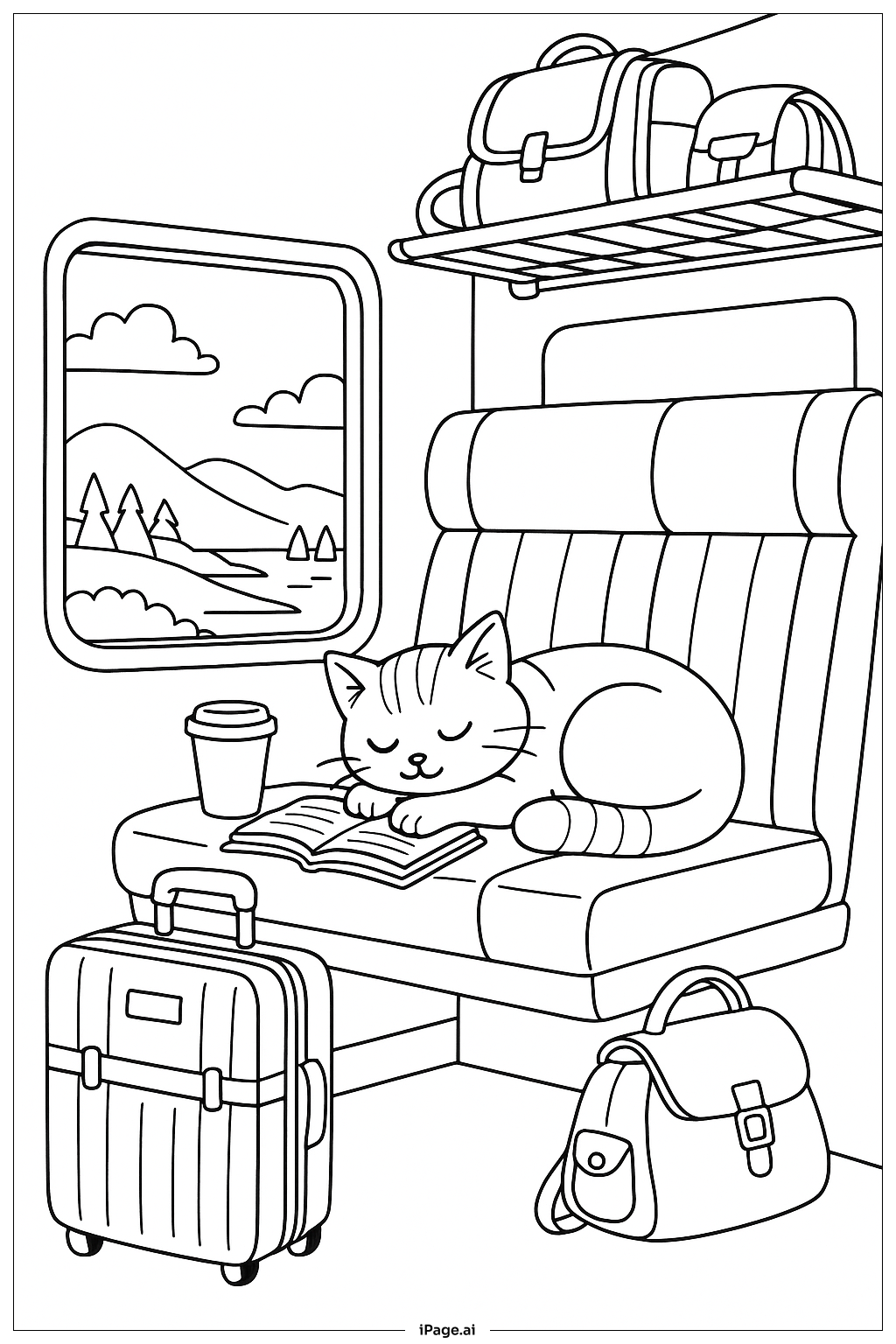
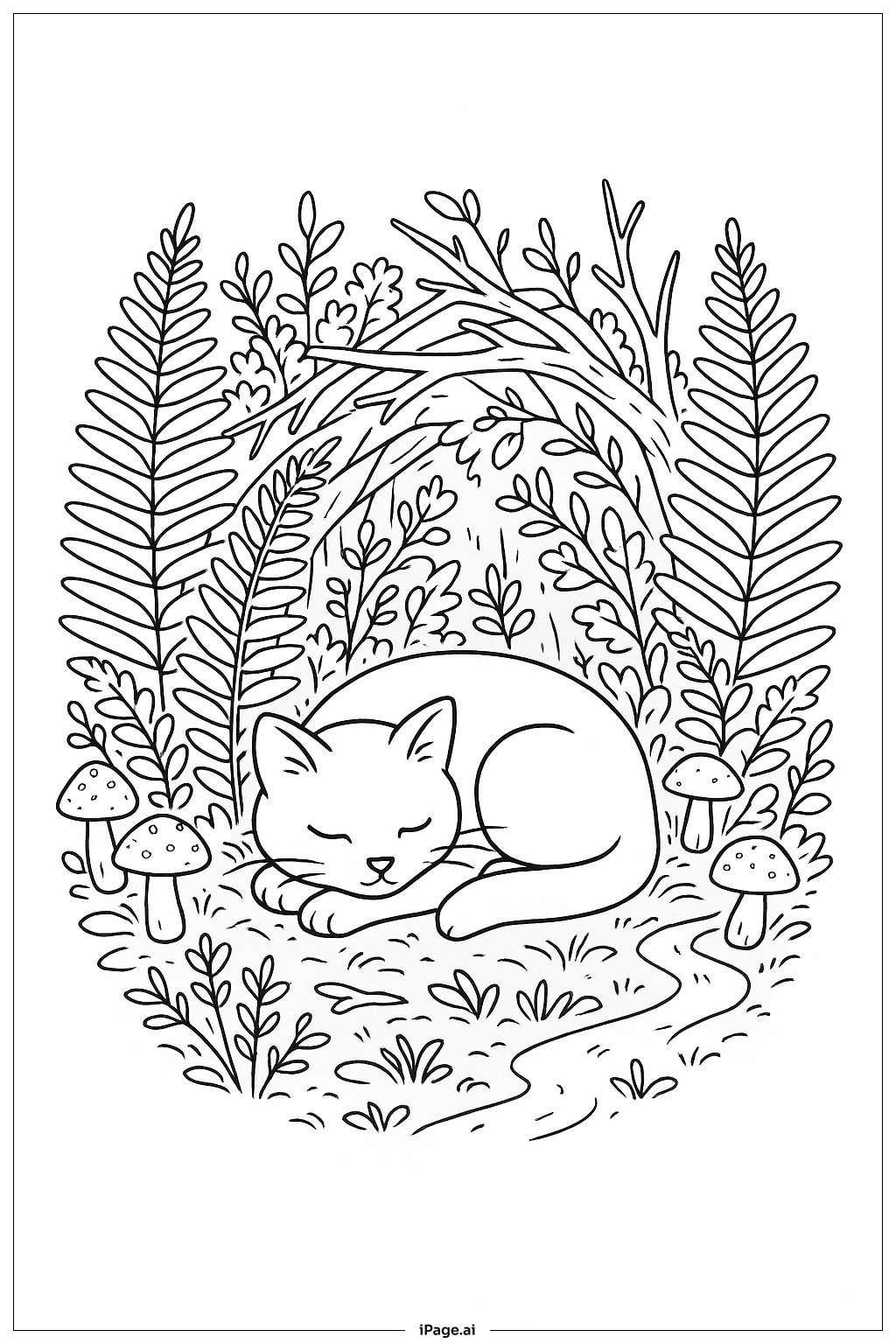
For the sleeping cat, consider using warm colors like orange, cream, or gray to bring the fur to life. You can add depth by using darker shades along the edges and lighter tones in the center to create dimension. The basket offers a wonderful opportunity to use natural browns and tans, with variations in shade to emphasize the woven texture. Try using a darker brown for the crossing strands and a lighter tan for the base. The cushion or bedding inside can be colored with soft pastels like pink, lavender, or light blue to create a cozy atmosphere. For added realism, use colored pencils to create gentle shading under the cat's body and around the basket edges. Don't forget to color the whiskers with a light gray or leave them white for contrast.
Coloring challenges: Which parts are difficult to color and need attention for Catnap in a Basket coloring page?
• Basket Weaving Pattern: The intricate crisscross pattern of the woven basket requires patience and attention to detail. Each strand overlaps and underlaps in a specific way, creating a complex texture. To achieve a realistic woven look, you need to alternate colors or shades carefully, making some strands darker where they pass under others and lighter where they're on top. This challenge helps develop fine motor control and teaches the concept of depth and layering in art.
• Fur Texture and Direction: Creating realistic-looking fur on the sleeping cat presents a unique challenge. The fur flows in different directions across the cat's body, following the natural curves and contours. Coloring along these directional lines rather than in random patterns will make the cat look more lifelike. This requires observation skills and the ability to follow curved lines smoothly. Using varying pressure with colored pencils or layering different shades can add dimension to the fur.
• Shading and Depth: To make this image come alive, understanding where shadows naturally fall is essential. The cat's body creates shadows on the cushion beneath it, the basket rim casts shadows on the interior, and the cat itself has darker areas where light doesn't reach as easily. Learning to identify these shadow zones and apply darker colors appropriately adds three-dimensional quality to the flat image.
• Small Detail Work: Elements like the cat's whiskers, the individual toes on visible paws, and the fine lines in the basket require steady hands and precision. These tiny areas can be challenging to color without going outside the lines, making this an excellent exercise for improving hand-eye coordination and concentration skills.
Benefits of coloring books: Advantages of drawing Catnap in a Basket coloring page
Coloring this peaceful scene offers wonderful relaxation benefits. The repetitive motion of coloring the basket's woven pattern can be meditative and calming, similar to mindfulness exercises. This image encourages focus and concentration as children work on the intricate details. It helps develop fine motor skills through precise coloring within small spaces and following curved lines. The subject matter itself promotes emotional well-being by depicting a serene, cozy moment that can reduce stress and anxiety. Children learn about color theory by experimenting with complementary shades for the cat and basket. This coloring page also nurtures an appreciation for animals and teaches observation skills as they notice how fur lies and how baskets are constructed. Completing this detailed image builds confidence and provides a sense of accomplishment.