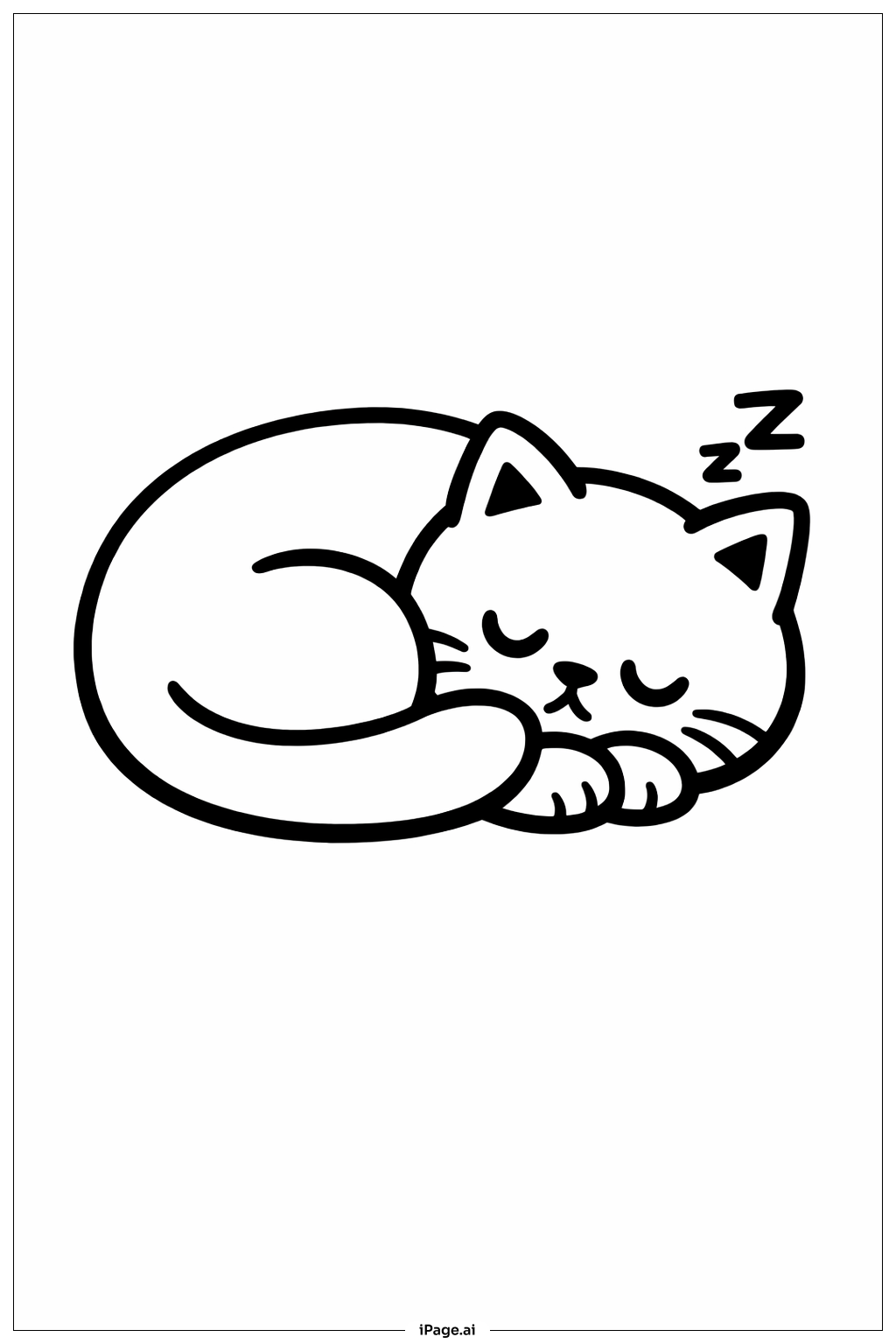
Coloring tips: How to color Sleepy Cat coloring page well?
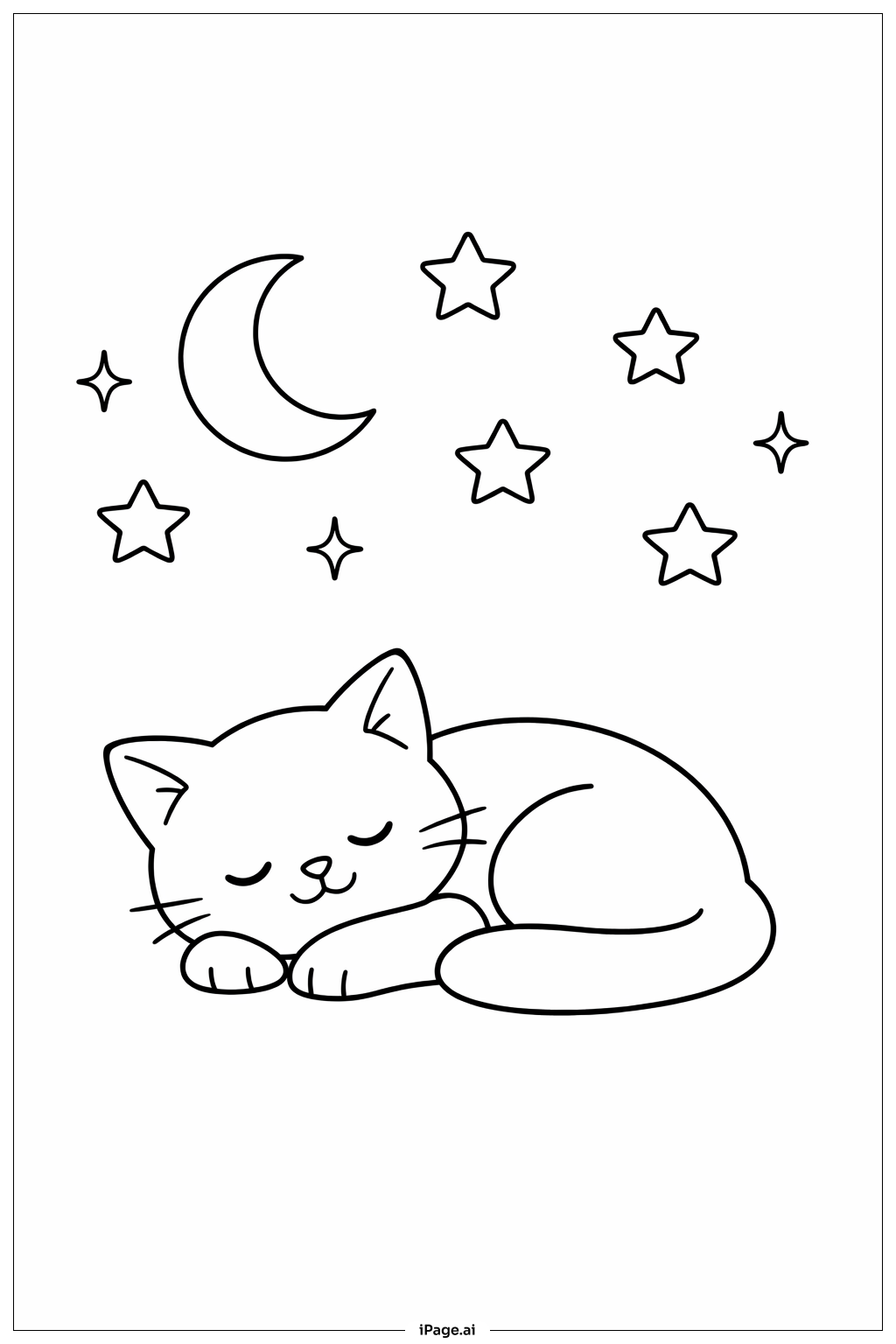
Use soft and warm colors to paint this sleepy cat to show its calm and peaceful mood. Try coloring the cat with light browns, creams, or soft grays. You can add a little pink to the inside of the ears and the nose. For the tail and paws, use slightly darker shades of the main color to create depth. Consider adding a simple background in light blue or green to represent a quiet and relaxing space. Keep the colors light to match the gentle feeling of the sleeping cat.
Coloring challenges: Which parts are difficult to color and need attention for Sleepy Cat coloring page?
1. The cat's body is curled tightly with overlapping parts such as the paws and tail, which can be tricky to color without mixing colors. 2. There are small details like the whiskers, nose, and the 'Z' symbols that need careful coloring to keep them clear. 3. The cat's features and outline are smooth and rounded, so staying inside the lines requires some focus. 4. Adding shading and depth might be challenging because the image is simple with few details, so you need to think about light and shadow on a rounded form. 5. The limited small areas around the paws and ears require gentle strokes to avoid going outside the lines.
Benefits of coloring books: Advantages of drawing Sleepy Cat coloring page
Coloring this sleepy cat helps improve fine motor skills by practicing careful hand movements. It encourages children to observe and understand calm and peaceful emotions through art. The picture also allows kids to experiment with soft and warm colors, which can boost creativity and color recognition. Staying inside the lines can support focus and patience. Overall, it is a relaxing and enjoyable activity that promotes mindfulness and artistic expression.