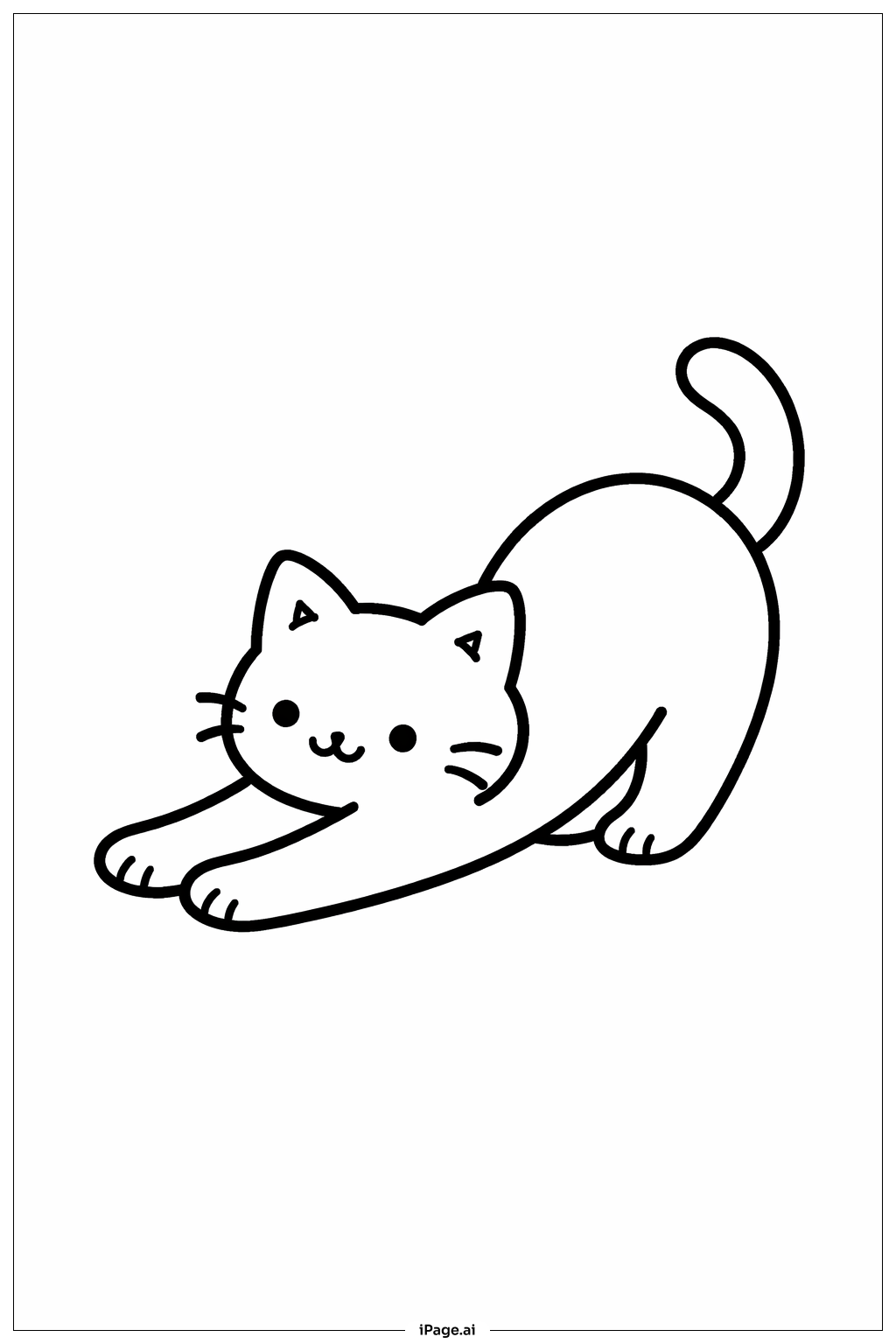
Coloring tips: How to color Cat Stretching coloring page well?
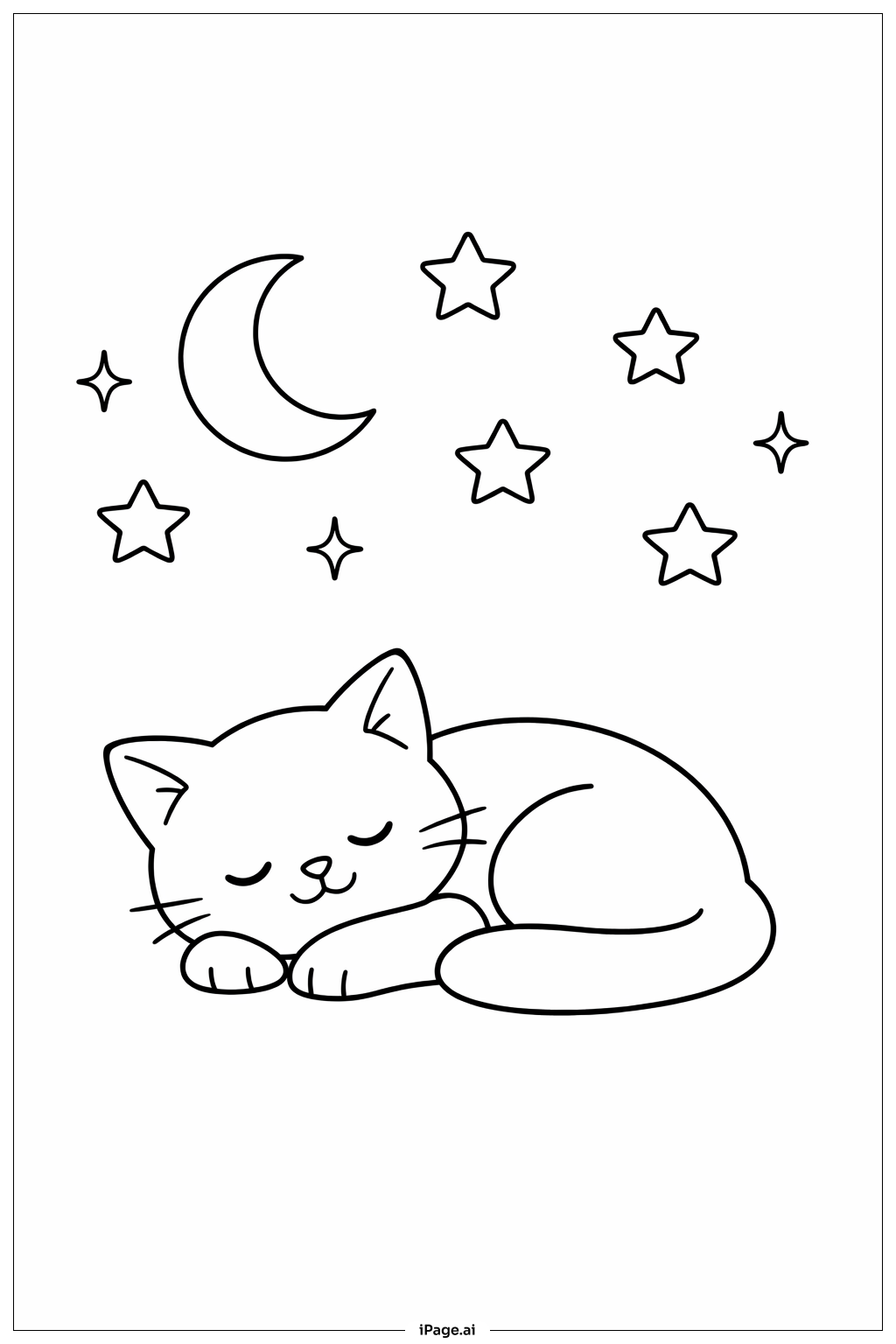
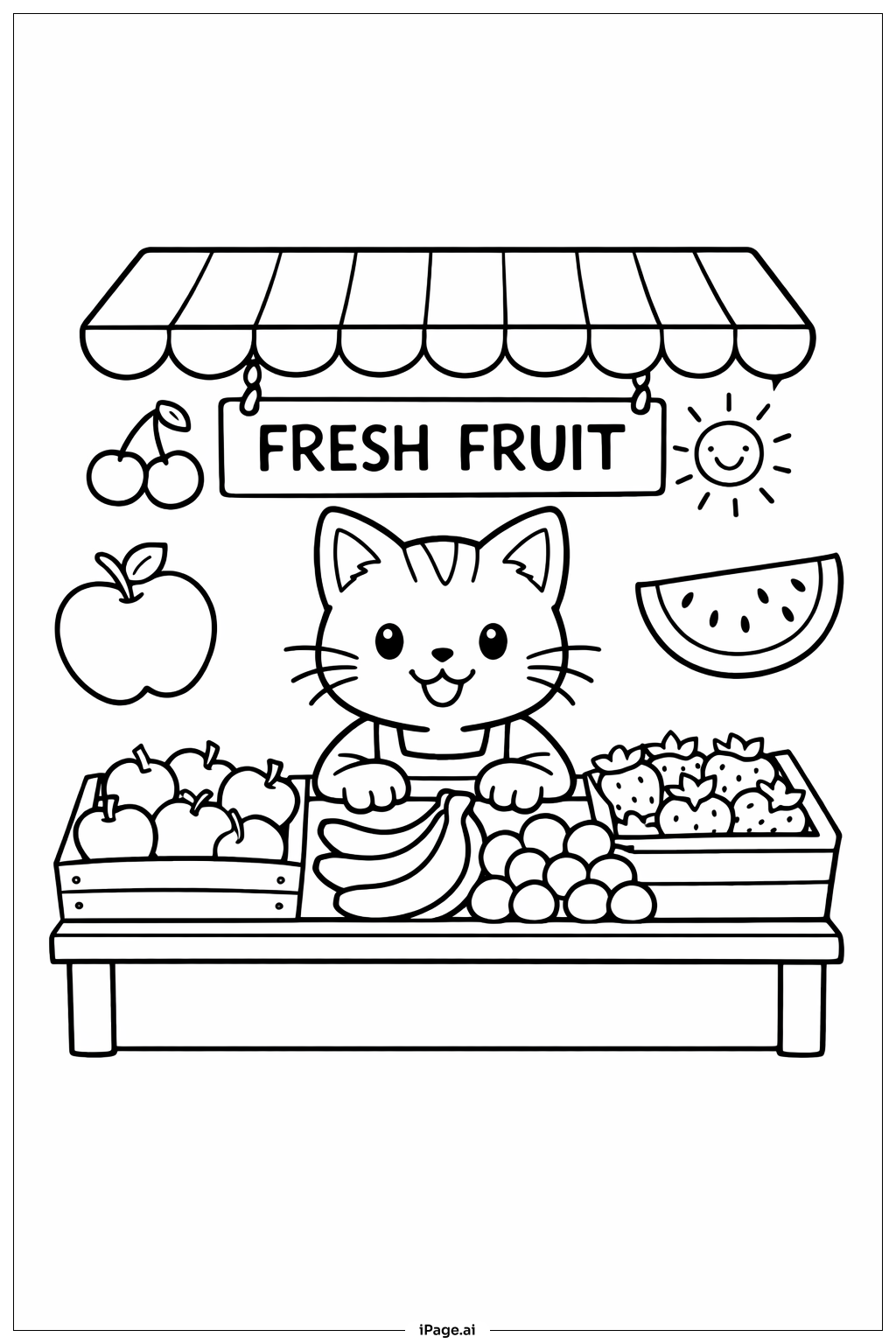
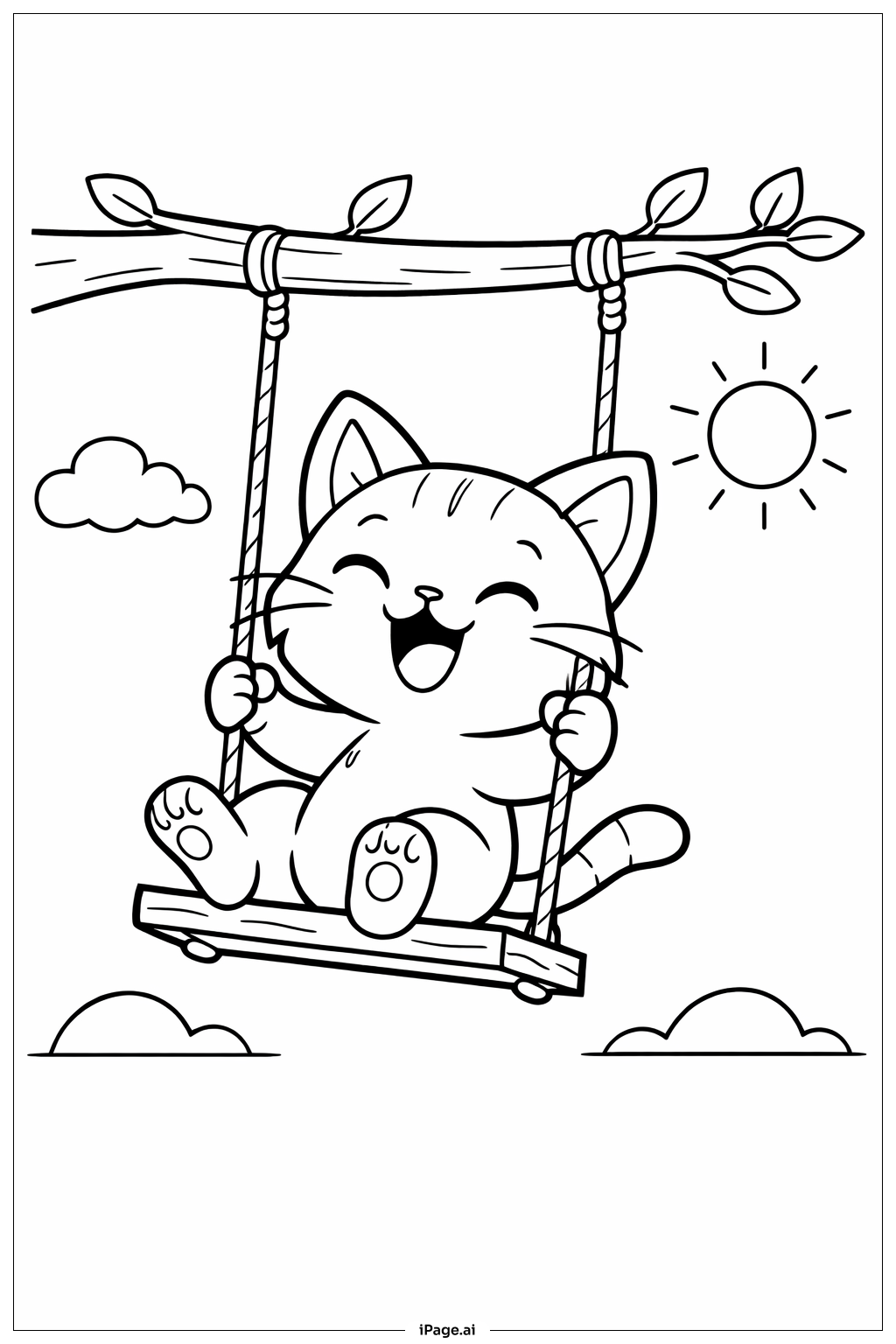
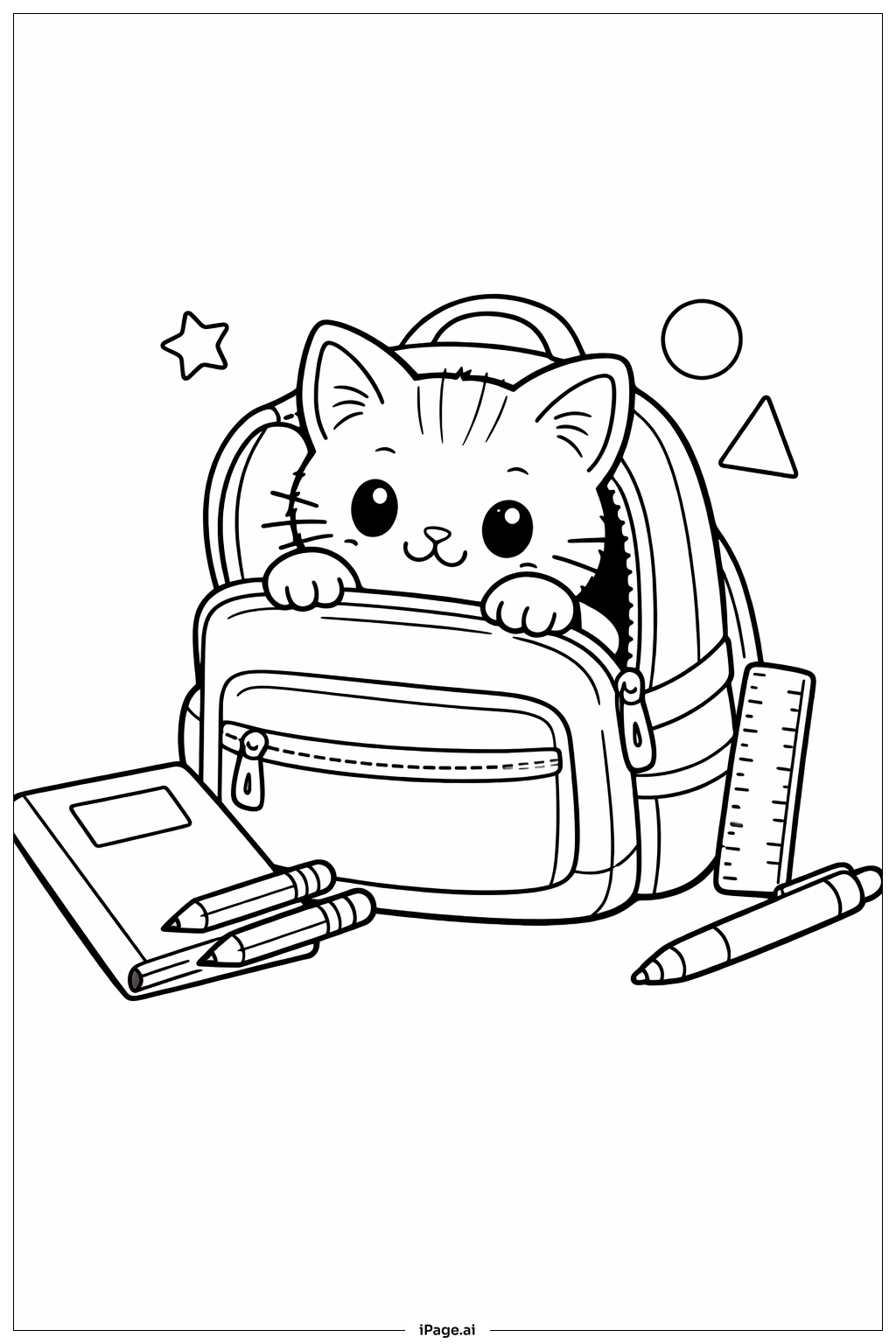
Try using soft colors like light gray, beige, or orange for the cat’s body to make it look friendly and warm. You can add stripes or spots to the cat if you want it to be more realistic or make it colorful and unique with bright colors like blue or purple for a fun effect. Use darker shades for the paws, tail, and ears to add depth. You can also color the eyes black or green for contrast. If you want, add a light shadow under the cat to give a sense of space. Let your imagination guide you and have fun experimenting with your favorite colors!
Coloring challenges: Which parts are difficult to color and need attention for Cat Stretching coloring page?
1. The shape of the cat’s body is smooth and rounded, which may make it a little tricky to color inside without going over the edges. 2. The cat’s paws are small and close together, requiring careful coloring to keep the lines neat. 3. The whiskers and small details on the face need precision to avoid smudging or coloring outside the lines. 4. Adding shading or texture to make the cat look more 3D can be challenging for younger children. 5. Deciding color patterns like stripes or spots might be confusing for beginners who are not used to coloring animals.
Benefits of coloring books: Advantages of drawing Cat Stretching coloring page
Coloring this cat helps improve hand-eye coordination as children practice staying within the lines. It encourages creativity by letting kids choose colors and patterns for their cat. The simple and cheerful expression of the cat can boost mood and make coloring enjoyable. It also teaches focus and patience through coloring small details like paws and whiskers. This activity is great for developing fine motor skills and can be relaxing and fun for children of many ages.