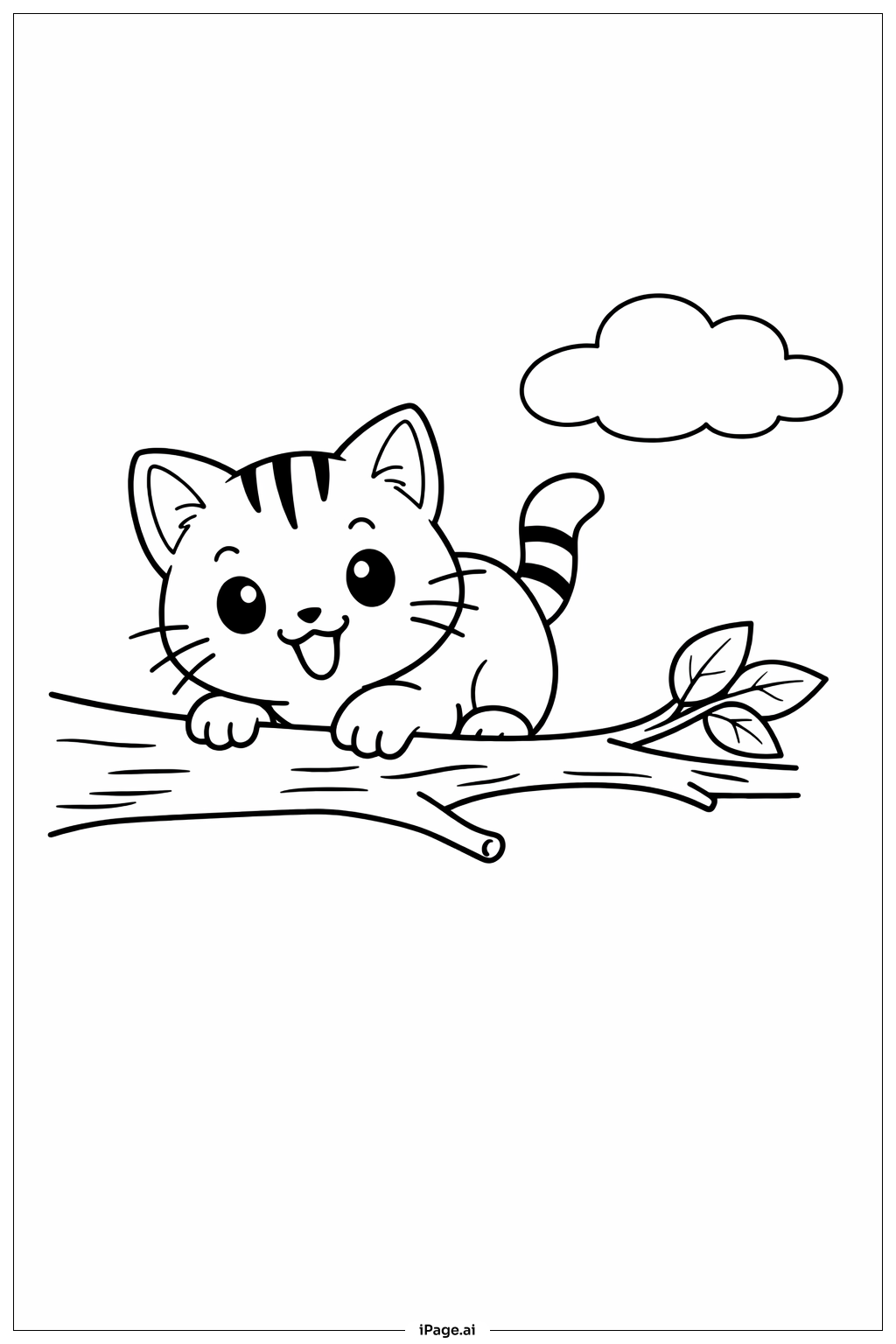
Coloring tips: How to color Cat On Tree Branch coloring page well?
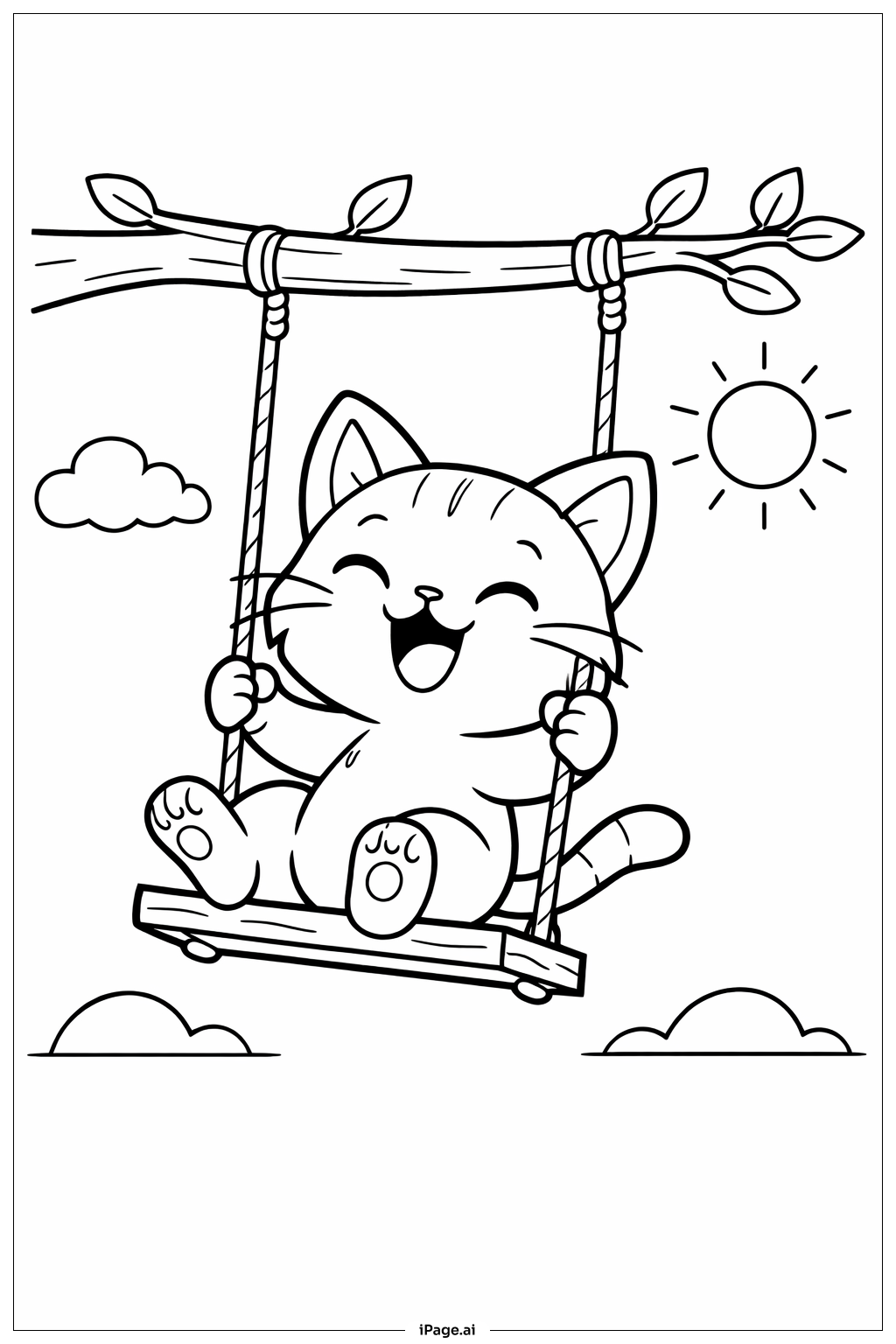
Start with the cat's body. Light orange or golden yellow works well for a tabby look. Soft gray or cream is great for a classic house cat feel. Add darker stripes using brown or dark gray to show fur texture. Use a warm brown or tan for the tree bark, with darker brown for the deeper grooves. Color the leaves in bright or olive green, and mix in some yellow for a sun-lit effect. Give the cat bright green or amber eyes to make them pop. A pink nose and inner ears add a cute, lifelike touch. Use light blue or soft purple in the background to create a calm, open-sky feel. Let kids choose their own colors too — there are no wrong choices here. The goal is to have fun and enjoy the process.
Coloring challenges: Which parts are difficult to color and need attention for Cat On Tree Branch coloring page?
• Cat Fur Texture: The cat's body is covered in fine lines that represent its fur. Coloring these small, closely spaced lines takes patience. Try using short, light strokes that follow the direction of the fur. Layering two similar shades can help create depth and make the coat look soft and realistic.
• Facial Details: The cat's face has small, delicate features — tiny eyes, a little nose, and thin whisker lines. These areas are tricky to color neatly because the spaces are very small. Use a sharpened pencil or a fine-tip marker to stay within the lines and bring out the cat's expression without covering the details.
• Tree Bark Texture: The bark of the tree has many curved and overlapping lines that create a rough, natural look. Coloring bark well means using at least two or three shades of brown and applying them unevenly to mimic the natural pattern. This can be challenging for younger colorists but very rewarding when done carefully.
• Leaves and Branches: The leaves and smaller branches surround the cat and vary in shape and size. Keeping each leaf a slightly different shade of green adds visual interest but requires focus to avoid colors bleeding into one another. Switching between light and dark greens keeps the foliage looking fresh and layered.
• Blending the Overall Scene: Making the cat stand out from the tree background is one of the biggest challenges. Choosing contrasting colors for the cat and the tree helps create separation and makes the whole image look balanced and visually pleasing.
Benefits of coloring books: Advantages of drawing Cat On Tree Branch coloring page
Coloring this image of a cat sitting on a tree branch offers many wonderful benefits for kids and beginners alike. First, it builds focus and concentration. Staying inside the lines and working through detailed areas like fur and bark trains the brain to pay close attention. Second, it encourages creativity. Choosing colors for the cat, tree, and background gives colorists a chance to express themselves freely. There is no single right answer, and that freedom builds confidence. Third, it helps develop fine motor skills. Handling colored pencils or markers while coloring small details like the cat's face or leaf edges strengthens hand-eye coordination. Fourth, it is relaxing. The quiet, repetitive motion of coloring is calming and can reduce stress or anxiety, even for young children. Finally, finishing the page gives a real sense of accomplishment. Seeing a completed, colorful scene that you created yourself is a rewarding feeling that encourages kids to keep creating and exploring art.