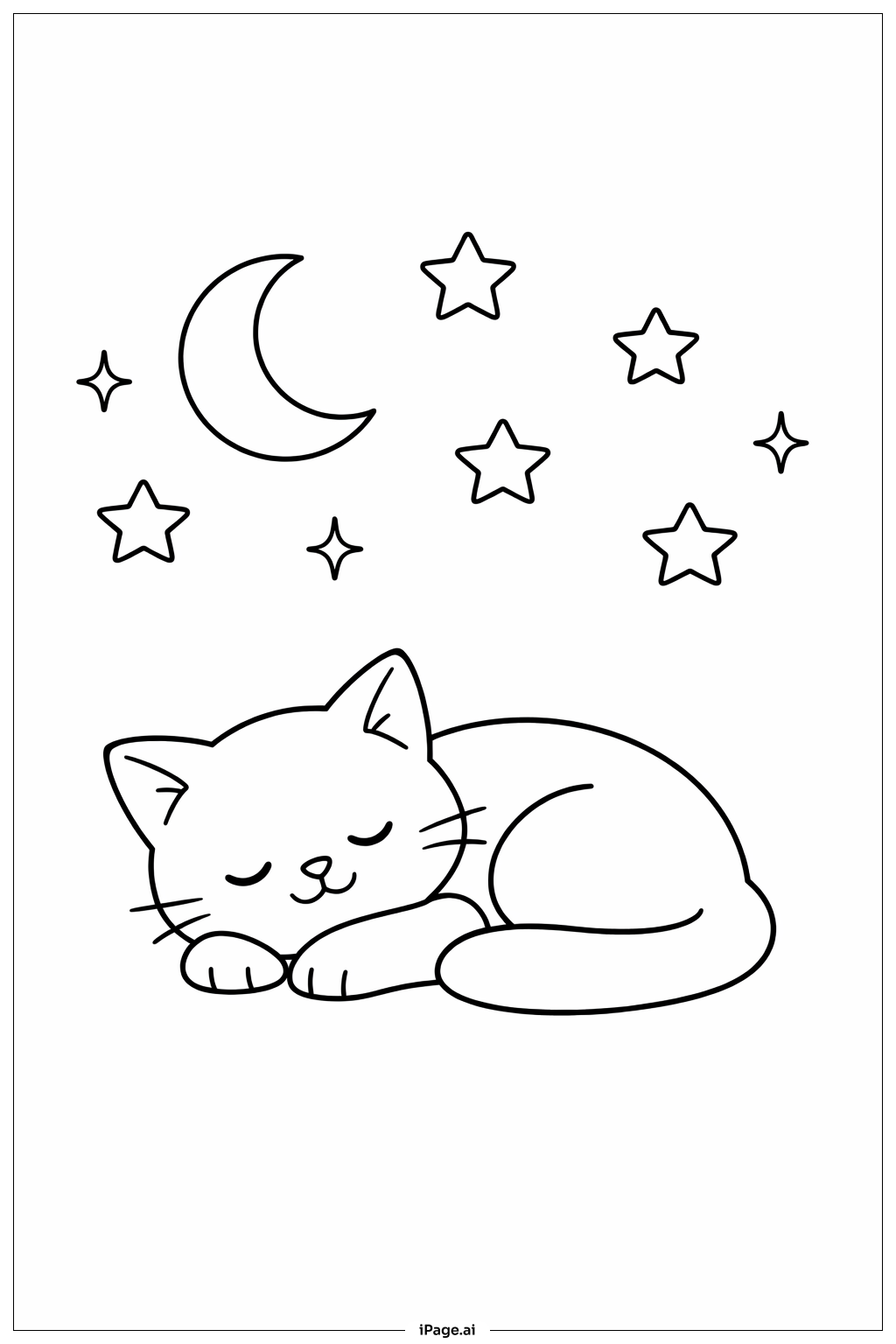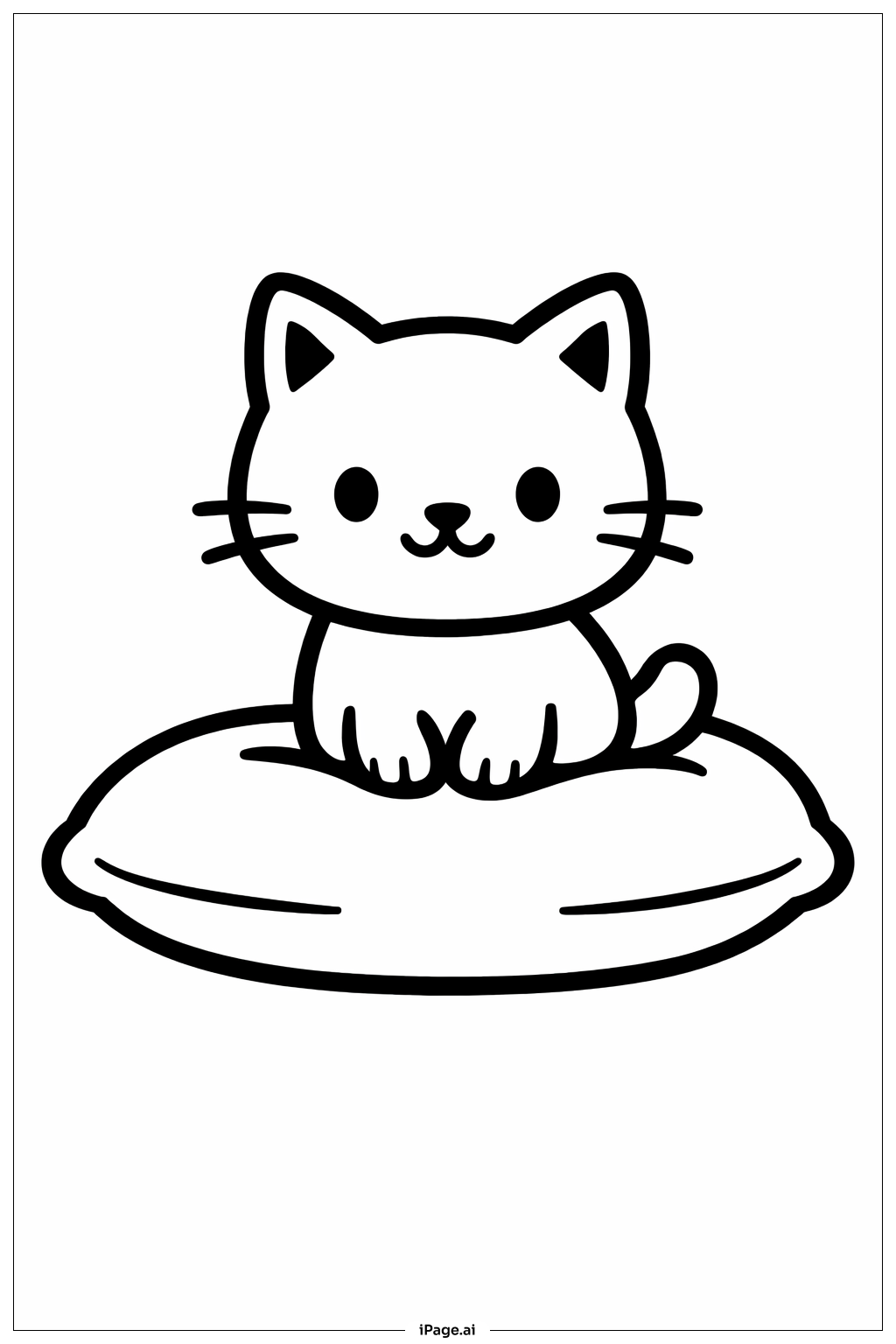
Coloring tips: How to color Cat On Pillow coloring page well?
For the cat, consider using warm colors like orange, brown, or gray for a realistic tabby or calico pattern. You could also choose cream, white, or black for classic cat colors. Try adding subtle shading with colored pencils to show the soft, fluffy texture of the fur. For the pillow, pick complementary colors that make the cat stand out—perhaps soft blues, pinks, or lavender. You can add patterns to the pillow fabric using stripes, polka dots, or floral designs. Use lighter shades on the raised parts of the pillow and darker tones in the creases to create dimension. Add a touch of pink to the cat's nose and inner ears for a cute detail. Consider using blending techniques to create smooth color transitions, especially on the cat's fur and the pillow's soft fabric.
Coloring challenges: Which parts are difficult to color and need attention for Cat On Pillow coloring page?
• Fur Texture Details: The cat's fur requires careful attention to create a realistic, fluffy appearance. Children may find it challenging to color the fine lines and overlapping fur patterns without making them look flat. Using short, light strokes in the direction of fur growth helps, but this technique requires patience and practice. Blending multiple shades of the same color family can add depth, but younger children might struggle with this advanced technique.
• Pillow Shading and Dimension: Creating the appearance of a soft, three-dimensional pillow presents a significant challenge. The folds and creases need darker colors in the recessed areas and lighter colors on the raised surfaces. Understanding where light hits the pillow and where shadows form requires spatial awareness that develops with practice. Without proper shading, the pillow may appear flat rather than plump and inviting.
• Color Coordination: Choosing colors that work well together for both the cat and pillow can be tricky. Children need to consider contrast so the cat doesn't blend into the pillow. If both elements are colored with similar tones, the image loses visual interest and clarity. Learning color theory basics, like complementary colors and warm versus cool tones, helps create a balanced, appealing composition.
• Fine Detail Work: The cat's facial features, including closed eyes, nose, and whiskers, contain small areas that require precision coloring. Staying within the lines of these tiny spaces can be difficult, especially for younger children still developing fine motor control. Using sharp colored pencils or fine-tipped markers helps, but patience is essential to avoid coloring outside the boundaries.
Benefits of coloring books: Advantages of drawing Cat On Pillow coloring page
Coloring this peaceful cat scene offers wonderful benefits for children. It promotes relaxation and mindfulness as they focus on the calm, restful image of a sleeping cat. This can help reduce stress and anxiety, making it perfect for quiet time activities. The detailed fur texture and pillow patterns improve fine motor skills and hand-eye coordination as children carefully color within the lines. Working with different shading techniques to create the soft appearance of fur and fabric enhances their understanding of light, shadow, and dimension. This coloring page also encourages creativity as children choose their own color combinations for the cat and pillow. They can experiment with realistic colors or let their imagination run wild with fantasy hues. Completing this cozy scene builds confidence and provides a sense of accomplishment, while the gentle subject matter fosters appreciation for pets and the simple pleasures of comfort and rest.