Coloring tips: How to color Cat In The Hat Sleeping Pillow coloring page well?
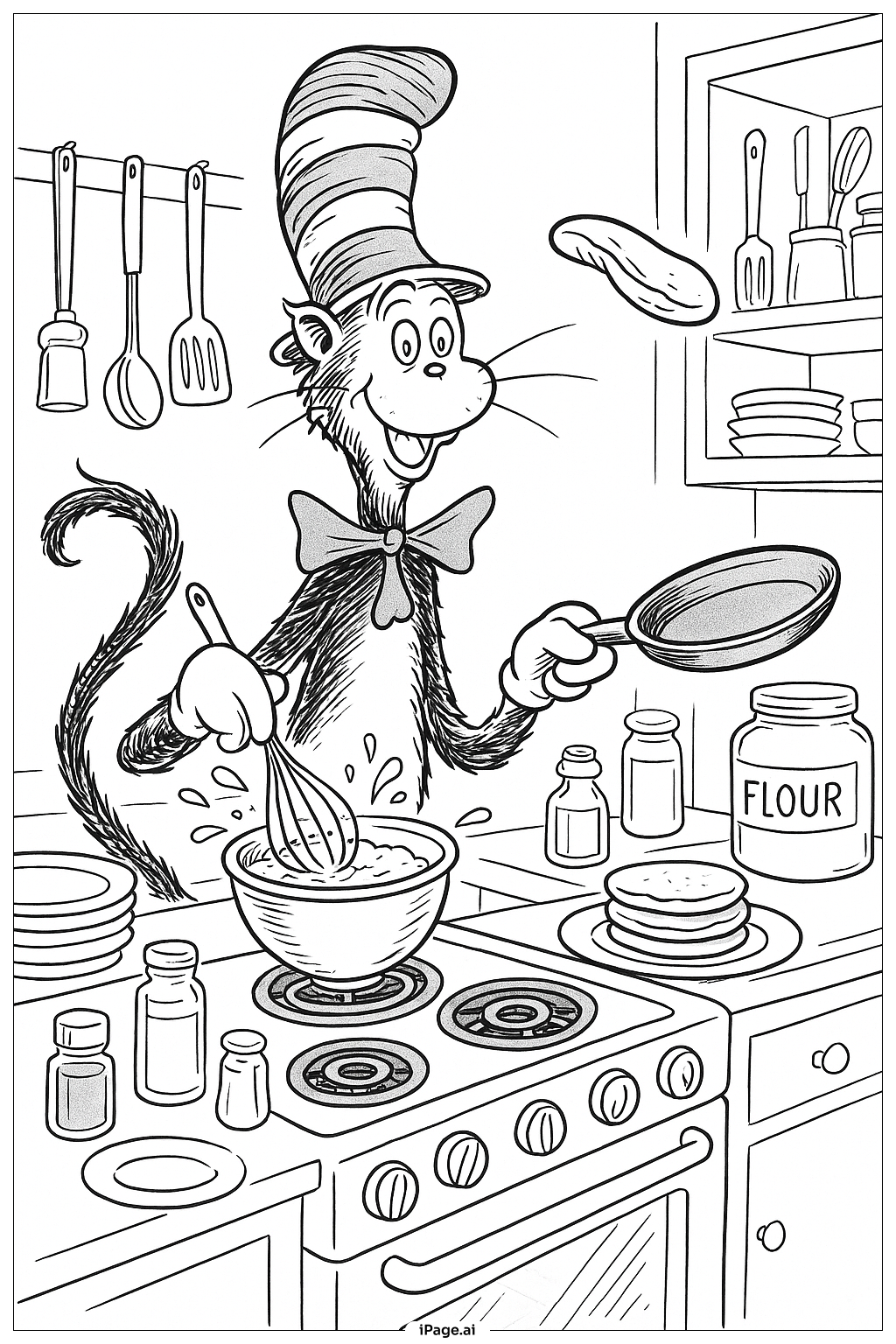
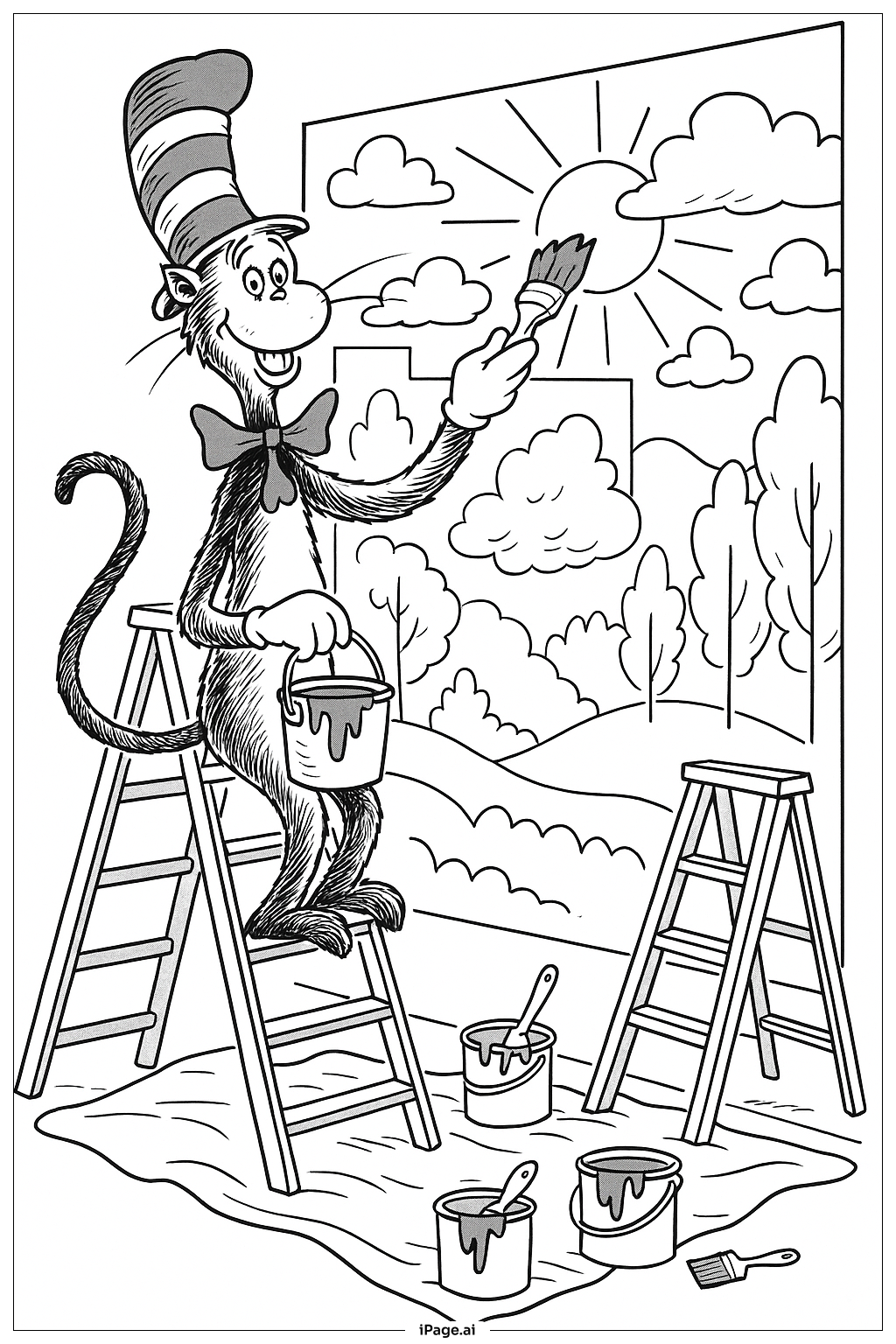
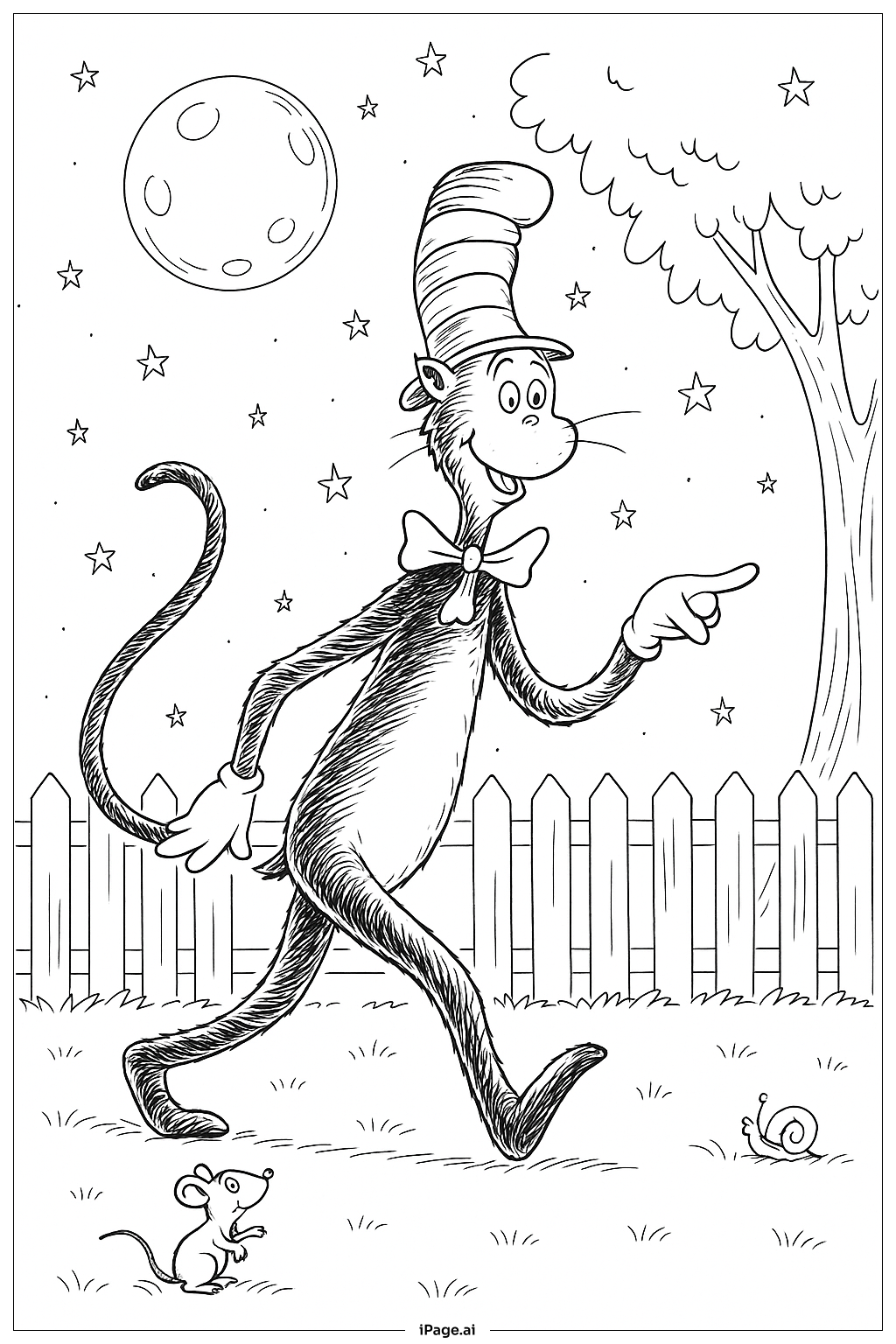
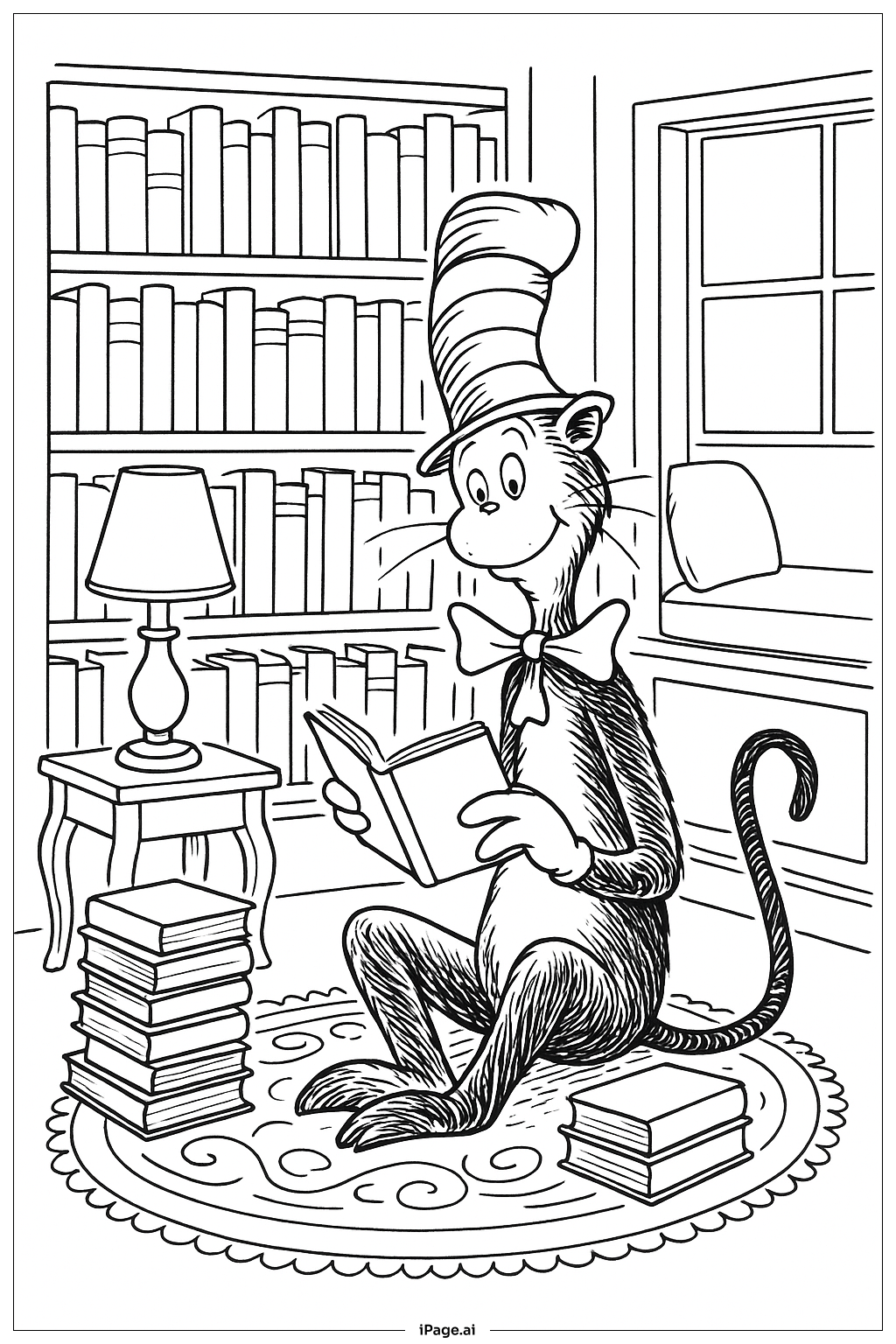
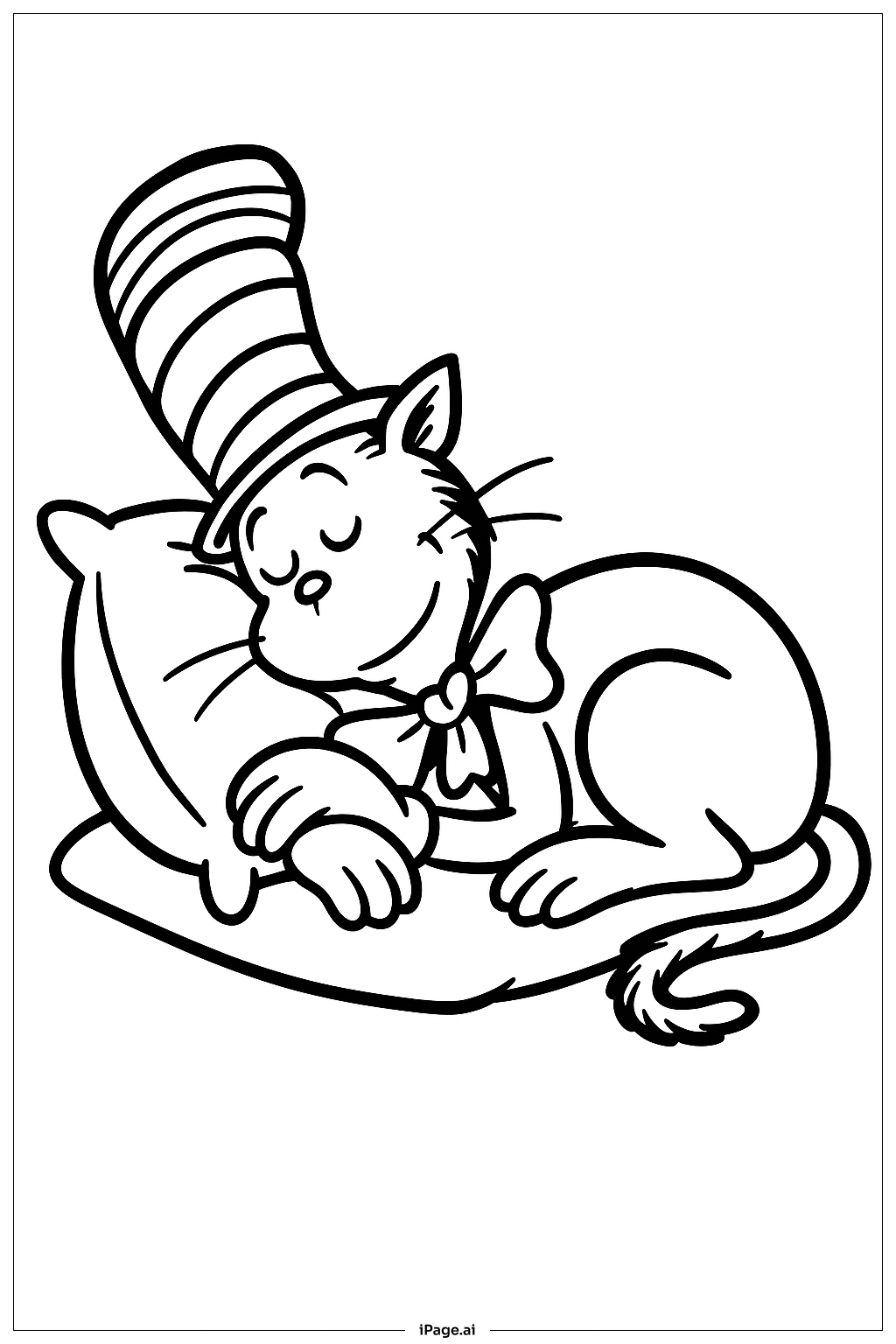
Start with the Cat In The Hat's hat. Use bold red and white stripes to make it pop. His bow tie looks great in red too. For his fur, try a soft light gray or warm white. The pillow can be any color you like — pastel blue, lavender, or sunny yellow all work beautifully. Add light pink or cream tones to the pillow frills for a soft, cozy feel. If there are dream bubbles or stars floating around, color them in pale gold or shimmery silver. Use soft shading inside the bubble outlines to make them look dreamy and magical. Keep the background light — a pale sky blue or soft mint green helps the character stand out. Don't be afraid to mix colors on the pillow fabric to create fun patterns. Try blending two shades of the same color for a gentle gradient effect on the blanket or pillow folds. This scene is all about warmth and coziness, so choose colors that feel soft, calm, and inviting.
Coloring challenges: Which parts are difficult to color and need attention for Cat In The Hat Sleeping Pillow coloring page?
• Hat Stripes Precision: The Cat In The Hat's tall striped hat is one of the trickiest parts to color. The stripes are narrow and must alternate cleanly between red and white. Coloring inside the lines without letting colors bleed into each other takes a steady hand. Using a fine-tipped marker or a sharpened colored pencil will help keep each stripe neat and even.
• Fur Texture and Shading: The Cat's fluffy fur can be challenging to color realistically. A flat single color can look dull, so adding light and shadow with two or three shades of gray or white creates depth. Short, feathery strokes with a pencil work best to mimic the look of soft fur rather than a solid block of color.
• Pillow Folds and Creases: The soft pillow has gentle folds and curved edges that need careful shading to look three-dimensional. Coloring the deeper crease areas with a darker shade of the same color, and leaving raised areas lighter, helps the pillow look fluffy and real. This kind of layered shading can be difficult for younger colorists.
• Dream Bubbles and Small Details: If the image includes floating bubbles or tiny stars, these small shapes require careful, delicate coloring. Staying inside very small outlines without smudging is a real challenge. A fine-point tool and a light touch are essential here.
• Balancing the Overall Color Palette: Bringing all the elements together so the whole image looks harmonious can be surprisingly tricky. Bold hat stripes, soft fur, and a cozy pillow all need to feel balanced. Choosing colors that complement each other, rather than clash, takes some planning before you begin.
Benefits of coloring books: Advantages of drawing Cat In The Hat Sleeping Pillow coloring page
Coloring this Cat In The Hat Sleeping Pillow page offers a wonderful mix of fun and learning for kids and adults alike. First, it helps build fine motor skills. Carefully coloring the hat stripes, fur details, and pillow folds trains little hands to control pencils and markers with greater precision. This is especially valuable for younger children aged 4 to 8. Second, it encourages creativity. Choosing colors for the pillow, blanket, and dream bubbles lets colorists make their own artistic decisions and express their personal style. There is no wrong answer — every color choice tells a unique story. Third, the peaceful, sleepy theme of the image has a naturally calming effect. Focusing on a quiet, cozy scene helps reduce stress and anxiety, making it a great activity before bedtime for children. Fourth, spending time with a familiar and beloved character like the Cat In The Hat strengthens a child's connection to storytelling and literature. It can spark conversations about the original Dr. Seuss books and inspire a love of reading. Finally, completing the page gives colorists a genuine sense of accomplishment, which builds confidence and encourages them to take on more creative challenges.