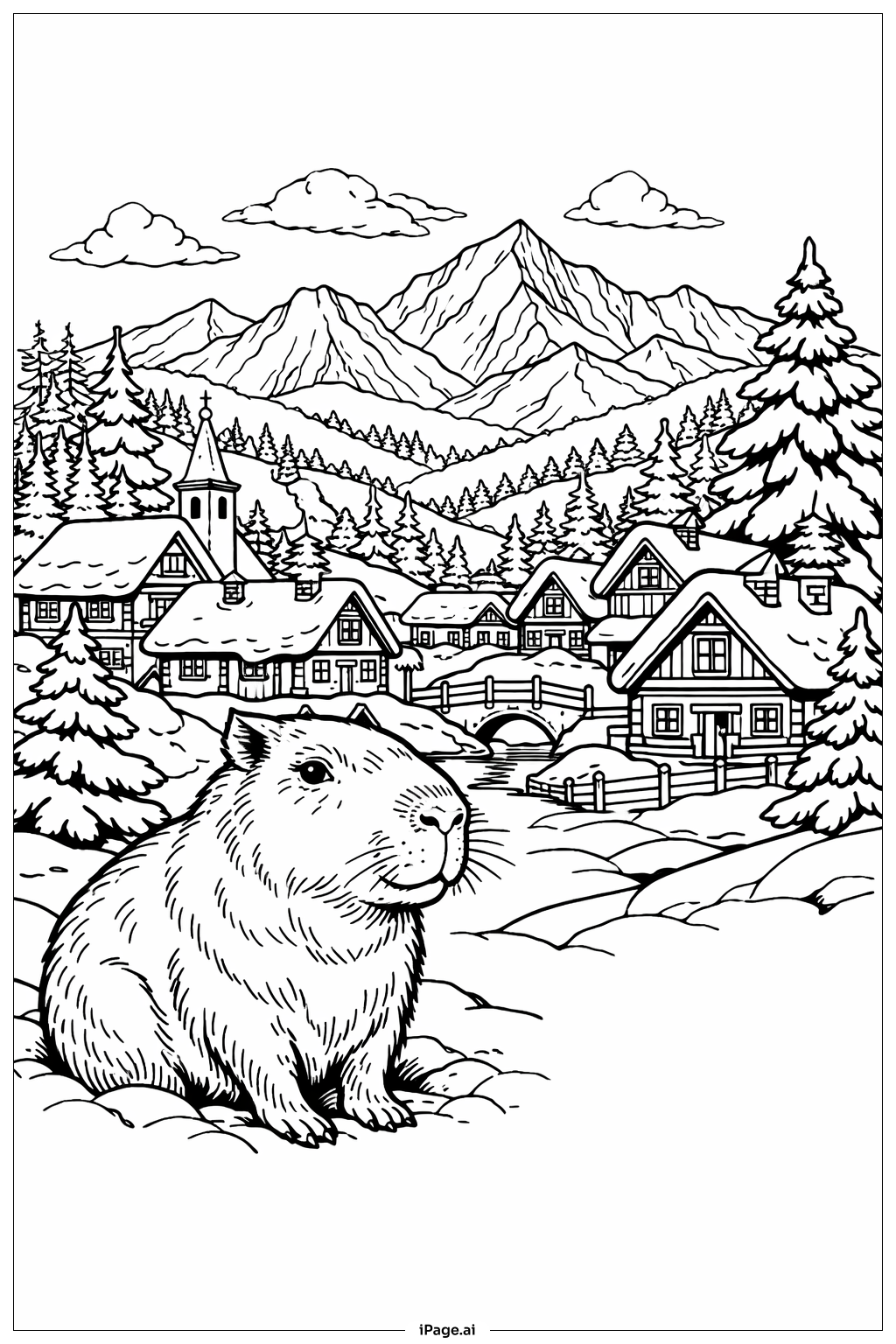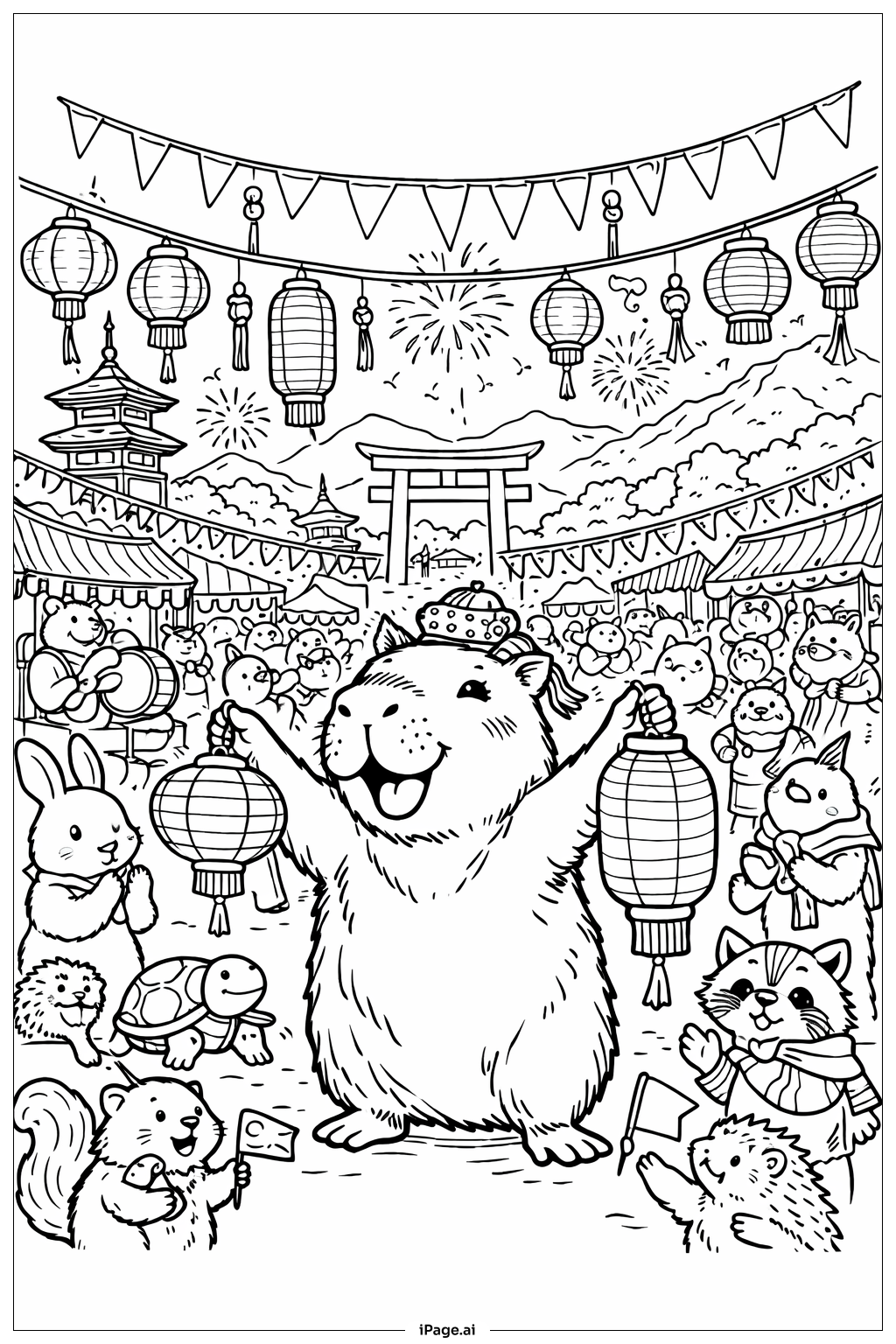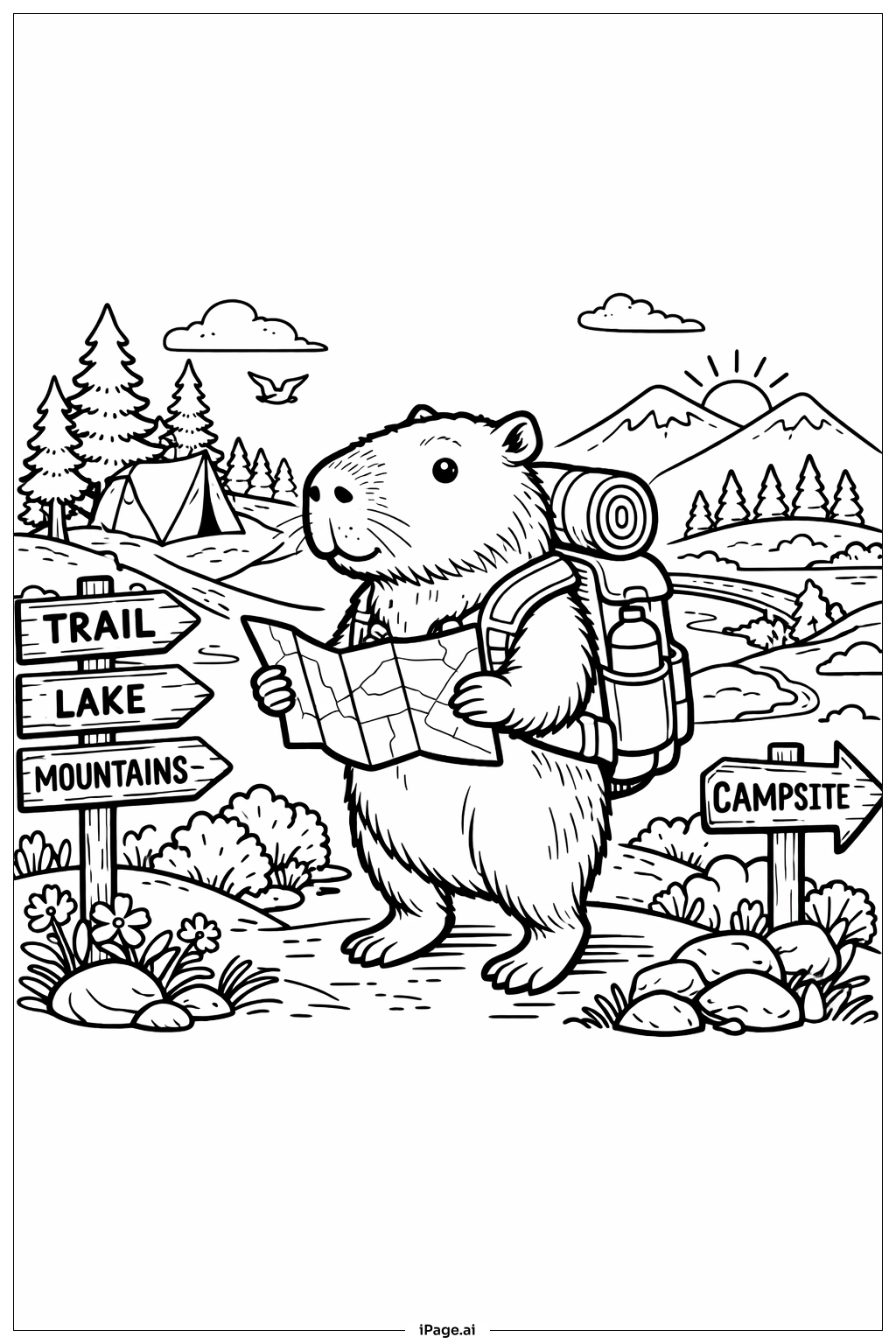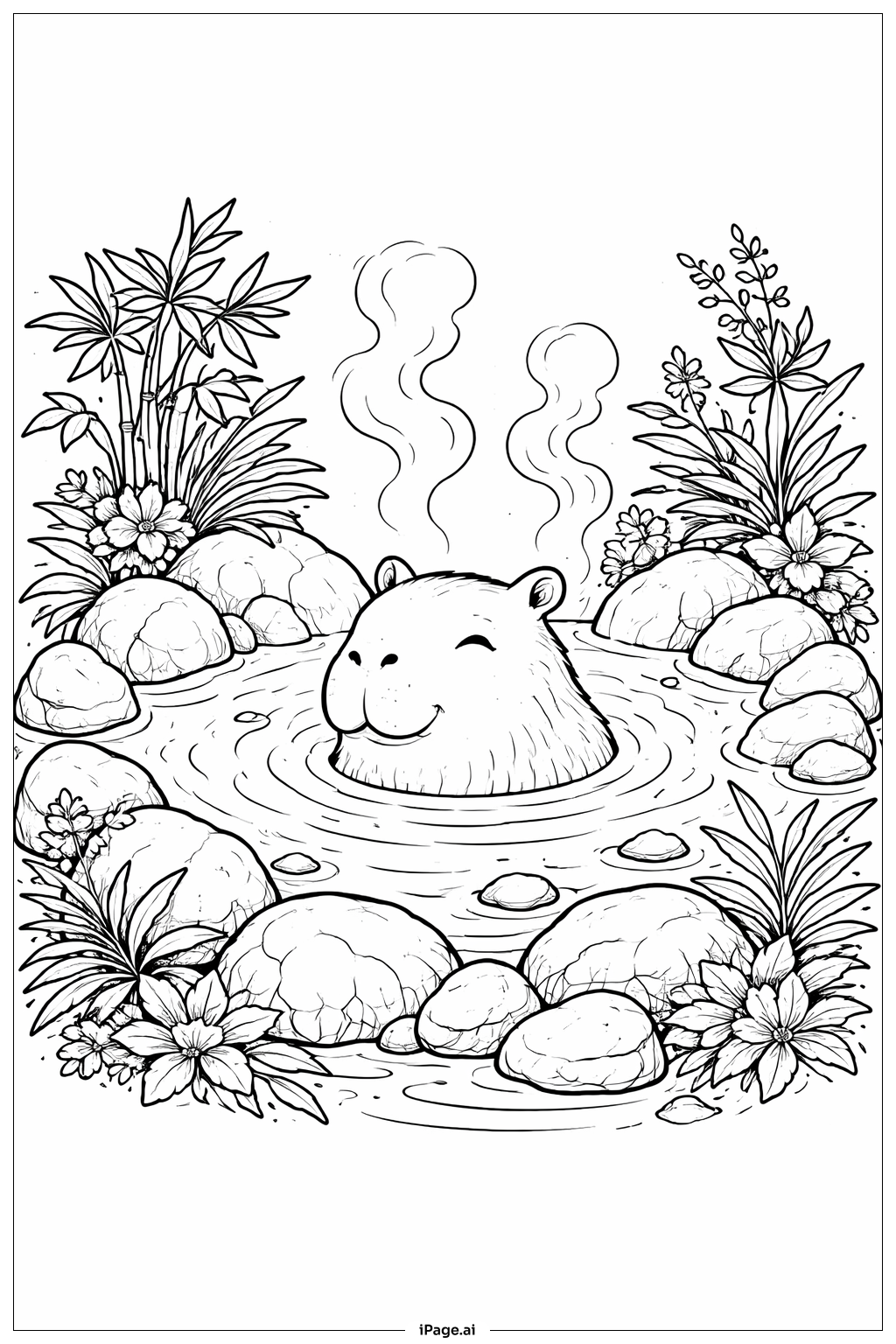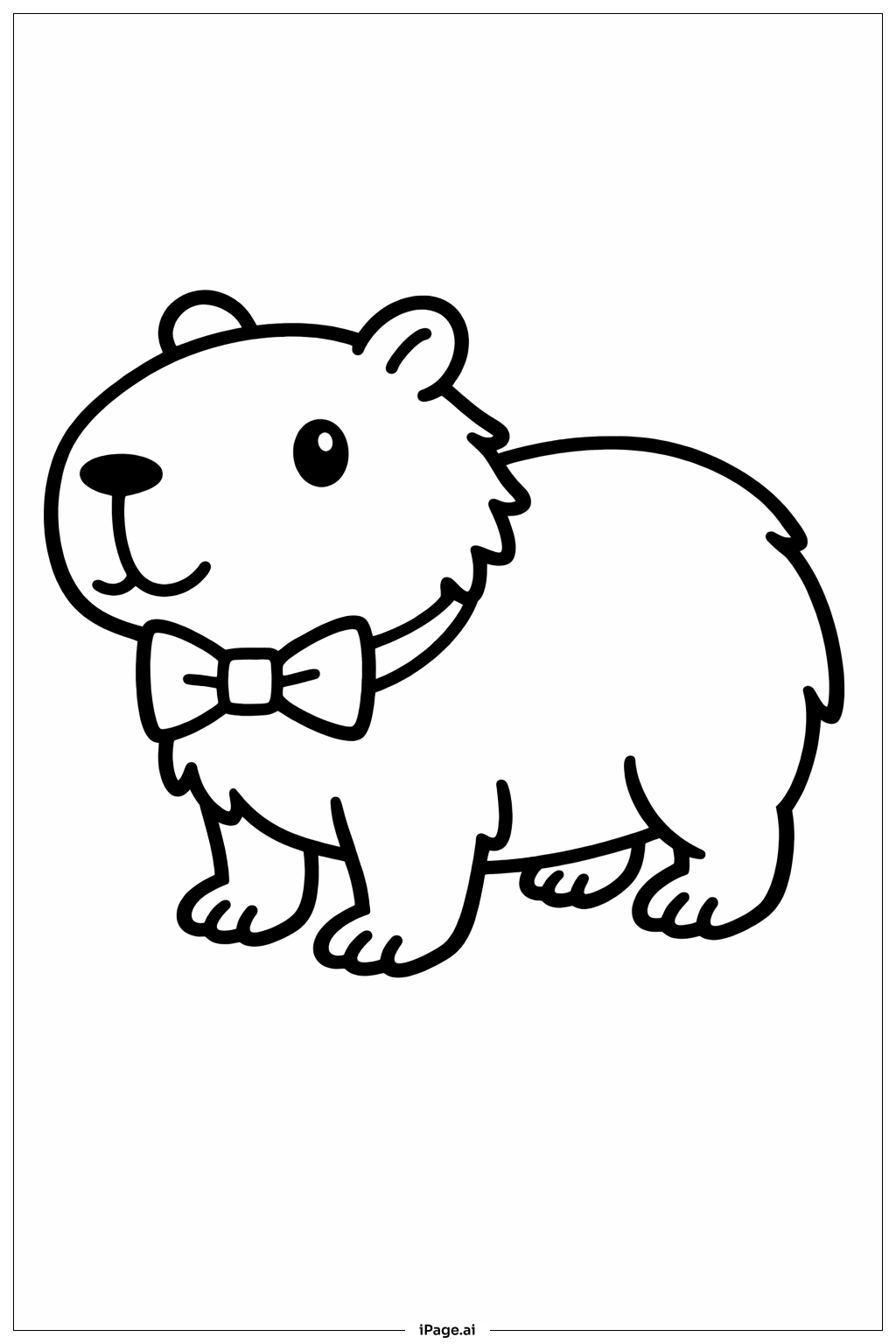
Coloring tips: How to color Capybara With Bow Tie coloring page well?
Start with the capybara's body. Capybaras are usually brown, so try warm shades like tan, golden brown, or reddish brown. You can use a lighter color on the belly and face to show softness. For the nose and ears, go a bit darker or add a pink tint inside the ears. The eyes can be dark brown or black with a tiny white dot for a shiny, lively look. Now for the fun part — the bow tie! Use any bright or bold color you love, like red, blue, purple, or even a fun pattern with polka dots or stripes. This is your chance to make the capybara look extra fancy. Try using colored pencils for the fur to create gentle texture by layering light strokes. Markers work great for the bow tie to make it pop. There are no wrong choices here — just have fun and let your creativity shine!
Coloring challenges: Which parts are difficult to color and need attention for Capybara With Bow Tie coloring page?
• Fur Texture and Shading: Capturing the coarse, thick fur of a capybara can be tricky. Rather than filling the body with one flat color, try layering two or three shades of brown. Use short, directional strokes that follow the natural flow of the fur to give it a more realistic and textured look. This requires patience and a light hand, especially when blending.
• Smooth Gradients on the Face: The capybara's large, flat snout and soft facial features need gentle color transitions. Going too dark too quickly can make the face look harsh. Practice blending from a lighter tone near the muzzle to a slightly deeper shade around the cheeks and forehead to create a natural, rounded appearance.
• Bow Tie Precision: The bow tie is a small but important detail. Staying neatly within its outlines while adding color or patterns takes careful control. If you want to add stripes or dots to the bow tie, use a fine-tipped tool and work slowly to keep things even and clean.
• Eye Detail: The eyes are small and expressive. Getting them right makes the whole image come alive. Use a dark base color, then carefully add a tiny white highlight to give the eyes a bright, friendly sparkle. Coloring such a small area without smudging the surrounding fur color requires a steady hand.
• Color Contrast Between Body and Bow Tie: Making sure the bow tie stands out against the brown fur is a key challenge. Choosing a bold, contrasting color like red, teal, or yellow for the bow tie will help it pop and give the image a lively, finished look.
Benefits of coloring books: Advantages of drawing Capybara With Bow Tie coloring page
Coloring this Capybara With Bow Tie page is a fun and rewarding activity for kids and adults alike. Here are some of the great benefits it offers.
It builds focus and concentration. Staying within the lines and adding details like fur texture or bow tie patterns encourages kids to slow down and pay close attention.
It sparks creativity. Choosing colors for the capybara's fur and designing the bow tie lets colorists express their own personality and imagination. There are no wrong answers — every version is unique.
It develops fine motor skills. Handling pencils or markers carefully, especially around small areas like the eyes and bow tie, strengthens hand-eye coordination and helps younger kids prepare for writing.
It teaches about animals. This page introduces children to the capybara, one of the world's largest rodents. It's a gentle, friendly animal that many kids may not know much about, making coloring both fun and educational.
It promotes relaxation. The simple, clean outlines and the cheerful subject make this a calming activity. Coloring is a great way for kids and adults to unwind, reduce stress, and enjoy a quiet, screen-free moment. It's a small creative escape that leaves you with something to be proud of.