Coloring tips: How to color Capybara On Log coloring page well?
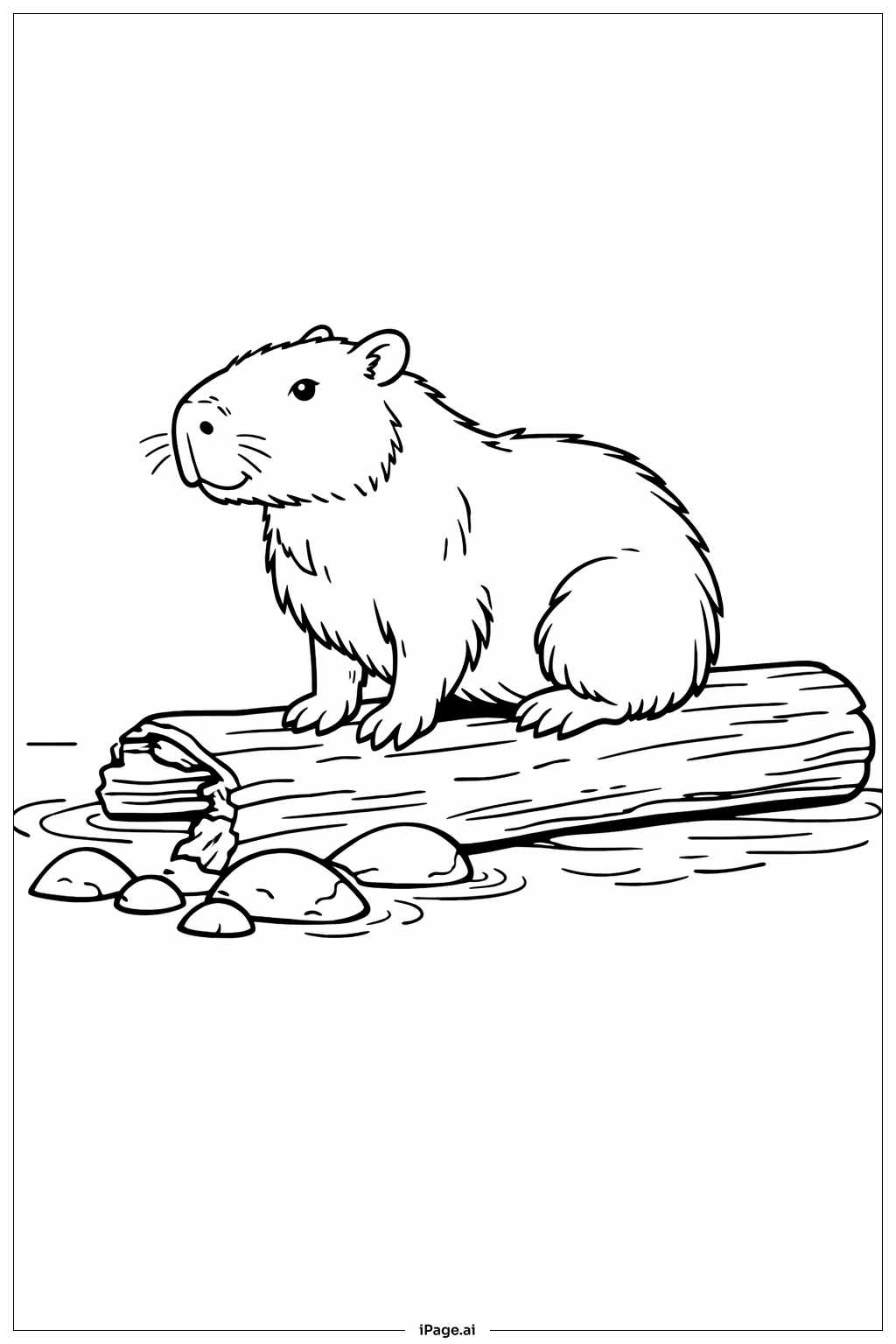
For the capybara, use warm brown tones like tan, light brown, or golden beige to capture its natural fur color. You can add darker brown shading around the edges to create depth and dimension. The log can be colored in rich wood tones such as dark brown, chestnut, or gray-brown, with lighter tan highlights on the bark texture to make it look realistic. Consider using darker shades in the cracks and crevices of the bark. The surrounding flowers offer a great opportunity to add bright, cheerful colors like pink, yellow, purple, or orange. Color the grass and leaves in various shades of green, from light lime to deep forest green, to create a lively natural setting. Add subtle shadows beneath the capybara and around the log using light gray or darker versions of your base colors to make the image more three-dimensional.
Coloring challenges: Which parts are difficult to color and need attention for Capybara On Log coloring page?
• Fur Texture Details: The capybara's fur requires careful attention to create a realistic, fluffy appearance. The challenge lies in using light, consistent strokes or gentle blending to avoid harsh lines while maintaining the soft texture. Children may find it difficult to keep the coloring even across the large body area without creating patches or streaks. Using colored pencils with a light touch or layering techniques can help achieve the desired softness.
• Log Bark Texture: The wood grain and bark texture on the log present a complexity that requires patience and observation. The natural patterns, knots, and grooves need varied shading to look authentic. Colorists must use multiple shades of brown and practice directional coloring that follows the wood grain lines. The crevices and raised areas demand darker and lighter tones respectively, which requires understanding of light and shadow.
• Small Detailed Elements: The tiny flowers, grass blades, and facial features of the capybara require precision and fine motor control. Young children might struggle with staying within the small boundaries of these elements. The capybara's eyes, nose, and ears are particularly delicate areas where careful coloring is essential to preserve the character's gentle expression.
• Color Blending and Gradients: Creating smooth transitions between different shades, especially on the rounded body of the capybara and the cylindrical log, can be challenging. Achieving realistic depth and dimension requires understanding where to place highlights and shadows, which may be difficult for beginners who are still learning about light sources and three-dimensional coloring techniques.
Benefits of coloring books: Advantages of drawing Capybara On Log coloring page
Coloring this capybara scene offers wonderful benefits for children and adults alike. It helps develop fine motor skills and hand-eye coordination, especially when working on the detailed fur texture and small floral elements. The image encourages patience and focus as colorists carefully shade the log's bark patterns and blend colors smoothly across the capybara's rounded body. This activity promotes relaxation and stress relief, as the gentle nature of the subject creates a calming coloring experience. Children learn about wildlife and nature appreciation while exploring color choices for realistic animal depictions. The varying levels of detail provide opportunities to practice different coloring techniques, from broad strokes on larger areas to precise work on facial features. Additionally, making creative decisions about color combinations for the flowers and environment enhances artistic confidence and self-expression. Completing this charming scene brings a sense of accomplishment and pride.