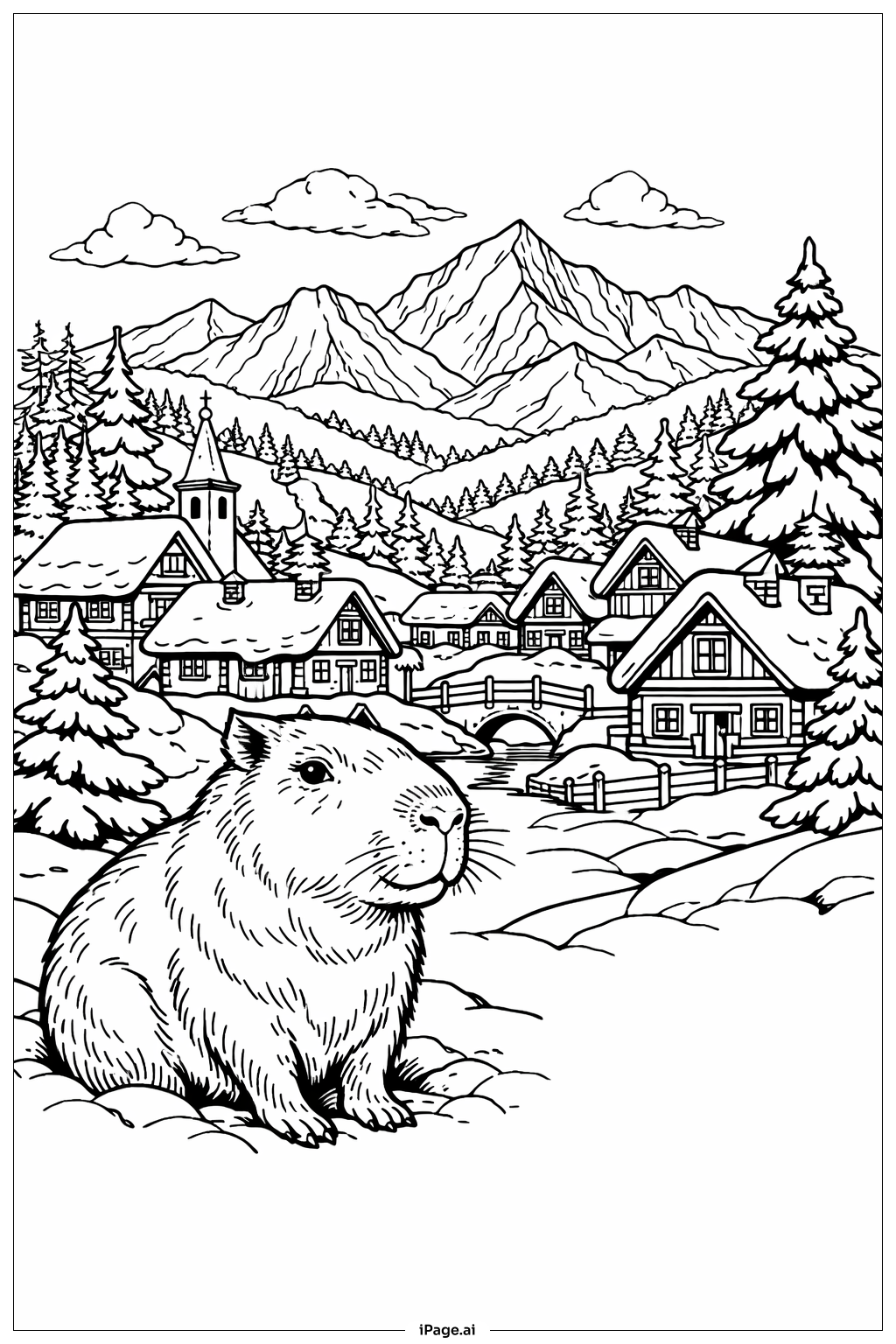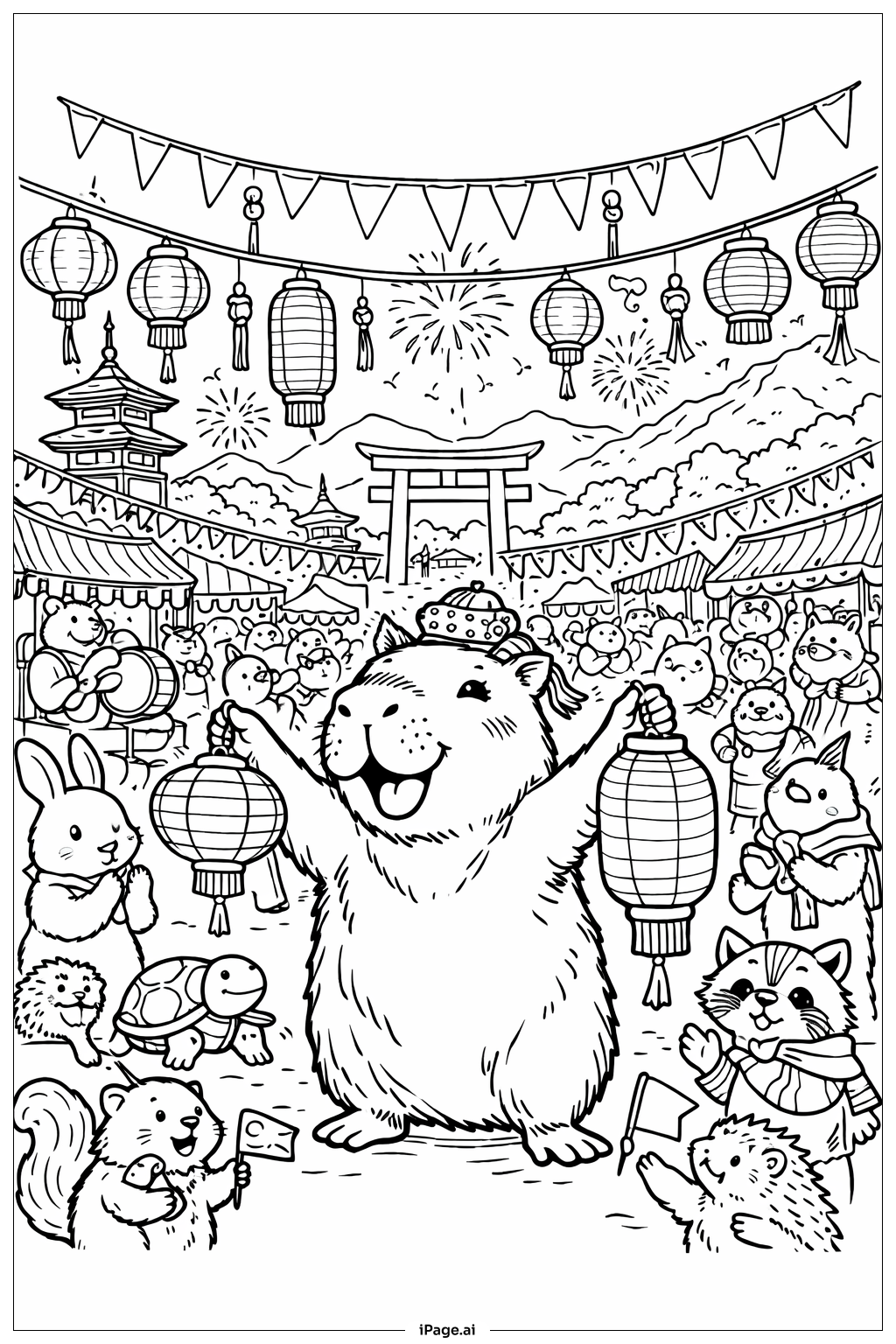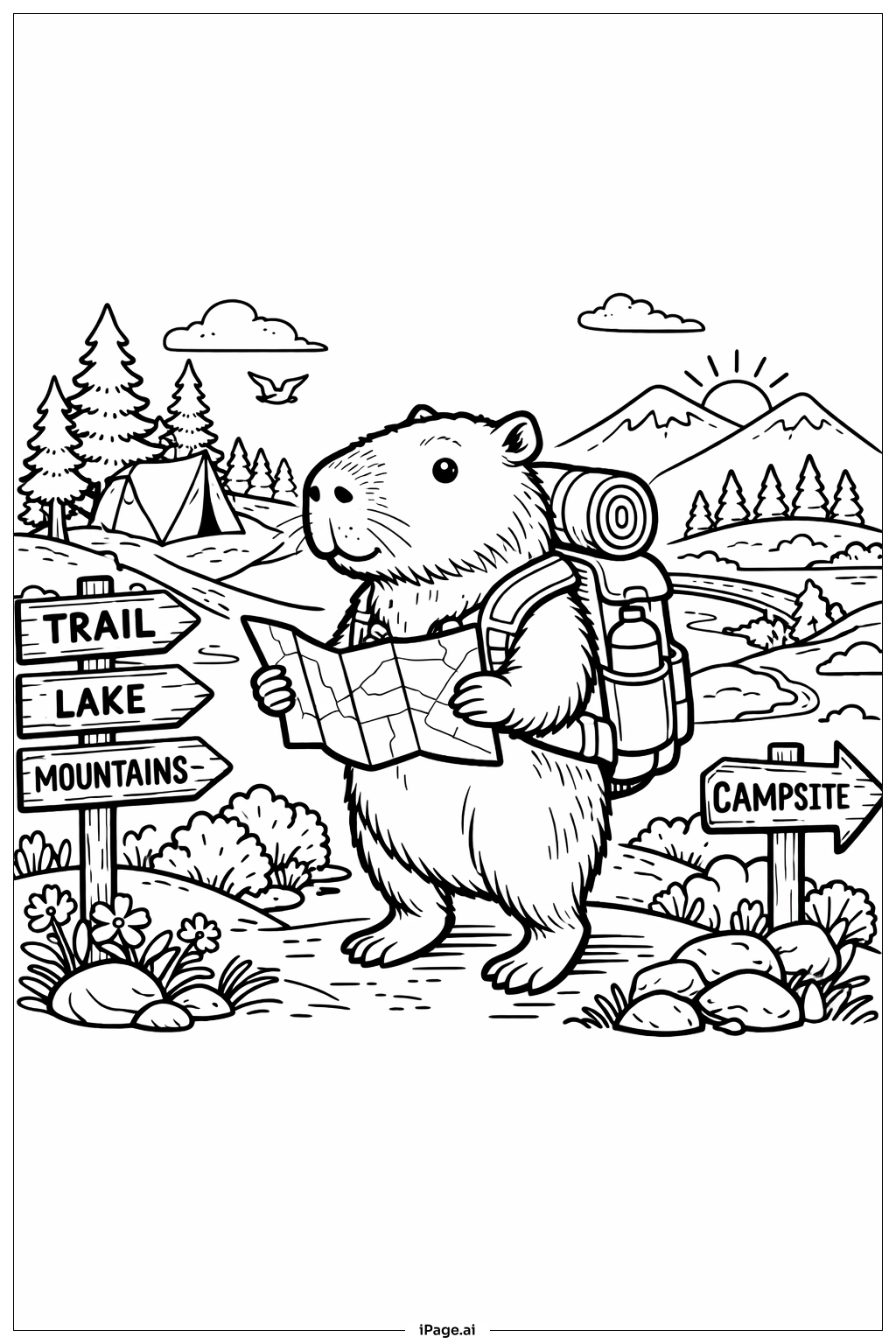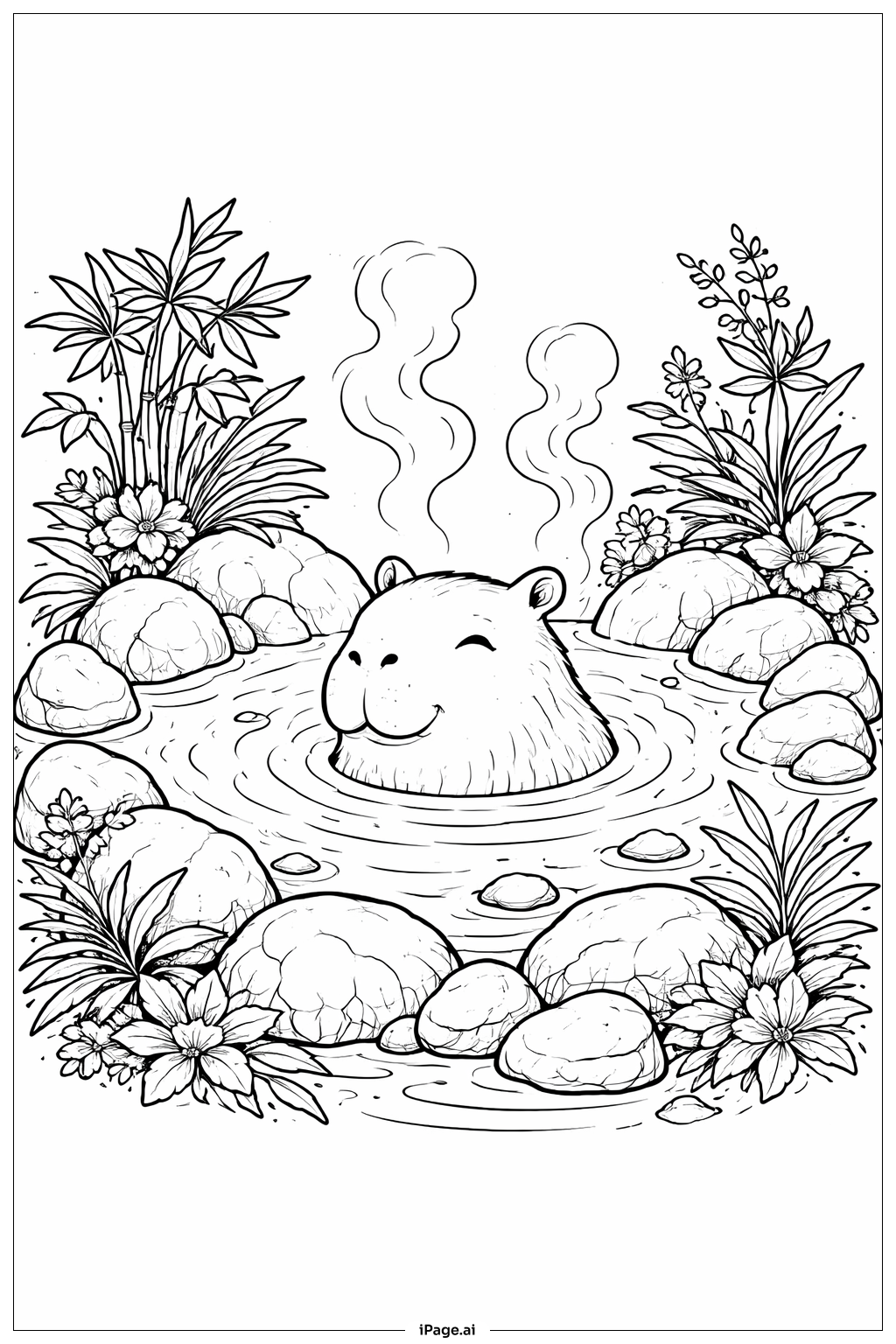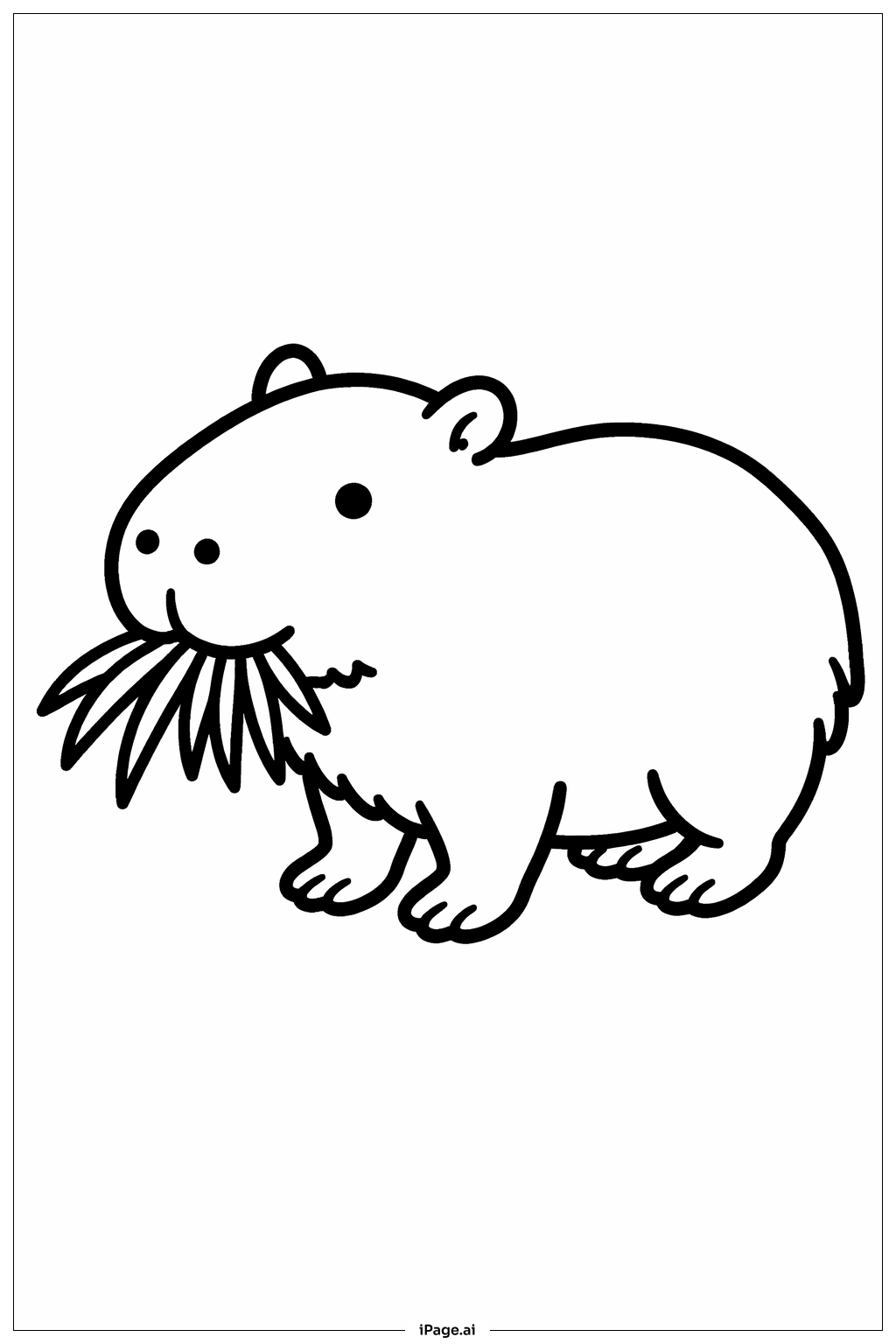
Coloring tips: How to color Capybara Eating Grass coloring page well?
Start with the capybara's body using warm, earthy tones. Browns like tan, chestnut, or golden brown work great for the fur. Use a slightly darker brown along the back and sides to show depth, and a lighter shade on the belly. For the nose and around the eyes, add a hint of pinkish-brown or dark gray to give it a realistic look. The grass can be filled in with several shades of green. Try mixing bright green for fresh blades and olive or yellow-green for older ones. If there is a background, light blue for sky and soft greens for the ground make the scene feel fresh and peaceful. Don't worry about staying perfectly inside the lines. The most important thing is to have fun and express your own style. Try blending two colors together to make the fur look soft and fluffy. Even simple color choices will bring this gentle animal to life on the page.
Coloring challenges: Which parts are difficult to color and need attention for Capybara Eating Grass coloring page?
• Fur Texture Details: The capybara's body is covered in short, coarse fur that is suggested by fine lines and subtle curves in the outline. Coloring these areas evenly without losing the texture can be tricky. Using short, light strokes that follow the direction of the fur will help keep it looking natural and realistic rather than flat.
• Shading and Body Depth: The capybara has a large, rounded body. Without adding darker tones on the sides and lighter tones on the top, the figure can look flat on the page. Young colorists may find it challenging to blend or layer colors smoothly to give the body a three-dimensional feel.
• Grass Variety: The blades of grass around the capybara vary in shape and size. Filling each blade individually with slightly different shades of green takes patience and a steady hand. Using too similar a shade throughout can make the grass look one-dimensional.
• Small Facial Features: The capybara's face includes small eyes, a wide flat nose, and subtle mouth details. These areas are small and require careful use of a fine-tipped pencil or marker. It is easy to go outside the lines or accidentally cover detail in these tight spaces.
• Balancing the Overall Color Scheme: Keeping the whole image balanced so that the capybara stands out from the grass background requires thoughtful color choices. If the greens of the grass are too bright or the browns of the body are too dark, the image can look unbalanced. Finding the right contrast between the animal and its surroundings is a key challenge for colorists of all ages.
Benefits of coloring books: Advantages of drawing Capybara Eating Grass coloring page
Coloring this capybara image is a wonderful activity for kids and adults alike. Here are some of the great benefits it brings.
It builds focus and patience. Carefully filling in the fur, grass, and small facial details helps children practice sitting still and concentrating on one task at a time.
It develops fine motor skills. Holding a colored pencil or crayon and staying within the lines strengthens hand muscles and improves hand-eye coordination, which supports writing skills in young learners.
It sparks creativity. Choosing colors for the capybara's fur, the grass, and the background encourages children to make their own artistic decisions and express themselves freely.
It teaches about nature. Coloring a capybara eating grass is a gentle way to introduce kids to wildlife. They learn what the animal looks like and where it lives, making the activity both fun and educational.
It promotes relaxation. The calm, peaceful scene of a capybara grazing has a soothing quality. Focusing on coloring helps reduce stress and anxiety for both children and adults, making it a great mindfulness activity.
Most of all, it is simply fun. Bringing this gentle, lovable animal to life with color gives a real sense of accomplishment and pride when the page is complete.