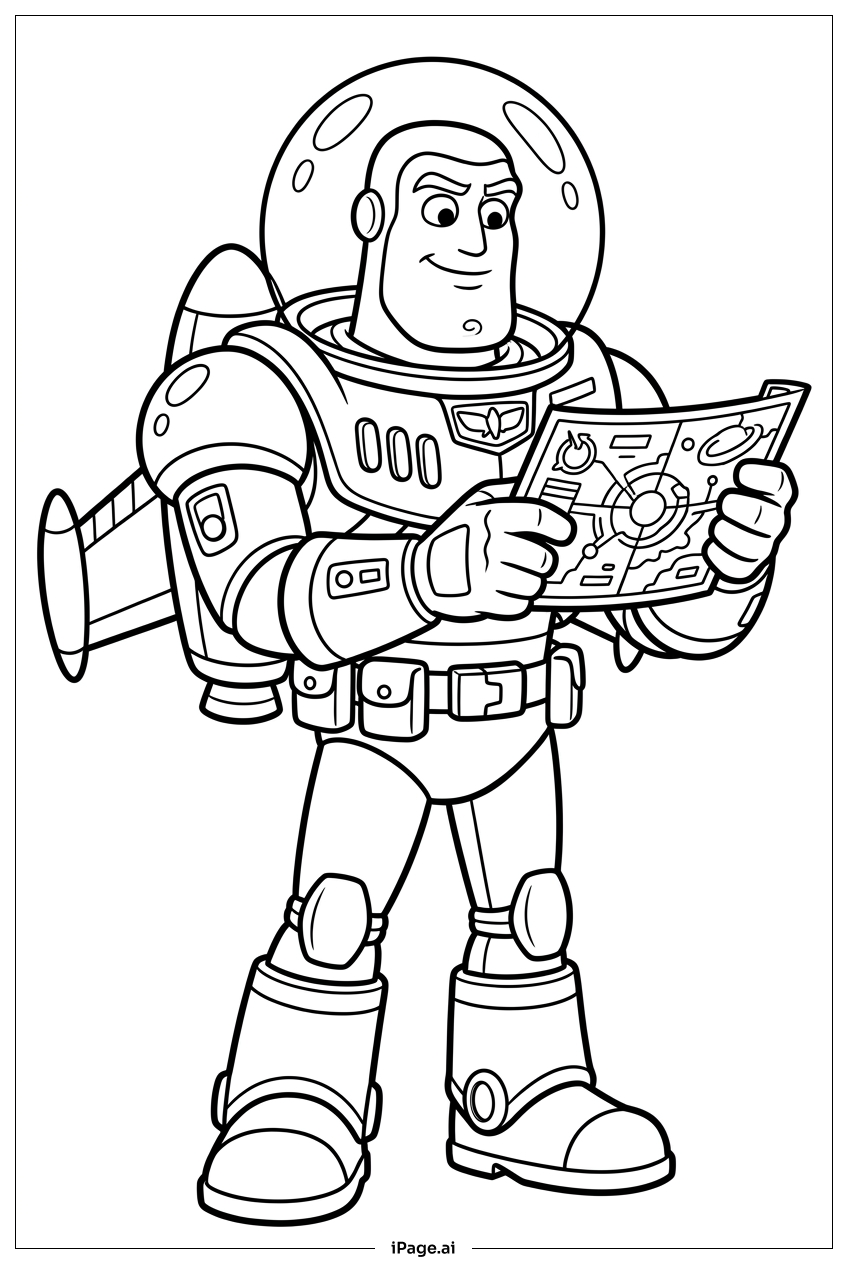
Coloring tips: How to color Buzz Lightyear Studying an Interstellar Map coloring page well?
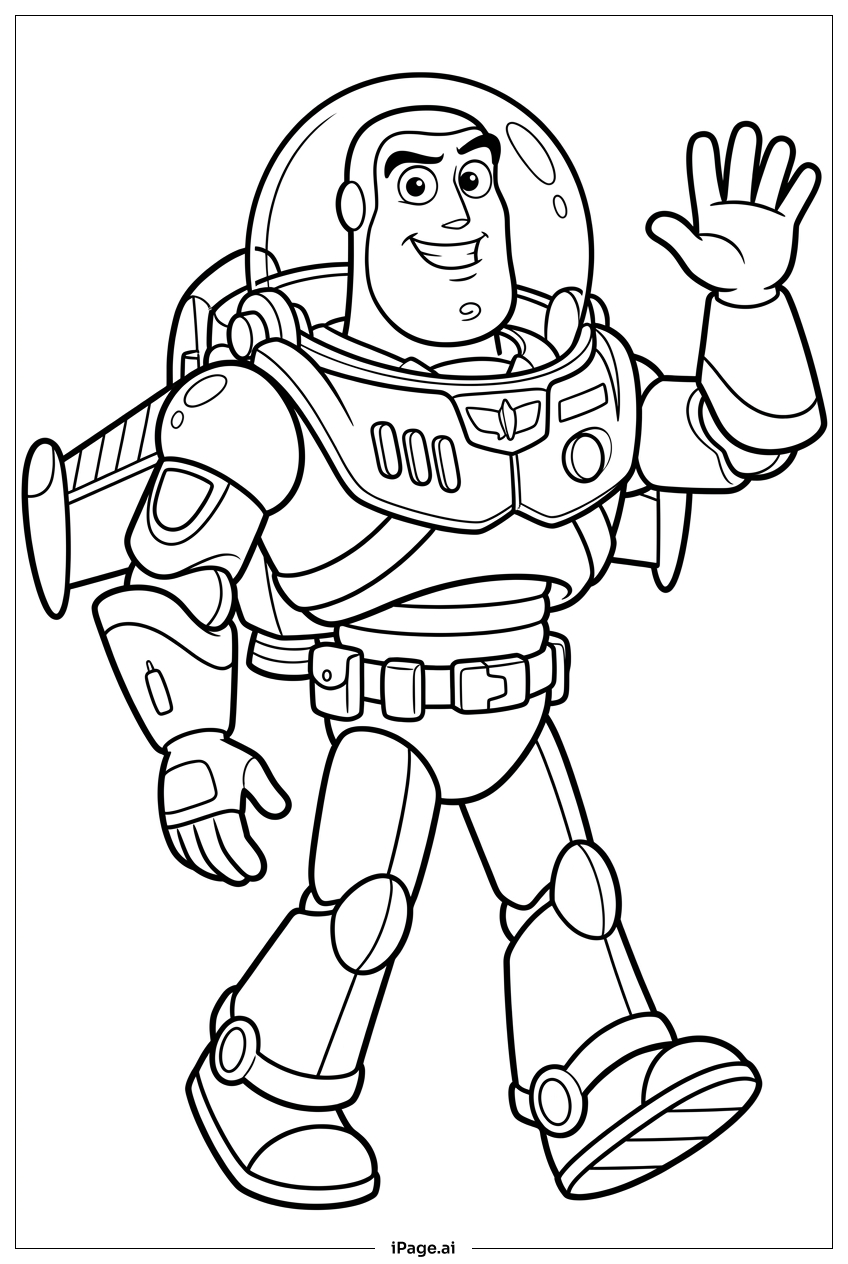
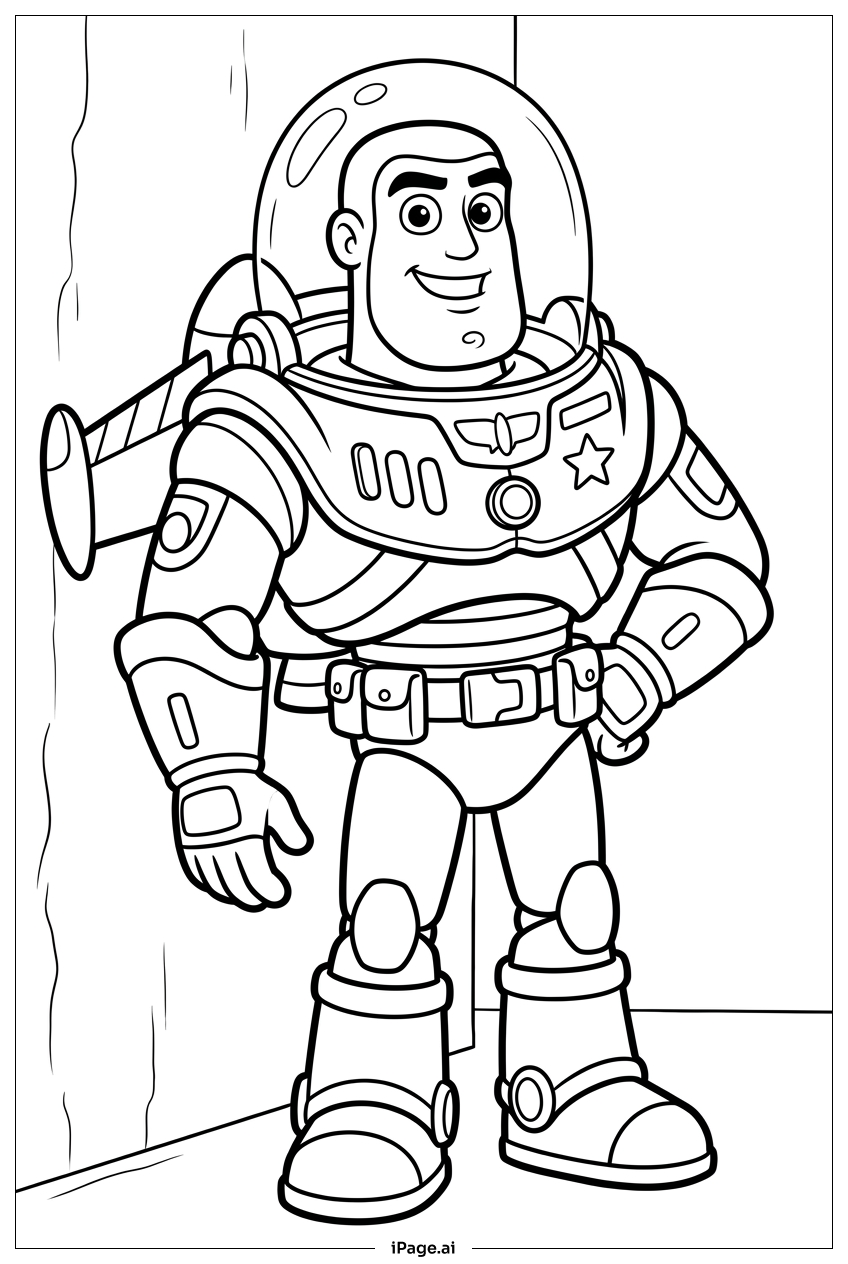
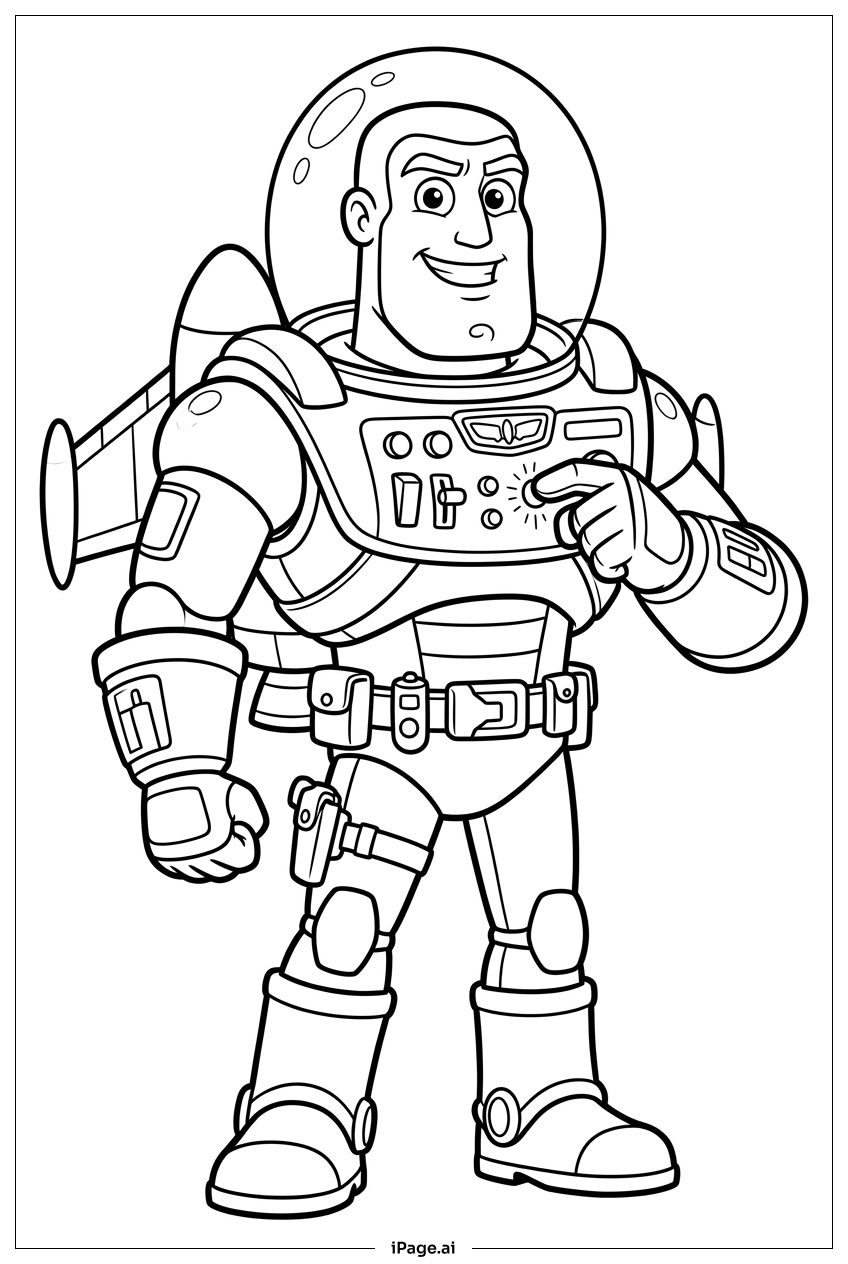
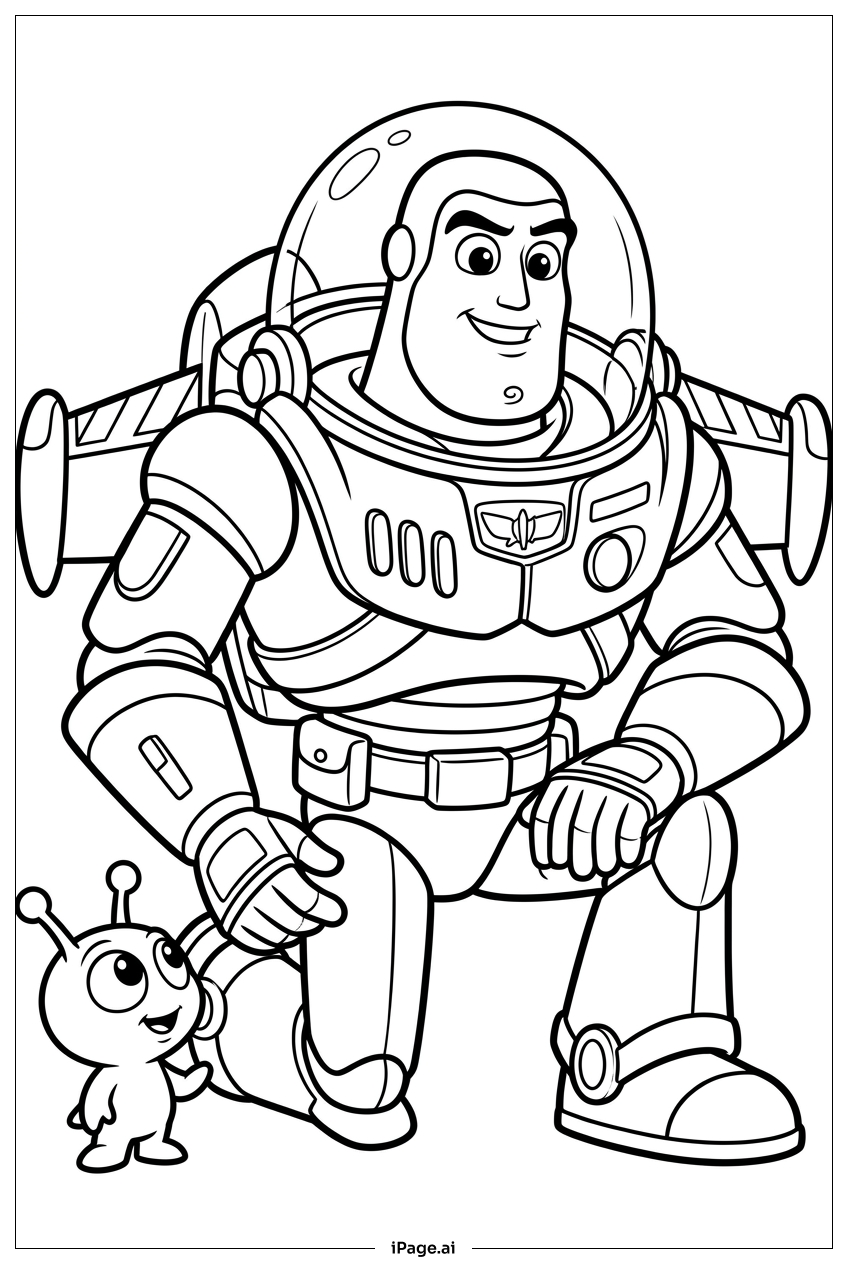
Start with Buzz Lightyear's suit. Use white for the main body of the suit and green for the arm and leg accents. Add purple for the chest panel and wing details. His helmet can be white with a clear visor area tinted light blue or yellow. Use silver or gray for the buttons and controls on his suit.
For the interstellar map, use a mix of deep blues, purples, and blacks for the space background. Add bright yellow and white dots for stars. Use orange, red, and blue swirls for nebulae. Planets on the map can be colored in greens, blues, oranges, and reds to make them stand out.
The background scene can feature dark navy blue and deep purple for the starfield. Add small white dots for distant stars. Use soft glowing colors like light blue and gold around bright star clusters to create a magical space atmosphere. Feel free to experiment with your own galaxy colors!
Coloring challenges: Which parts are difficult to color and need attention for Buzz Lightyear Studying an Interstellar Map coloring page?
• Suit Detail Precision: Buzz Lightyear's space ranger suit has many small sections, panels, and buttons. Keeping each area neatly colored without going outside the lines can be tricky, especially around the chest controls and the wing panels on his back. Younger colorists may find it helpful to use sharpened colored pencils for these tight areas.
• Interstellar Map Complexity: The map itself contains stars, planets, orbital paths, and galaxy swirls all packed into one area. Choosing the right colors for each element without making the map look cluttered takes patience. Using a light touch and layering colors gradually works best here.
• Space Background Gradients: Creating a realistic-looking space background requires blending dark blues, purples, and blacks smoothly together. Achieving smooth color transitions without streaks can be challenging, especially with crayons. Colored pencils or watercolor pencils tend to work better for blending these deep tones.
• Small Star Details: The tiny stars and star clusters on the map and in the background are very small and easy to accidentally cover with darker colors. It helps to color stars first with white or yellow before filling in the surrounding dark space colors.
• Facial Expression and Skin Tone: Buzz's face, with its focused and determined look, requires careful coloring around the eyes, nose, and mouth. Using a light peach or tan for skin, then adding subtle shading around the features, brings his expression to life without overcomplicating the face area.
Benefits of coloring books: Advantages of drawing Buzz Lightyear Studying an Interstellar Map coloring page
Coloring this Buzz Lightyear image offers many wonderful benefits for kids and fans of all ages.
For younger children, carefully coloring the detailed suit and space map helps build fine motor skills and hand-eye coordination. Staying within the lines of Buzz's many suit panels strengthens focus and patience.
The space theme sparks curiosity about science, astronomy, and exploration. As kids choose colors for planets, nebulae, and star systems, they naturally start thinking about what real outer space looks like. This is a great conversation starter about the universe, planets, and space travel.
For older kids and teens, the challenge of blending deep space colors and creating a believable galaxy background encourages creative thinking and artistic experimentation. Trying different color combinations builds confidence and artistic problem-solving skills.
Coloring is also a calming, screen-free activity that helps reduce stress and anxiety. Focusing on a fun, familiar character like Buzz Lightyear makes the activity feel enjoyable rather than like a task.
Finally, completing this detailed coloring page gives a real sense of accomplishment. Whether it ends up on the fridge or in a scrapbook, the finished artwork is something to be proud of. To infinity and beyond!