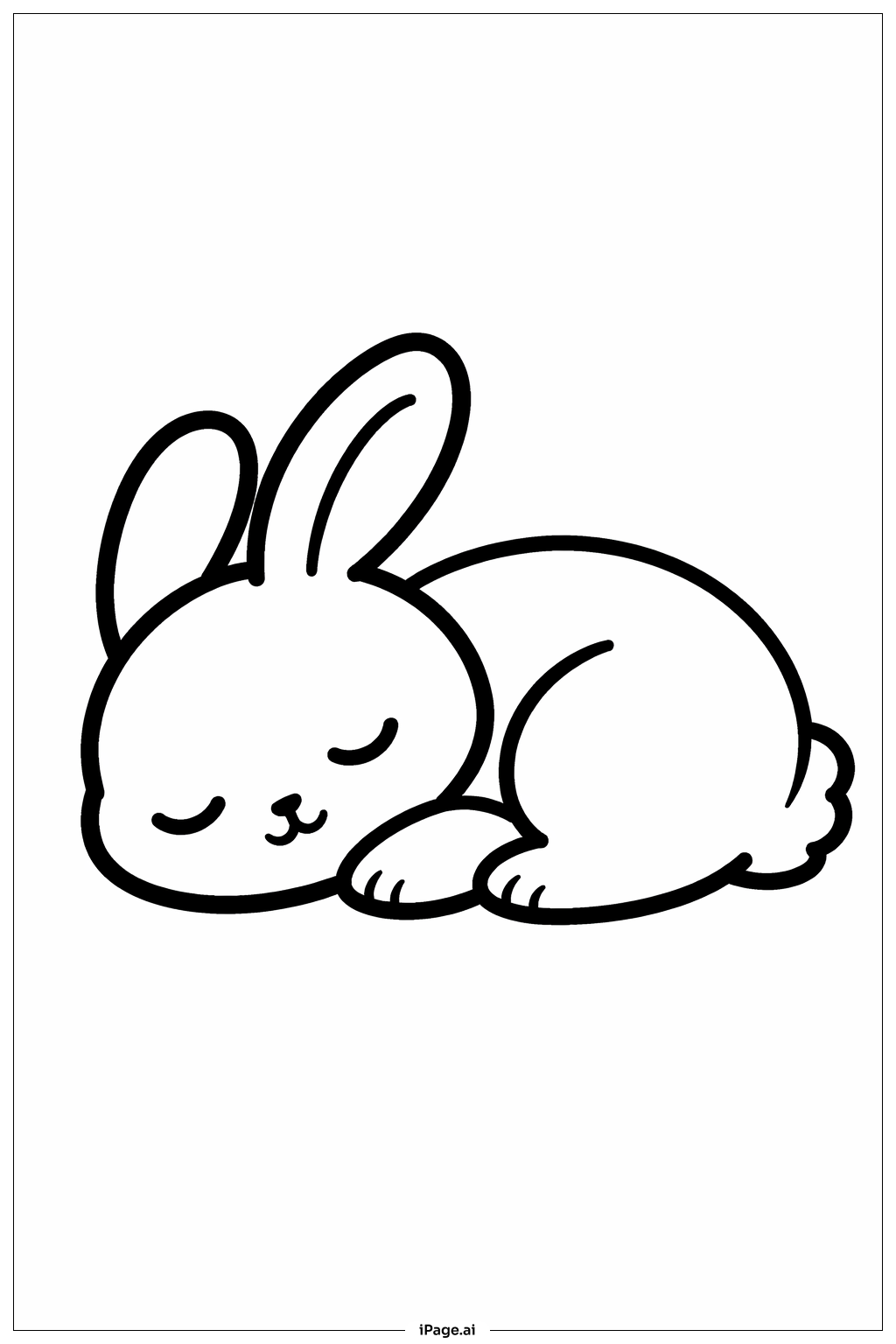
Coloring tips: How to color Sleeping Bunny coloring page well?
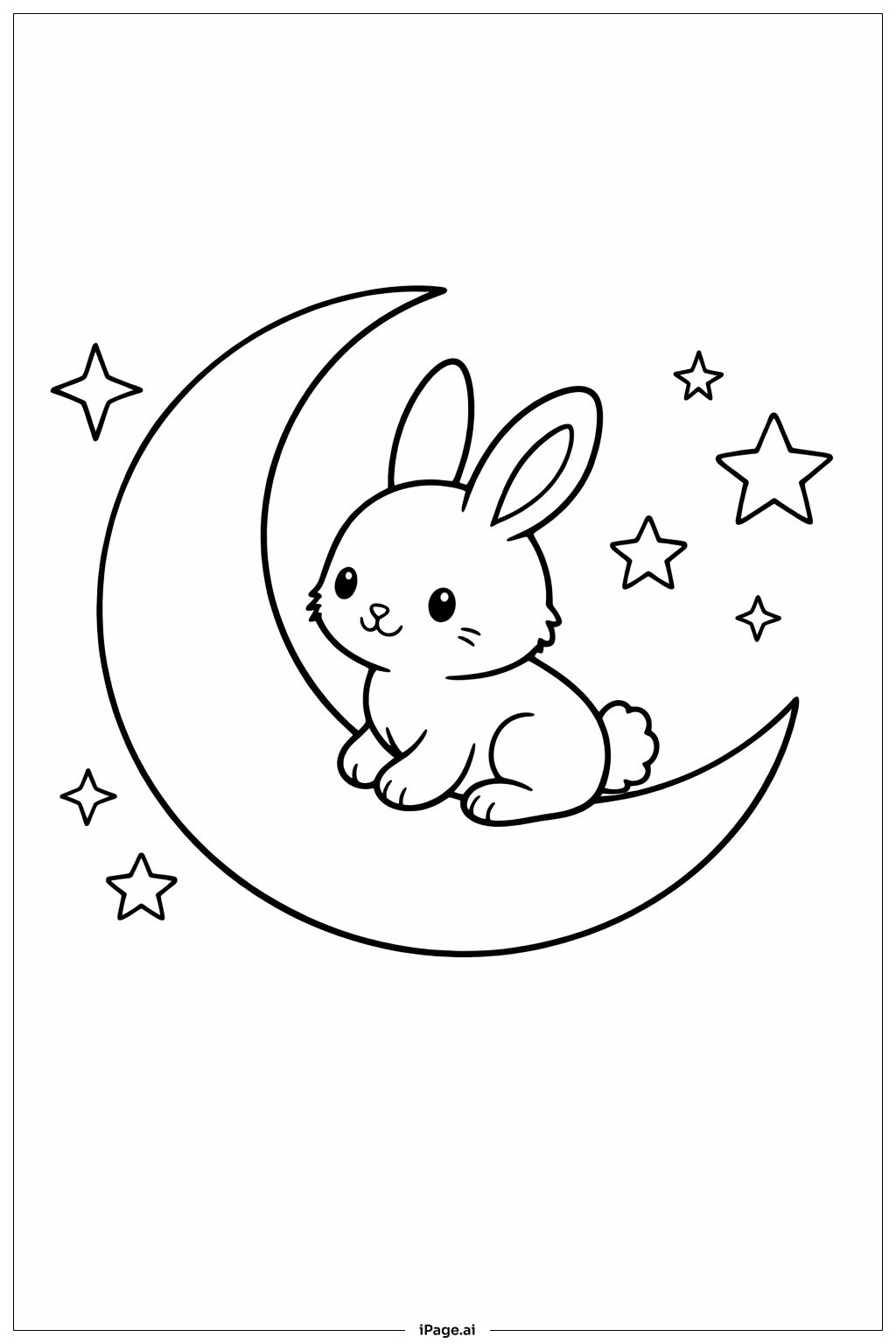
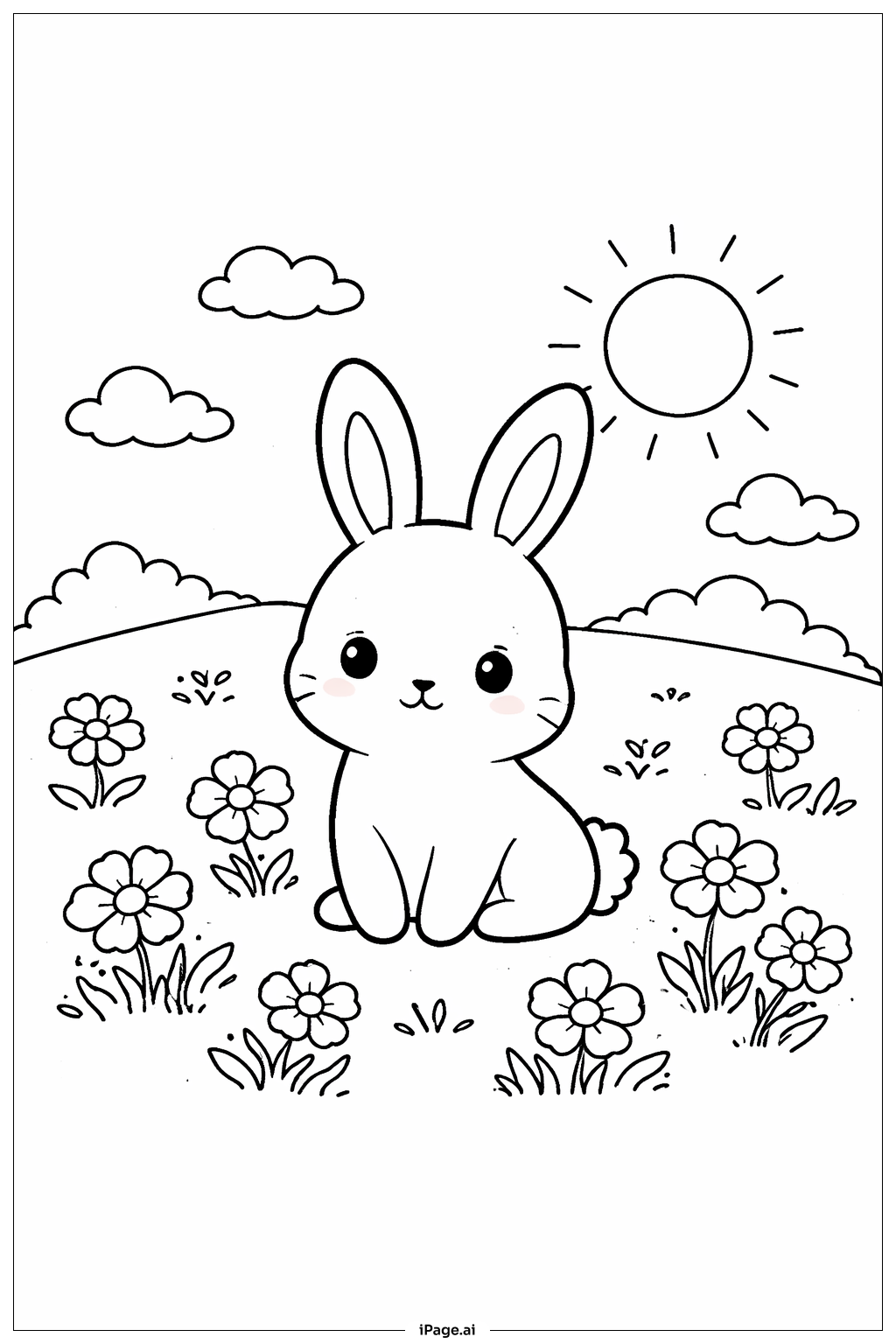
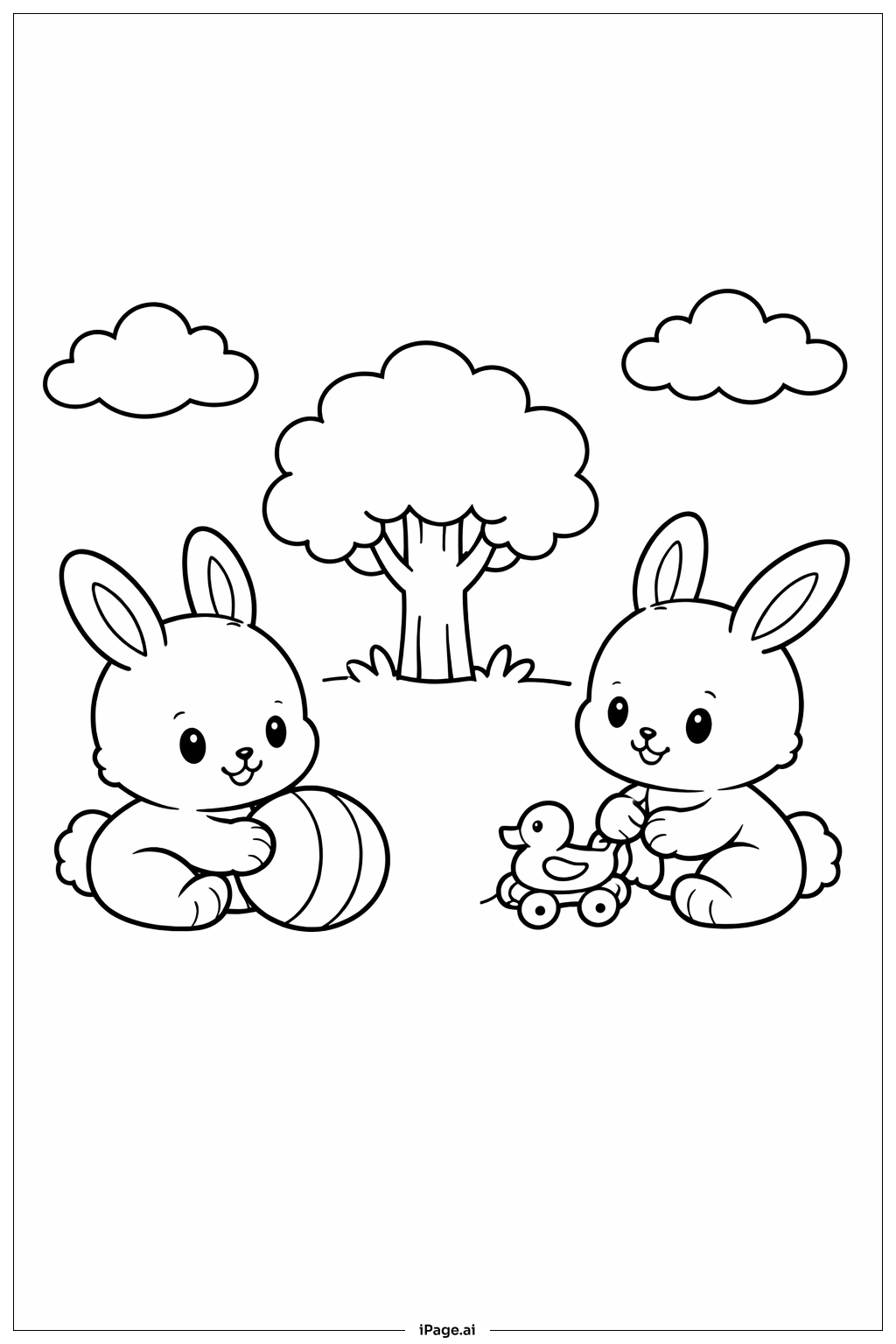
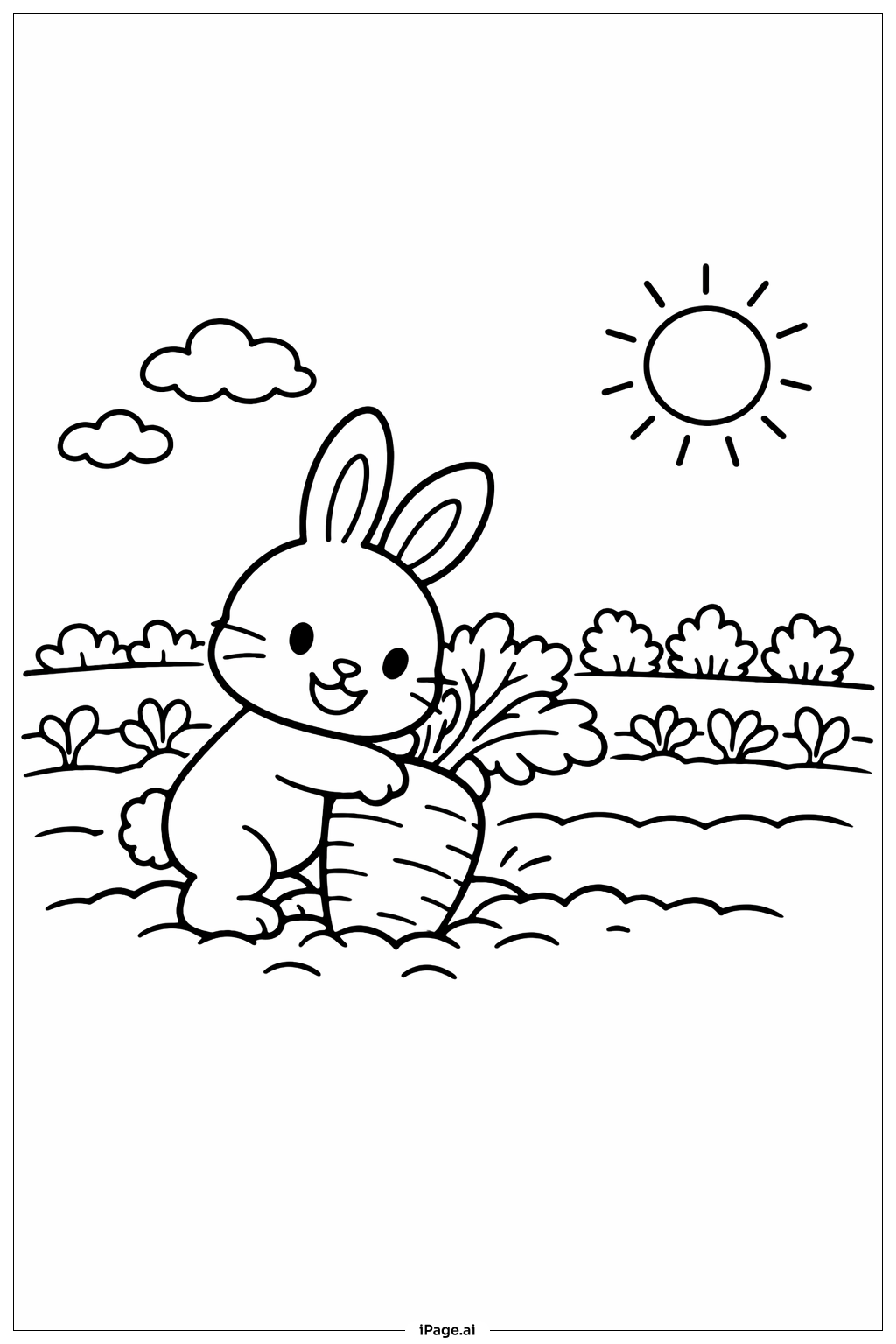
When coloring this sleeping bunny, choose soft and calming colors like light browns, greys, or pastels. You can use gentle shades of pink or blue for the inner ears and cheeks to add a cute touch. Try blending similar colors to create smooth shadows and give the bunny a soft look. Use gentle strokes to keep the colors light and peaceful, reflecting the bunny's calm sleep. You may also add a soft background like a light green grass patch or a blue sky to make the scene more lively but keep it simple.
Coloring challenges: Which parts are difficult to color and need attention for Sleeping Bunny coloring page?
1. The bunny's rounded body requires careful coloring to keep smooth shading and avoid harsh lines. 2. The small details like the paws and tail need precision and patience. 3. Coloring inside the ears could be tricky because they are narrow and curved. 4. Creating soft shadows without making the image look messy can be difficult. 5. Maintaining a consistent color for the bunny's body while showing gentle depth can be challenging for younger kids.
Benefits of coloring books: Advantages of drawing Sleeping Bunny coloring page
Coloring this sleeping bunny helps improve focus and hand control. It encourages calmness and creativity while choosing soft colors. Young artists practice patience by working on small details like the ears and paws. This image also teaches how to blend colors gently and create soft shadows. Overall, it is a fun way for kids to relax and enjoy art while developing fine motor skills.