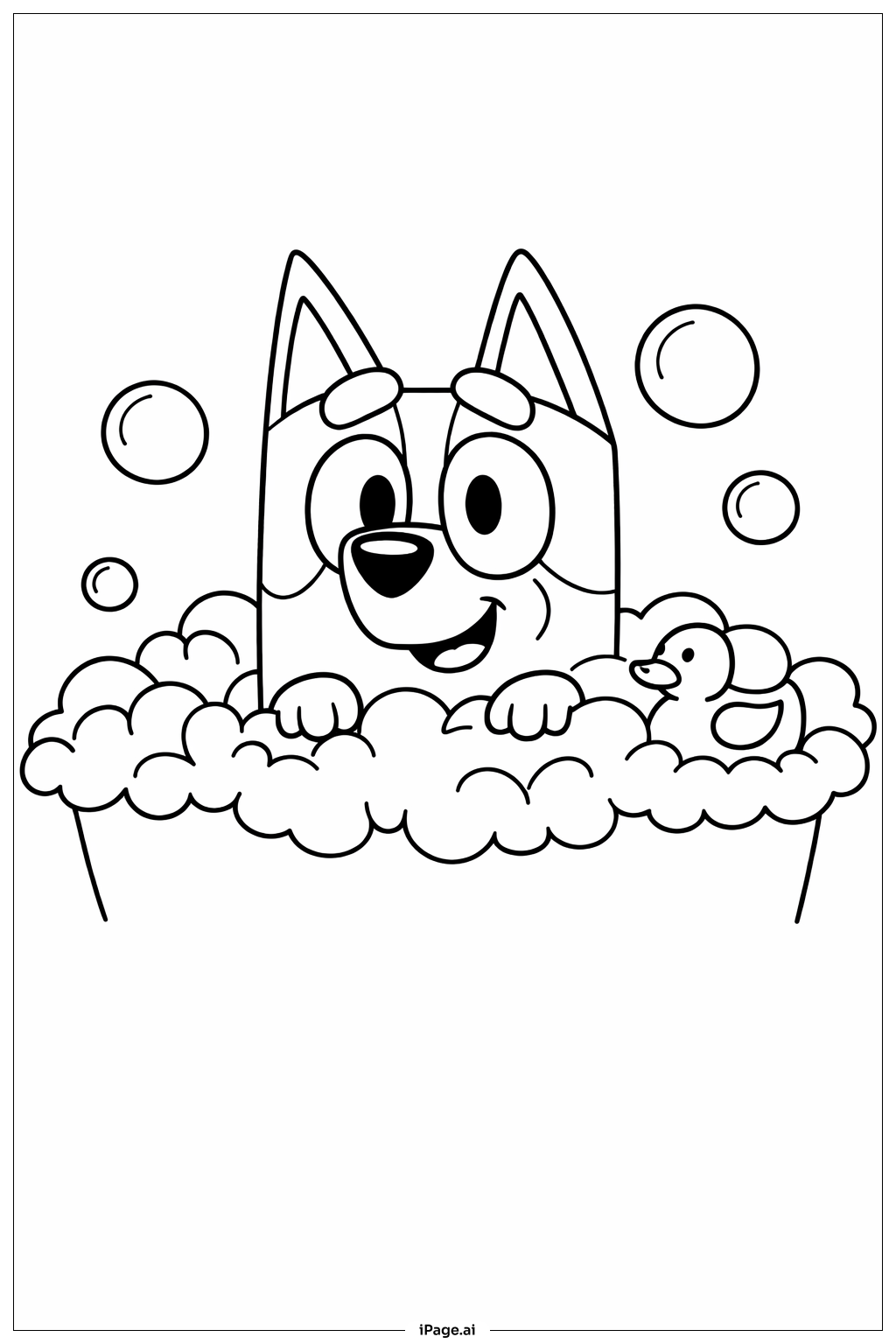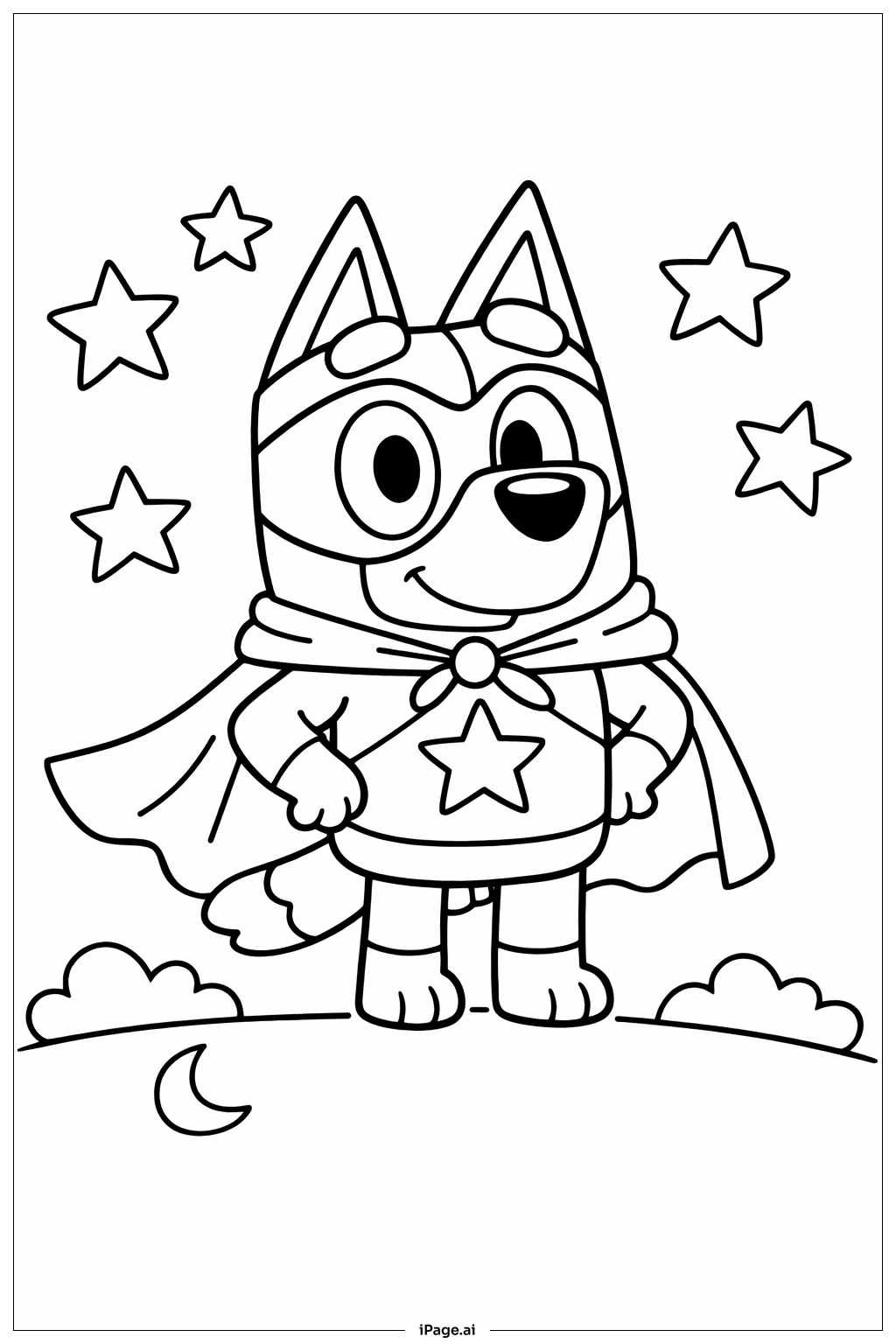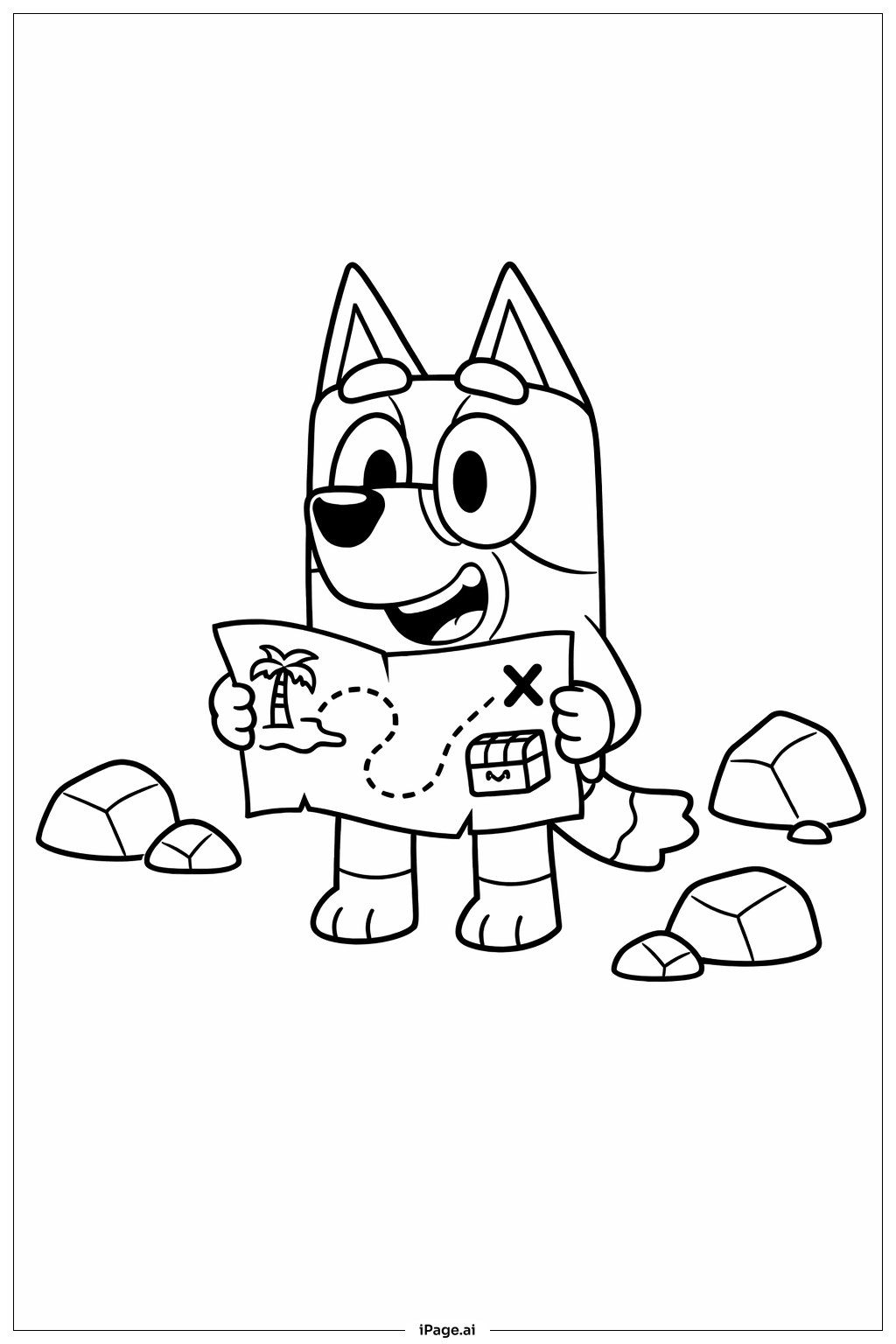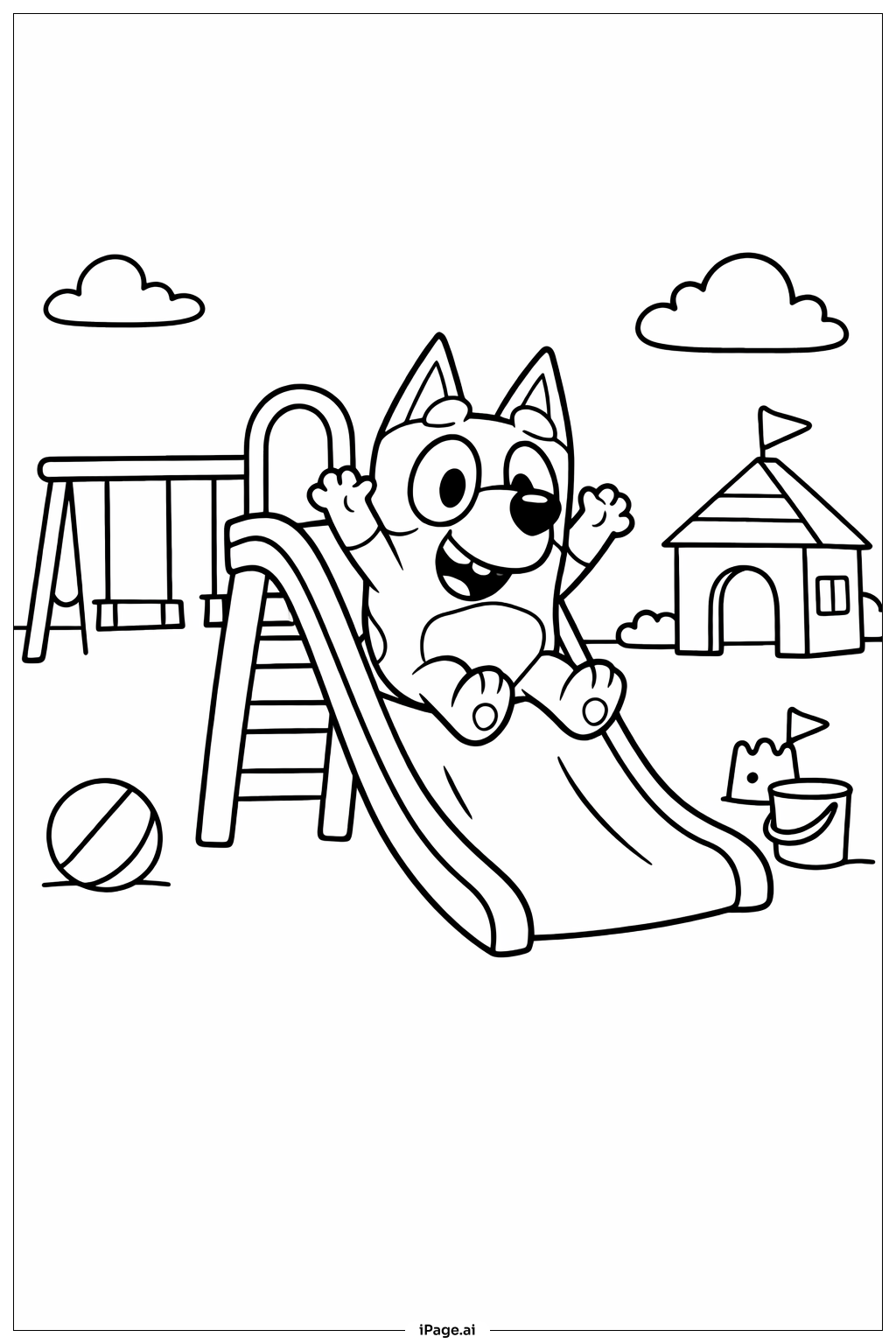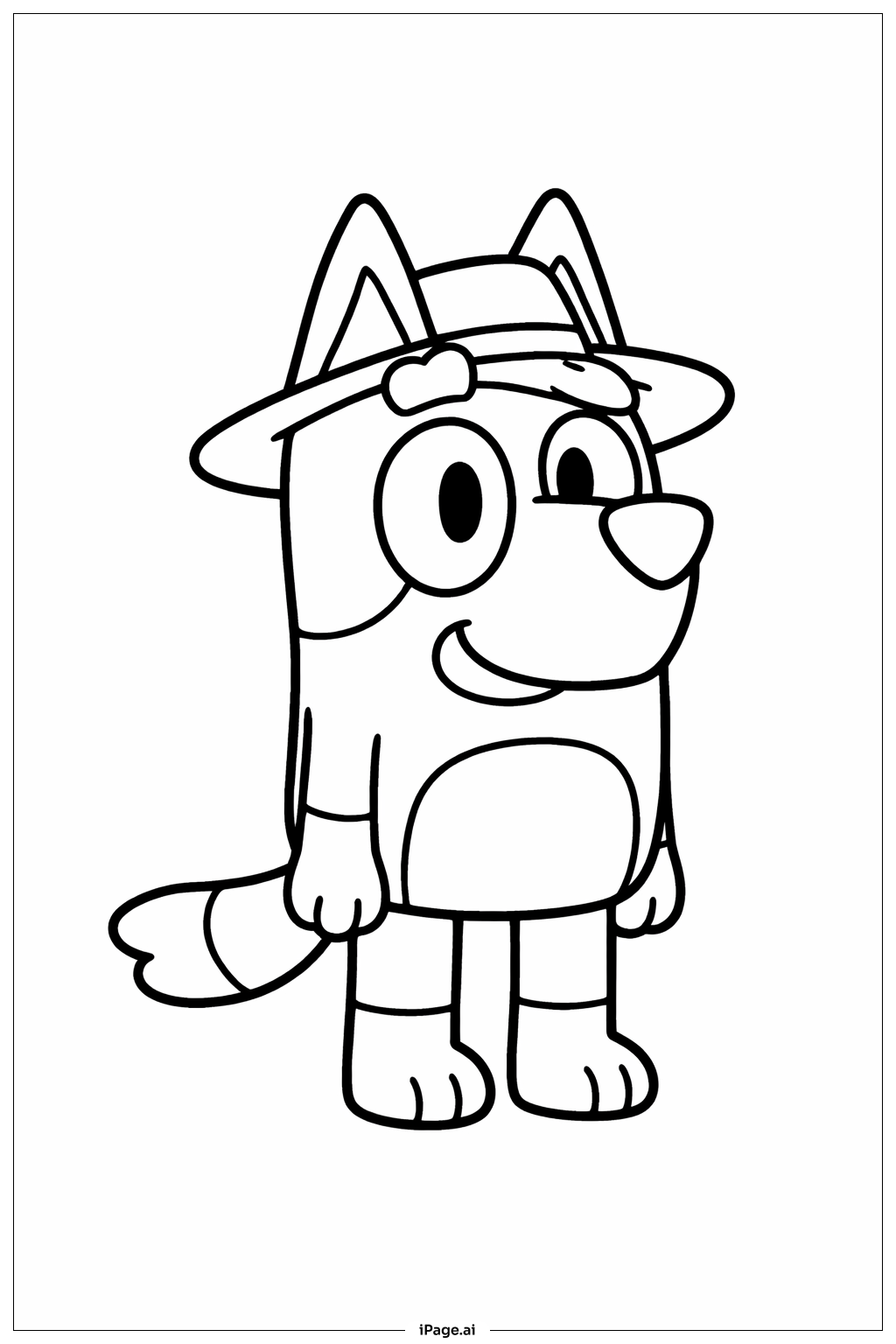
Coloring tips: How to color Bluey Wearing Hat coloring page well?
Start with Bluey's body using a medium blue shade — a sky blue or cornflower blue works perfectly for her fur. Use a slightly darker blue for shading on her ears, paws, and tail to add depth. Her facial markings, like the patches around her eyes, can be filled with a slightly lighter or cream-toned blue. Her eyes are large and expressive — use dark brown or black for the pupils, with a small white highlight to make them sparkle. For the hat, you can get creative! Try a bright yellow, red, or even a fun multicolored pattern to make it pop. Use a darker shade of the same hat color along the brim and inner folds to show dimension. Keep Bluey's nose dark and shiny with a small white dot for a glossy look. Add a soft peach or light color to the inside of her ears for a natural touch. Don't be afraid to mix colors and experiment — this is your chance to make Bluey uniquely yours!
Coloring challenges: Which parts are difficult to color and need attention for Bluey Wearing Hat coloring page?
• Bluey's Blue Fur Consistency: One of the main challenges is keeping Bluey's blue fur even and consistent throughout the page. Her body covers a large area, and applying the same shade uniformly without streaks or uneven patches can be tricky, especially for younger colorists using crayons or markers. Taking your time and using smooth, overlapping strokes will help achieve a clean look.
• Hat Details and Folds: The hat worn by Bluey likely has a brim, folds, and curves that need careful shading to look three-dimensional. Coloring the inside and outside of the brim with slightly different tones adds realism, but identifying which areas should be lighter or darker requires some observation and patience.
• Facial Features and Expression: Bluey's face is the emotional center of the image. Her large, round eyes, small nose, and friendly mouth are small but important details. Staying inside the lines on these tiny features is challenging, particularly for younger children. The eye highlights — those small white dots that bring her eyes to life — need to be left uncolored or added carefully with a white pencil.
• Ear and Paw Definition: The edges where Bluey's ears meet her head, and where her paws separate from her body, require careful color transitions. Using a slightly darker blue at these borders helps define the shapes without using harsh outlines.
• Background Choices: If the image includes a background, deciding what colors to use without overwhelming Bluey herself can be a challenge. Light, soft colors like pale yellow, mint green, or lavender work best to keep the focus on the main character.
Benefits of coloring books: Advantages of drawing Bluey Wearing Hat coloring page
Coloring this Bluey Wearing Hat page offers a wonderful mix of fun and learning for kids of all ages. Bluey is a beloved character that children already connect with emotionally, so coloring her feels personal and exciting — it's not just an activity, it's spending time with a friend.
For younger children aged 4 to 7, this page helps develop fine motor skills as they practice staying within the lines of Bluey's rounded shapes and detailed features. Gripping a crayon and making controlled strokes strengthens the small muscles in their hands, which supports early writing skills.
For older children aged 8 to 16, the image presents a creative challenge — choosing the right color combinations for the hat and fur encourages artistic thinking, color theory understanding, and personal expression. They can explore shading and blending to give Bluey a more polished, three-dimensional look.
Coloring also promotes focus and patience. Children must slow down, pay attention to detail, and work through the image step by step, which builds concentration skills useful in school and daily life.
Beyond skills, this activity is genuinely calming. The repetitive motion of coloring reduces stress and creates a peaceful, screen-free experience. It sparks imagination too — kids may start telling their own Bluey stories as they color, nurturing creativity and storytelling in a totally natural way.