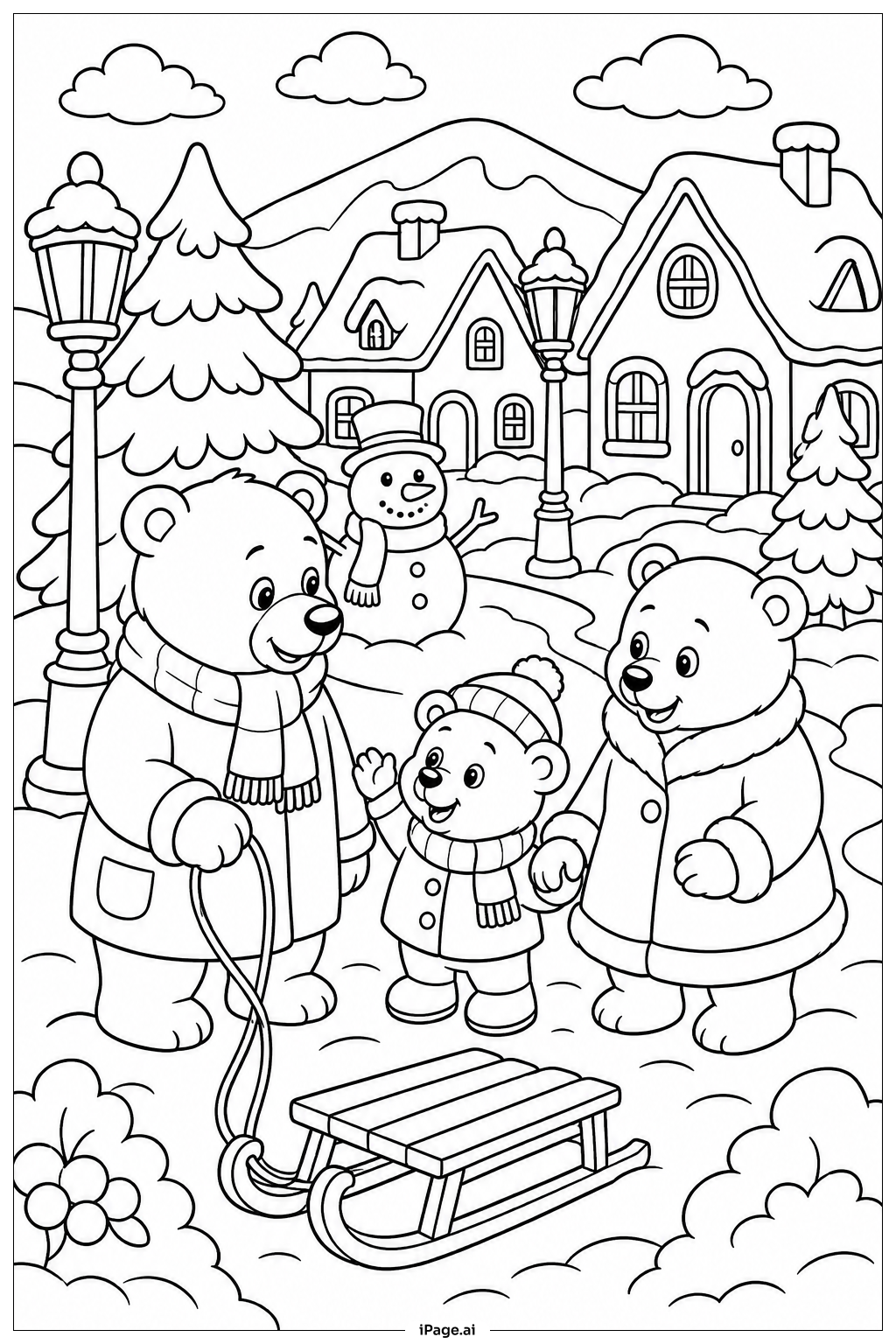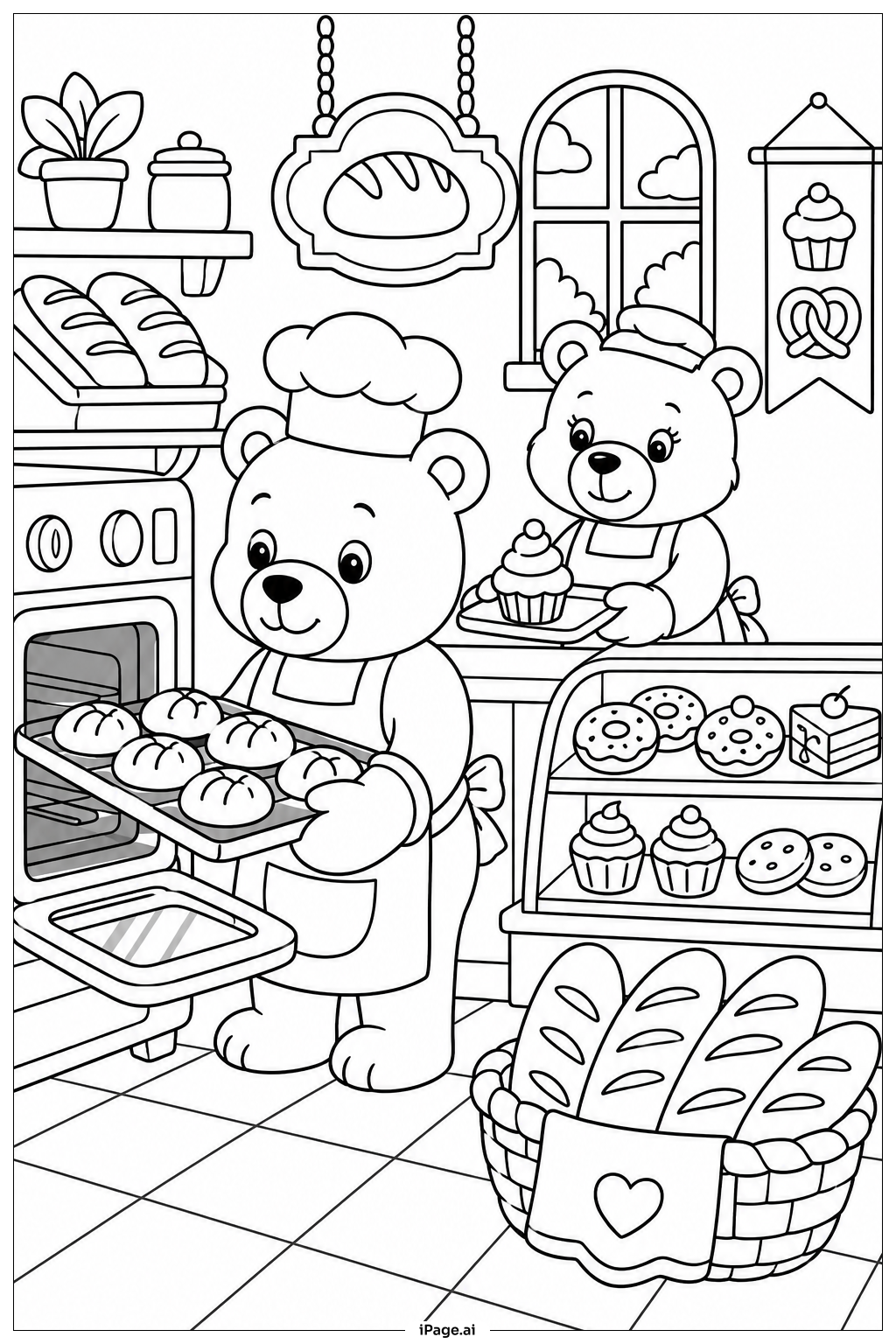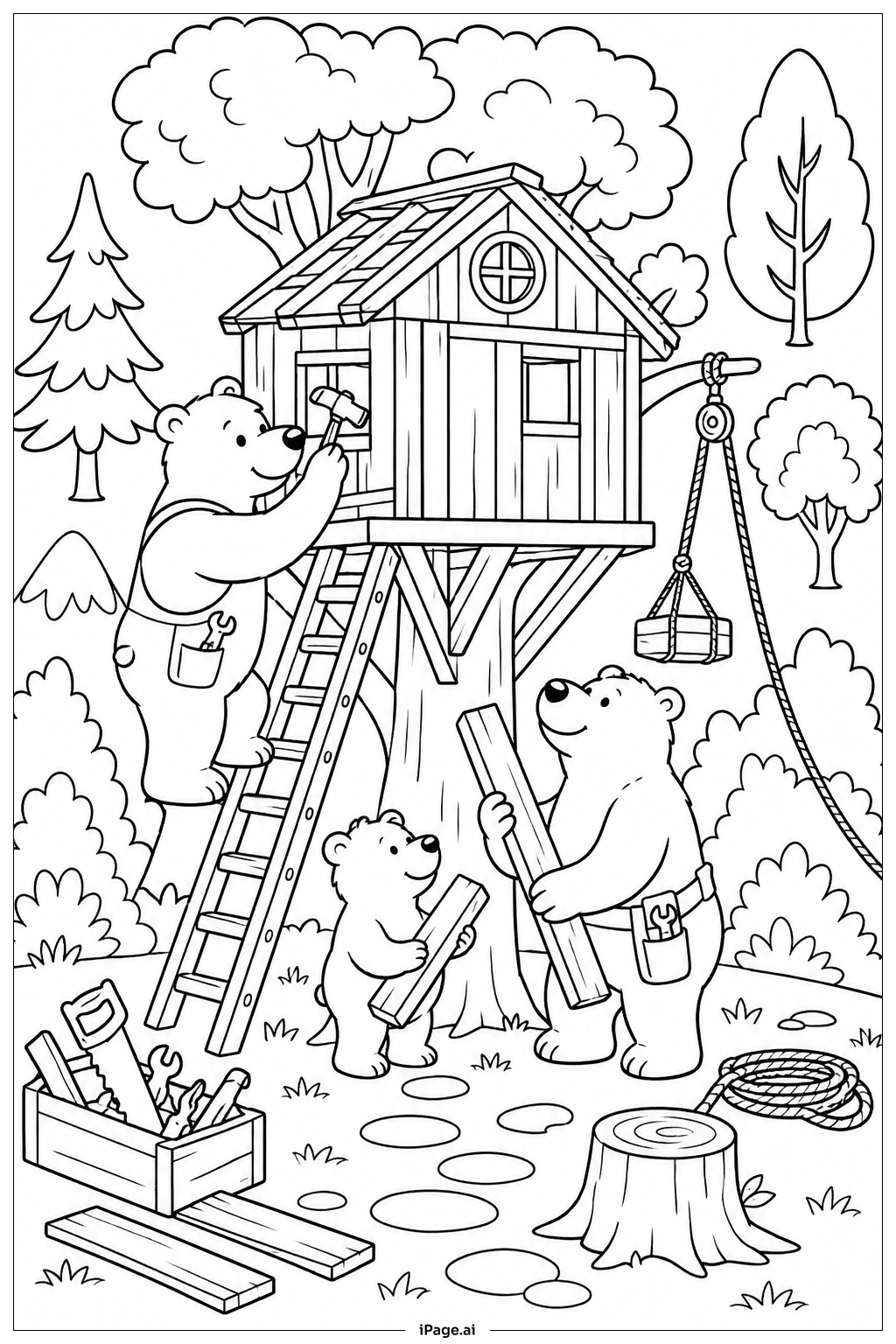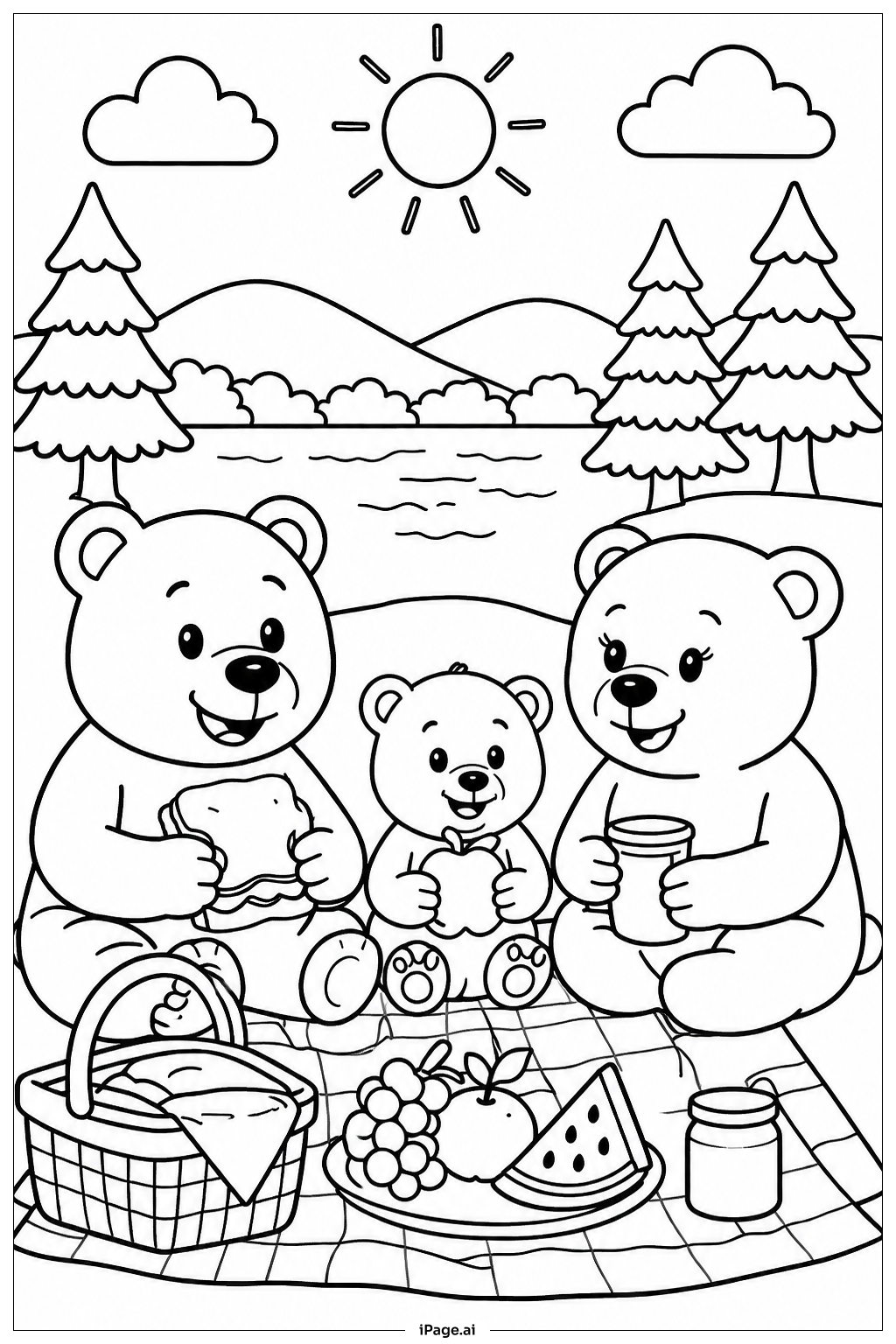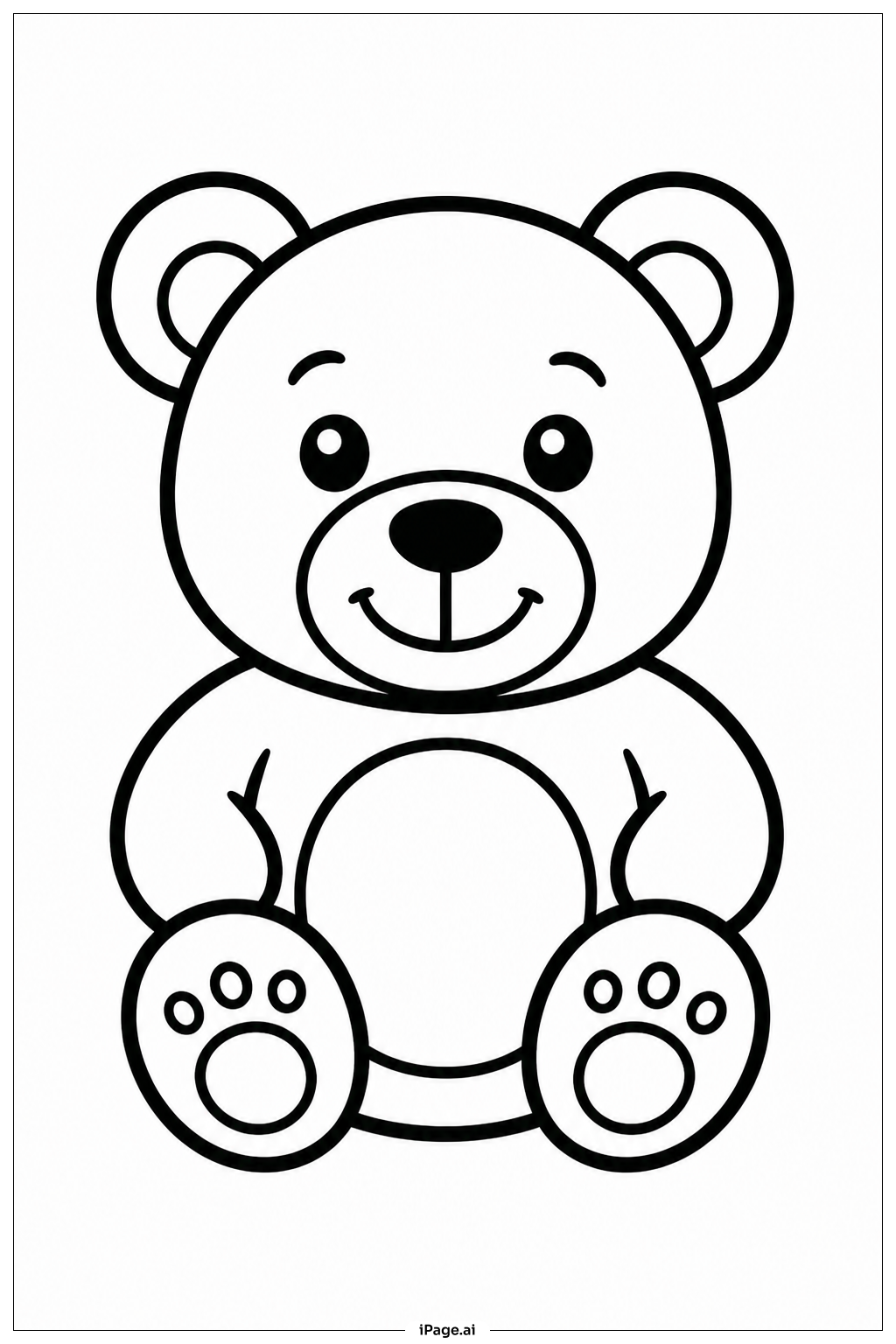
Coloring tips: How to color Smiling Bear coloring page well?
Try using warm browns and tans to color the bear’s fur, giving it a natural and cozy look. You can add lighter shades, like cream or beige, on the belly, inside the ears, and around the face for contrast. For the eyes, dark brown or black will make them stand out and look lively. Don’t forget to color the nose a soft black and maybe add a pink or reddish tone inside the mouth to show the smile clearly. The background can be colored with greens and blues to represent grass and sky, or you can use bright, fun colors to create a playful scene. Feel free to experiment and add your favorite colors to bring this Smiling Bear to life!
Coloring challenges: Which parts are difficult to color and need attention for Smiling Bear coloring page?
• Fur Texture: The bear’s fur has smooth rounded shapes that can be tricky to shade realistically to show softness and fluffiness without over-coloring.
• Facial Expression: Capturing the smile requires careful coloring of the mouth and eyes areas, balancing shadows and highlights to preserve the friendly look.
• Small Details: The claws and inner ears are small and may require fine coloring tools or attention to avoid coloring outside the lines.
• Coloring Contrast: Using different shades that contrast well can be challenging to ensure the bear looks three-dimensional rather than flat.
• Background Simplicity: Because the background is simple, choosing the right colors to keep the focus on the Smiling Bear without making the whole page too plain might be difficult for beginners.
Benefits of coloring books: Advantages of drawing Smiling Bear coloring page
Coloring this Smiling Bear image helps improve fine motor skills as children practice staying within curved lines and small details. It encourages creativity by allowing kids to choose different combinations of browns and other colors for the fur and background. Working on the friendly expression supports emotional growth by focusing on positive feelings like happiness and kindness. Coloring this animal also teaches patience and concentration, as shading and contrasting tones require attention. Finally, completing this fun image provides a sense of achievement and boosts confidence while connecting children to nature and wildlife.