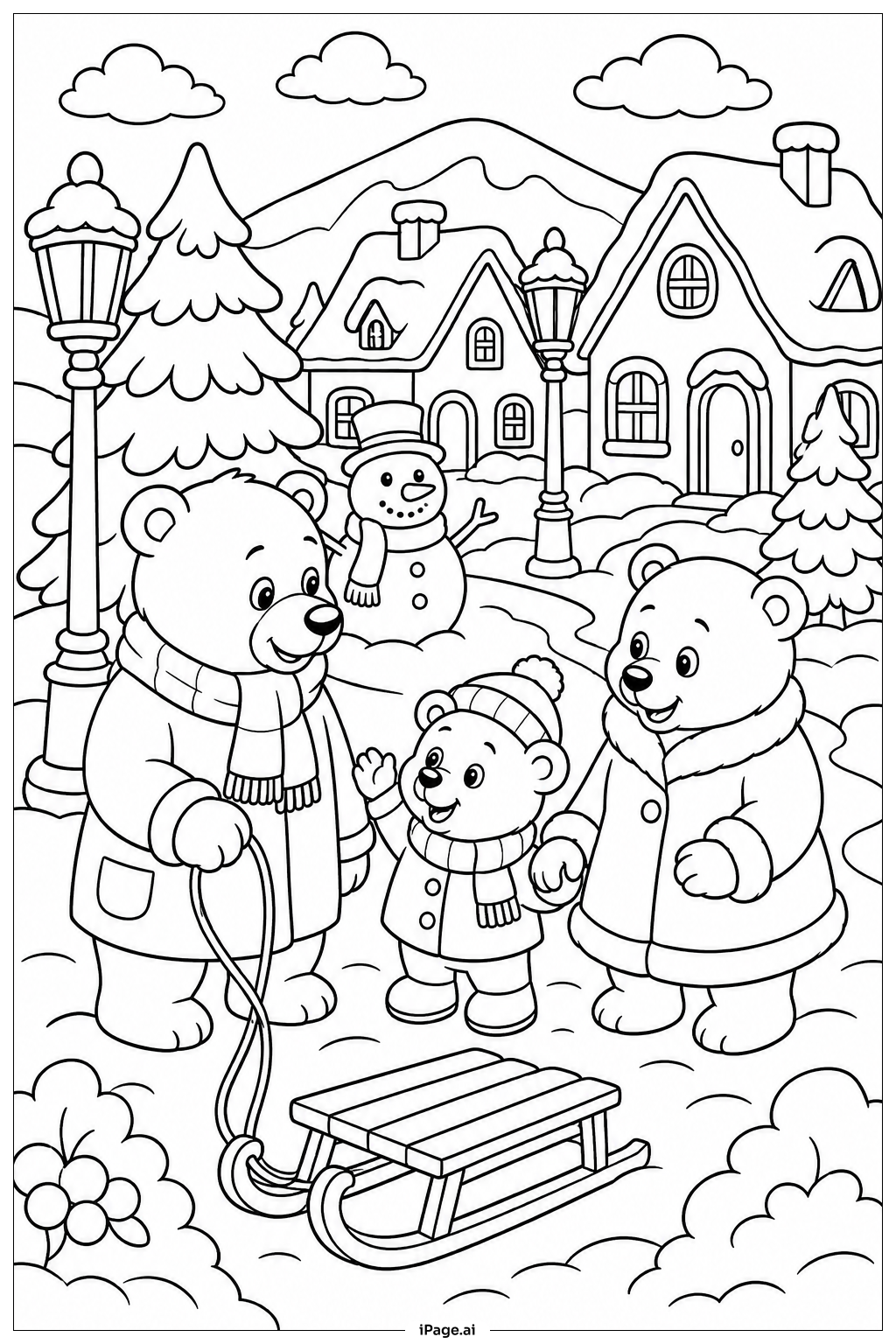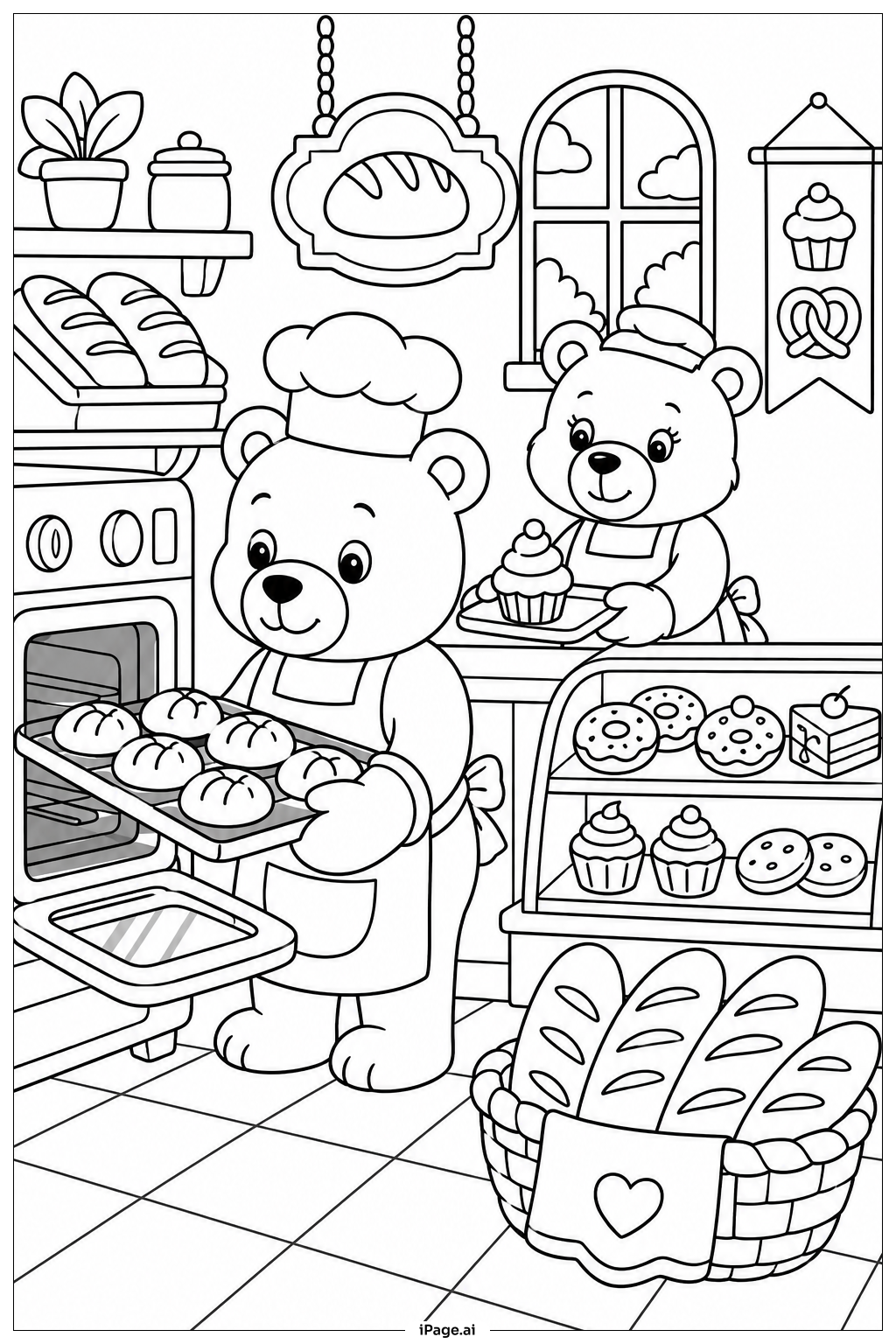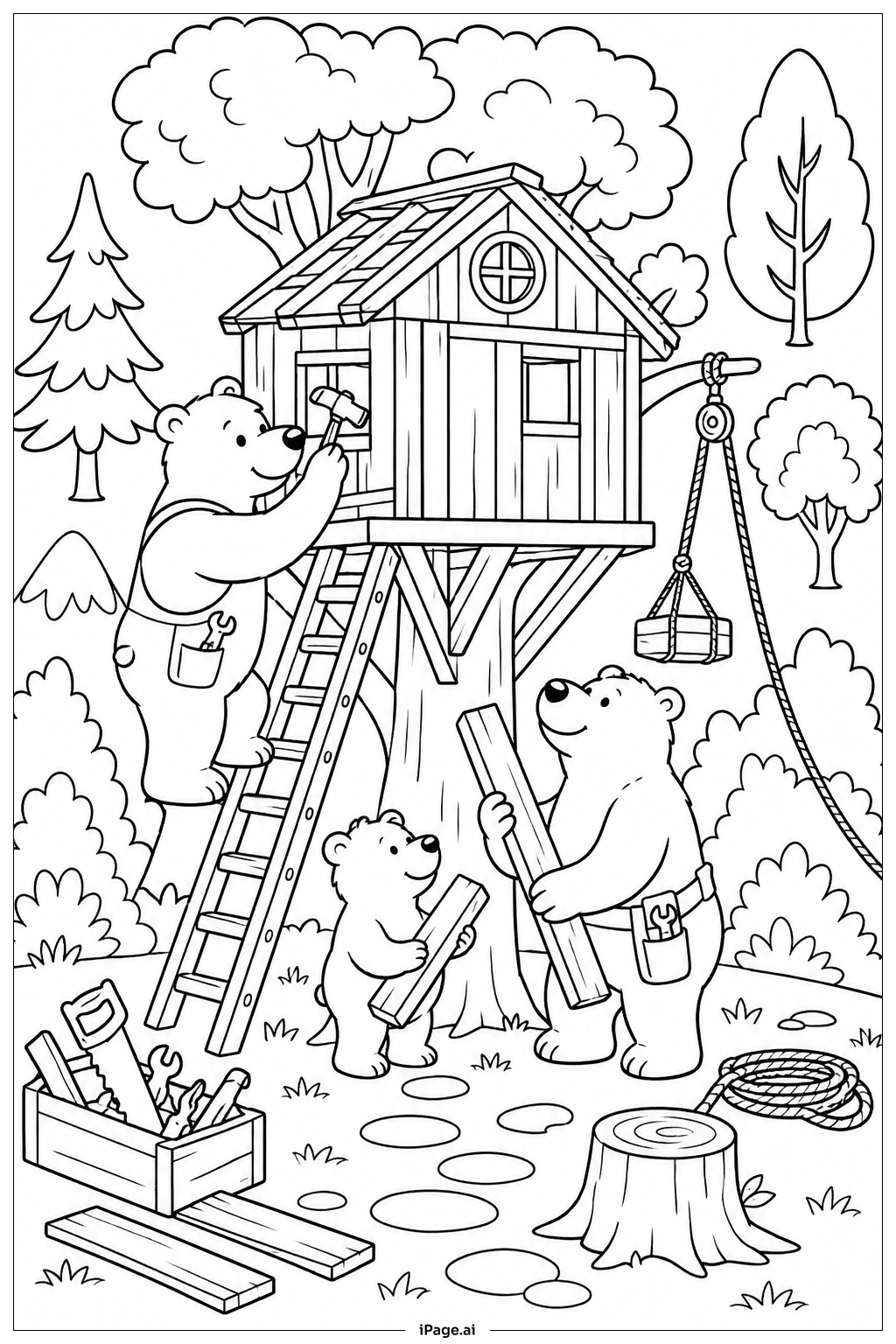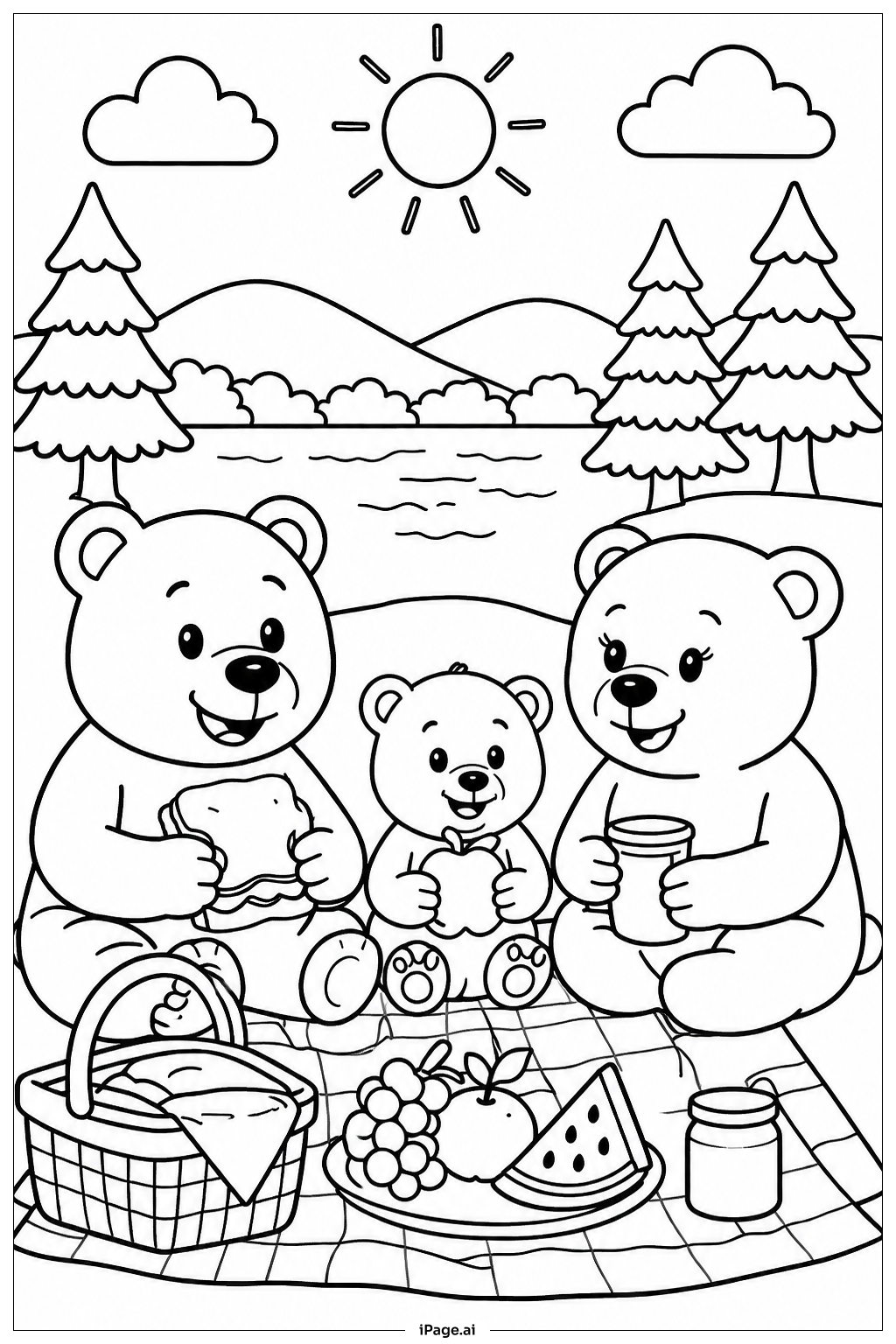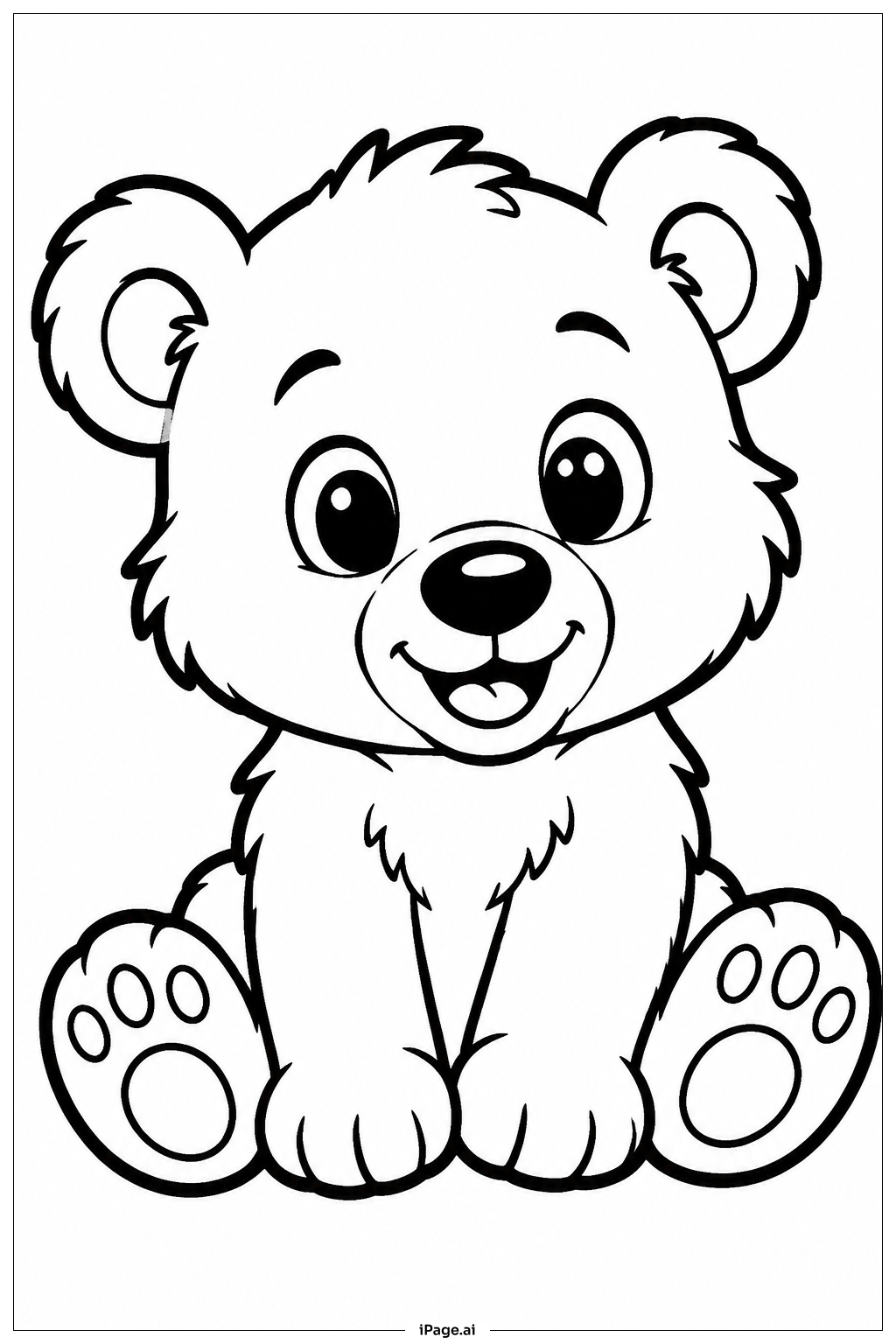
Coloring tips: How to color Grizzly Bear Cub coloring page well?
For coloring this Grizzly Bear Cub, start with warm shades of brown for the fur. Use lighter browns or tans around the face and ears to give depth and softness. You can add darker browns or even black around the paws and claws to highlight details. Consider using soft yellows or creams for the inner ears and muzzle. For the eyes, dark brown or black with tiny white highlights will make them look lively. The background can be colored with greens for grass or trees, or soft blues for sky to create a natural setting. Using gentle color strokes can help capture the fluffy texture of the cub’s fur. Remember to stay inside the lines and try blending different tones to bring the cub to life.
Coloring challenges: Which parts are difficult to color and need attention for Grizzly Bear Cub coloring page?
• Fur Texture: Capturing the fluffy and thick fur texture requires careful shading and blending. Using only flat colors may make the cub look less realistic.
• Facial Details: The small facial features such as the eyes, nose, and mouth are tiny and delicate. Coloring them precisely without going outside the lines can be challenging.
• Claws and Paws: The claws have sharp edges and are small compared to the paws. Coloring these details neatly requires fine motor skills.
• Color Variation: The cub’s fur is not just one shade but includes gradients from light browns to dark browns. Achieving a natural look means using multiple colors smoothly.
• Background Simplicity: Although the background is simple, deciding how much detail to add without distracting from the cub might require planning and balance.
Benefits of coloring books: Advantages of drawing Grizzly Bear Cub coloring page
Coloring this Grizzly Bear Cub helps children improve their attention to detail and hand-eye coordination. Working on the different shades and textures encourages creativity and understanding of natural colors. It also develops fine motor skills, especially when coloring small features like the eyes and claws. The subject of a friendly baby animal stimulates imagination while teaching about wildlife. For children of various ages, this coloring image offers an engaging activity that builds patience and focus. Moreover, coloring can be relaxing and boost confidence as they see their artwork come to life.