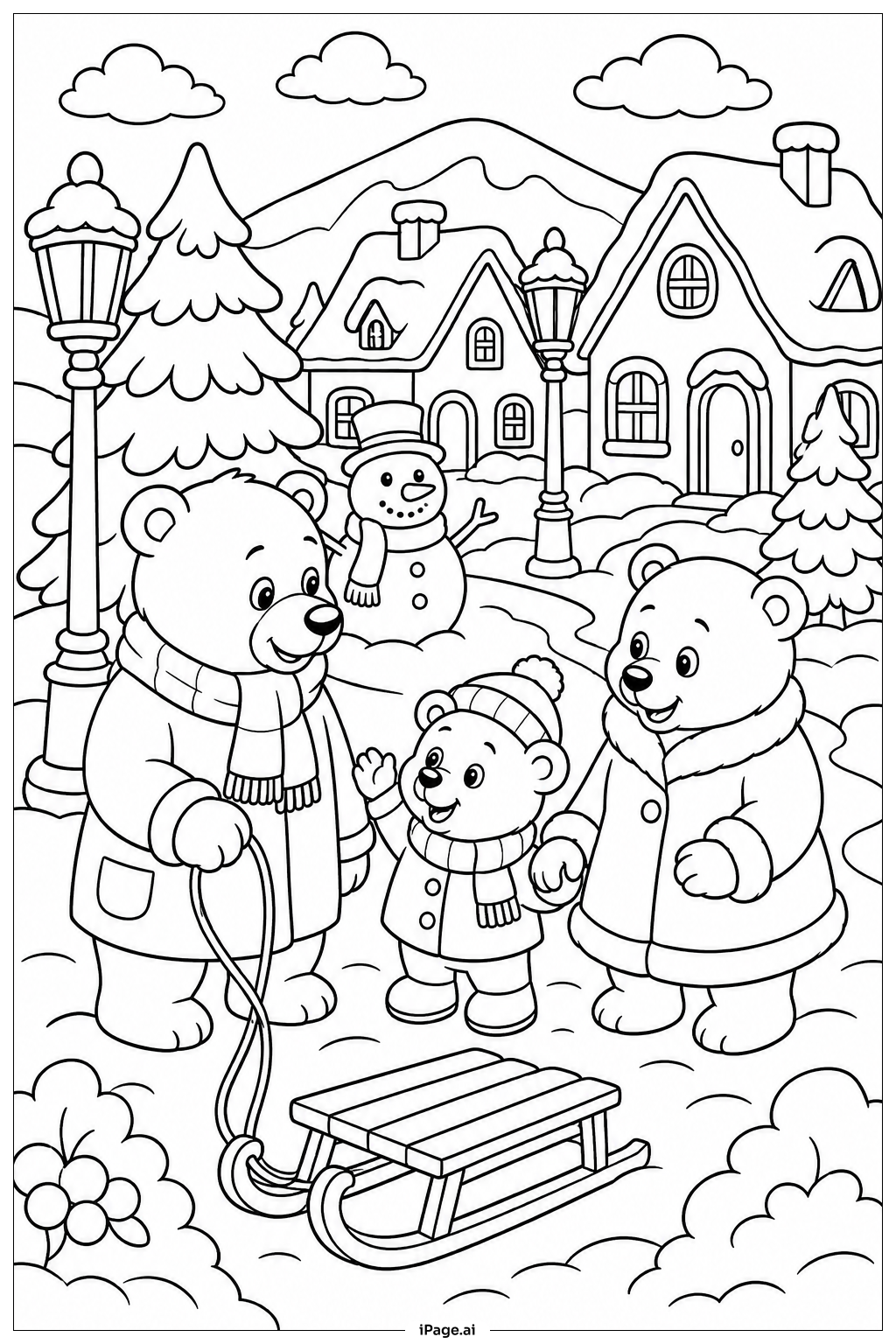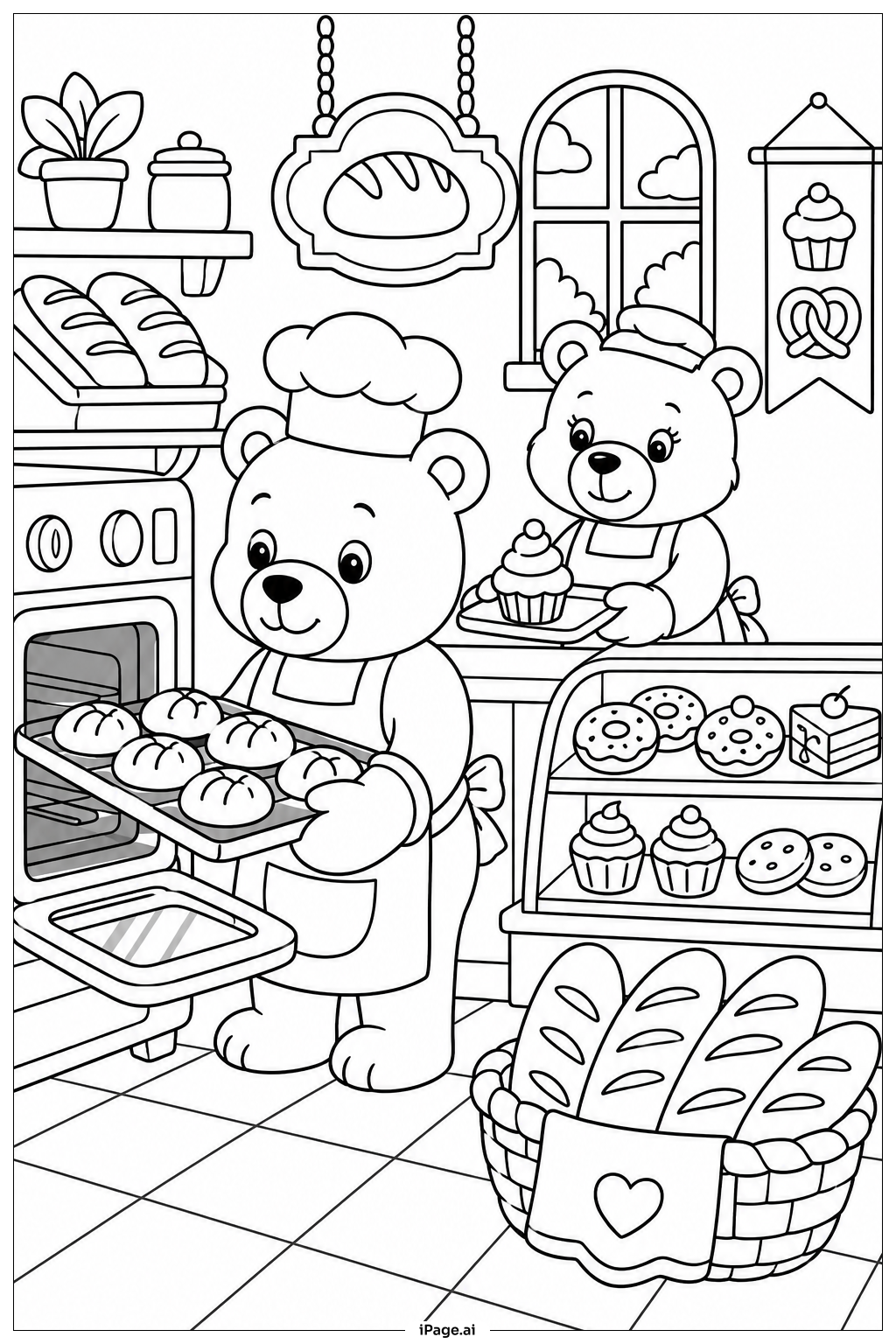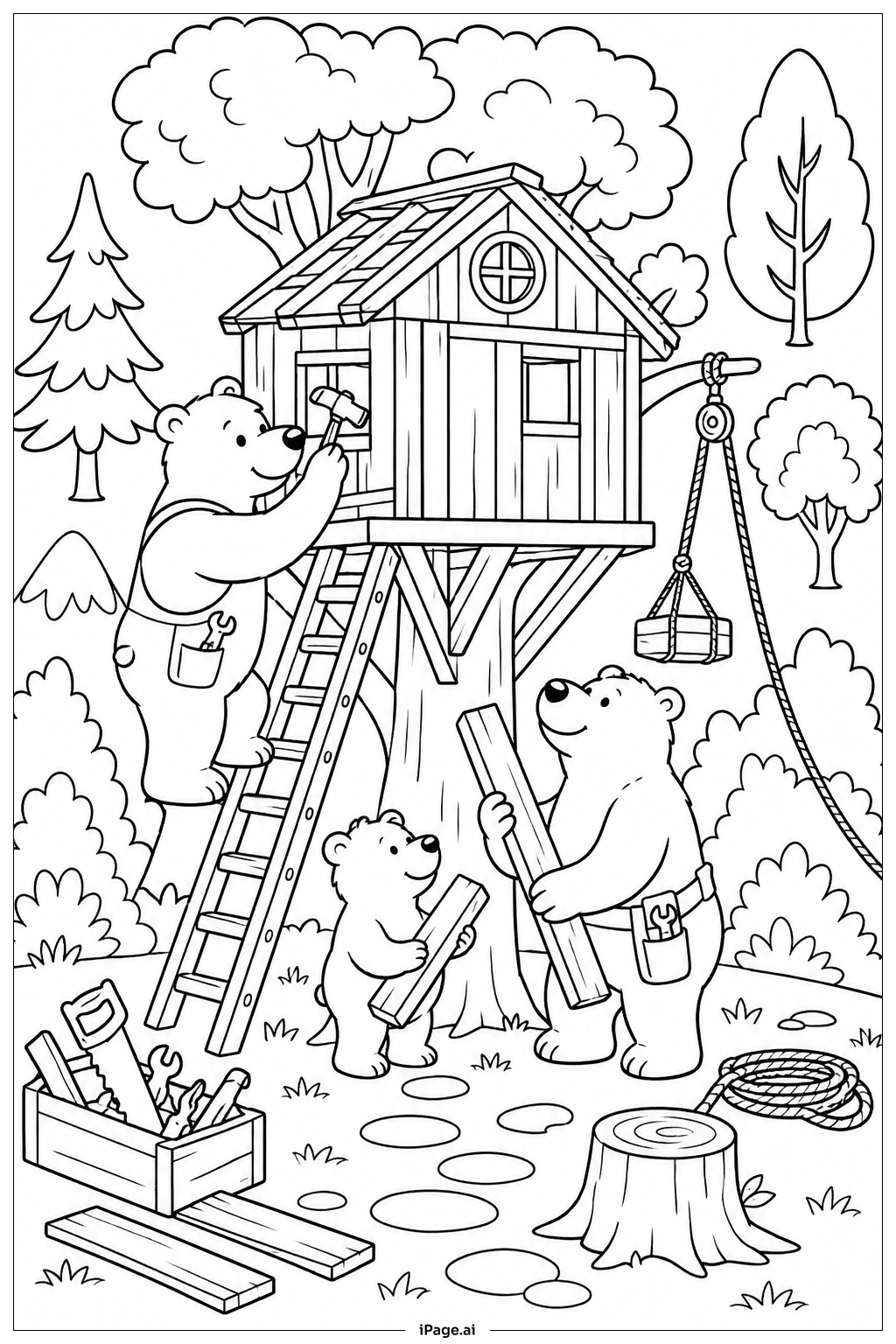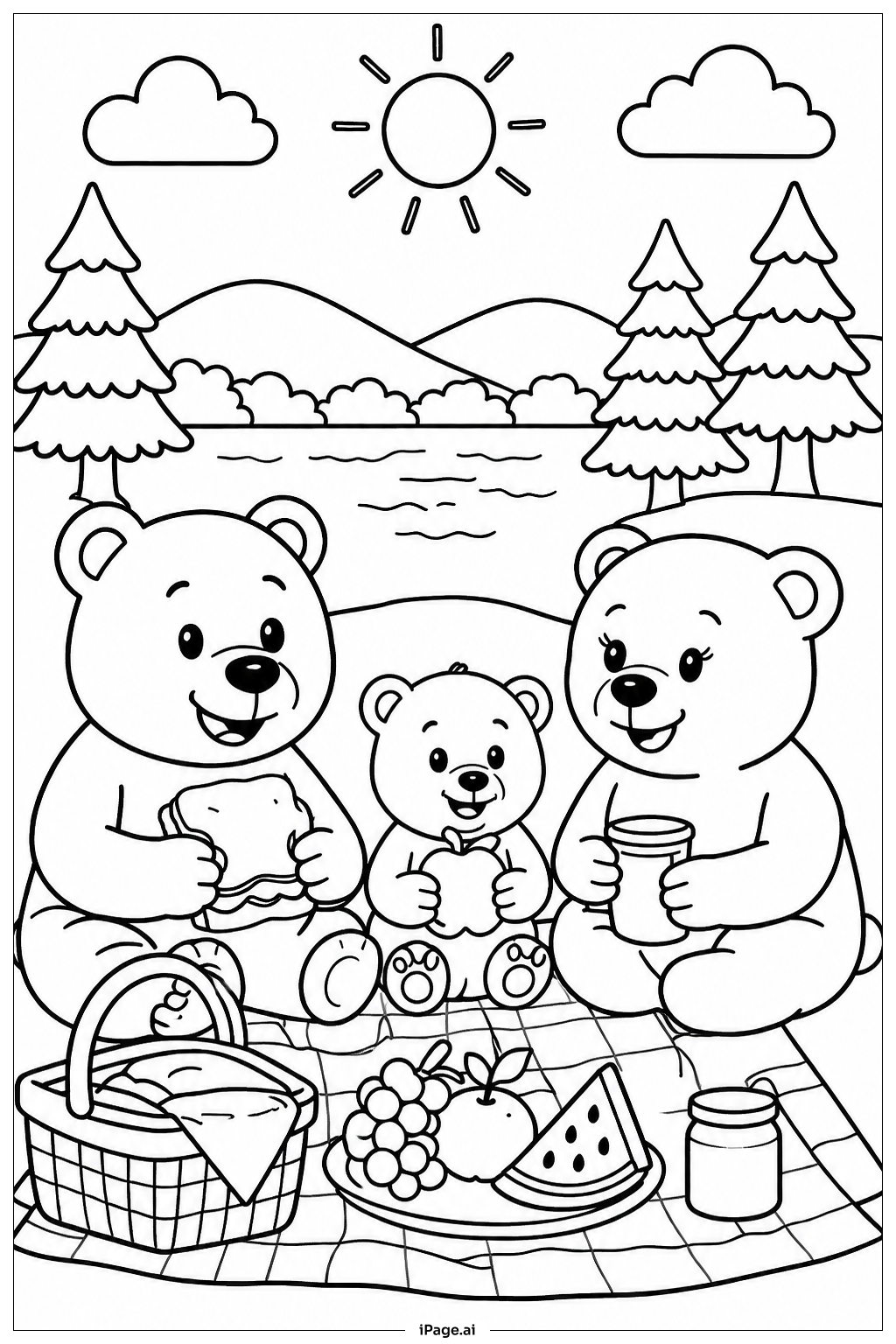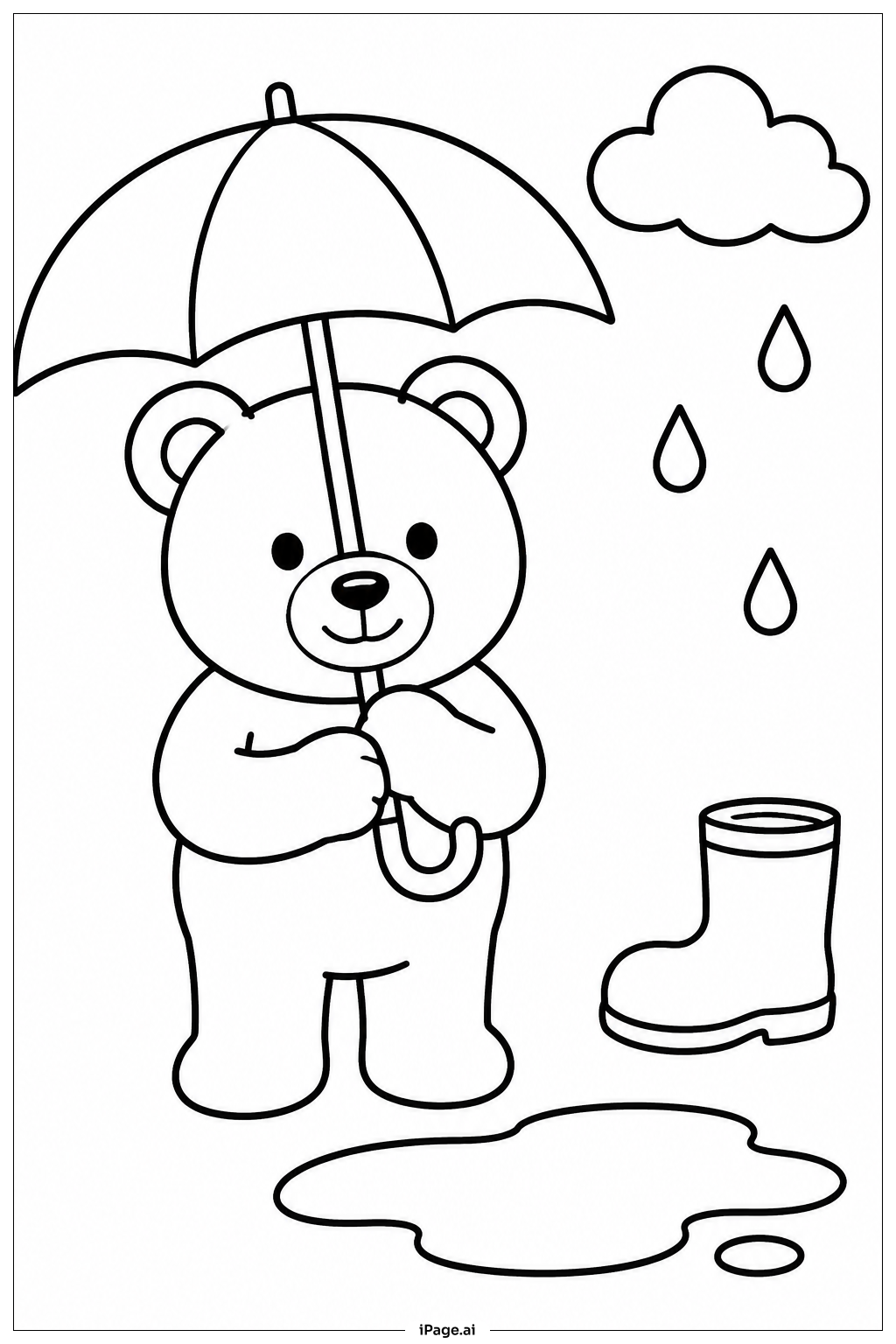
Coloring tips: How to color Bear With Umbrella coloring page well?
For coloring the Bear, you can use warm brown or honey shades to bring out its soft fur. The scarf is a great spot to play with bright colors like red, blue, or green to add a cheerful touch. For the umbrella, try using vibrant colors such as yellow, orange, or multicolored stripes to make it stand out against the Bear. Don’t forget to color the Bear’s nose black or dark brown and the eyes a shiny black with a white spot to show reflection. You can add some light blue or grey to the background to suggest a rainy sky. Have fun experimenting with light and shadow to give the Bear and umbrella a more 3D look!
Coloring challenges: Which parts are difficult to color and need attention for Bear With Umbrella coloring page?
• Small Details: The Bear’s facial features include small eyes, nose, and ears that require careful coloring inside the lines to maintain their expression and charm. • Overlapping Objects: The umbrella overlaps the Bear’s head and paws, which means you need to pay attention to coloring the edges neatly so the shapes don’t blend or look messy. • Texture Suggestion: To make the fur look soft, gentle shading and blending are recommended, which can be challenging for beginners but helps improve fine motor skills. • Color Choice Balance: Choosing the right contrast between the Bear’s warm fur colors and the umbrella’s bright tones can be tricky to keep the picture balanced and visually appealing. • Background Space: While the background is simple, adding rain effects or a ground surface requires extra creativity and might be difficult to color realistically without smudging.
Benefits of coloring books: Advantages of drawing Bear With Umbrella coloring page
Coloring this Bear With Umbrella image helps children develop hand-eye coordination and fine motor skills as they color within the lines. It encourages creativity through color choices, like mixing warm and bright shades for the Bear and umbrella. This activity also promotes focus and patience because of the small facial details and areas where precise coloring is needed. The cheerful subject can boost mood and imagination, making children feel happy and engaged while coloring. Finally, it introduces concepts like shading and texture, which help build foundational art skills in a fun and accessible way.