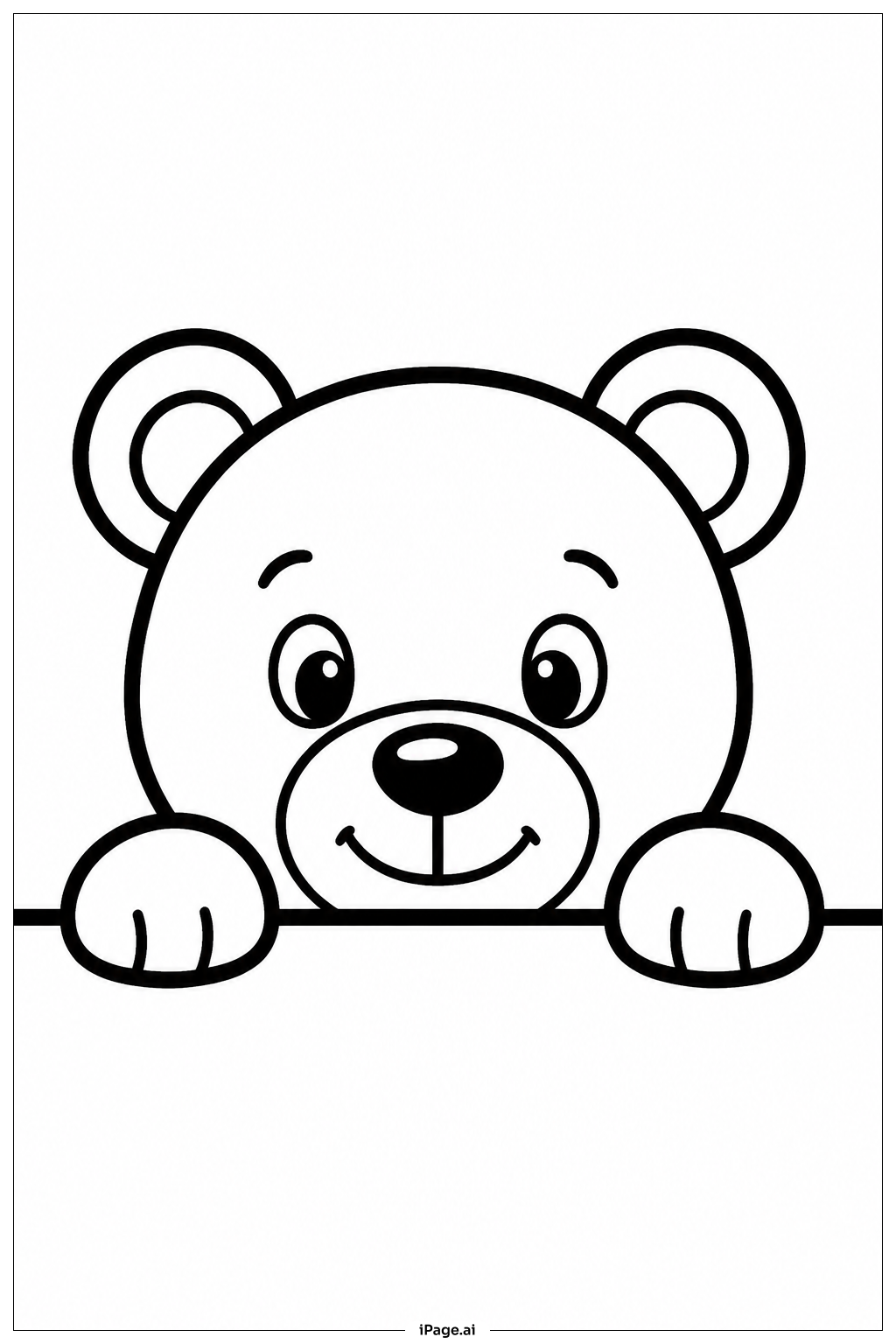
Coloring tips: How to color Bear Peeking coloring page well?
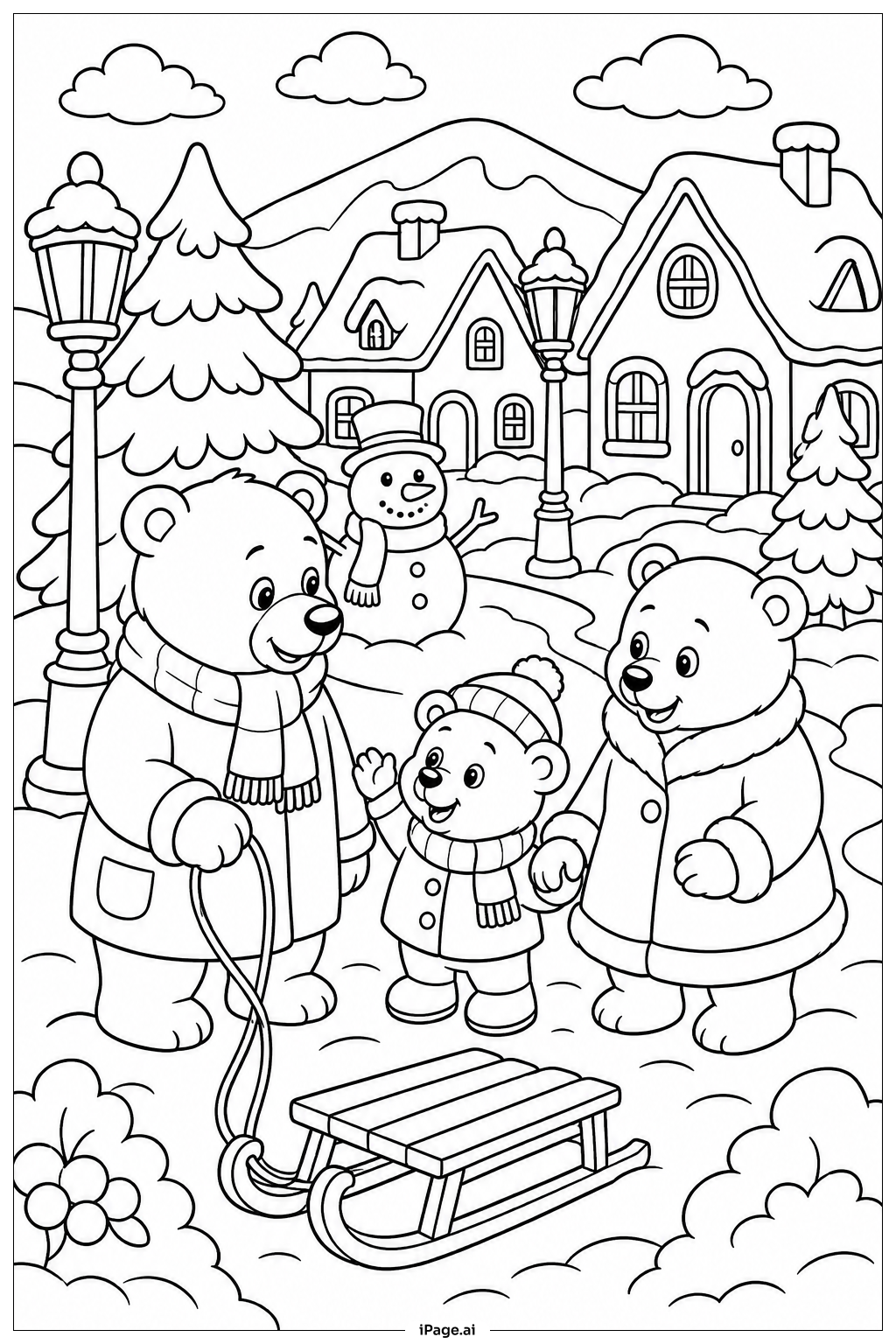
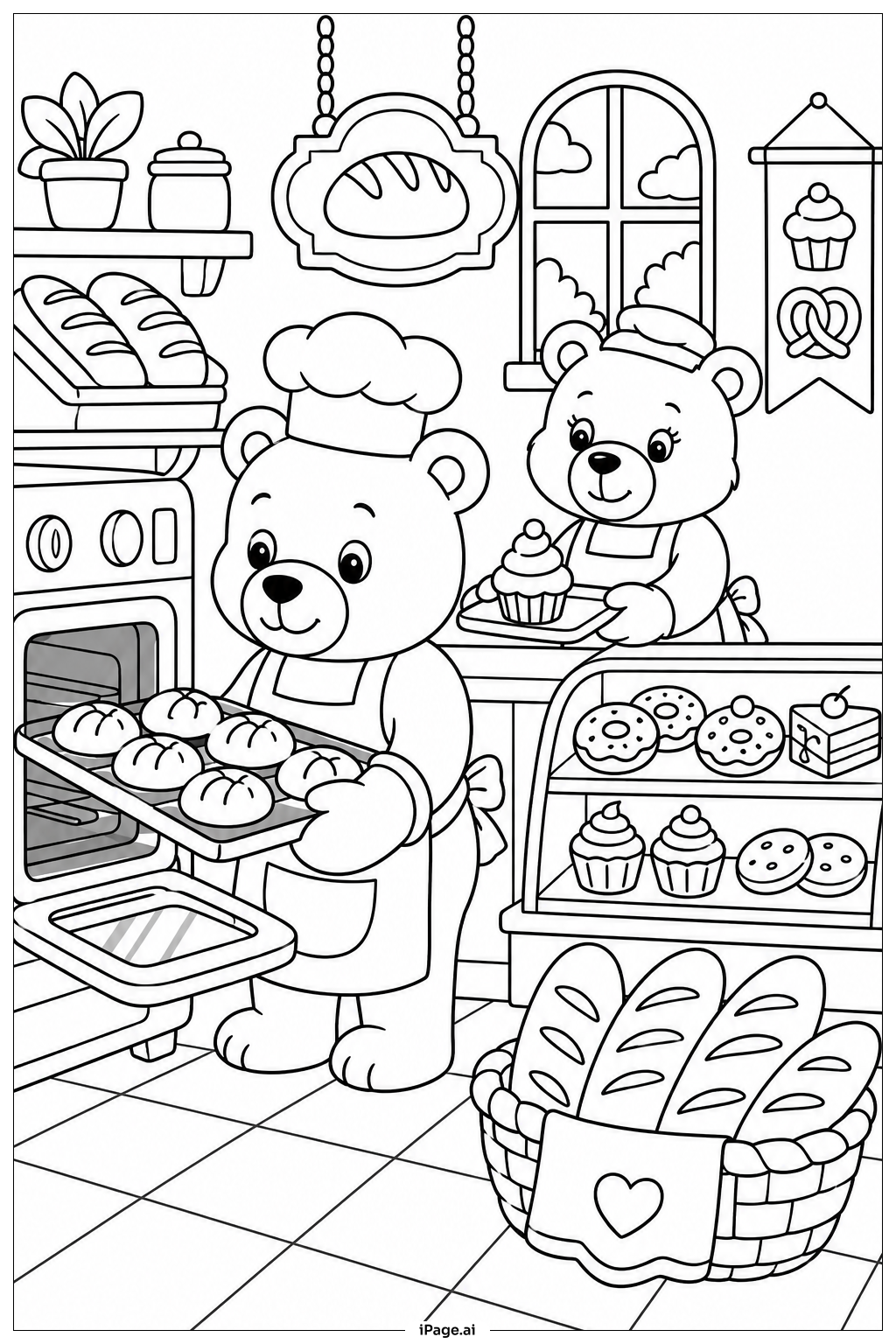
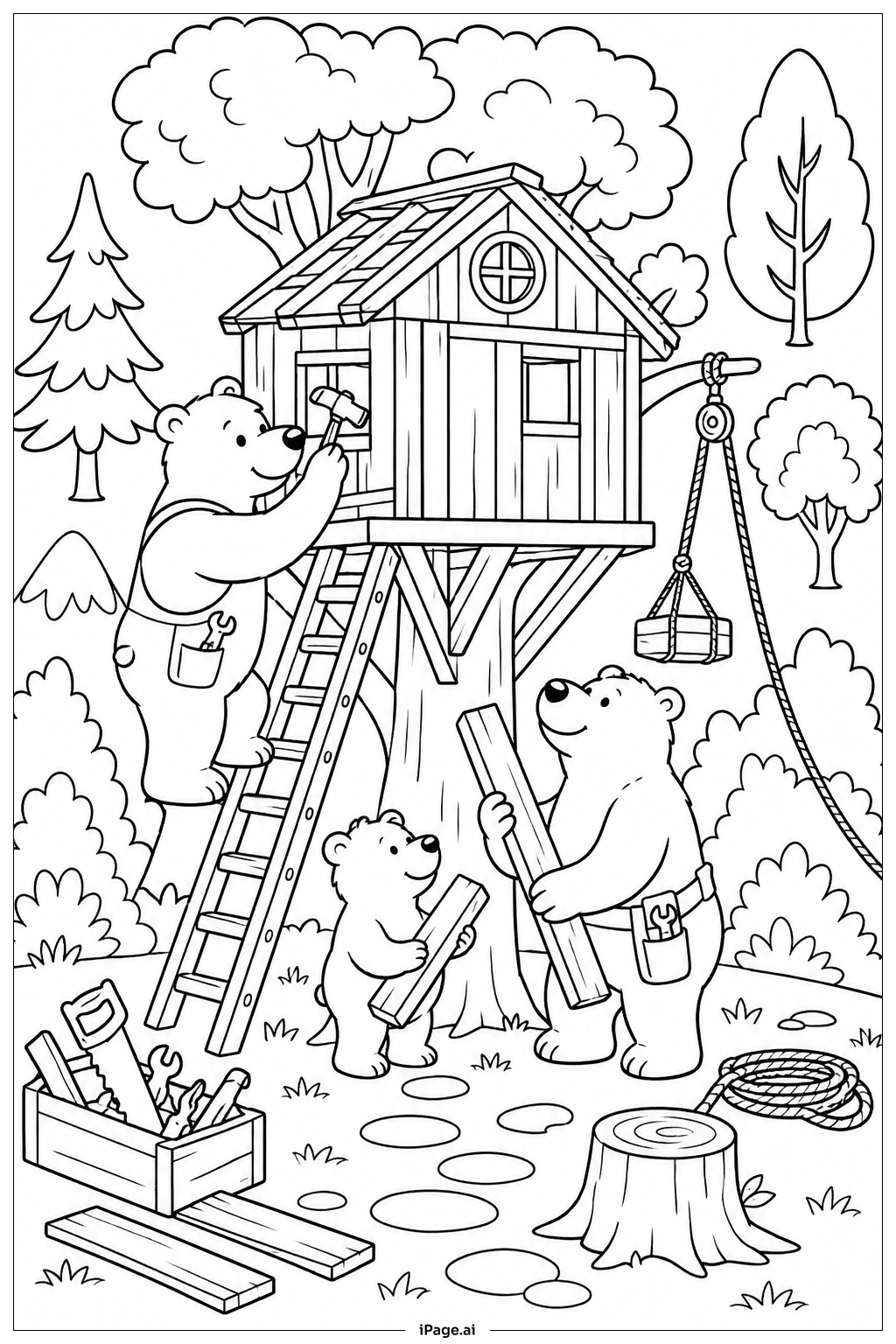
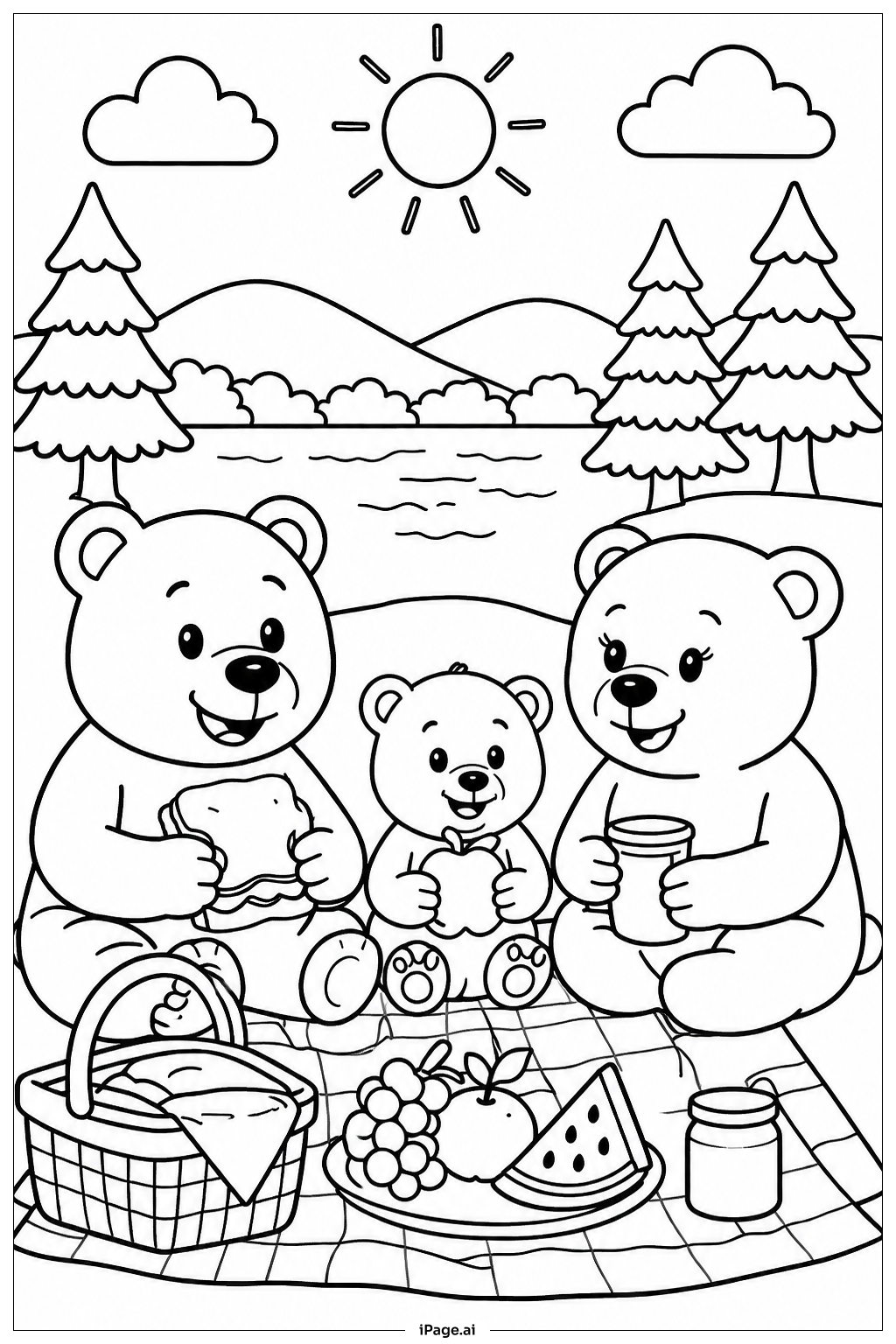
For this Bear Peeking image, try using warm brown tones to color the Bear’s fur. You can blend lighter browns for the face and tummy to make it look soft and fuzzy. The ears and nose can be darker brown or black to add contrast. For the grass and bushes, use different shades of green — some bright and some darker — to show depth and texture. You might add hints of yellow or light green to show sunlight hitting the leaves. Don’t forget to color the Bear’s eyes with a shiny black or dark brown and leave a small white spot to create a lively sparkle in them. Feel free to use bold colors for the background or keep it simple to highlight the Bear’s shy peek.
Coloring challenges: Which parts are difficult to color and need attention for Bear Peeking coloring page?
• Fur Texture: Coloring the Bear’s fur to look soft and natural can be tricky because it involves blending different shades of brown smoothly. Avoid solid flat colors to give it a more lifelike appearance. • Hidden Parts: The Bear is partly hidden behind leaves and grass, so it can be difficult to decide how to color the overlapping areas clearly, maintaining the feeling of peeking without losing details. • Eyes and Face Details: The small details like the Bear’s eyes, nose, and ears need careful coloring to keep the friendly and gentle expression, which can be challenging with the limited space. • Grass and Leaves: Coloring the grass with enough variation to show depth, light, and shadow requires attention to subtle color changes and layering. • Balance of Colors: Ensuring that the Bear stands out well against the green of the grass without clashing or looking dull may need some experimentation with colors and shading.
Benefits of coloring books: Advantages of drawing Bear Peeking coloring page
Coloring this Bear Peeking picture helps develop fine motor skills by encouraging careful coloring inside and around details like the eyes and leaves. It also inspires creativity as you decide how to mix browns and greens to show fur texture and natural surroundings. This image invites children to practice patience and focus because of overlapping elements and small spaces. Additionally, it can boost observation skills by helping kids notice how colors change with light and shadow in nature. Finally, coloring this cheerful scene sparks imagination and a connection with animals and the outdoors, making the activity both fun and educational.