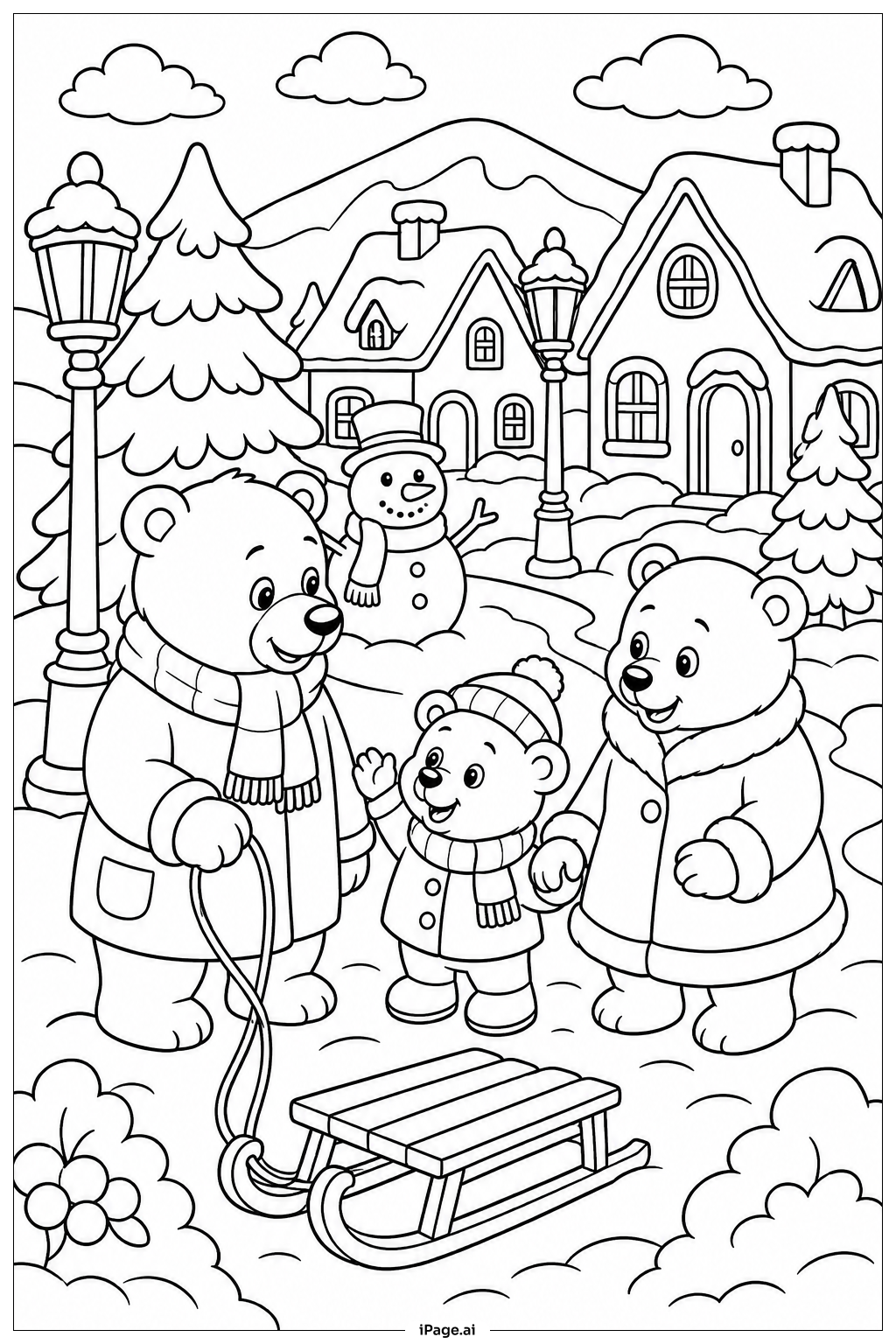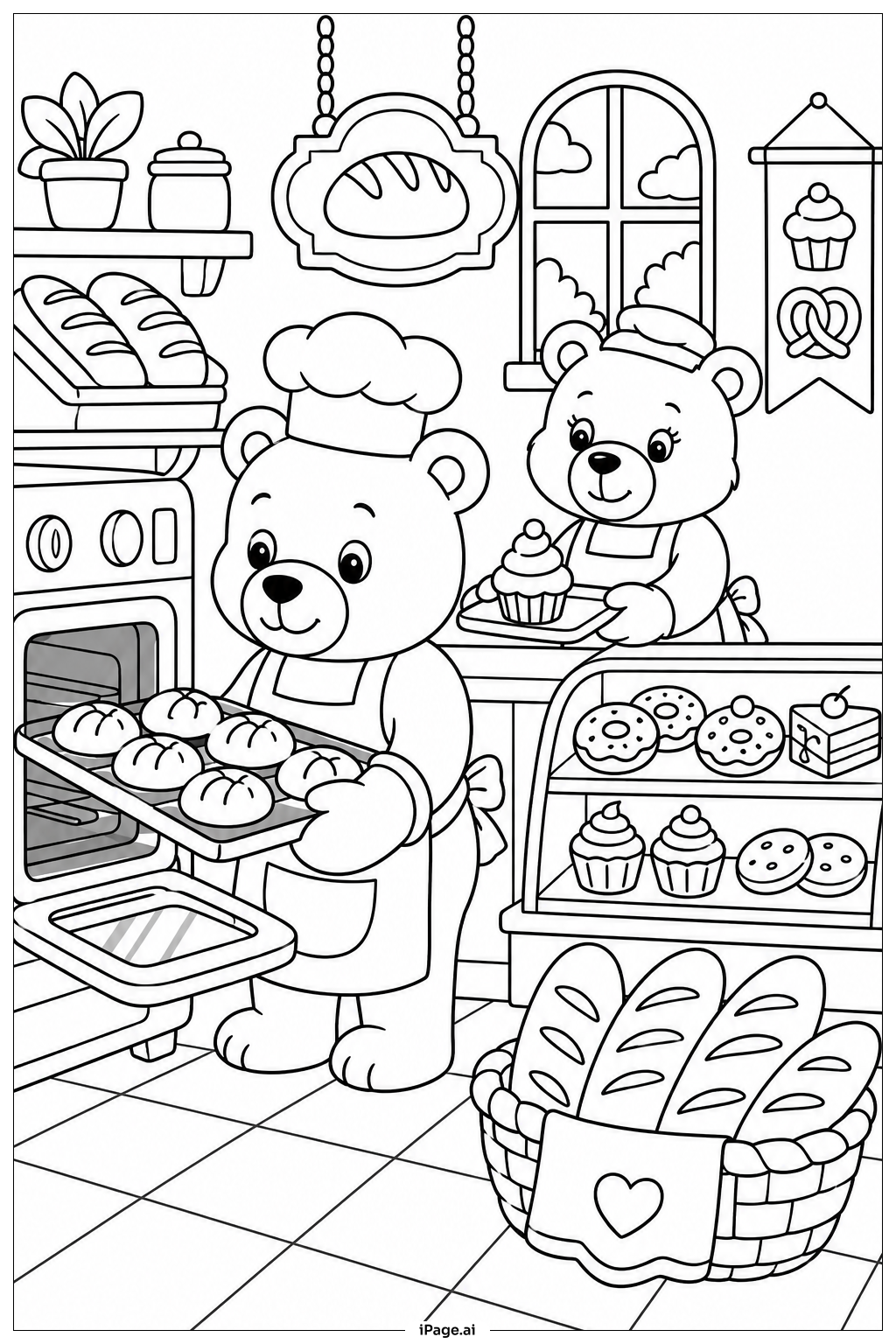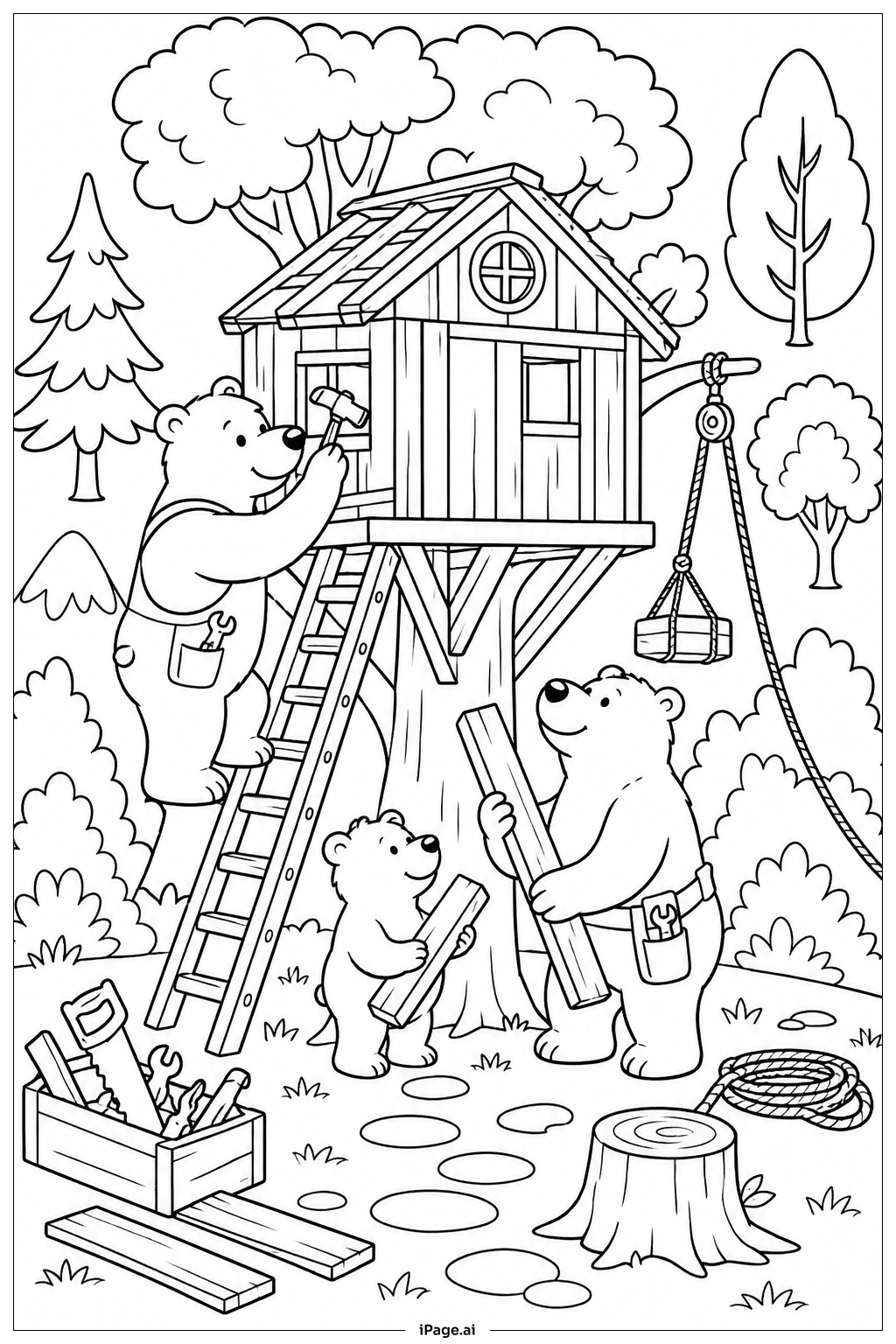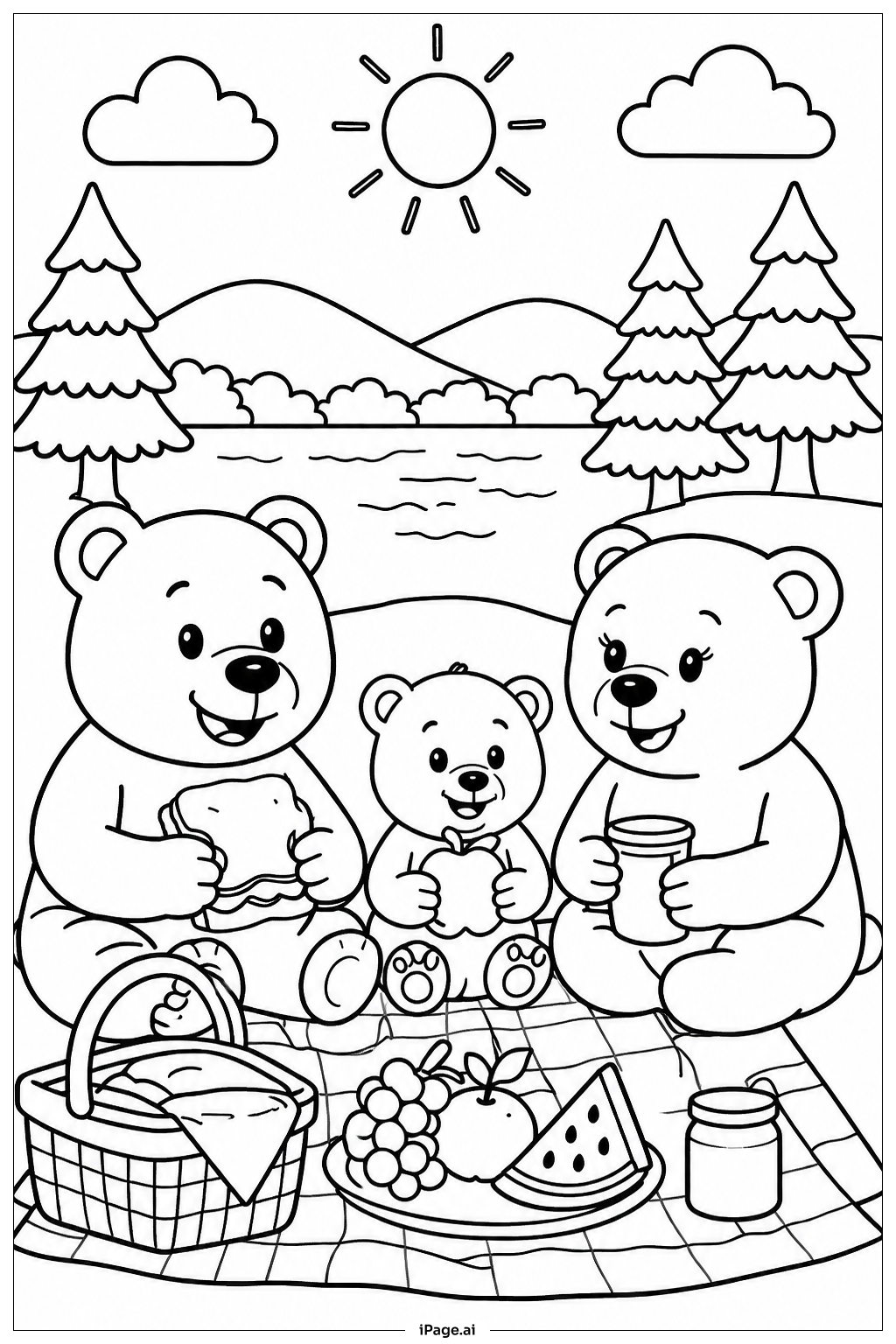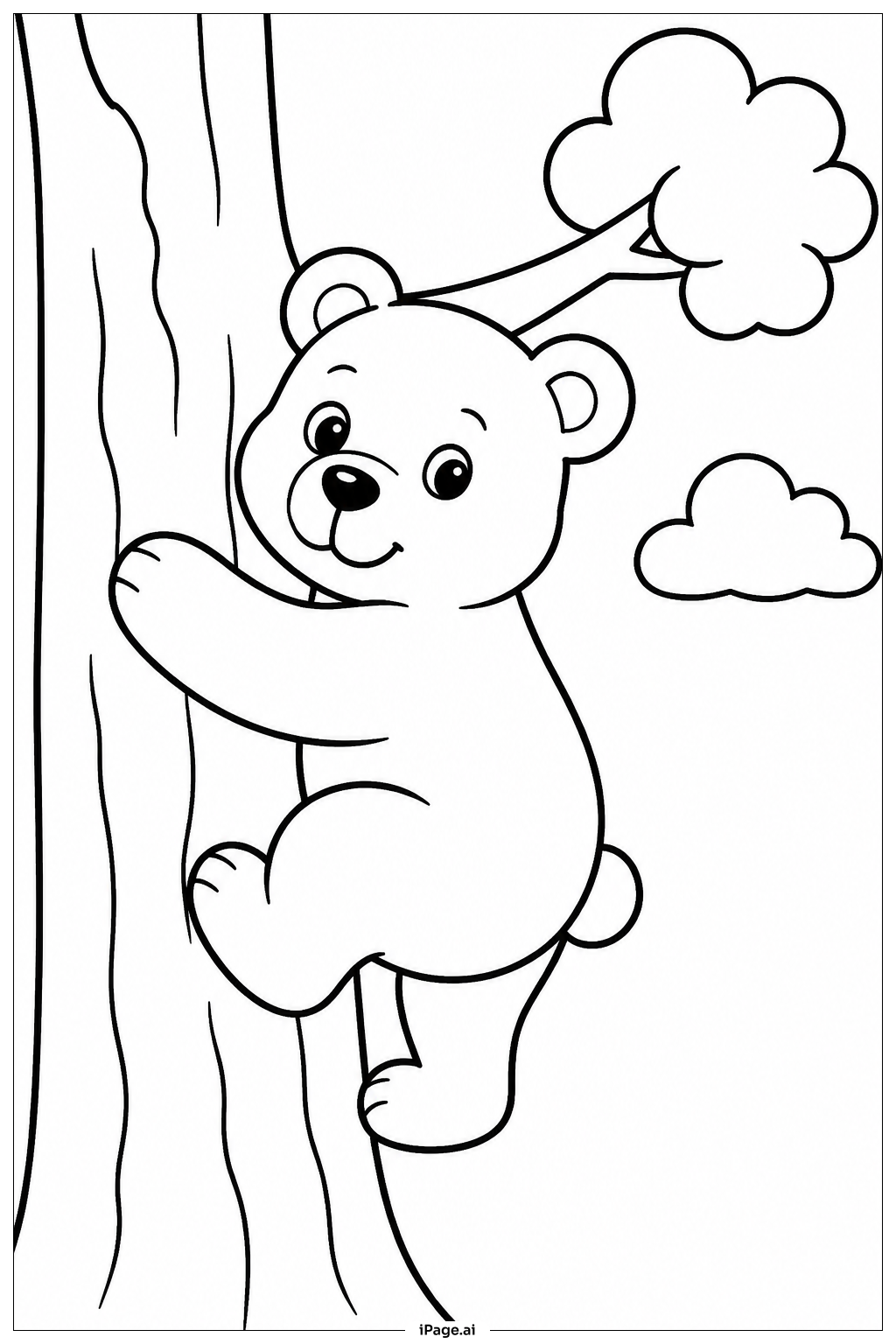
Coloring tips: How to color Bear Climbing Tree coloring page well?
Start with the bear's body using warm brown tones. Use a darker brown for the back, legs, and top of the head to create depth. Leave the belly and muzzle area a lighter tan or cream color. For the tree trunk, try medium and dark browns with hints of gray to show rough bark texture. Add streaks of darker brown along the grooves. Color the leaves in bright or deep greens, mixing shades to make them look full and lush. You can add a yellow-green highlight to some leaves for a sunlit effect. Use dark brown or black for the bear's claws and nose. The ground can be colored with earthy greens and browns for grass and soil. Feel free to add a blue sky peeking through the branches or small woodland details like flowers or mushrooms to bring the scene to life.
Coloring challenges: Which parts are difficult to color and need attention for Bear Climbing Tree coloring page?
• Bear Fur Texture: The bear's body has soft, rounded fur that needs careful shading to look realistic. Blending light and dark browns smoothly can be tricky, especially for younger colorists. Using small circular strokes helps mimic the look of real fur without sharp lines.
• Tree Bark Detail: The tree trunk is filled with many narrow grooves and ridges running up and down. Coloring within these tight lines while keeping the texture consistent takes patience and a steady hand. Using a fine-tipped marker or a sharp pencil tip works best here.
• Paw and Claw Placement: The bear's paws are curved around the trunk, which creates an overlapping area where bear and tree meet. It can be hard to tell where one ends and the other begins. Coloring each element a distinct shade before blending at the edges helps separate them clearly.
• Layered Leaves and Branches: The branches spread in multiple directions with leaves overlapping each other. Choosing slightly different shades of green for each leaf layer helps prevent the canopy from looking flat. Taking your time on each leaf individually gives the best result.
• Facial Expression Details: The bear's face has small, closely spaced features like eyes, a nose, and mouth. These tiny areas require a precise touch to color neatly without spilling onto surrounding fur. Fine-tipped coloring tools are strongly recommended for this part of the image.
Benefits of coloring books: Advantages of drawing Bear Climbing Tree coloring page
Coloring this Bear Climbing Tree page offers a wonderful mix of fun and learning for kids of all ages. As children fill in the bear's fur, tree bark, and leafy branches, they practice fine motor skills and build hand-eye coordination. Staying within the detailed lines of the bark and paw areas helps improve focus and concentration. Choosing colors for the bear, leaves, and ground encourages creative thinking and helps children learn about colors found in nature. The scene also gently introduces kids to wildlife and forest environments, sparking curiosity about bears and the outdoors. For older children, blending shades and adding light and shadow effects turns the page into a satisfying artistic challenge. The calm, repetitive motion of coloring is also a natural stress reliever, helping kids unwind and find a peaceful rhythm. Completing a full page gives a genuine sense of accomplishment, which builds confidence and encourages children to keep creating. Whether done solo or shared with friends and family, this coloring page makes for a joyful and enriching activity.