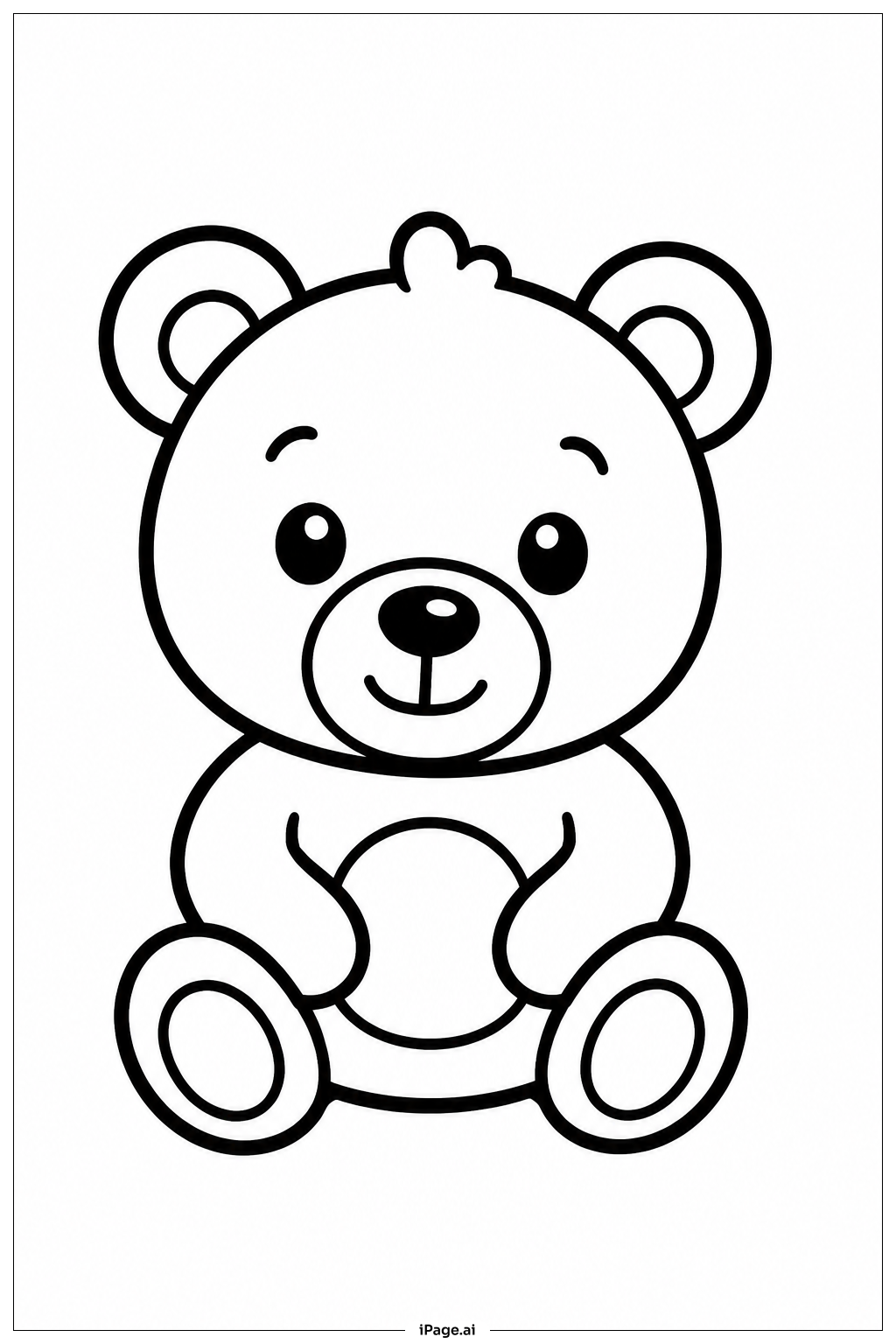
Coloring tips: How to color Baby Bear coloring page well?
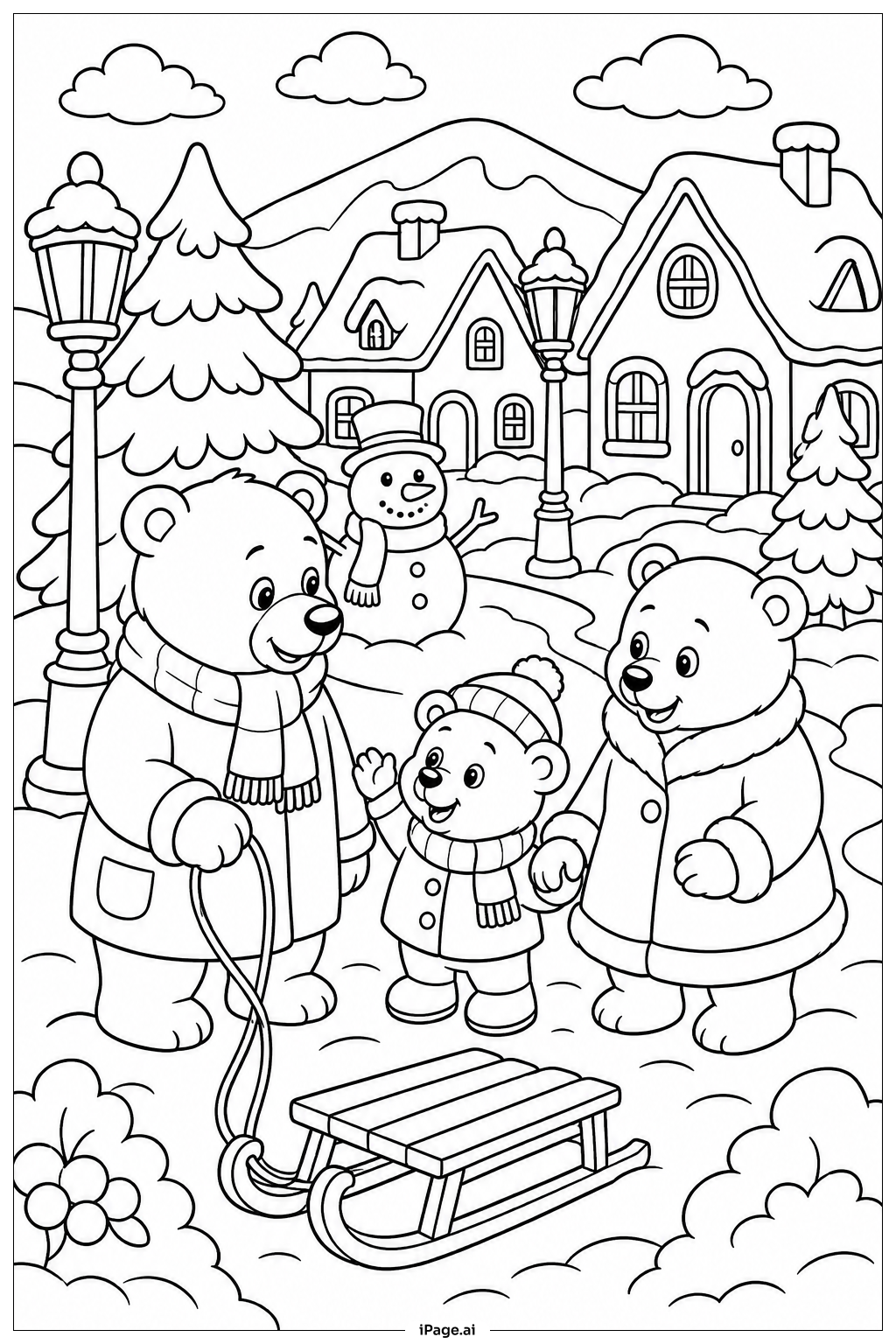
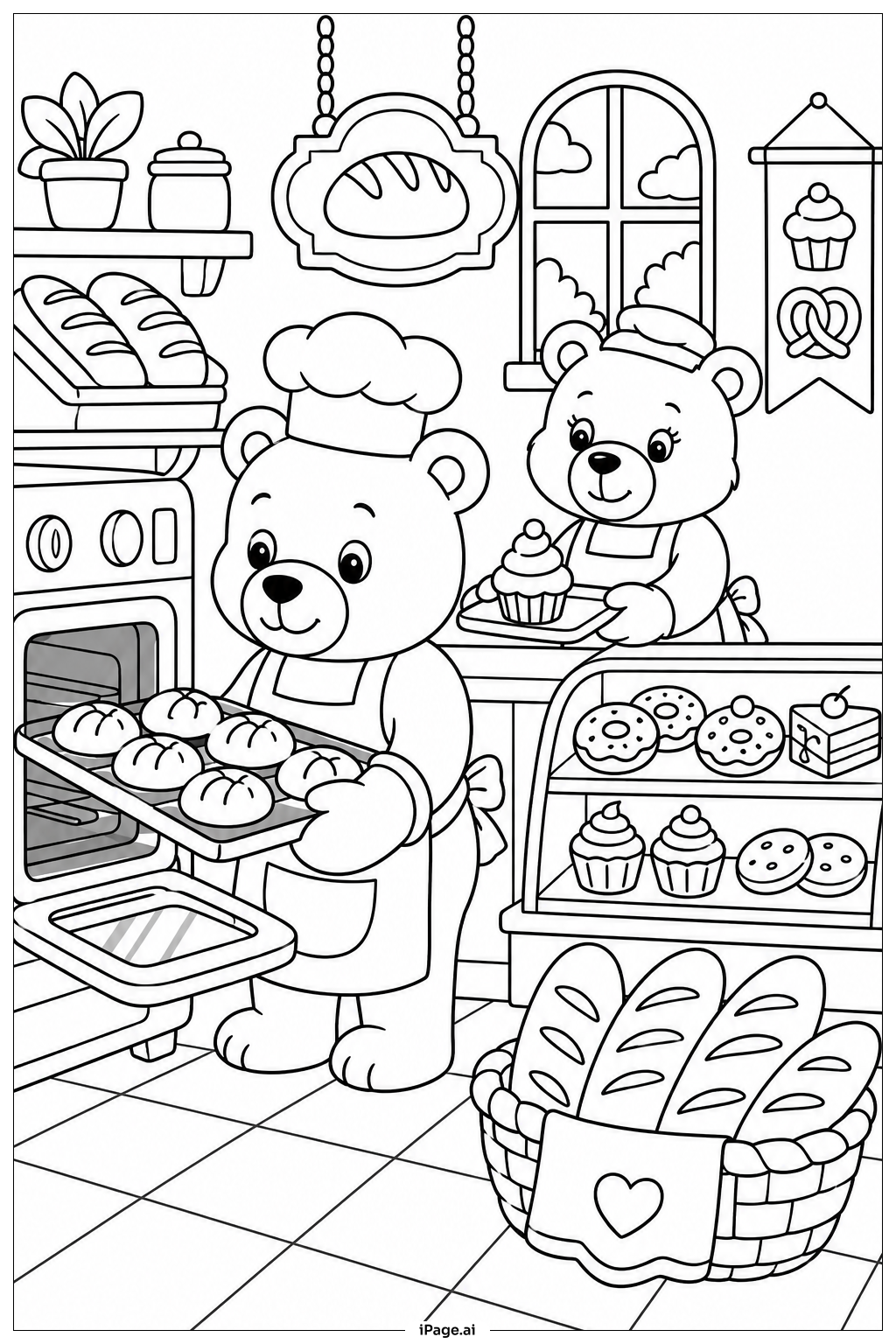
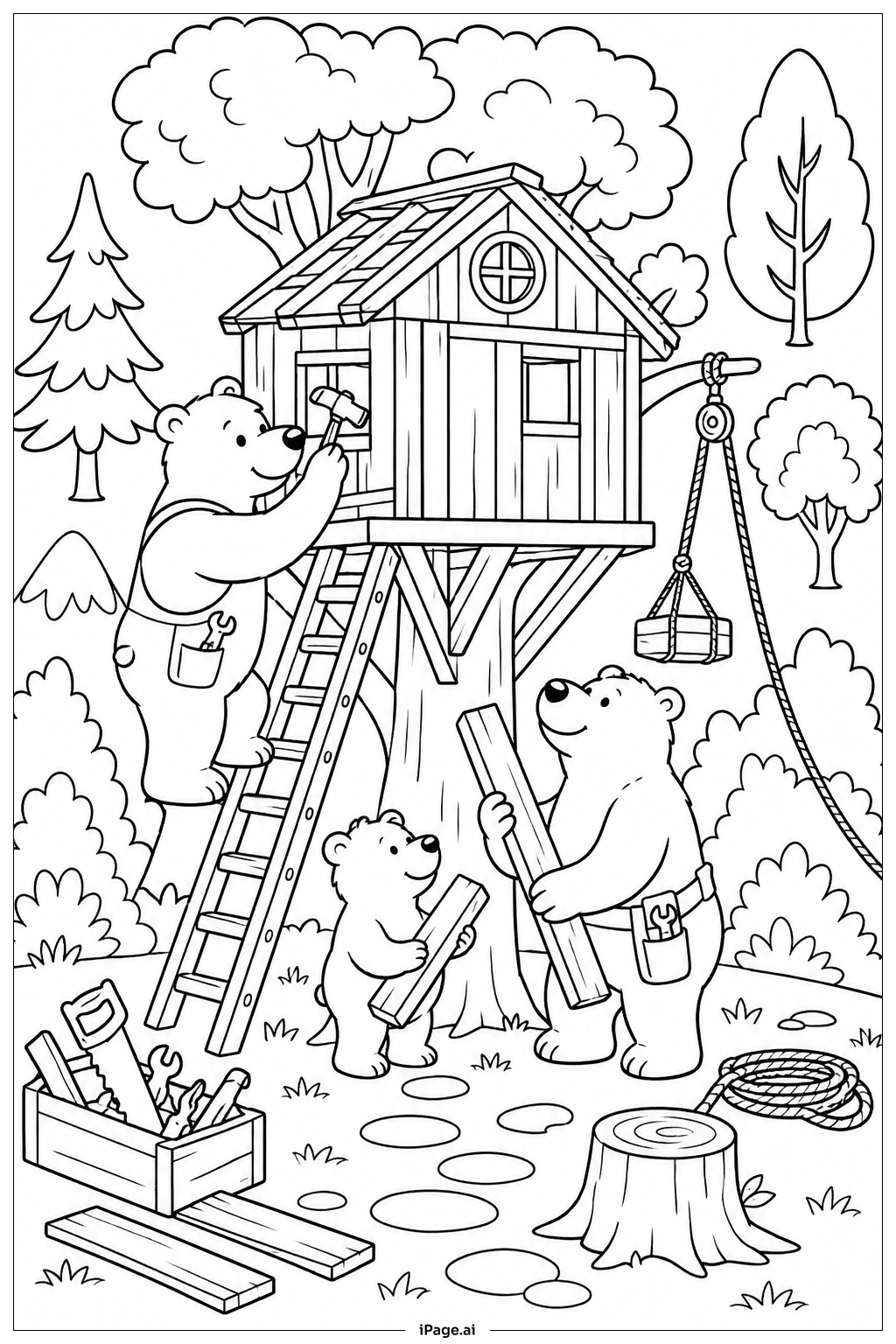
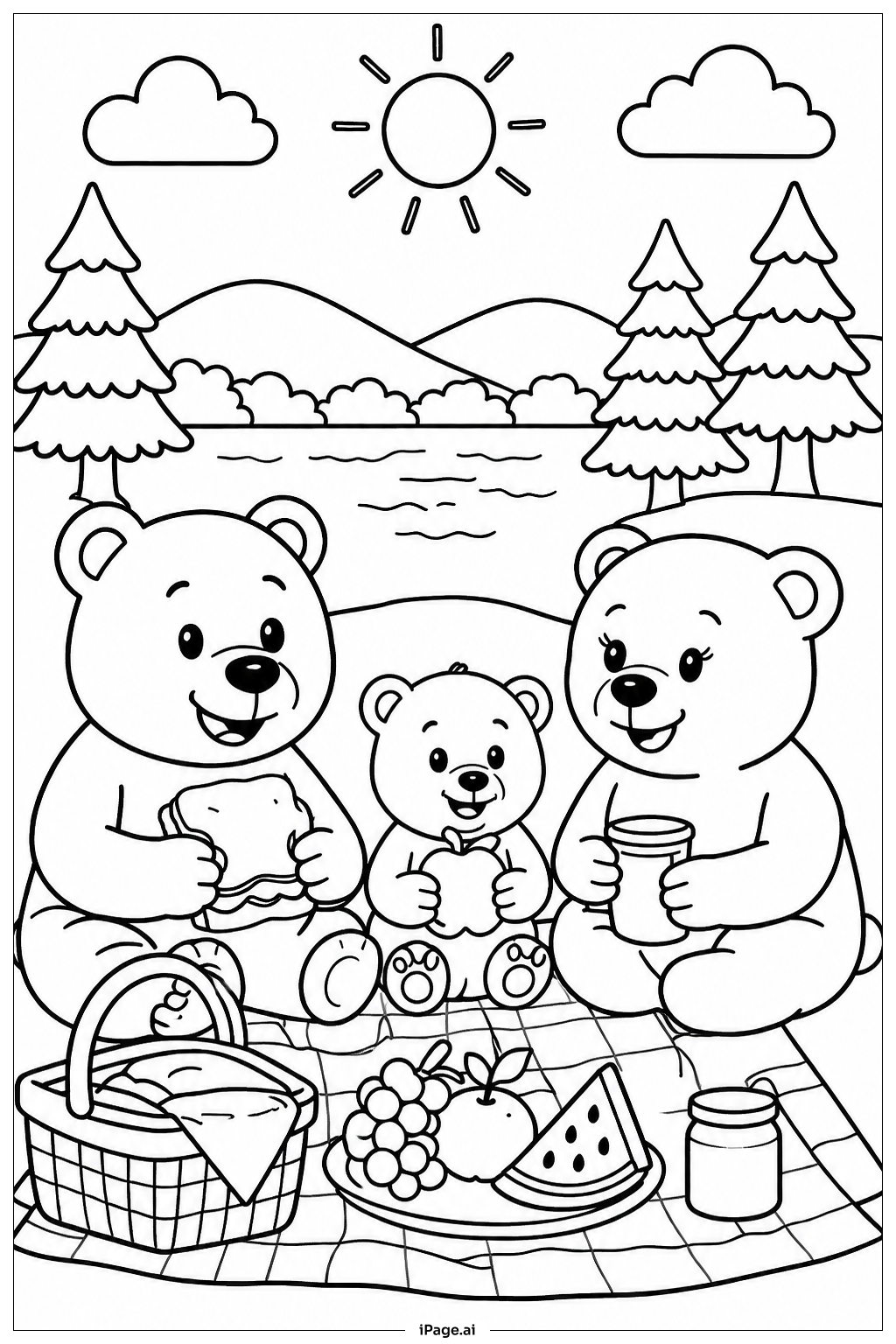
For colors, try using warm browns, tans, and creams to bring the Baby Bear to life. You can use a darker brown for the main body and lighter shades for the face, belly, and inside the ears. Add some pink or peach tones to the cheeks for a healthy, soft look. The eyes can be colored dark brown or black with a small white spot to show light reflection and make the bear look lively. For the background or any leaves, you can use greens and yellows to create a forest feel. Feel free to add creative touches like colorful flowers or patterns on the bear’s fur. Using colored pencils or crayons will help you create soft shading and smooth textures.
Coloring challenges: Which parts are difficult to color and need attention for Baby Bear coloring page?
• Fur Texture: Coloring the soft, fluffy fur evenly can be tricky. It takes patience to blend different shades of brown smoothly to create a natural look. • Facial Details: The small features like the bear’s eyes, nose, and mouth require careful coloring to keep the cute expression without going outside the lines. • Paw Shapes: Coloring the tiny paws neatly can be challenging due to their small size and delicate shape. • Shading and Highlights: Adding depth with light and shadow needs some attention. You want the bear to look round and three-dimensional rather than flat. • Background Balance: If you add additional elements around the bear, be careful to balance colors so the Baby Bear remains the main focus of the page.
Benefits of coloring books: Advantages of drawing Baby Bear coloring page
Coloring this Baby Bear image helps develop hand-eye coordination and fine motor skills by requiring careful control within small spaces. It encourages creativity as children choose colors and experiment with shading and patterns. The simple yet detailed design promotes concentration and patience, which are important for young artists. Coloring animals like this Baby Bear can also foster imagination, storytelling, and an appreciation for nature. Overall, it is a relaxing and enjoyable activity that supports emotional expression and cognitive development in children aged 4 to 16.