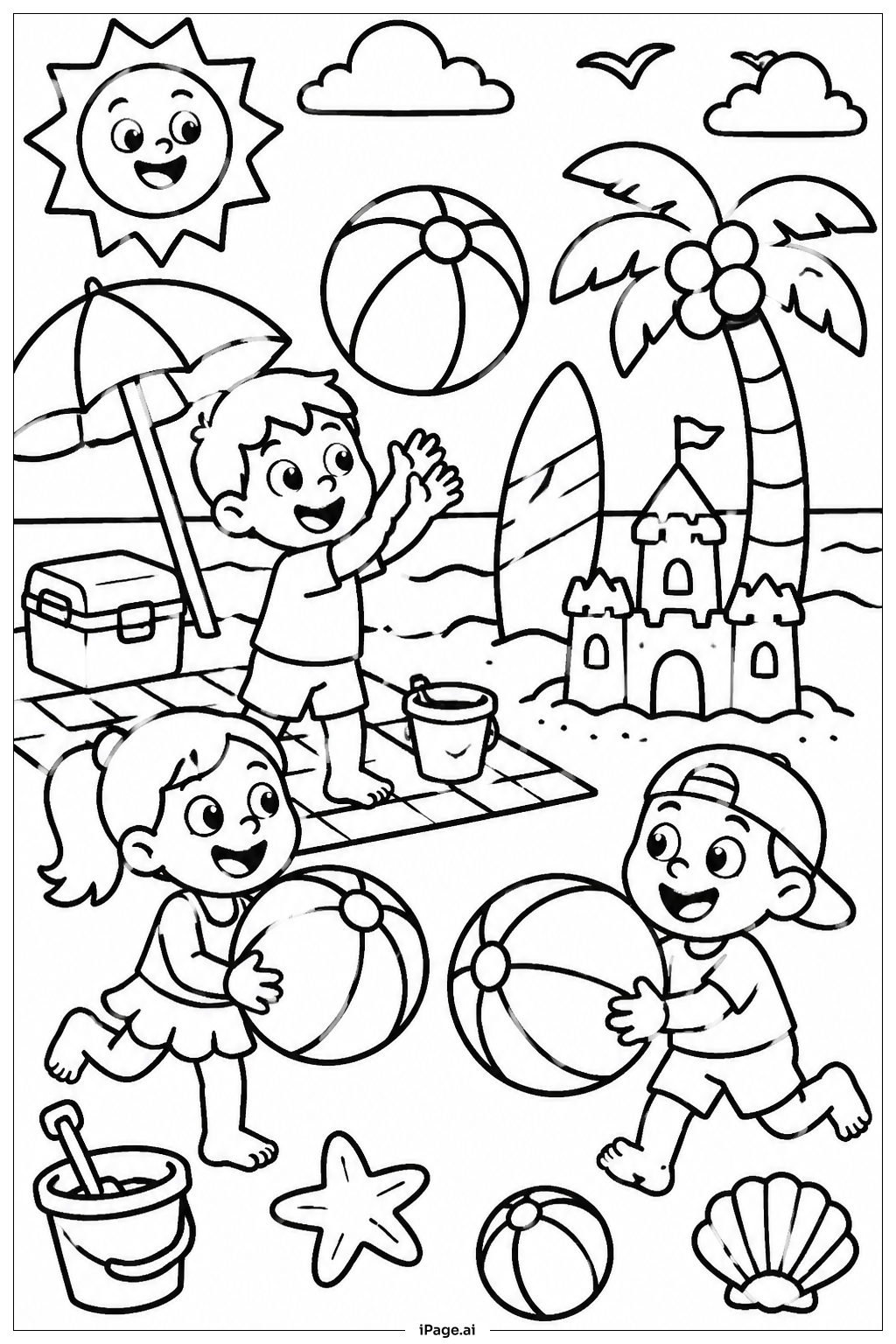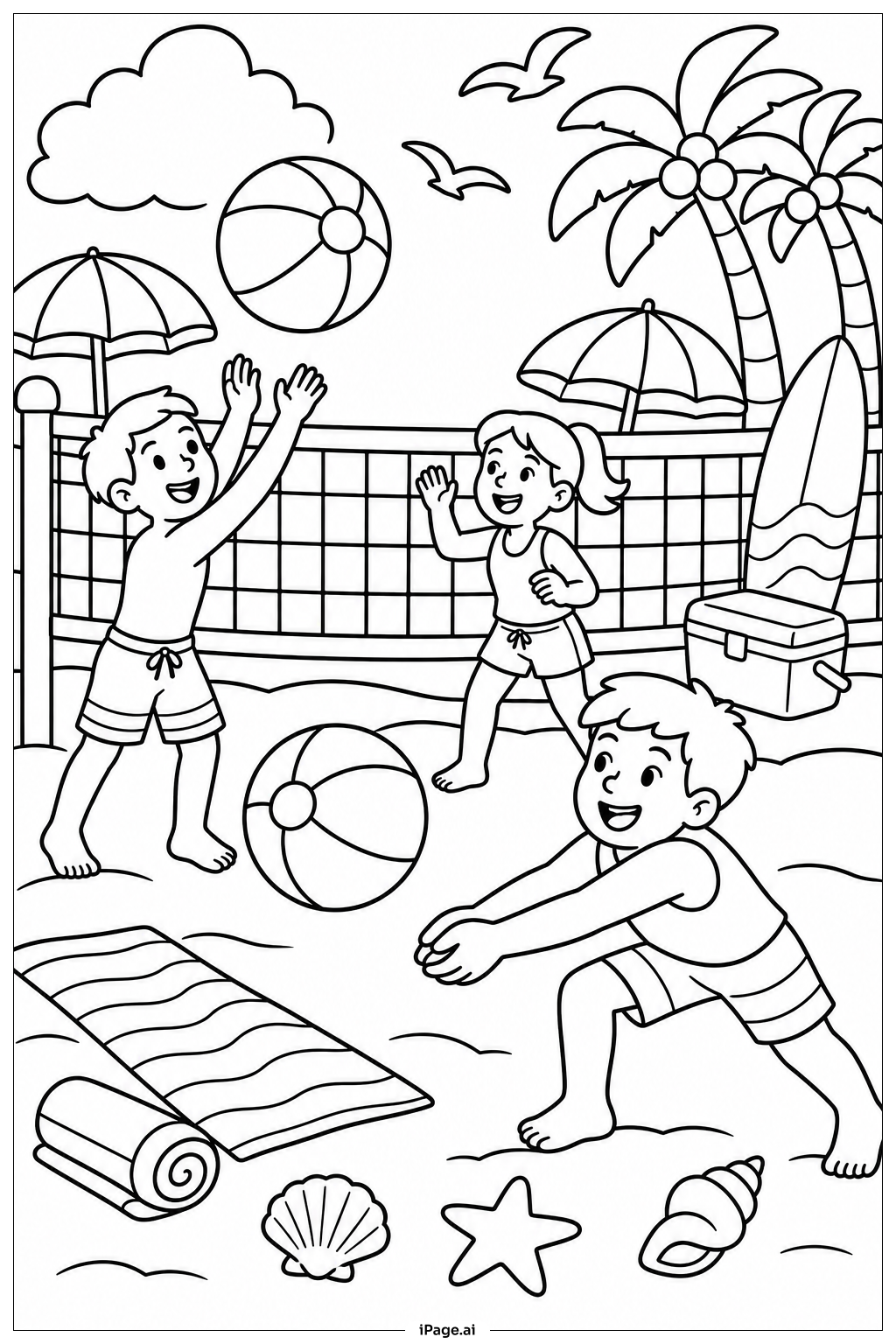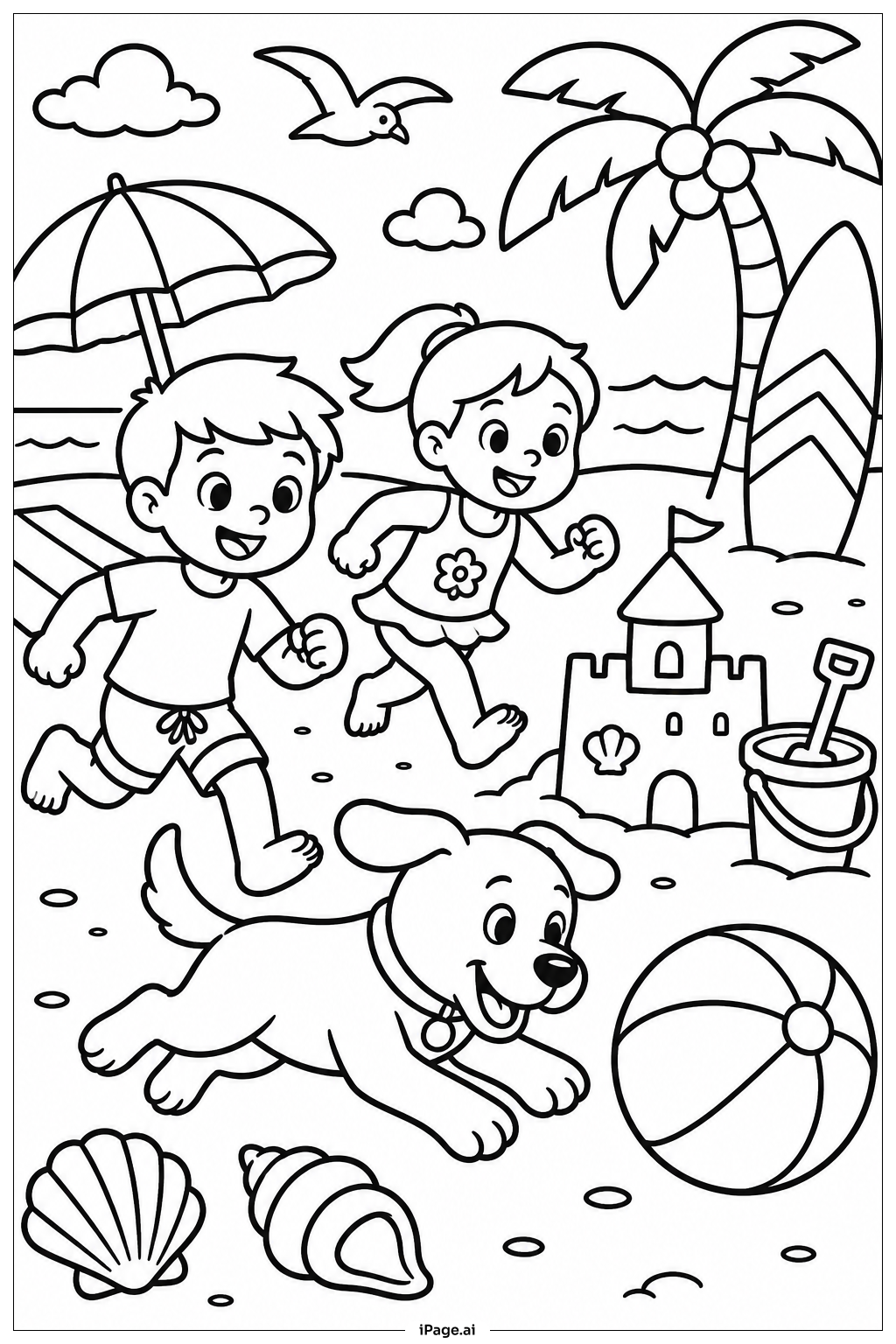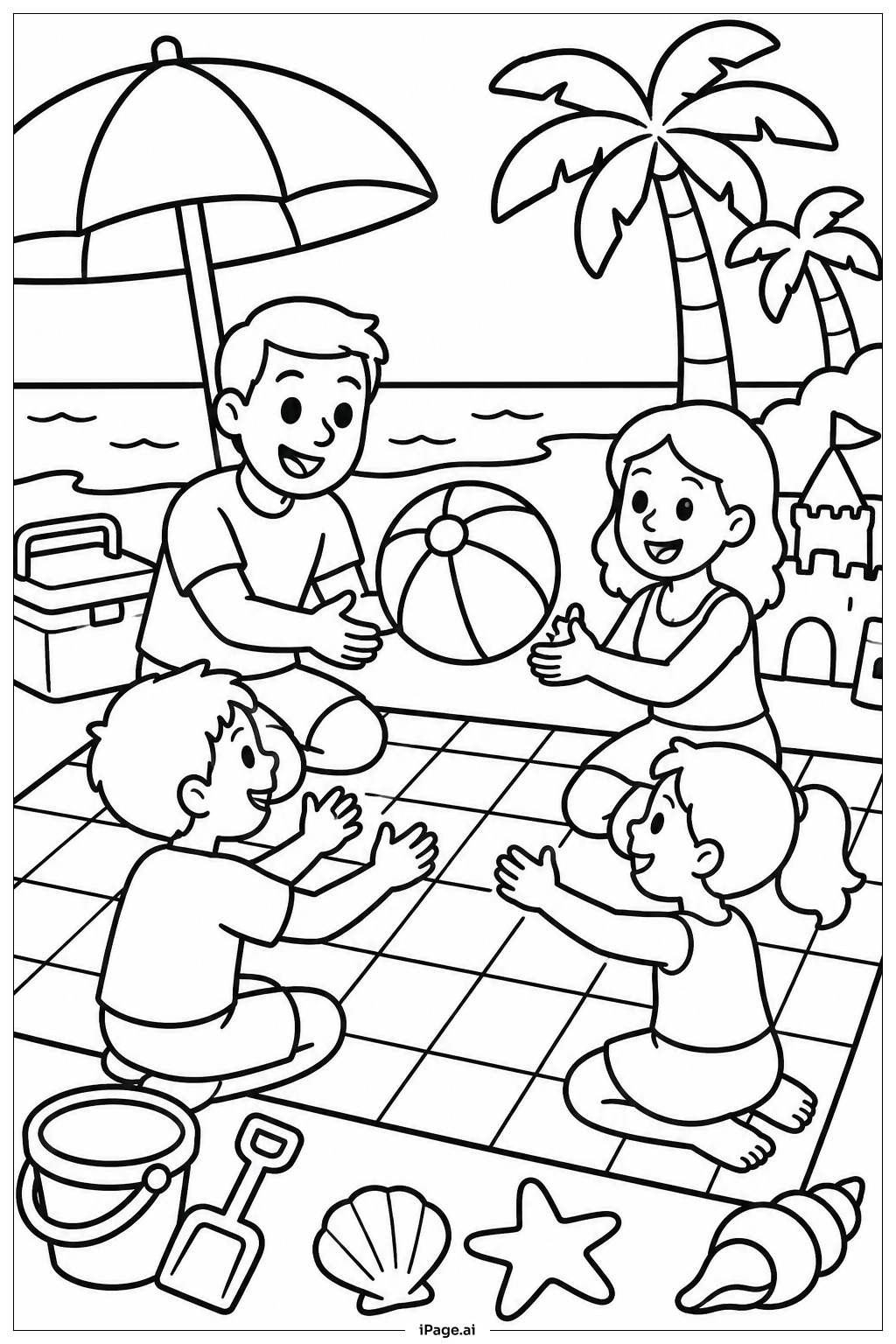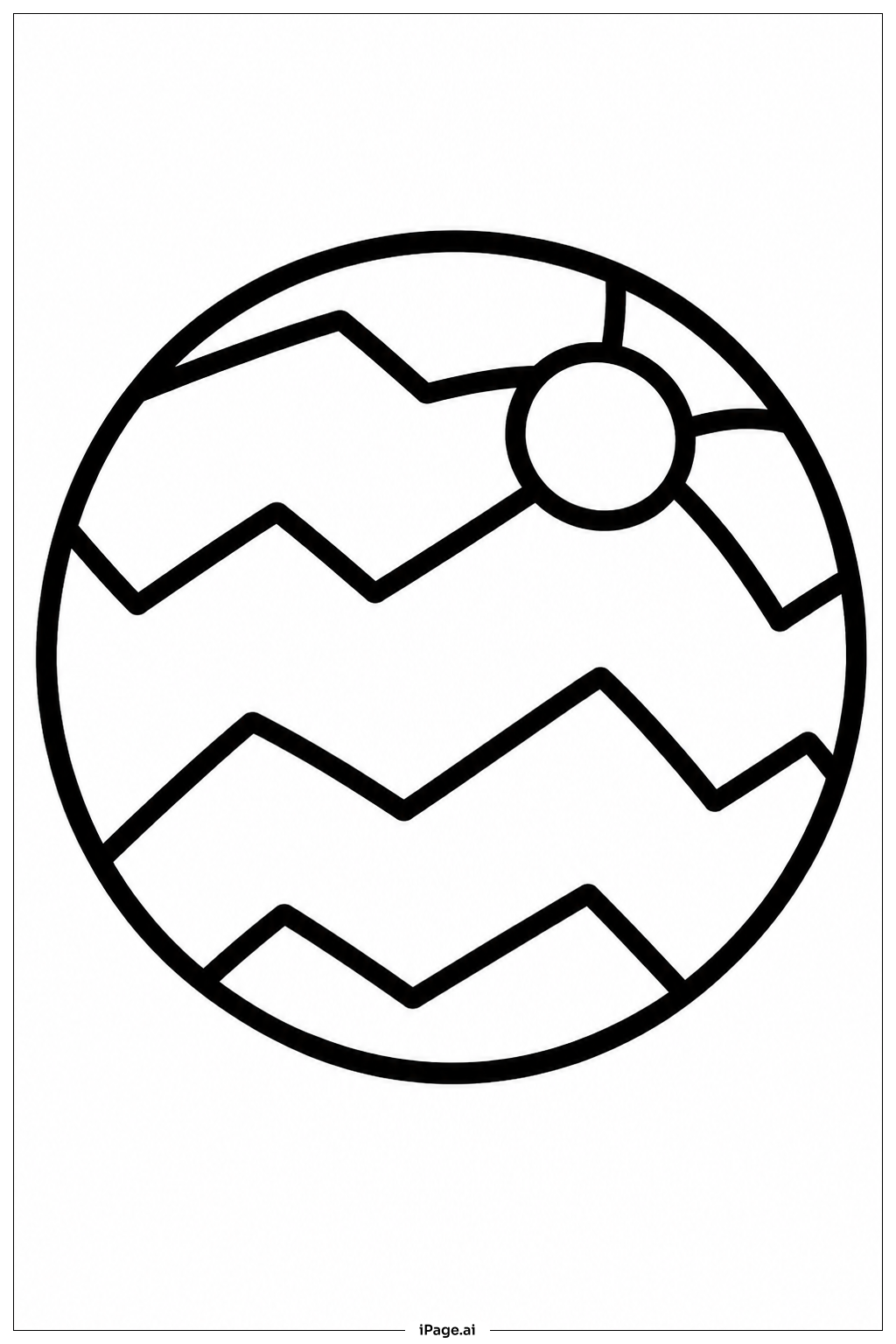
Coloring tips: How to color Zigzag Beach Ball coloring page well?
Try using bright colors to make the Zigzag Beach Ball look cheerful and lively. You could choose classic beach ball colors like red, yellow, blue, and white, or mix it up with your favorite shades. Coloring each zigzag stripe in a different color will create a fun rainbow effect. For contrast, use bold colors for the zigzag lines and softer pastel shades in the background. You can also add some shading or highlights on the ball’s edges to give it a round, shiny appearance. Feel free to experiment—there’s no wrong way to color this playful Zigzag Beach Ball!
Coloring challenges: Which parts are difficult to color and need attention for Zigzag Beach Ball coloring page?
• Maintaining clean color separation along the sharp zigzag lines can be challenging, especially for younger children. It requires careful coloring inside the lines.
• Because the zigzag pattern repeats around the round shape, keeping colors consistent or creating a balanced mix might be tricky for kids who want to use many colors.
• Adding realistic shading on a spherical object like a beach ball requires understanding how light falls, which might be difficult at first.
• Staying patient while coloring small sections without rushing helps avoid coloring outside the lines but can be tough for children with limited focus.
• Choosing color combinations that don’t clash but still look exciting can be a challenge, encouraging experimentation and color theory practice.
Benefits of coloring books: Advantages of drawing Zigzag Beach Ball coloring page
Coloring the Zigzag Beach Ball helps improve fine motor skills as children practice careful hand control along zigzag edges. It encourages creativity through color choice and pattern design, boosting imagination. Completing this image offers a sense of accomplishment and focus development. Working on spherical shading also introduces basic artistic techniques, expanding young artists’ skills. Additionally, coloring with bright, fun patterns stimulates visual recognition of colors and shapes, making it a playful learning activity suitable for kids aged 4–16.