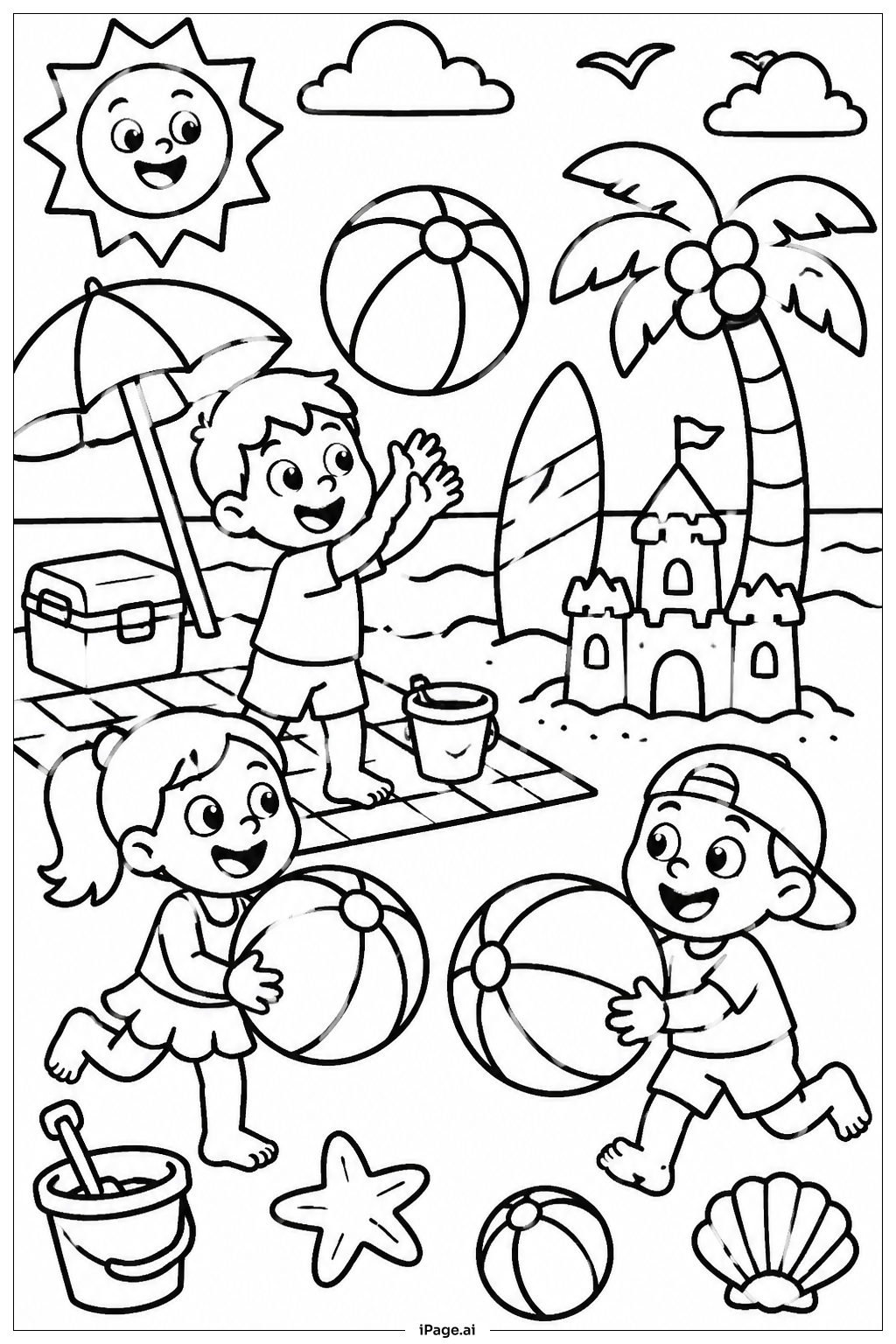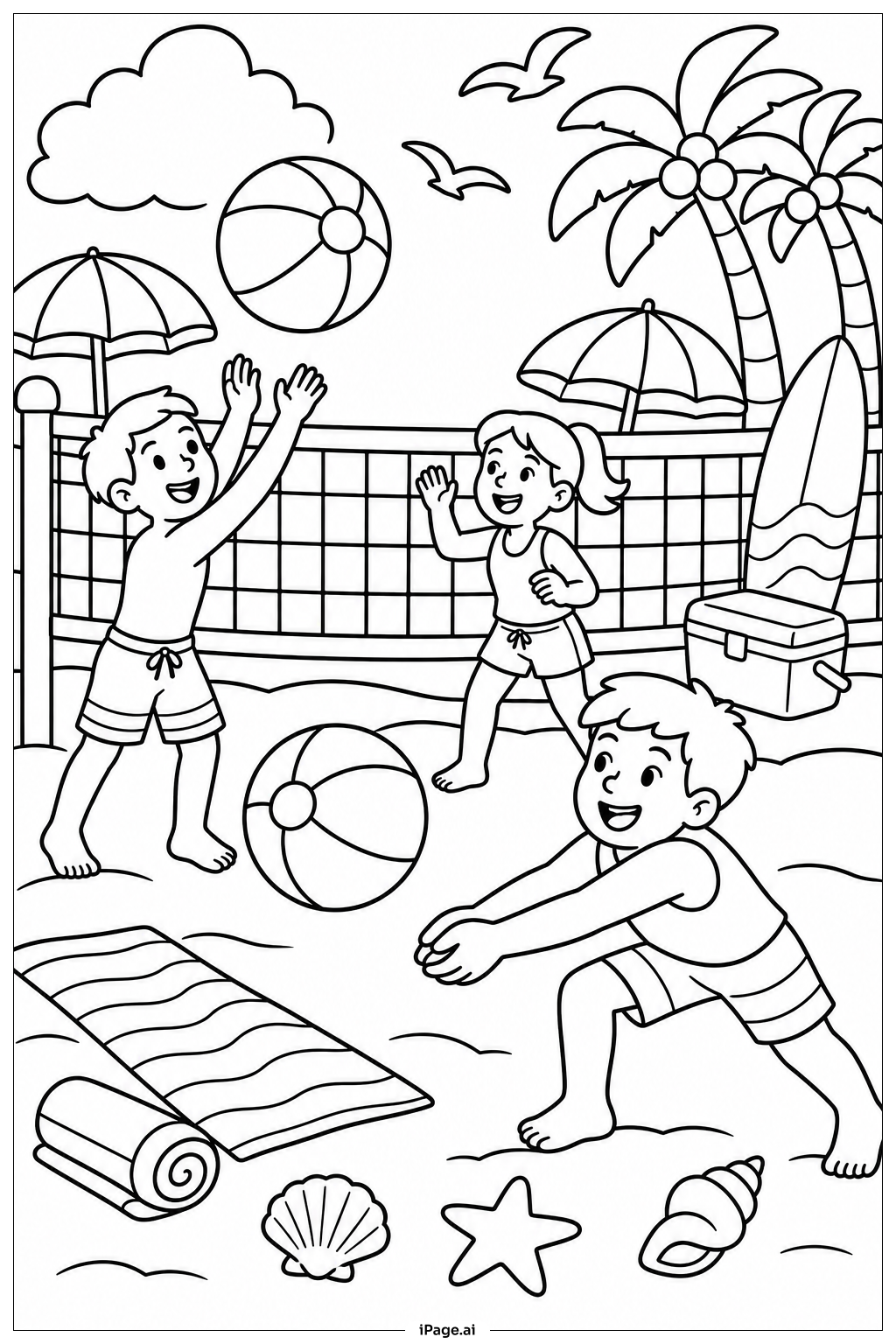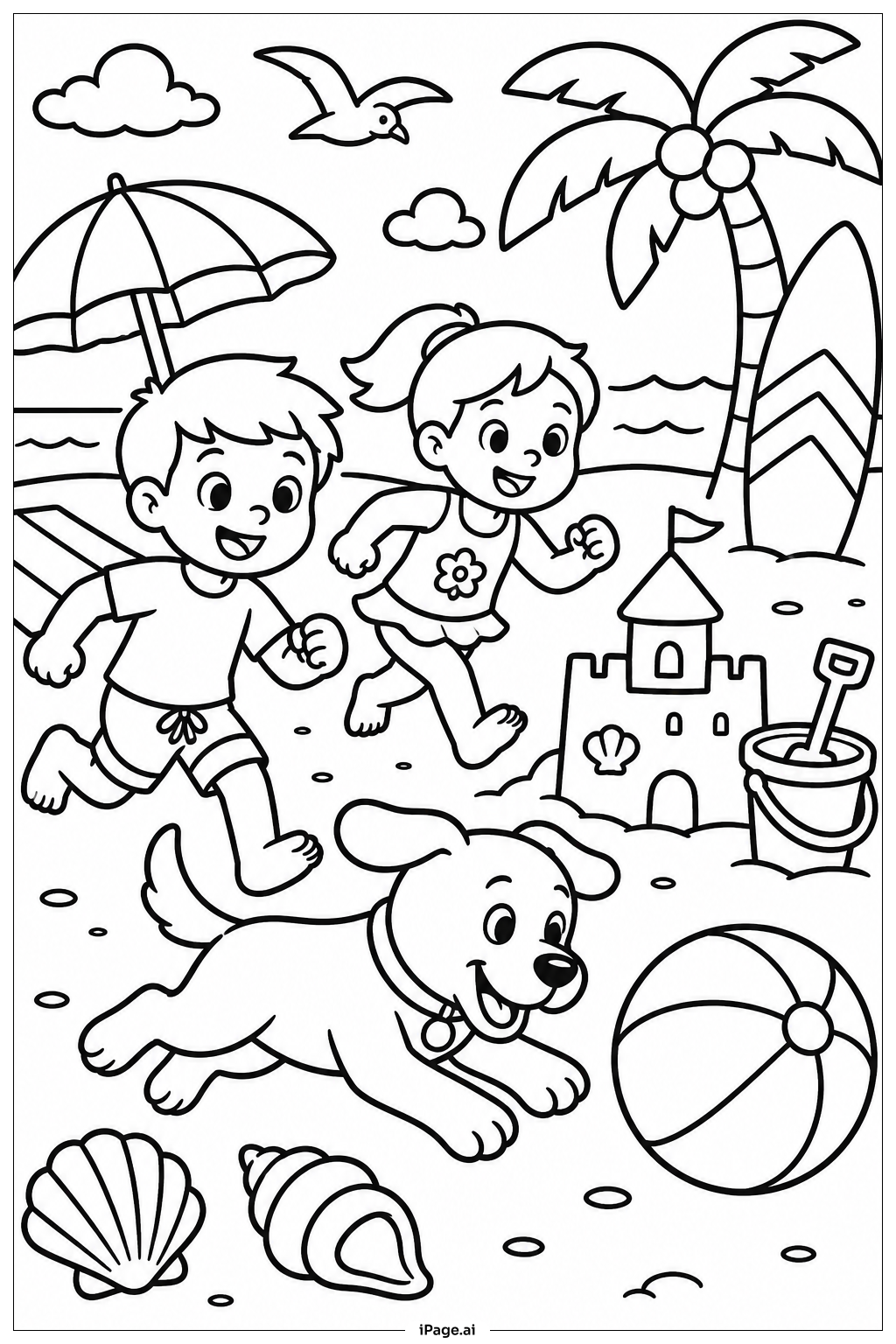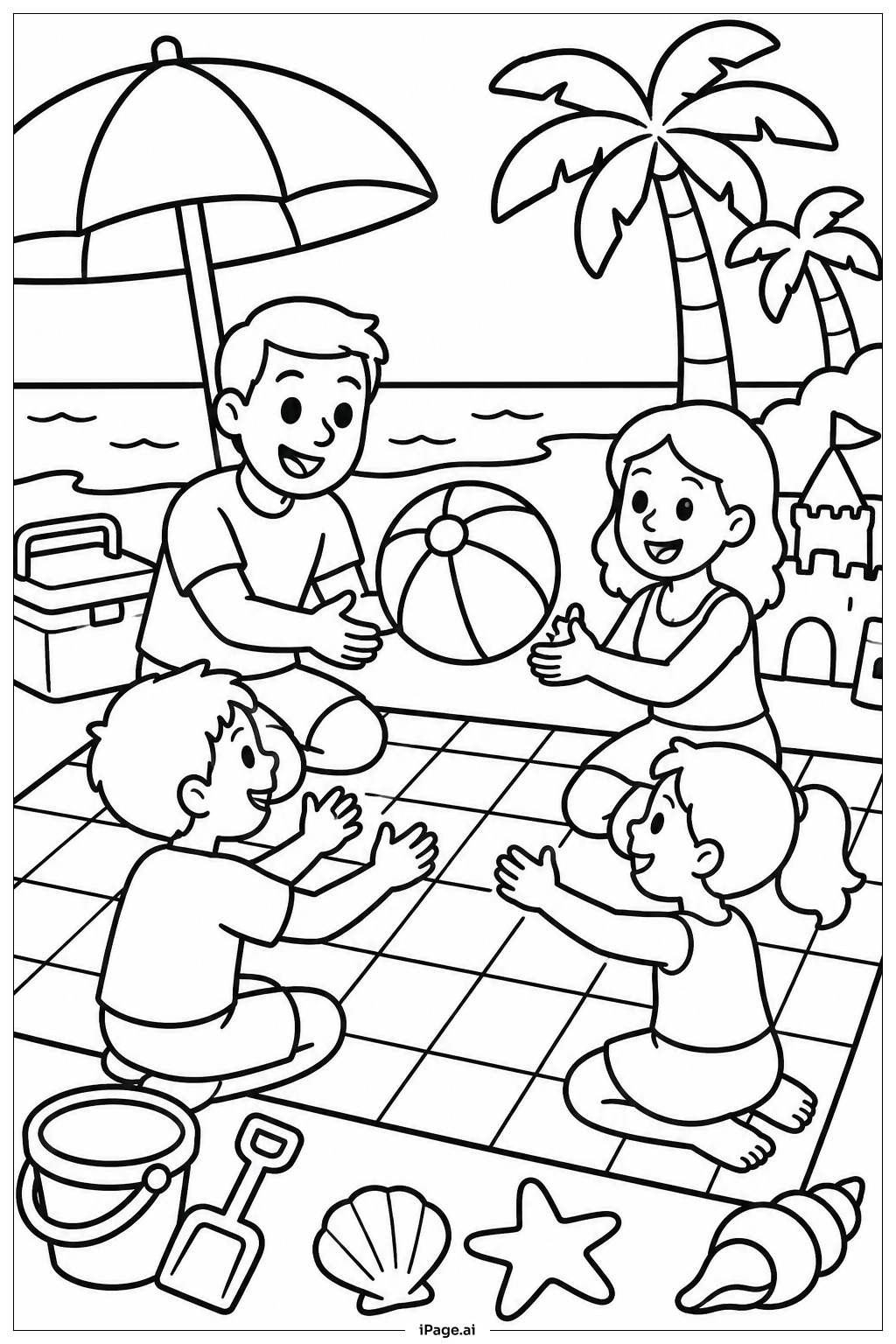
Coloring tips: How to color Smiling Beach Ball coloring page well?
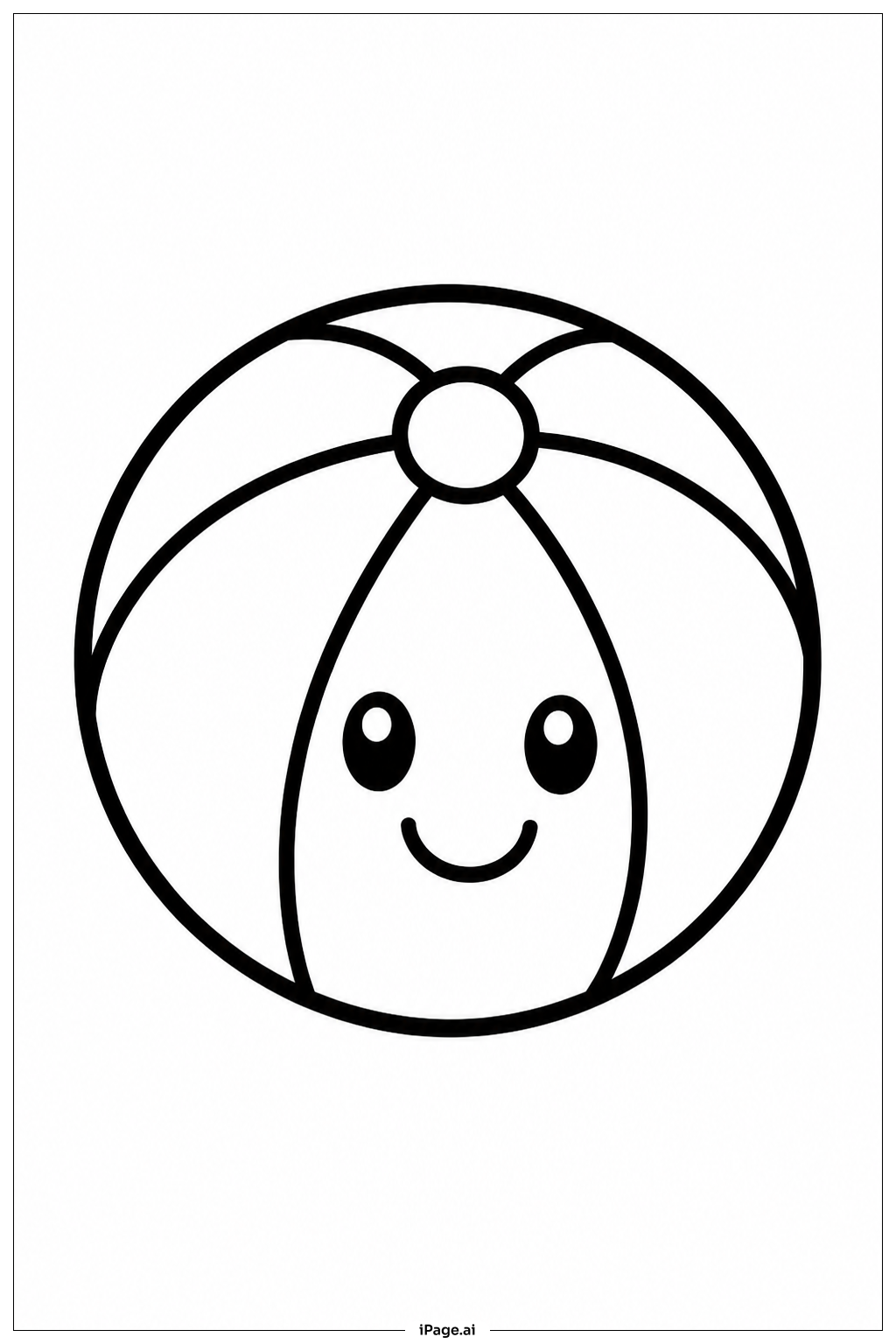
Use bright and bold colors to make the Smiling Beach Ball really stand out. Traditional beach balls often have red, yellow, blue, and green sections, so you could follow that pattern or create your own mix of lively colors. To highlight the cheerful face, consider using a warm yellow or orange for the ball’s background and use black or dark brown for the eyes and mouth to make the smile pop. Adding some shading around the edges can give the ball a more rounded look and a sense of dimension. Feel free to use light colors for the eyes’ sparkle to make them lively and friendly.
Coloring challenges: Which parts are difficult to color and need attention for Smiling Beach Ball coloring page?
- The ball’s curved sections require careful coloring along rounded lines to keep the shape neat and balanced.
- Coloring the smiling face accurately with clean lines around the mouth and eyes can be tricky for younger children.
- Deciding how to shade the ball to give it a 3D look might be challenging, especially where the color sections meet.
- Choosing color combinations that are bright but not clashing can take some experimentation.
- Filling in large areas evenly, especially if using crayons or markers, could be difficult without streaks or gaps.
Benefits of coloring books: Advantages of drawing Smiling Beach Ball coloring page
Coloring the Smiling Beach Ball helps children practice precision and control as they stay within curved boundaries. It encourages creativity through choosing color combinations and experimenting with shading to create a 3D effect. Engaging with an image that has friendly facial features also promotes emotional recognition and expression. The project can boost fine motor skills by requiring steady coloring in smaller face details. Overall, it is a joyful and motivating activity that combines fun with skill-building for children of all ages.