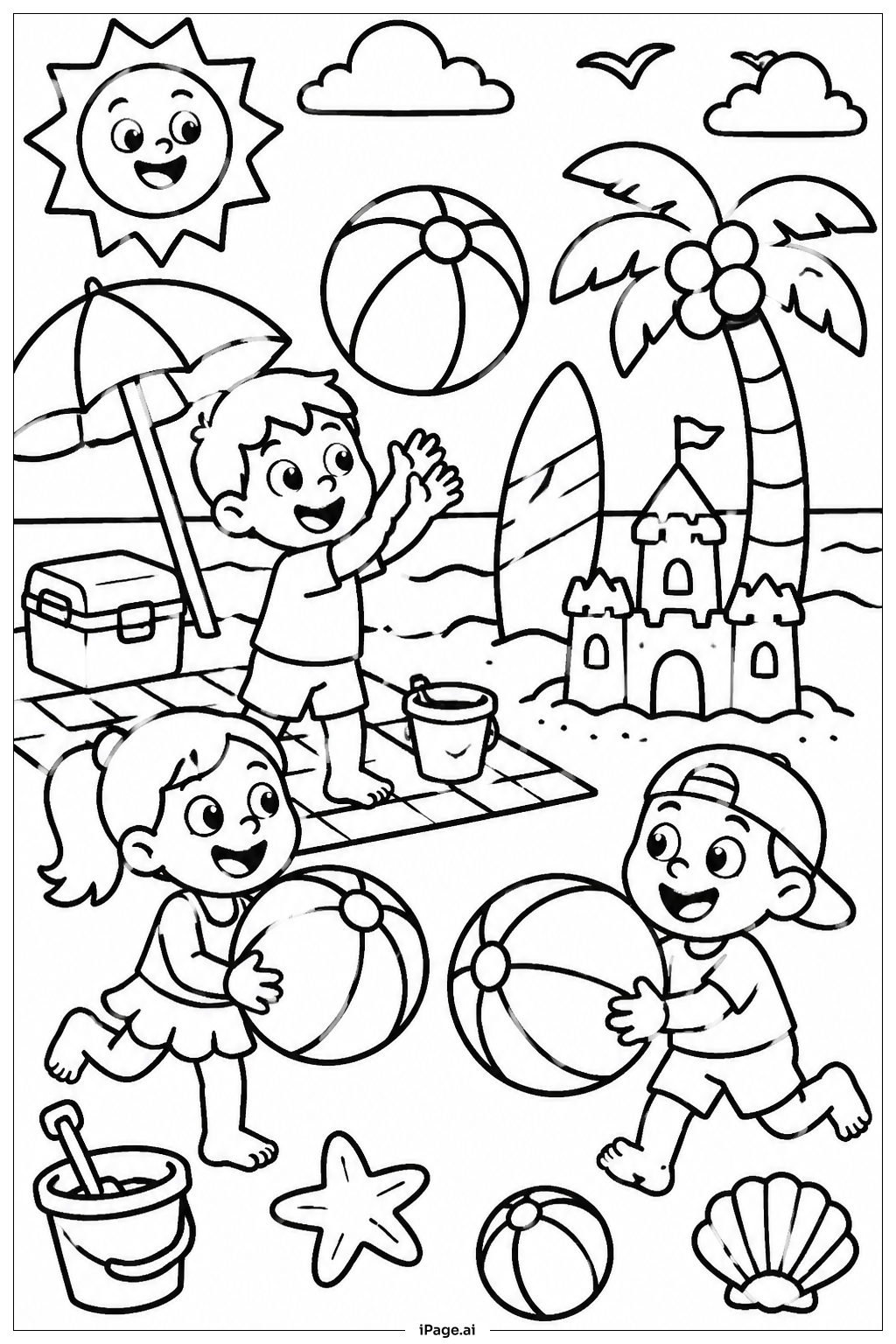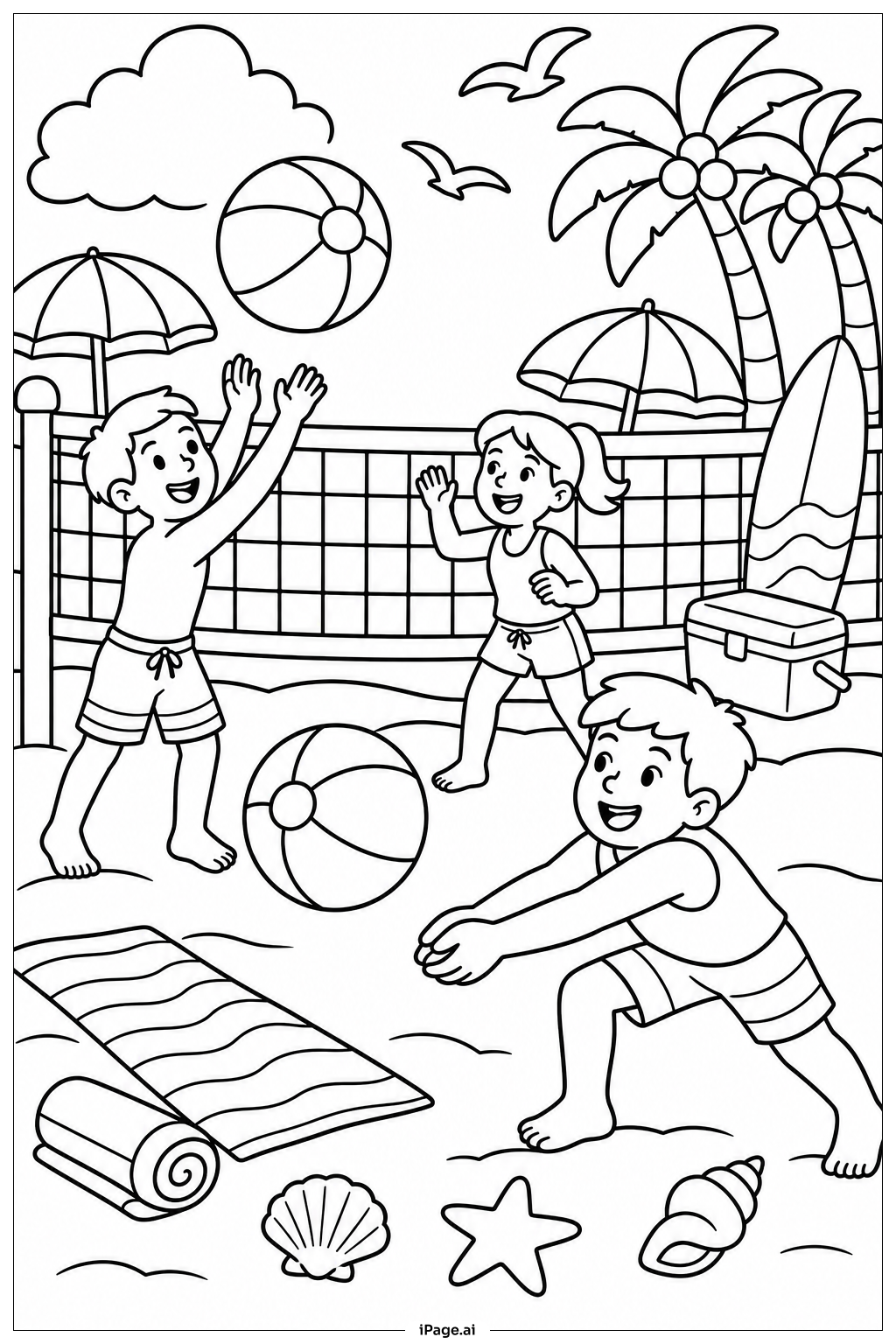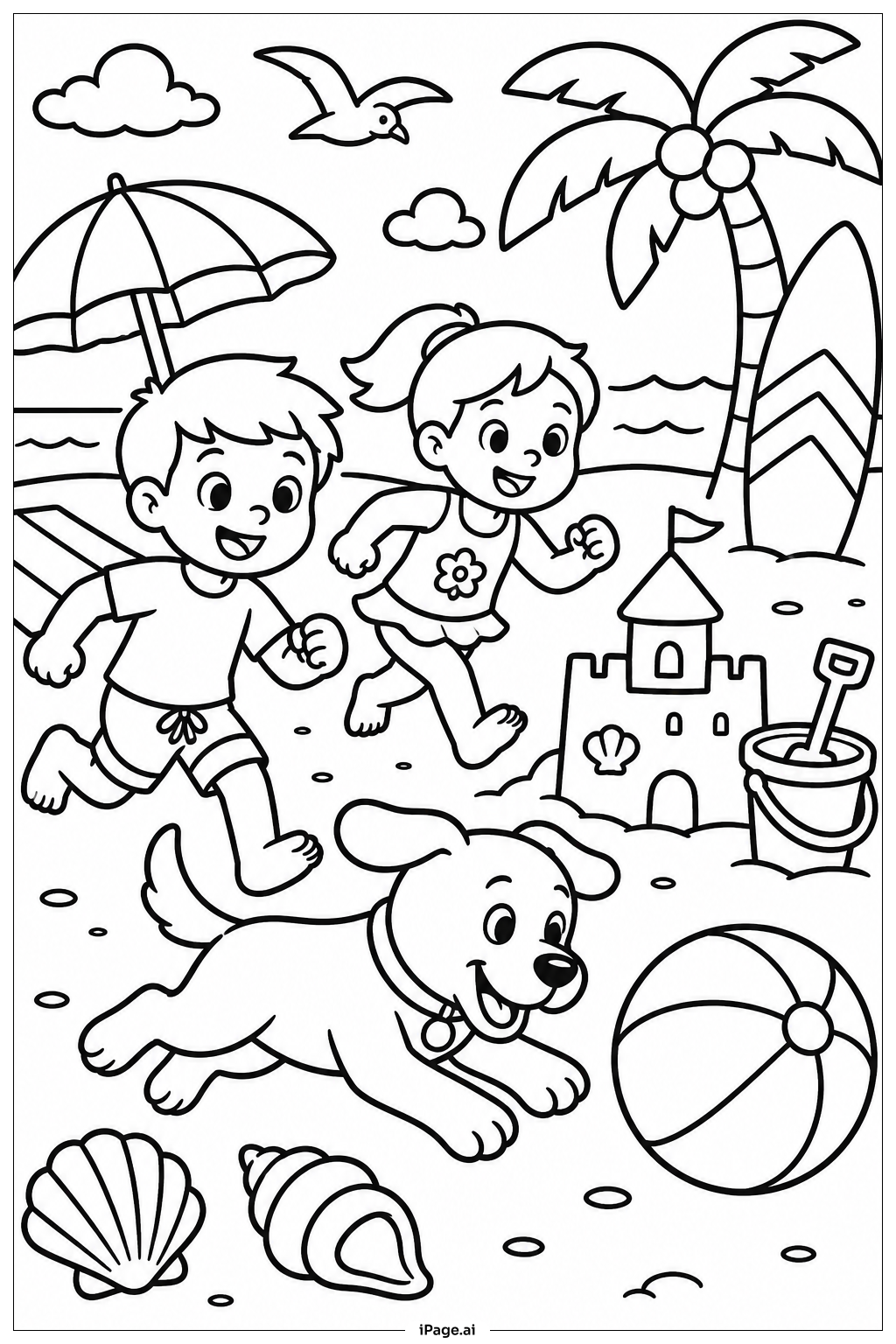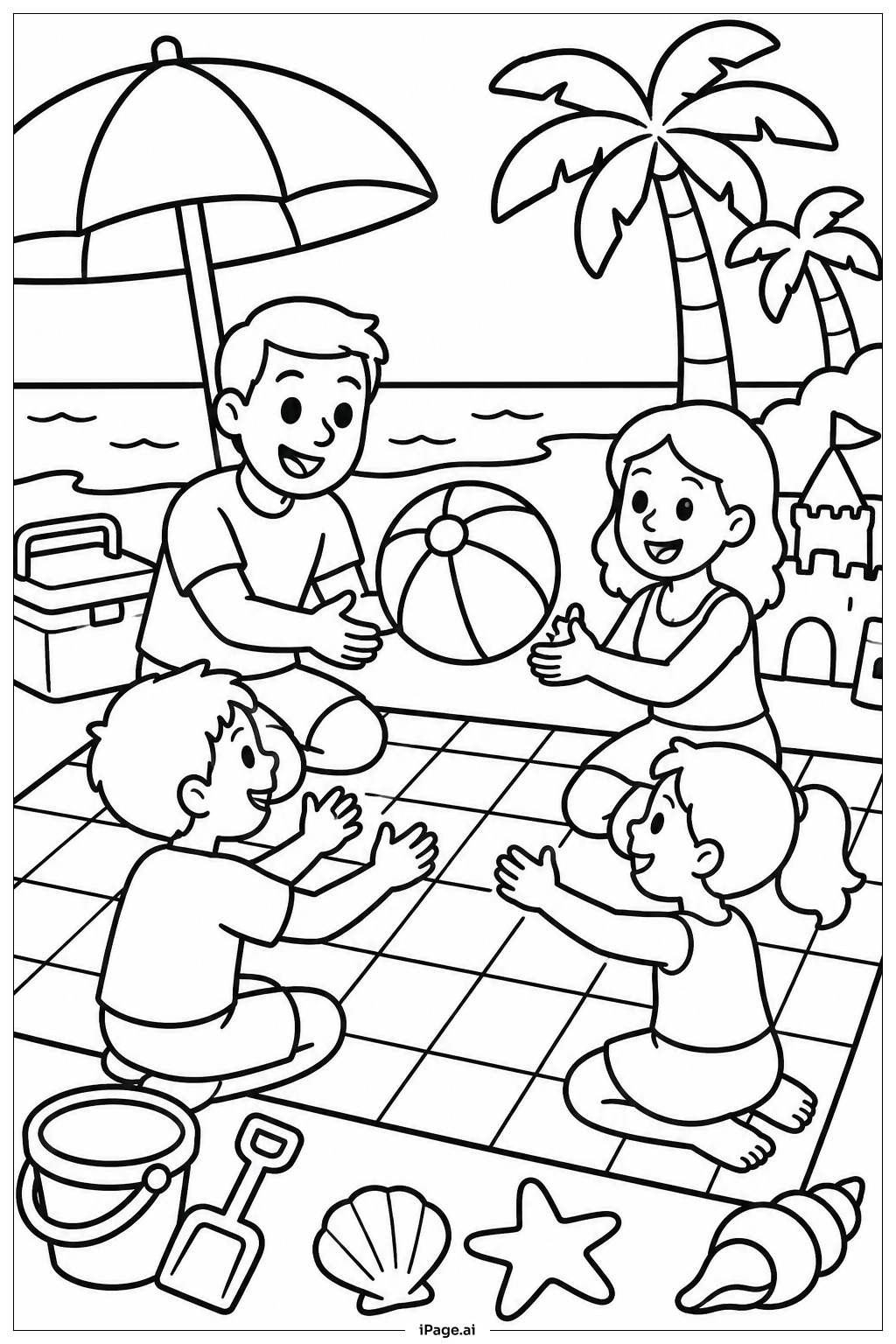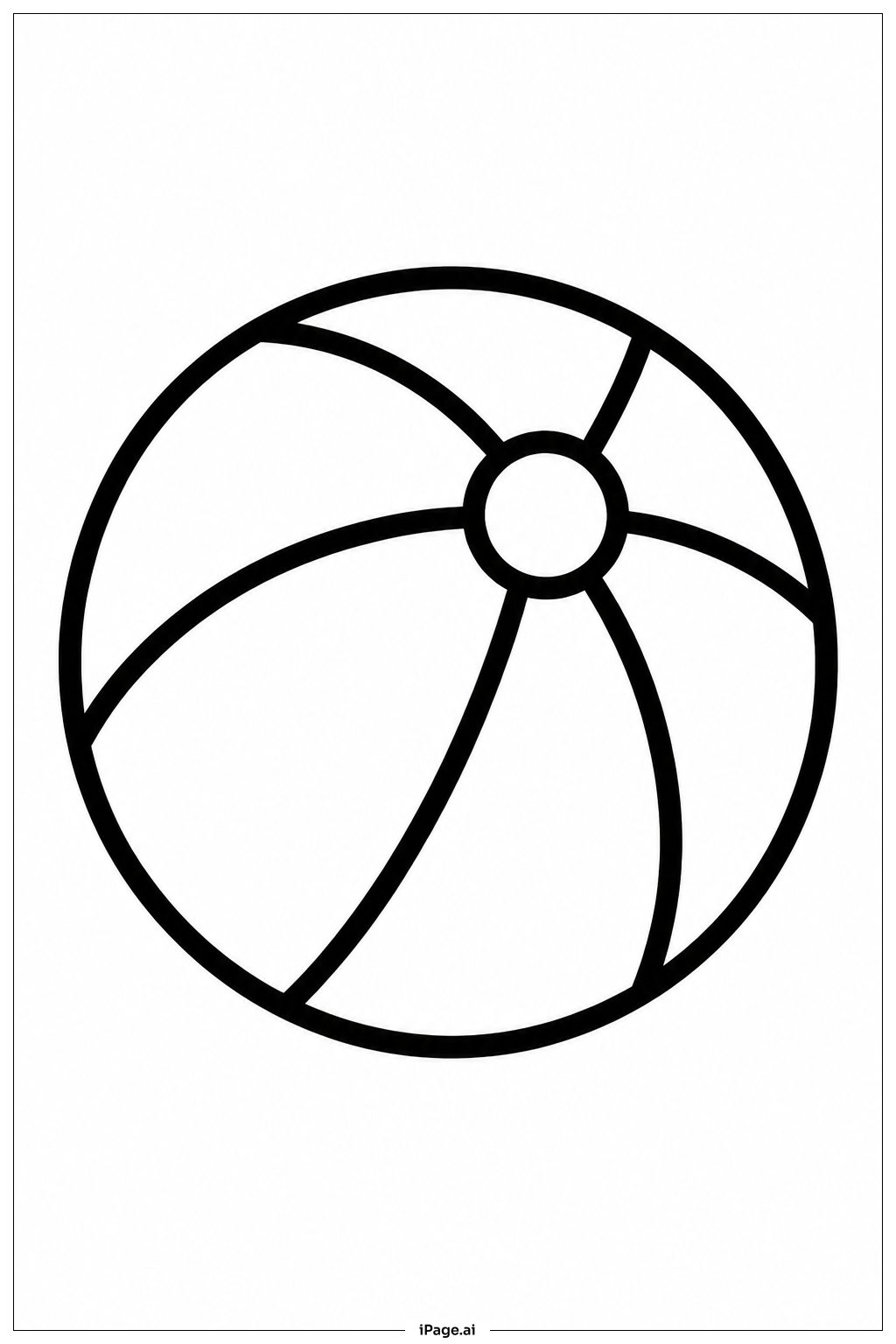
Coloring tips: How to color Panelled Beach Ball coloring page well?
Start by picking a set of bright, fun colors — think red, yellow, blue, green, orange, and white. These classic beach ball colors will make your image look lively and summery. Color each panel a different shade, alternating colors so no two panels of the same color sit next to each other. This gives the ball a balanced, eye-catching look. Use a light touch first and then build up the color for a richer finish. Colored pencils work great for smooth, even coverage on the curved panels. Markers can make the colors pop and look bold. Crayons are a fun choice too, especially for younger colorists. Feel free to try your own color combinations — pastels for a soft beach vibe, or neon shades for a bold, energetic feel. There are no wrong choices here. Just have fun and make it your own!
Coloring challenges: Which parts are difficult to color and need attention for Panelled Beach Ball coloring page?
• Panel Boundary Accuracy: Each panel on the beach ball is separated by curved lines that follow the shape of the sphere. Staying precisely within these curved boundaries can be tricky, especially for younger colorists. A fine-tipped tool works best for tracing along the edges before filling in the center of each panel.
• Consistent Color Coverage: Filling each panel with smooth, even color without streaks or patches takes patience and a steady hand. Going in one direction with your strokes — following the curve of the panel — helps achieve a cleaner, more polished result.
• Color Alternation Planning: To make the ball look visually balanced, you need to plan your color arrangement before you start. If you pick colors randomly, you might end up with two panels of the same color sitting side by side, which can make the design look less dynamic. Count the panels first and map out your color pattern.
• Creating a Sense of Roundness: A beach ball is three-dimensional, but the page is flat. Adding slight shading or pressing lighter on one side of each panel can suggest light hitting the ball and make it look rounder and more realistic. This technique takes a bit of practice.
• The Polar Meeting Point: At the very top of the ball, all the panels converge into a small circular area. This tiny zone is easy to miss but important for a finished look. Use a fine tip or a sharp pencil point to color it neatly without bleeding into the surrounding panels.
Benefits of coloring books: Advantages of drawing Panelled Beach Ball coloring page
Coloring this Panelled Beach Ball page offers a wide range of benefits for kids and beginners alike. Working within the curved panel lines builds fine motor skills and hand-eye coordination. It takes focus and a steady hand, which naturally trains concentration without feeling like work.
Planning which colors go in which panels encourages early logical thinking and pattern recognition. Kids learn to think ahead — deciding how to alternate colors so the ball looks balanced and fun. This is a gentle introduction to sequencing and visual problem-solving.
The bright, playful nature of a beach ball makes this a joyful coloring experience. It sparks creativity as colorists choose their own combinations, turning a simple outline into something personal and expressive. There is real satisfaction in seeing a finished, colorful ball that feels alive on the page.
For older colorists, experimenting with shading techniques to suggest the ball's rounded form adds an extra creative challenge. It builds foundational art skills like understanding light, shadow, and volume.
Above all, this image is calming and rewarding. The clean lines and familiar shape make it approachable for all skill levels, offering a relaxing activity that builds confidence and leaves colorists feeling proud of what they created.