Coloring tips: How to color Classic Beach Ball coloring page well?
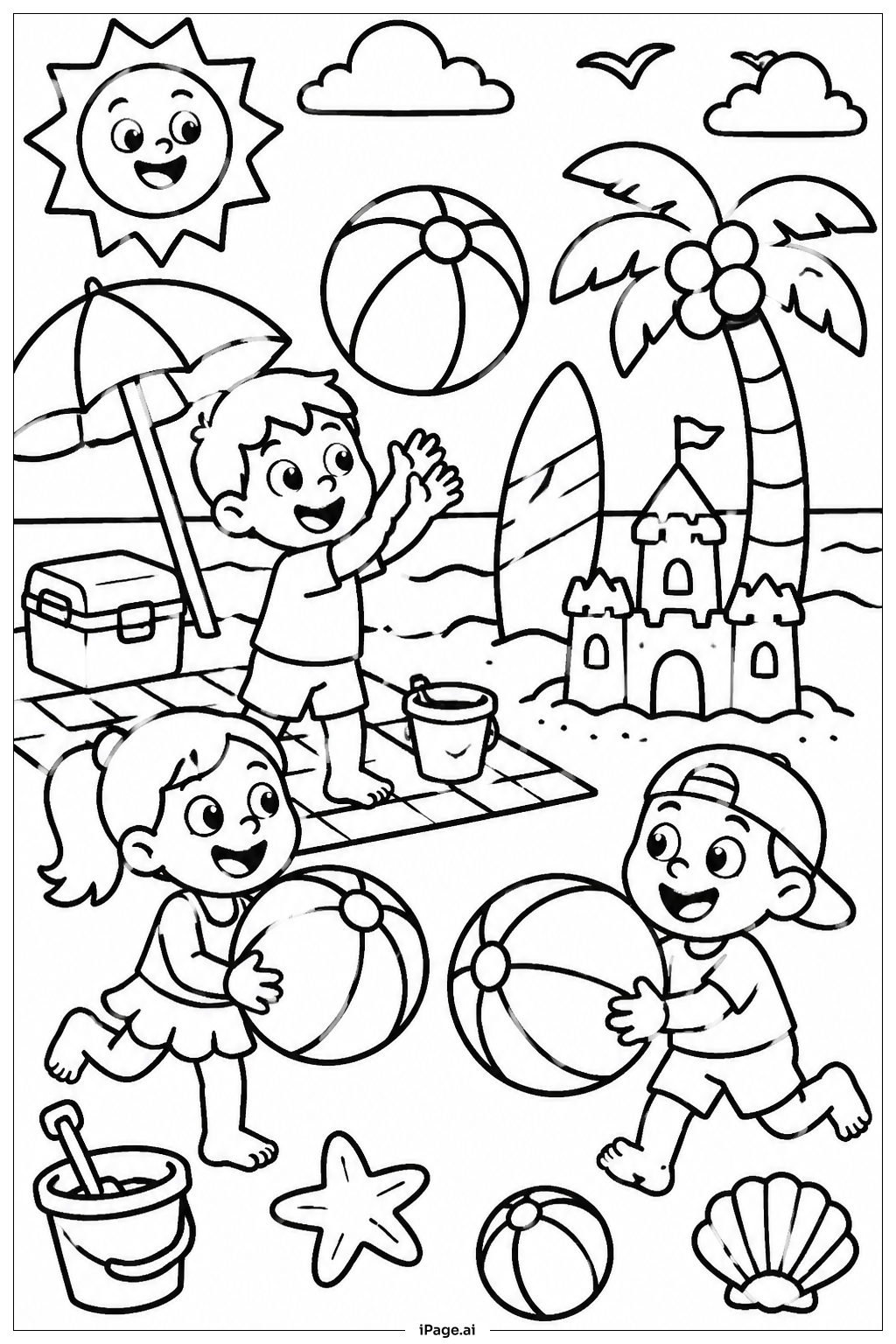
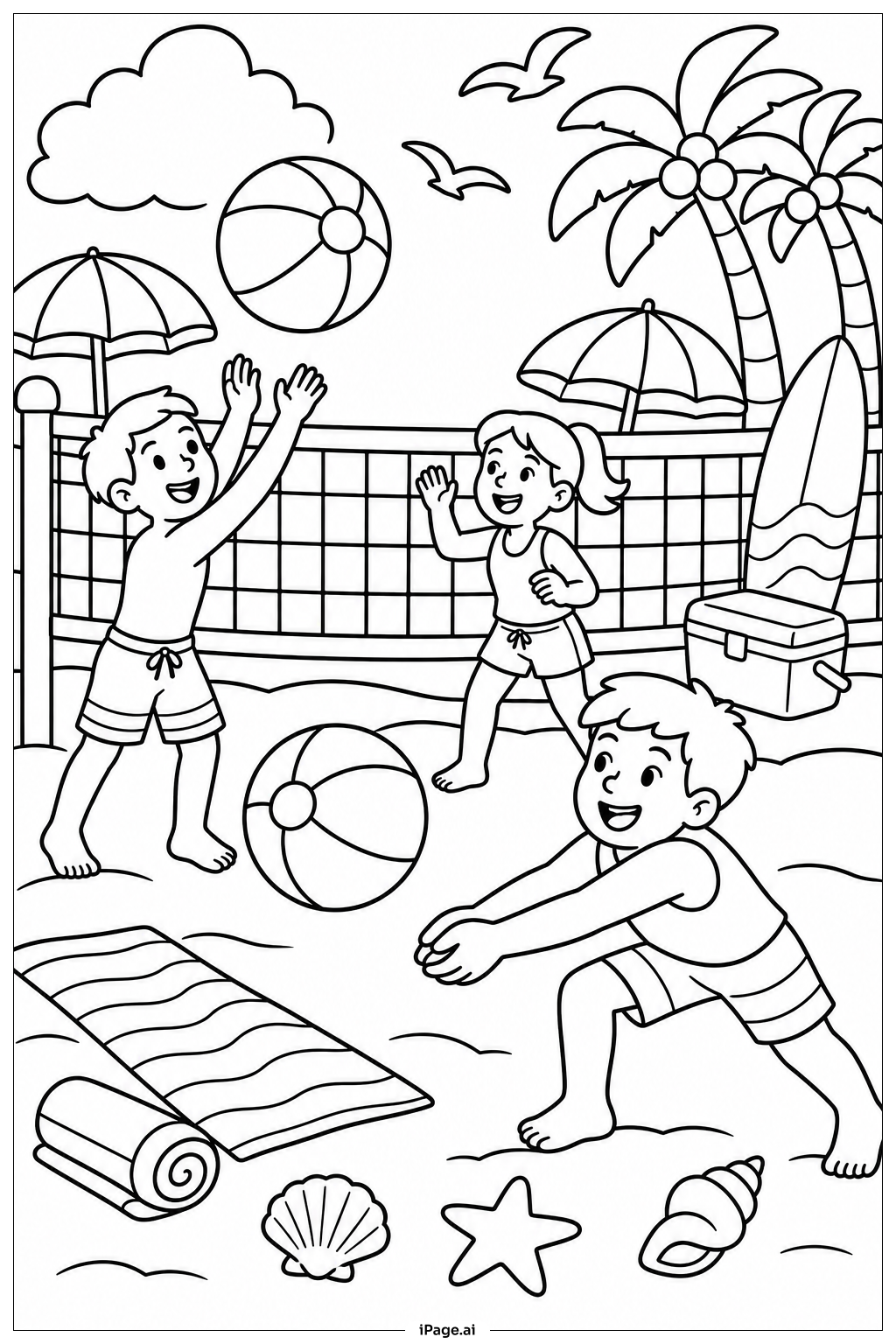
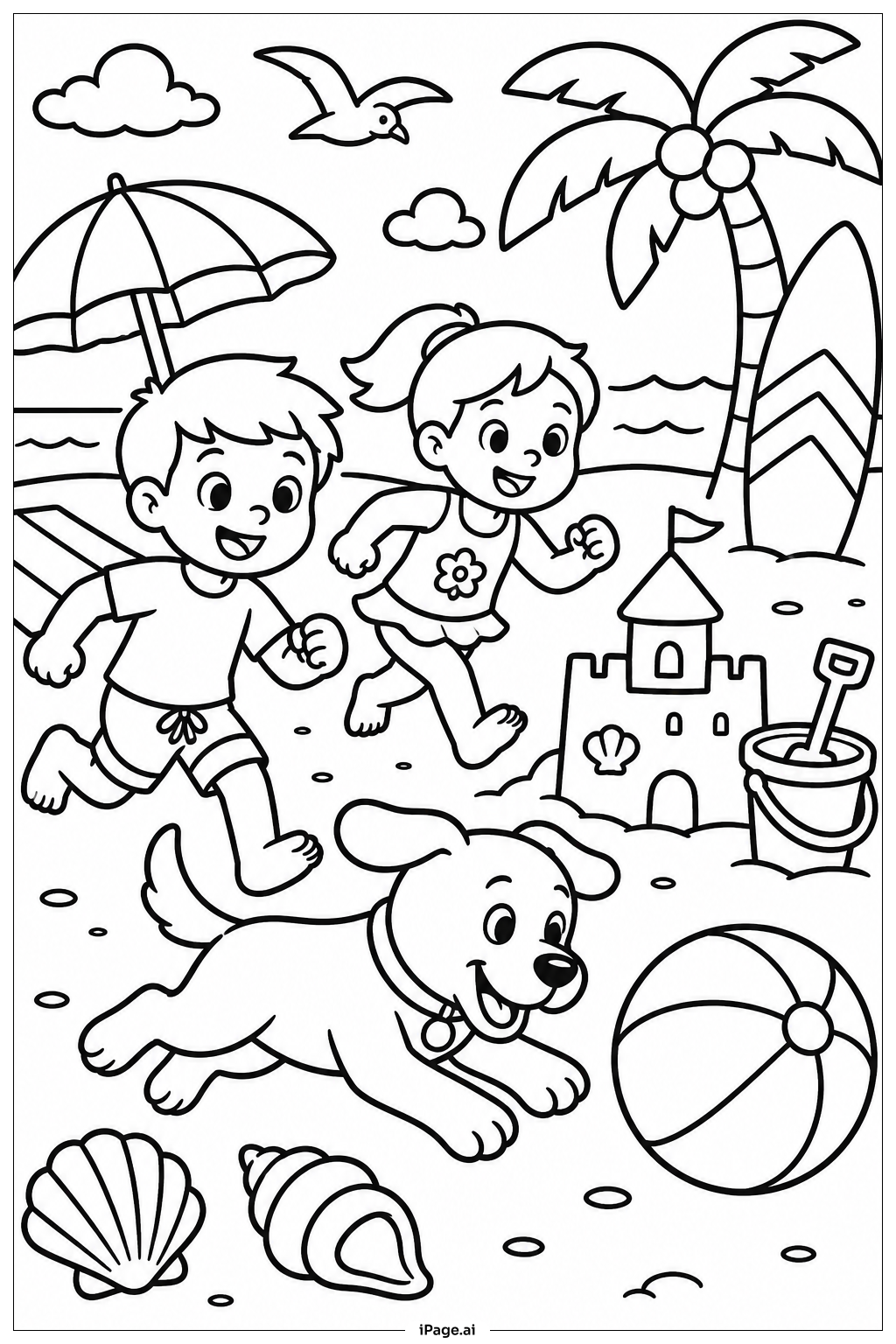
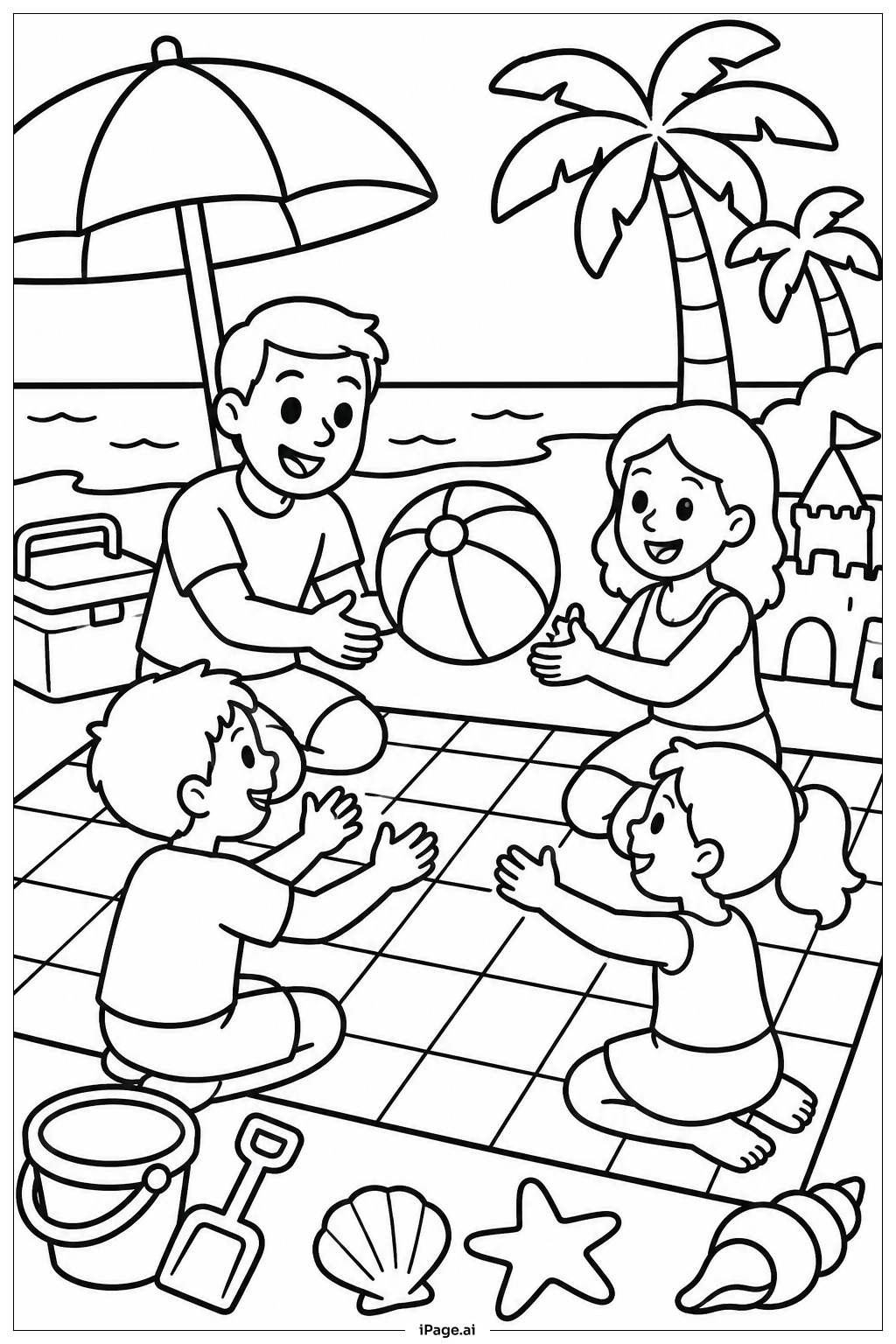
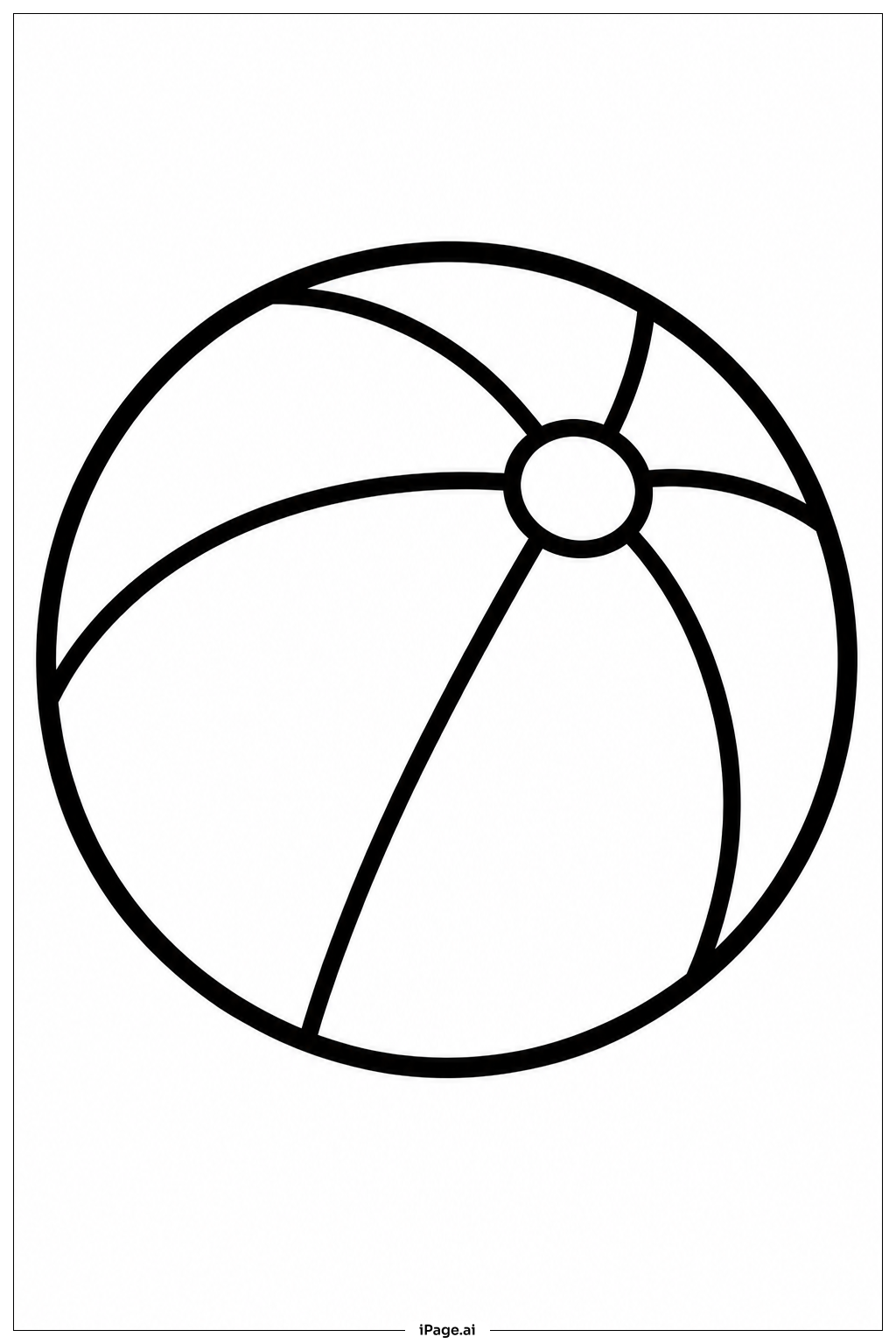
You can color each panel of the Classic Beach Ball with bright, cheerful colors like red, yellow, blue, green, and orange. Try alternating colors for a fun and classic look. Use lighter shades near the valve area to show light reflection and give the ball a shiny effect. For a creative twist, experiment with gradient colors or even patterns like stripes or dots within each panel. Coloring the small valve white or light gray will make it stand out. Remember to stay inside the lines for a neat appearance and enjoy mixing your favorite colors to make the ball look lively and bright!
Coloring challenges: Which parts are difficult to color and need attention for Classic Beach Ball coloring page?
• Staying within the curved lines of the ball’s panels can be tricky, especially since each section is rounded and meets smoothly at the top. This requires careful, steady coloring.
• Achieving a shiny, three-dimensional look means paying attention to light and shadow, which can be challenging for beginners.
• Alternating colors cleanly without colors bleeding into each other takes patience and some practice.
• Coloring the small valve at the top without overcoloring surrounding areas needs careful hand control.
• Maintaining consistent color tones across larger panels while keeping the image vibrant requires some attention to detail.
These challenges help improve fine motor skills and teach color planning and spatial awareness.
Benefits of coloring books: Advantages of drawing Classic Beach Ball coloring page
Coloring the Classic Beach Ball helps kids develop hand-eye coordination and fine motor control by practicing precise coloring within curved shapes. It encourages creativity by choosing and combining bright colors, allowing personal expression. The image also introduces basic concepts of light and shadow, teaching how highlights can make an object look round and shiny. Completing this coloring boosts confidence and focus, as children learn to concentrate on staying within lines and thoughtfully apply color. Overall, it’s a fun and educational activity that blends artistic skill with visual understanding, perfect for children aged 4 to 16.