Coloring tips: How to color Beach Ball By Beach Chair coloring page well?
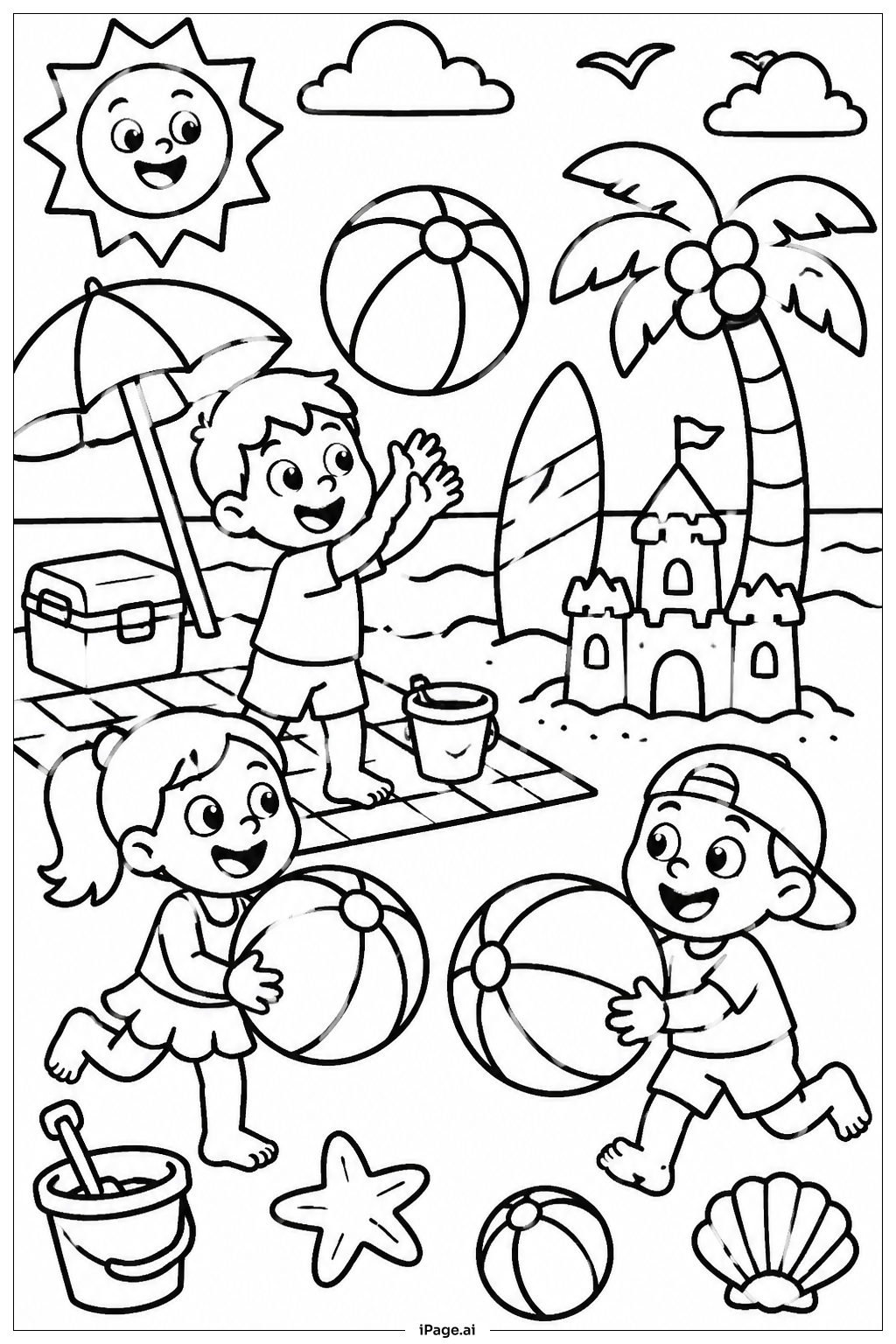
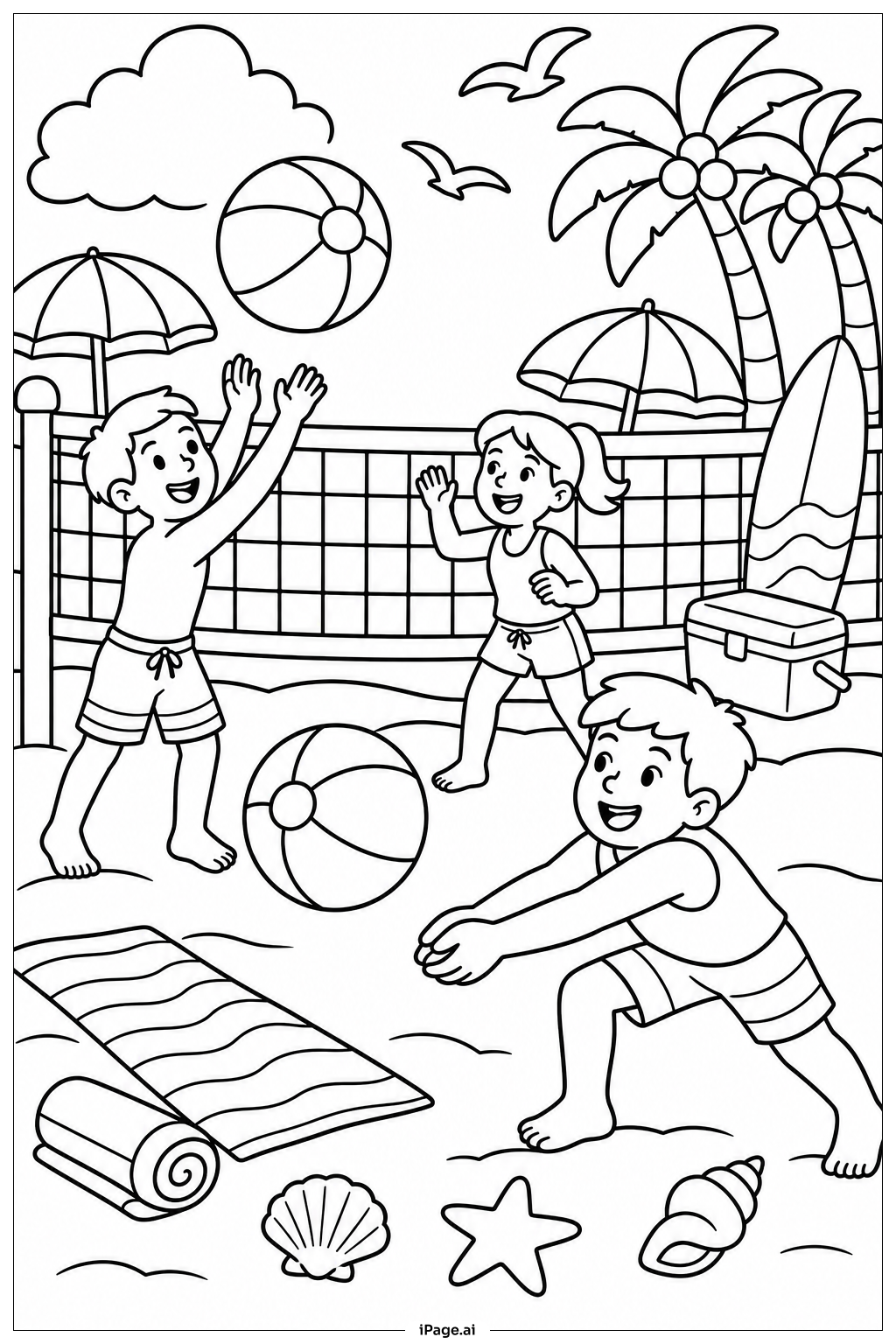
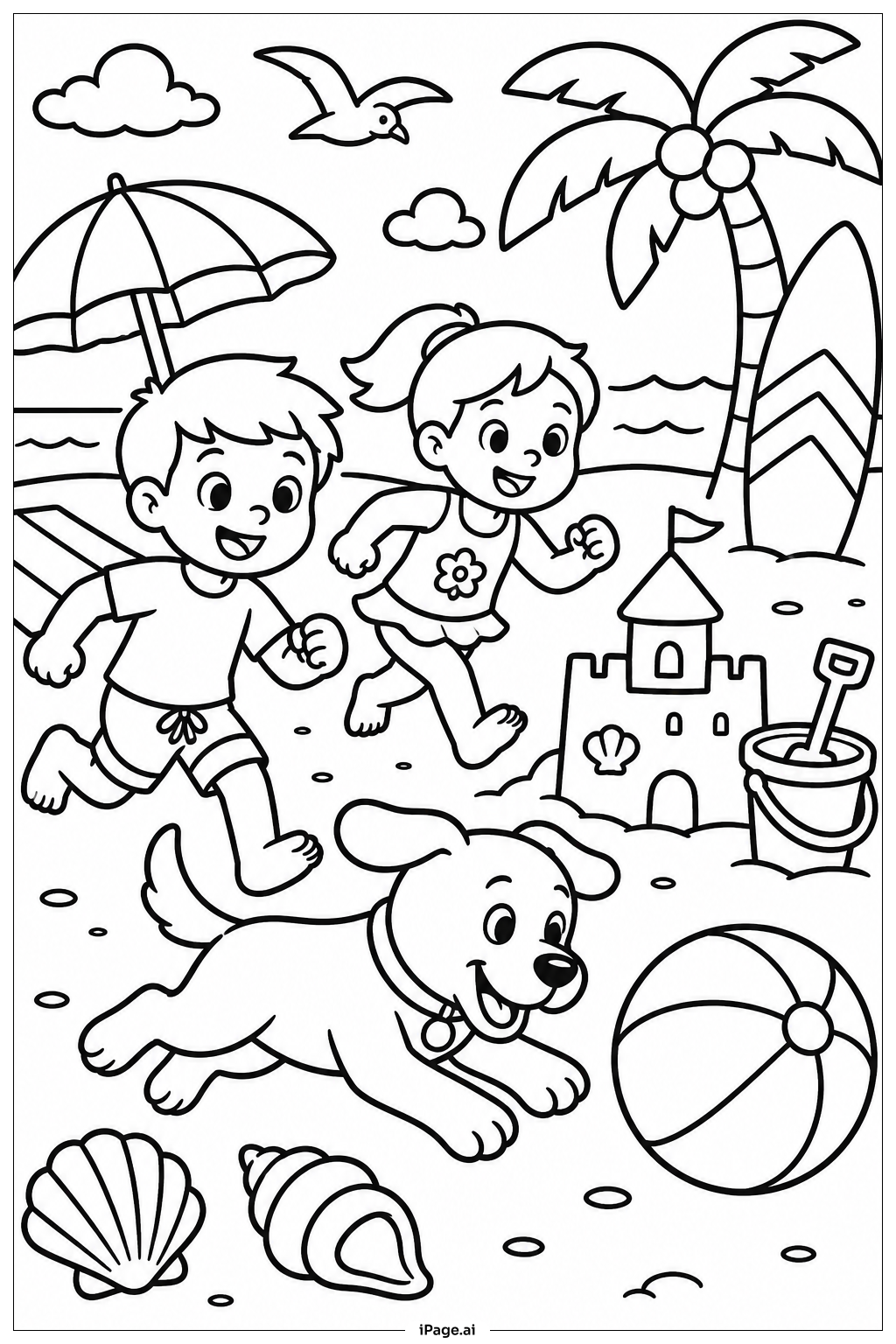
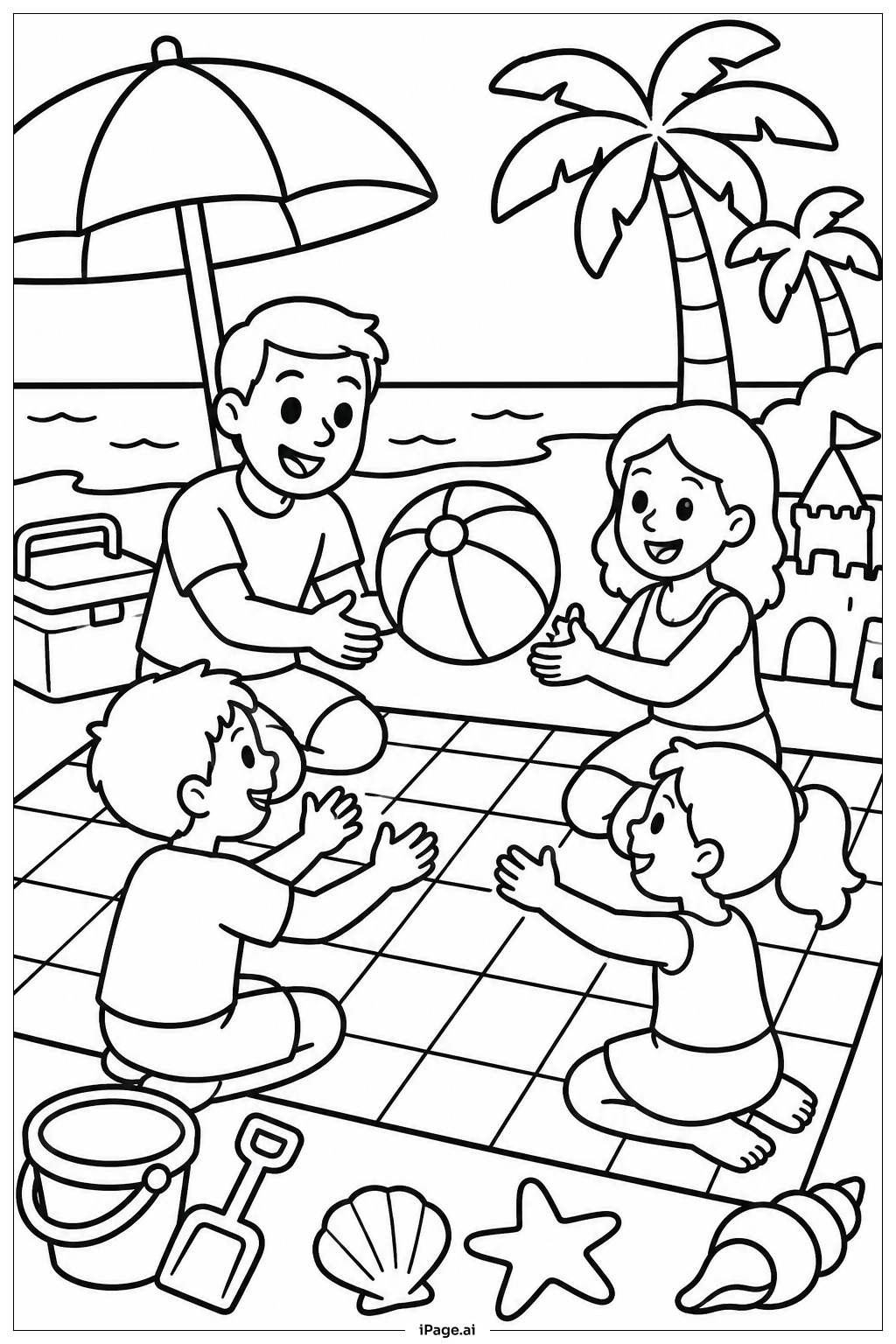
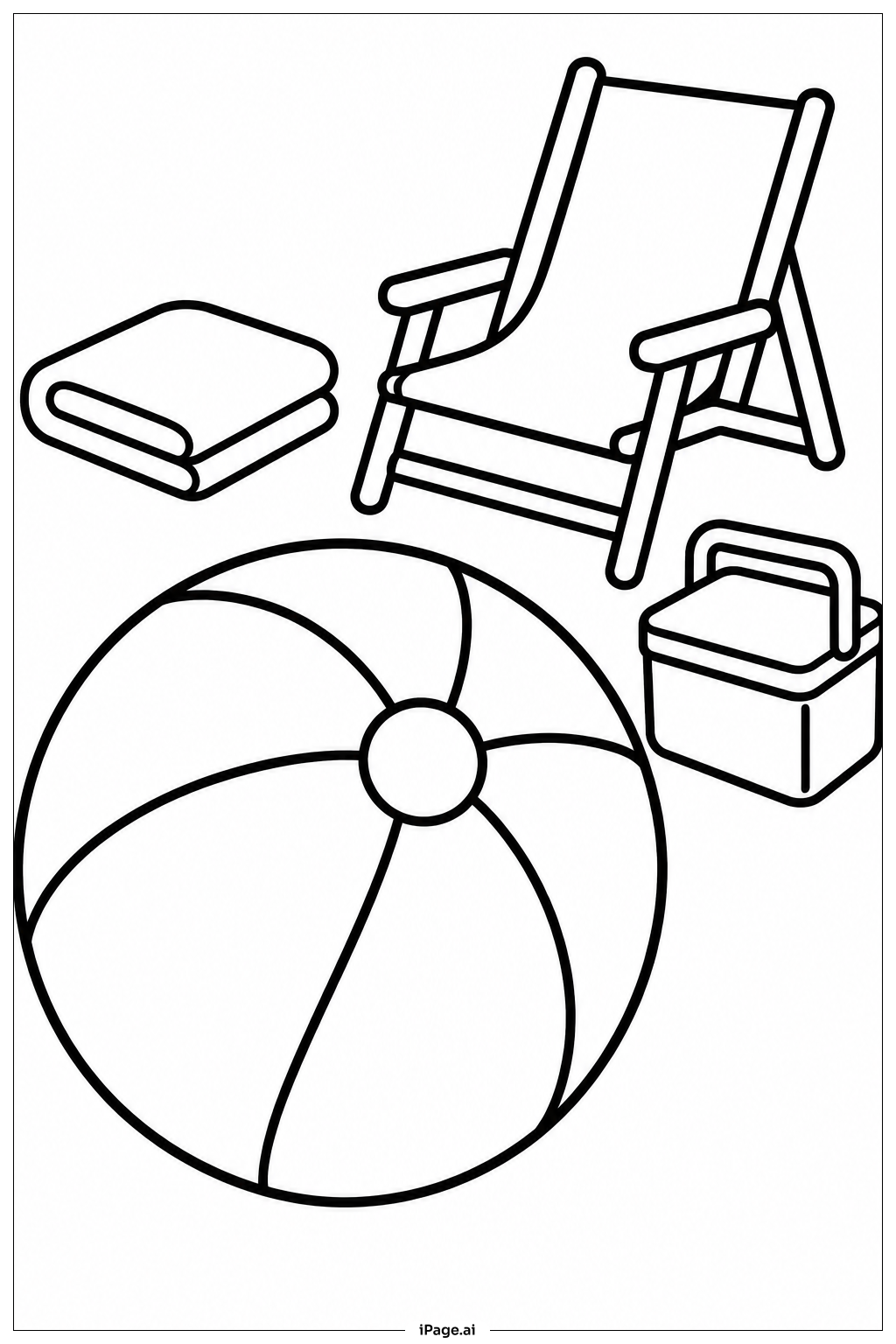
For this image, bright and cheerful colors will make the scene pop. Use bold reds, blues, yellows, and greens on the Beach Ball to give it a lively, playful look. You can alternate colors panel by panel to create contrast. For the Beach Chair, softer tones like light browns, tans, or pastel colors work well to suggest the natural sandy setting and comfort. Consider using a light blue or turquoise shade to hint at the nearby ocean or sky if you choose to color the background. Use shading with a darker tone to add depth to the chair fabric and the ball’s curved panels. Feel free to add sunny highlights to portray a warm beach day.
Coloring challenges: Which parts are difficult to color and need attention for Beach Ball By Beach Chair coloring page?
• The segmented panels of the Beach Ball require careful coloring to keep the color divisions clear and avoid bleeding over the lines. This will test precision and patience.
• The subtle curvature of the ball means shading has to be gradual and smooth to depict its round shape realistically.
• The Beach Chair’s fabric and frame contain narrow, detailed line work that can be tricky to color neatly, especially around the joints and leg outlines.
• Achieving a sense of light and shadow on the chair to show its three-dimensional form requires thoughtful color blending.
• Coloring the background sand evenly without making it look flat might be challenging, as it needs texture yet a gentle tone that doesn’t overpower the main objects.
Benefits of coloring books: Advantages of drawing Beach Ball By Beach Chair coloring page
Coloring this image helps improve fine motor skills through careful attention to small, divided areas like the Beach Ball segments and the chair details. It encourages children to practice color recognition and creating pleasing contrasts by choosing different shades for the panels and chair parts. The image also promotes creativity and imagination by suggesting a fun beach setting. Coloring the subtle shadows and highlights can develop shading and blending skills, enhancing artistic techniques. Overall, it’s an engaging way for children and beginners to build focus and enjoy expressing themselves with color in a bright, cheerful scene.