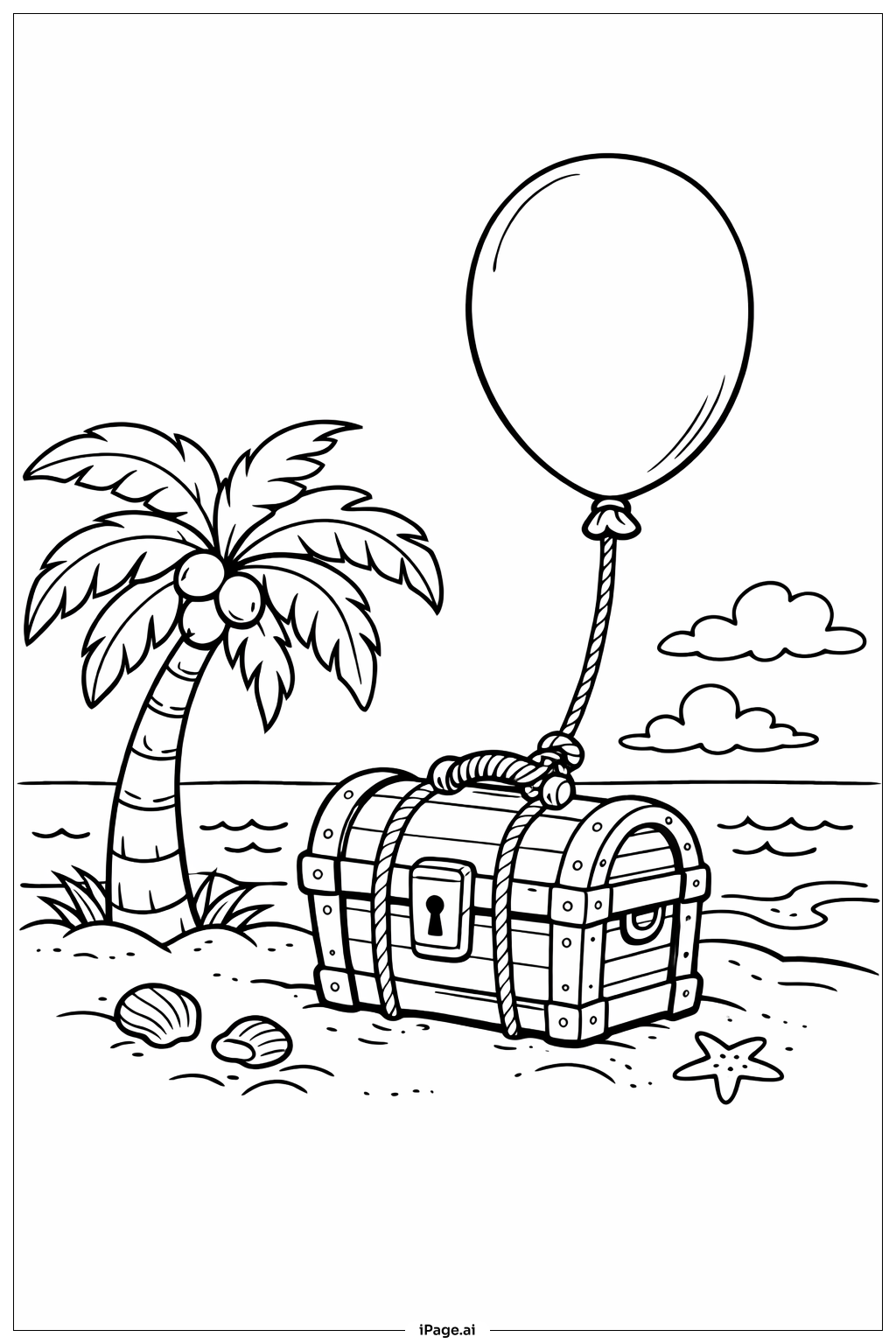
Coloring tips: How to color Balloon Treasure Map coloring page well?
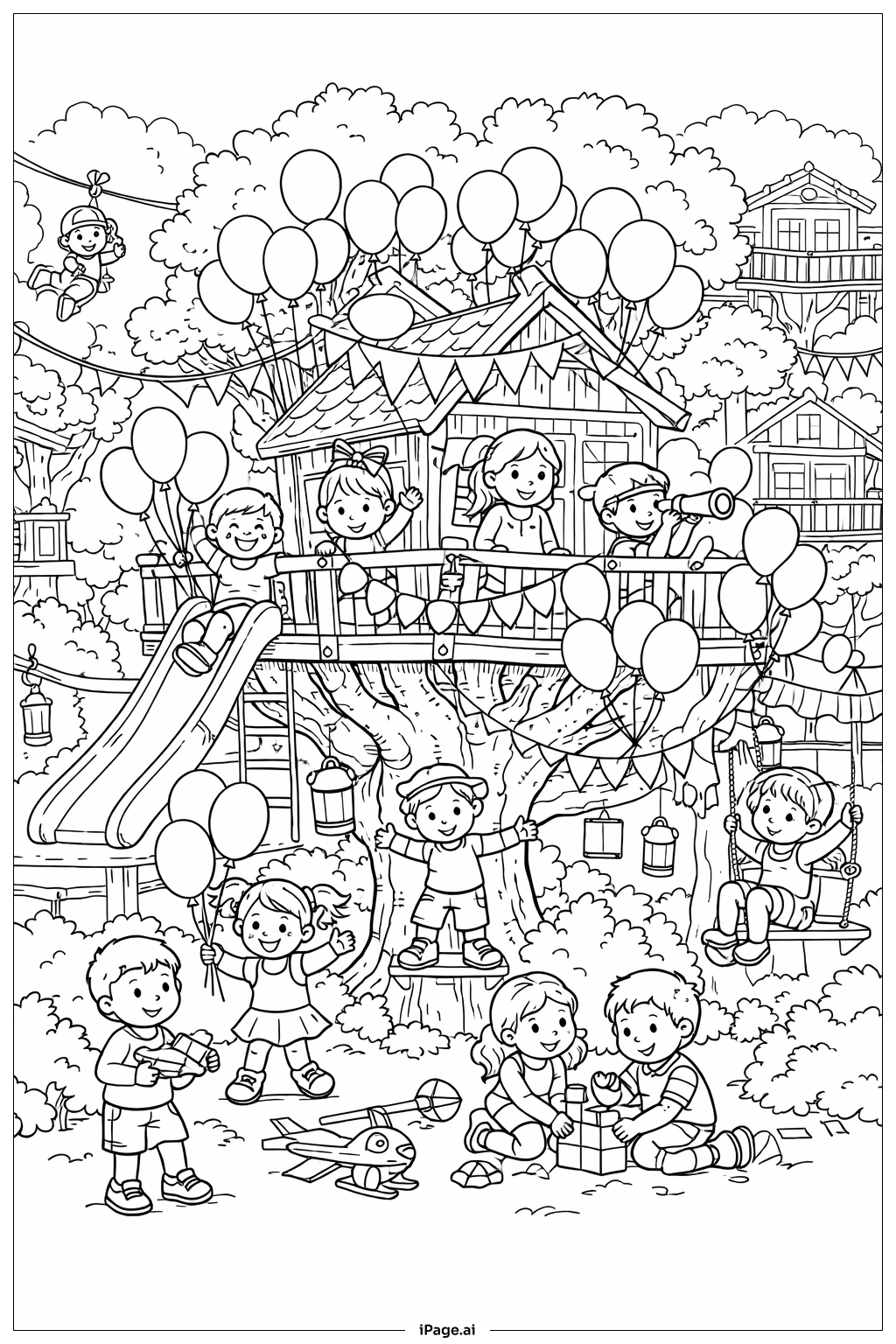
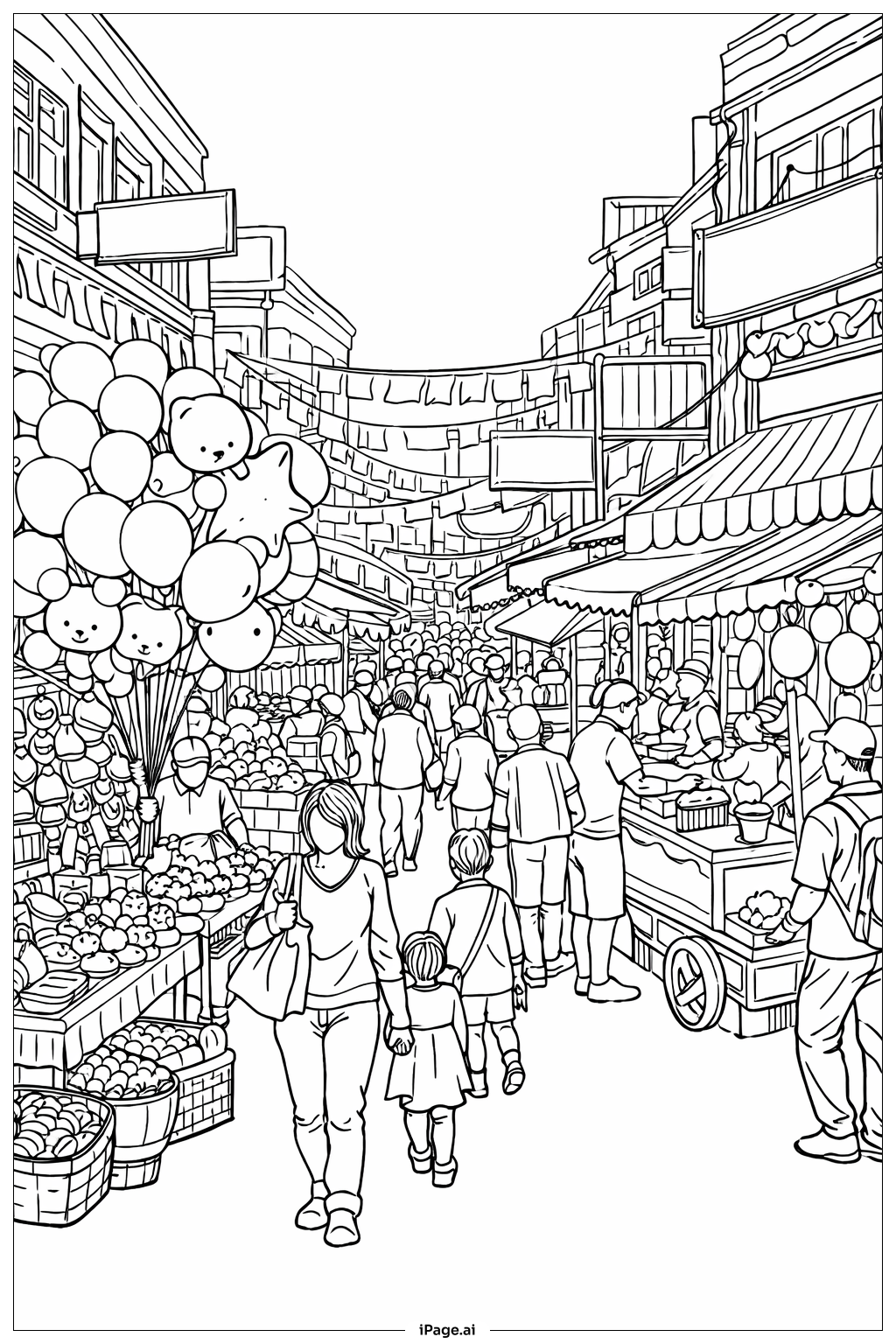
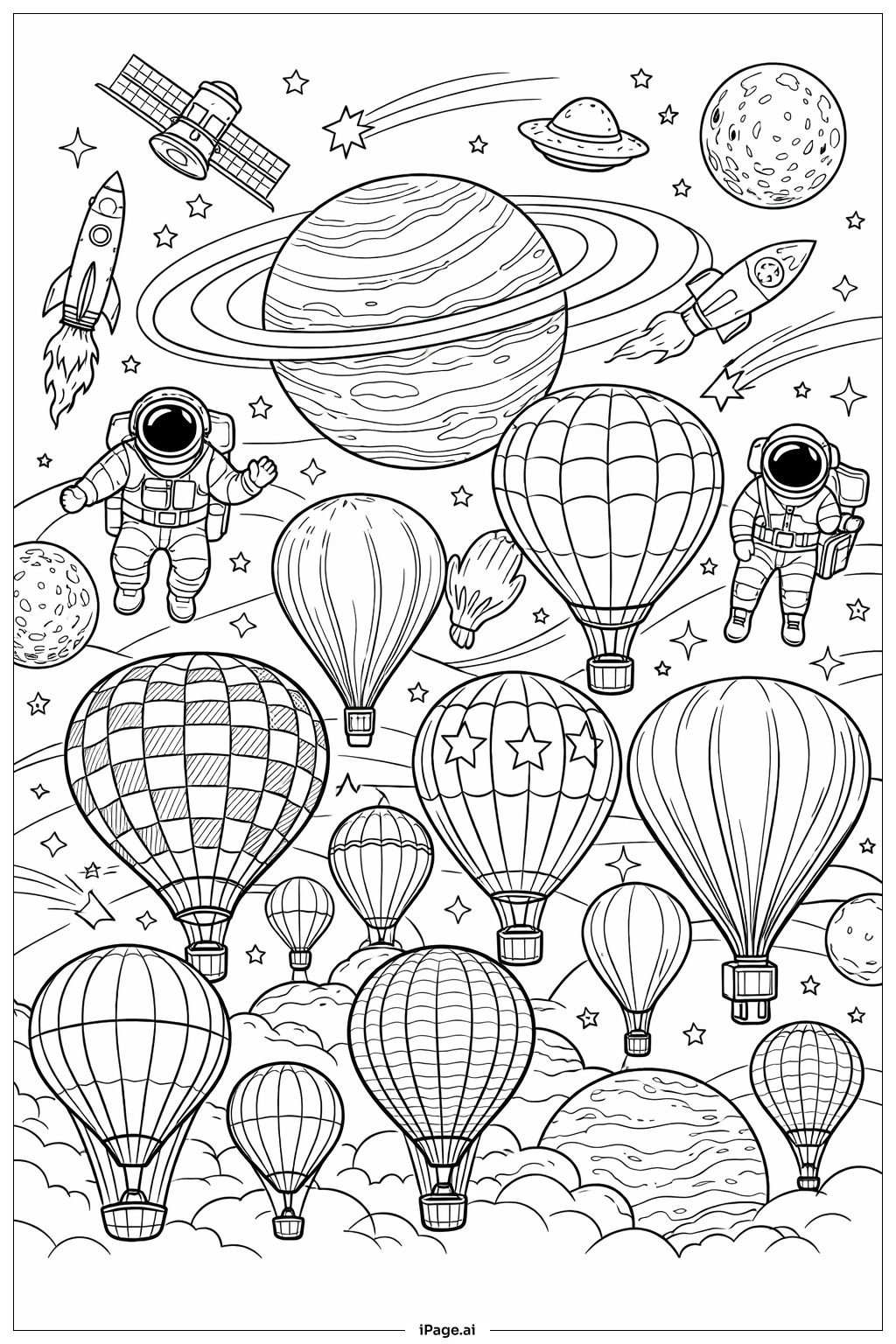
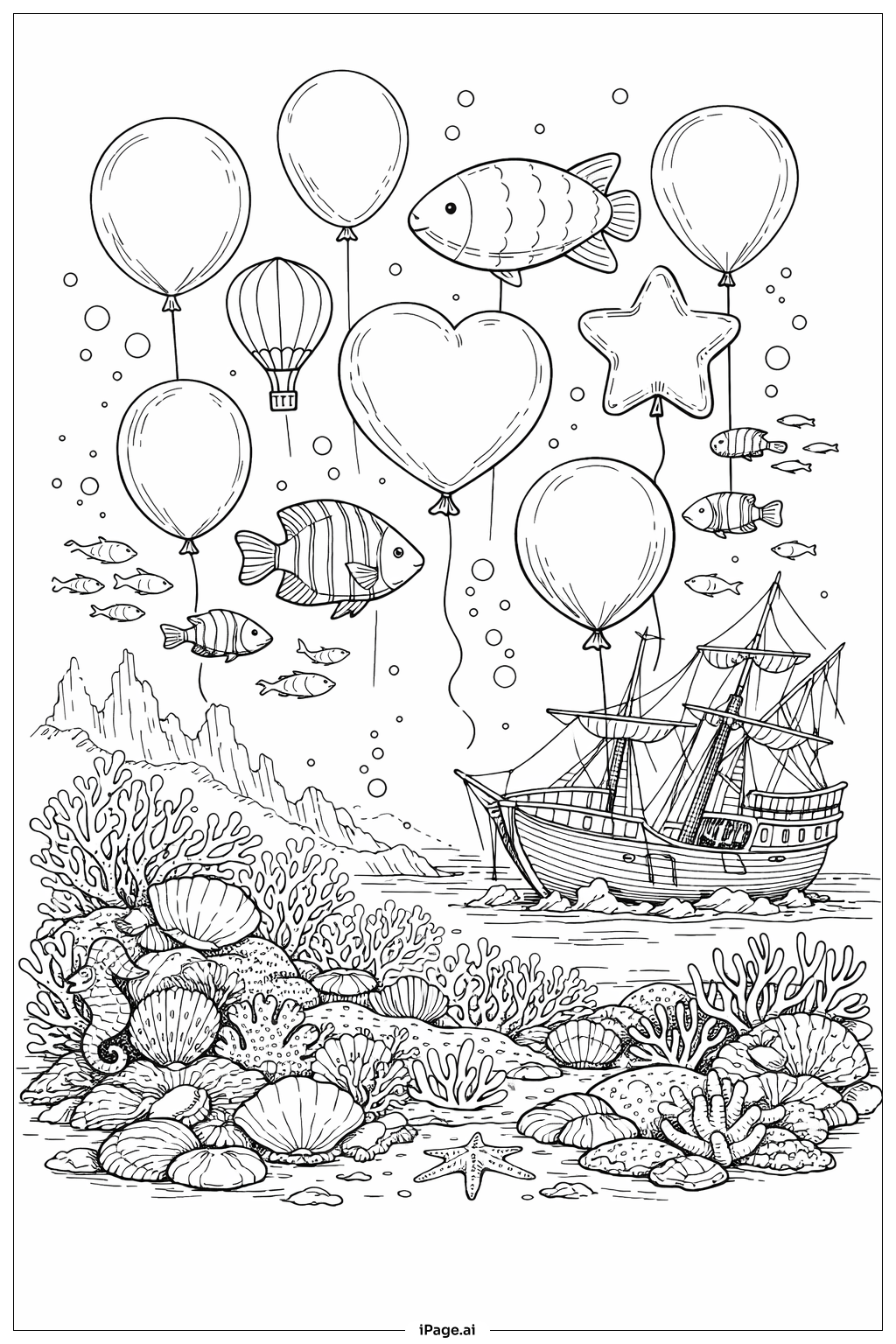
Start with the balloons using a rainbow of bright, cheerful colors like red, blue, yellow, orange, pink, and purple to create a festive floating effect. Color the ribbons in complementary shades or metallic gold and silver for a special touch. For the treasure map, use warm tan, beige, or light brown tones to give it an aged, weathered parchment look. Add darker browns around the edges for an authentic worn appearance. The ocean areas can be colored in various shades of blue, from light aqua near shores to deep navy in deeper waters. Use green for palm trees and islands, and gray or brown for mountains. The treasure spot marked with an X deserves special attention with bright gold, yellow, or red to make it stand out. Consider using colored pencils for the map details to achieve subtle shading and texture.
Coloring challenges: Which parts are difficult to color and need attention for Balloon Treasure Map coloring page?
• Balloon Shading and Dimension: Creating realistic three-dimensional balloons requires careful shading techniques. Children should apply lighter colors at the top where light hits and gradually darken toward the bottom. The round shape needs smooth color transitions to avoid a flat appearance. Blending colors at the edges helps achieve that glossy balloon effect, which can be challenging for younger colorists who are still developing pressure control with their coloring tools.
• Map Details and Small Elements: The treasure map contains numerous tiny features including the dotted pathway, compass rose, small islands, trees, and mountains. These intricate details require precision and a steady hand, especially when using markers or crayons with broader tips. Staying within the small boundaries without smudging or crossing lines tests fine motor skills. The decorative cartographic symbols need different colors to distinguish one element from another, requiring planning and color organization.
• Ribbon Flow and Perspective: The curving ribbons attached to the balloons create movement and require understanding of how fabric folds and twists. Coloring these flowing ribbons to show their dimensional quality involves alternating light and dark shades along the curves. Children must recognize which parts of the ribbon are facing forward and which are turning away, then adjust their coloring accordingly to create depth.
• Color Harmony and Balance: With so many elements—multiple balloons, detailed map features, and decorative accents—maintaining visual balance is challenging. Choosing colors that work well together without creating chaos requires color theory knowledge. Young artists must decide whether to use contrasting colors for excitement or harmonious colors for unity, while ensuring the treasure map remains the focal point and does not get lost among the bright balloons.
Benefits of coloring books: Advantages of drawing Balloon Treasure Map coloring page
Coloring this Balloon Treasure Map page offers wonderful developmental benefits for children. It strengthens fine motor skills and hand-eye coordination through detailed work on small map elements and careful balloon coloring. The image encourages creative thinking as children imagine the adventure story behind the floating treasure map and decide on their color palette. Working with the various shapes and sizes builds spatial awareness and understanding of perspective. The activity promotes patience and focus as young artists work through the intricate details of both the cartographic elements and the balloon cluster. It also introduces basic geography concepts through the map's features like islands, mountains, and compass directions. The combination of whimsical balloons and mysterious treasure sparks imagination and storytelling, allowing children to create narratives about who sent the map floating and what treasures await discovery. This coloring page provides a perfect balance of fun and learning.