Coloring tips: How to color Sleeping Animal coloring page well?
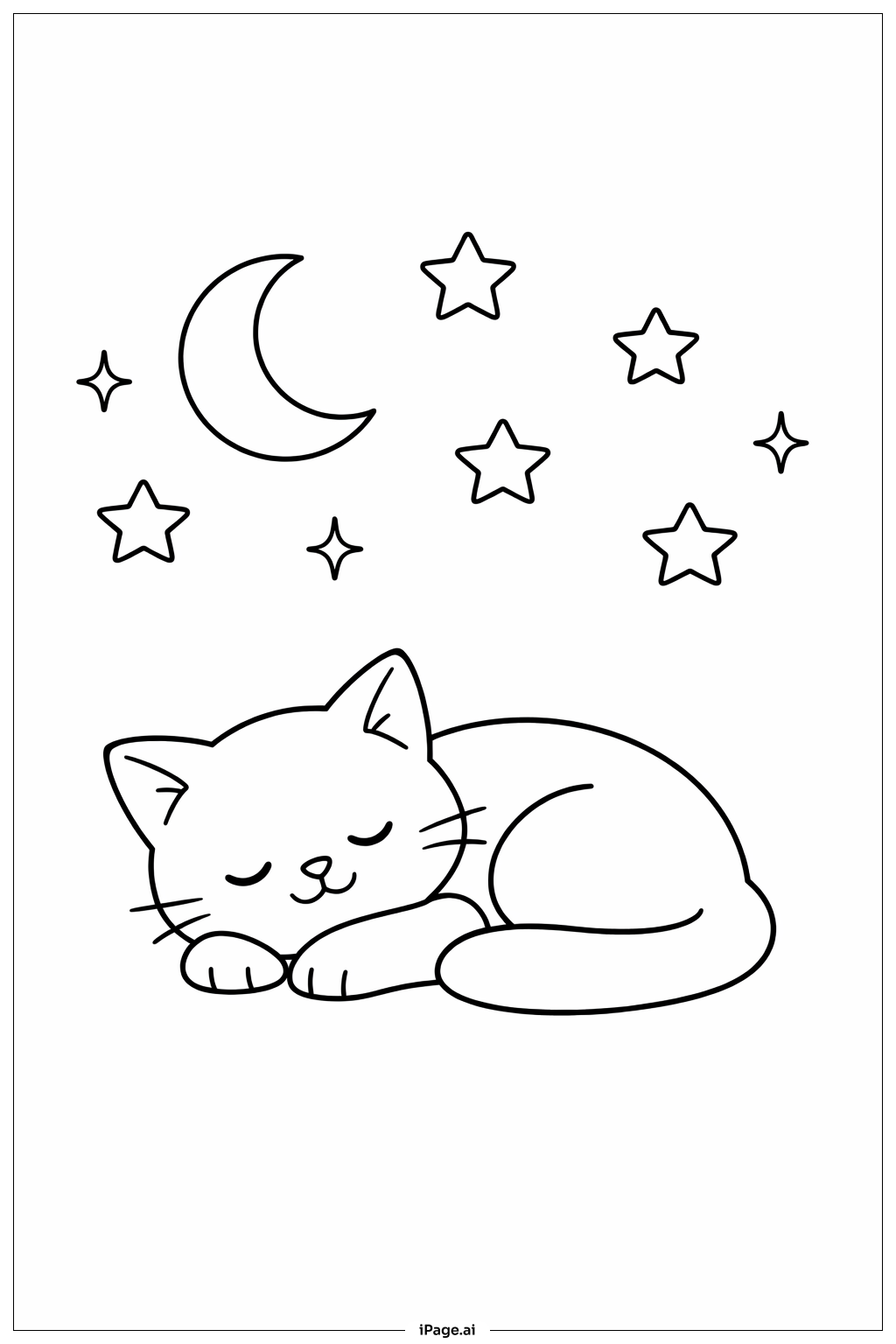
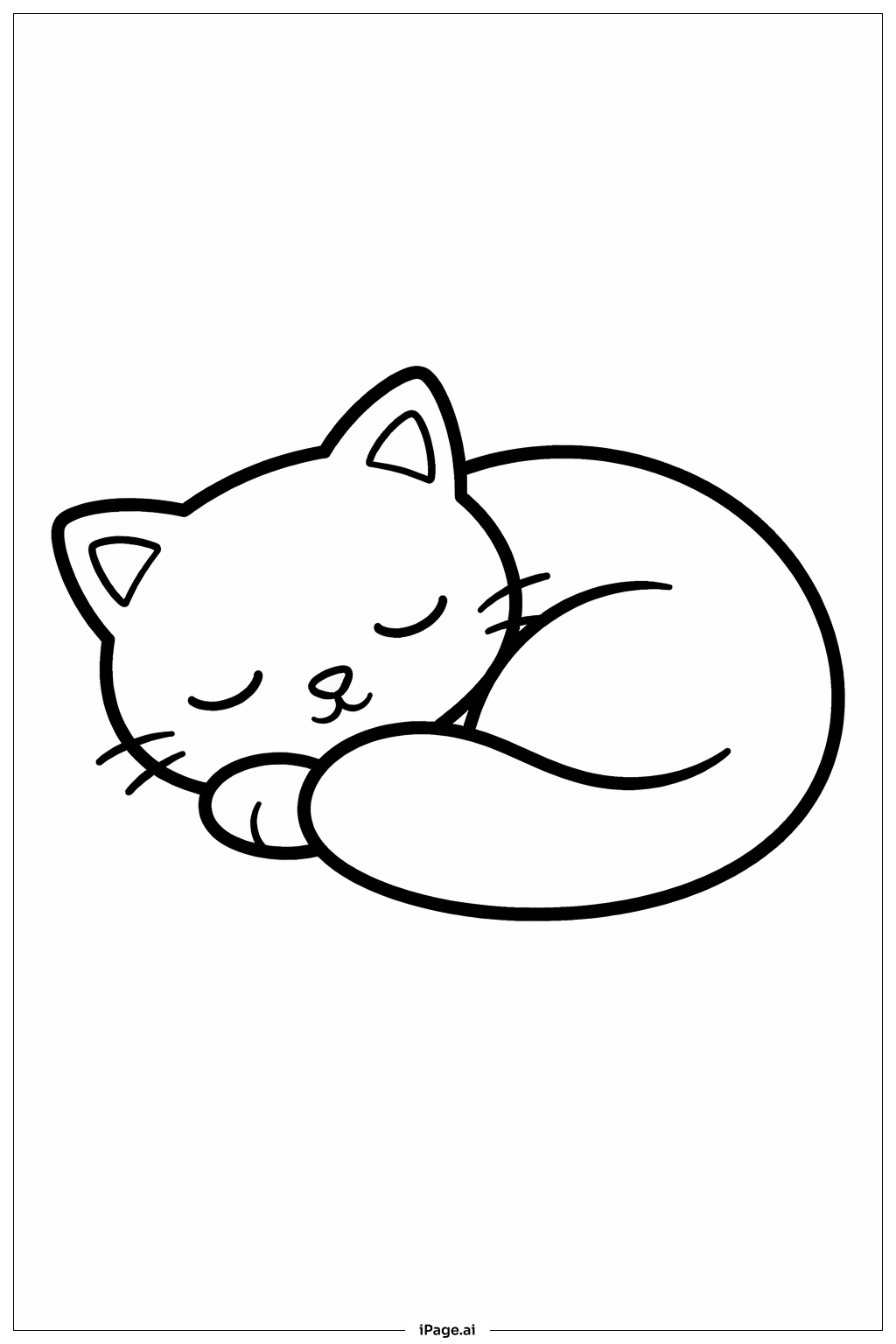
For coloring this sleeping cat, you can use soft and warm colors. Light browns, oranges, or grays work well for the fur. You can shade the ears and nose with a light pink or peach color to make them stand out. Use a gentle hand when coloring the tail and paws, keeping the colors smooth and even. To add more fun, you can color the background with soft blues or greens to show a peaceful place where the cat is resting. Try blending colors slightly to create a soft look, just like a sleeping kitty's fur.
Coloring challenges: Which parts are difficult to color and need attention for Sleeping Animal coloring page?
1. The cat's curled shape means you need to color inside tight curves, which can be a bit tricky for younger kids.
2. The simple lines leave a lot of space, so choosing the right color shades to show the softness and different parts of the cat can be challenging.
3. The small areas like the ears, nose, and whiskers require careful coloring to avoid going outside the lines.
4. Since the cat is sleeping, colors need to be calm and gentle, not too bright or bold, to keep the peaceful feeling.
5. Coloring the tail wrapped around the body needs attention to show it clearly without mixing up with the body color.
Benefits of coloring books: Advantages of drawing Sleeping Animal coloring page
Coloring this sleepy cat helps improve children’s focus and patience as they carefully fill in the spaces and follow the lines. It also encourages creativity by letting them choose colors that express calmness and warmth. Through coloring, kids develop fine motor skills by practicing precise hand movements, especially in the small sections like ears and whiskers. This activity relaxes the mind, like the peaceful cat, promoting calm and mindfulness. It’s a fun way to connect with animals and nature, inspiring empathy and care for living creatures.