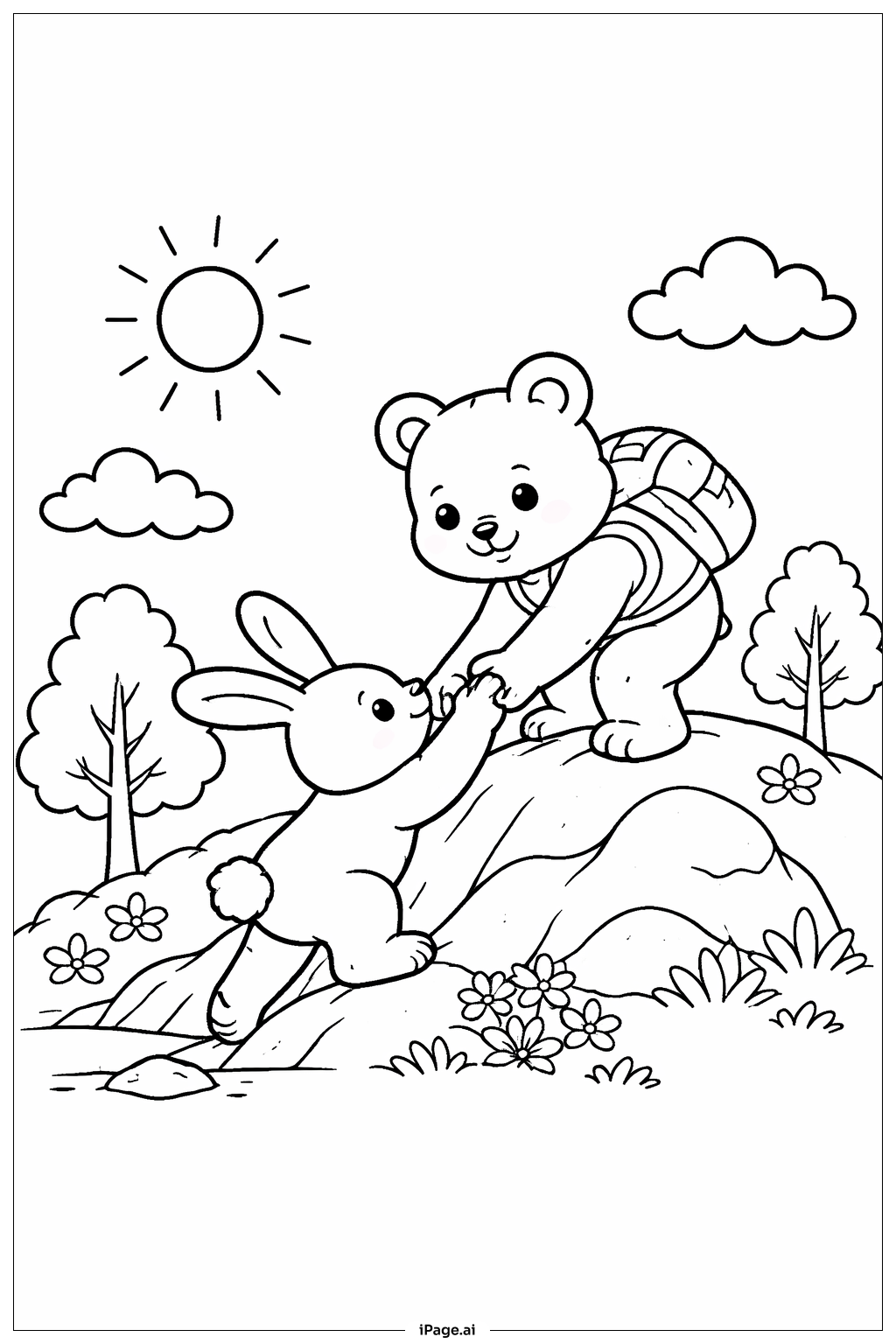
Coloring tips: How to color Animal Helping Friend coloring page well?
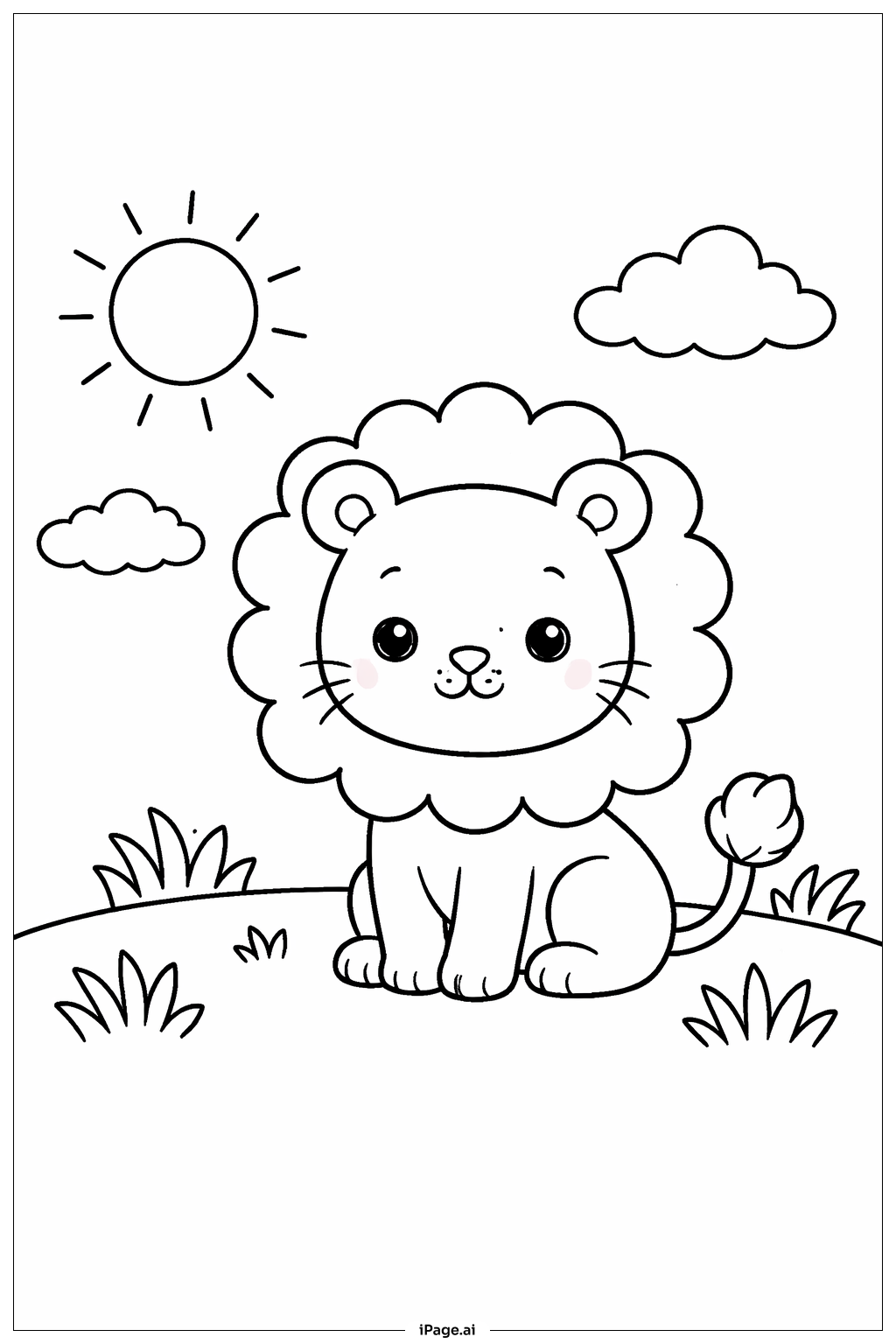
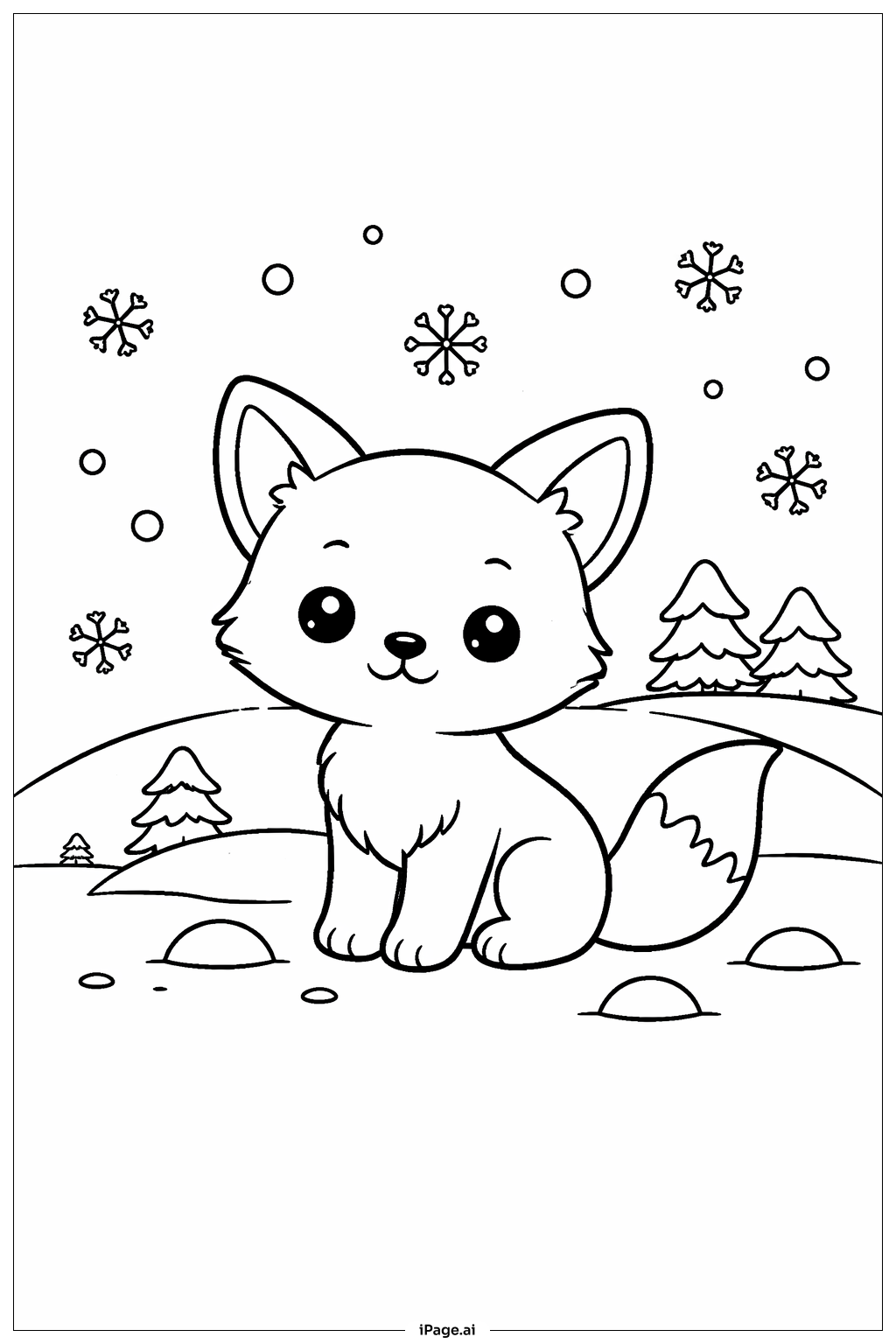
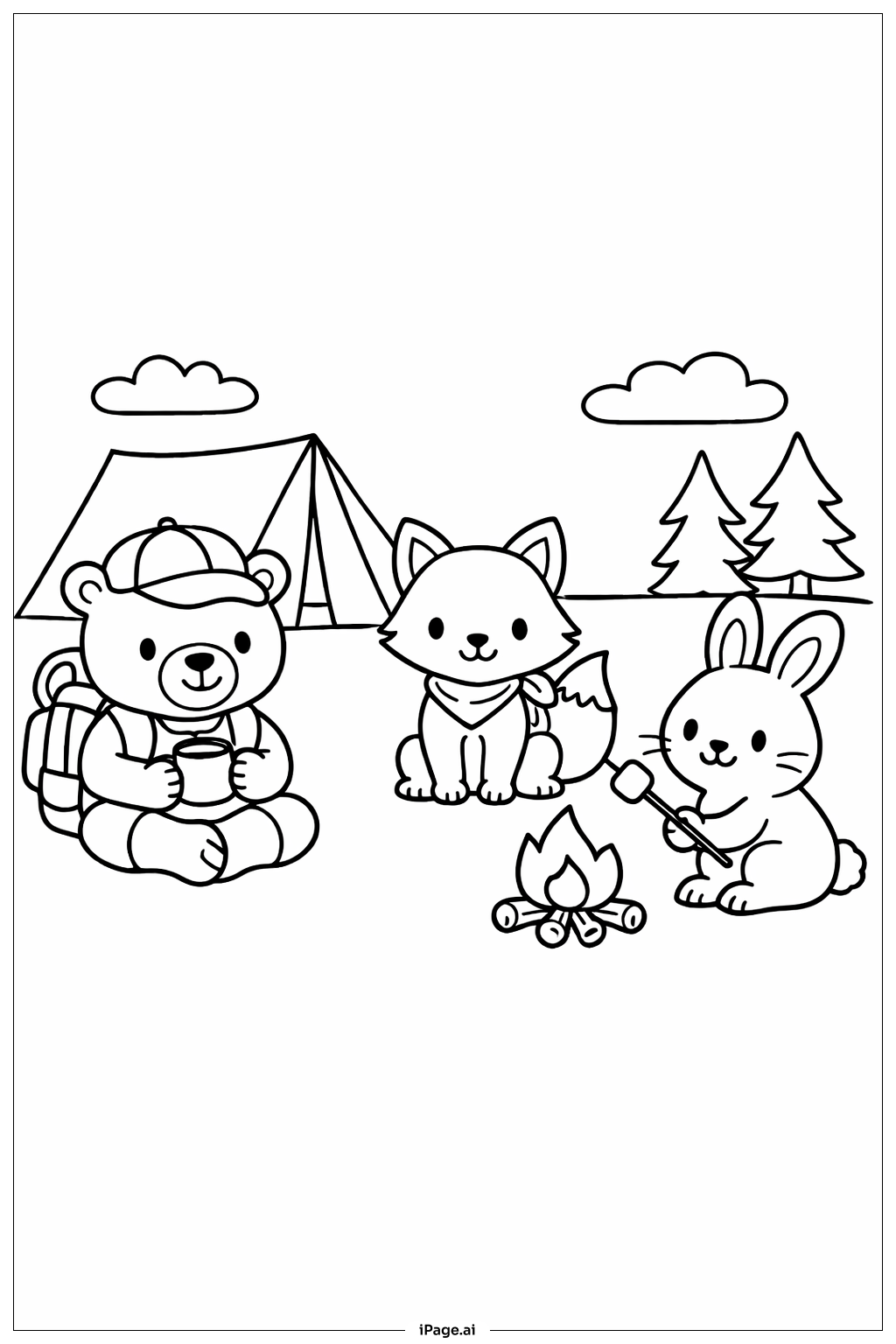
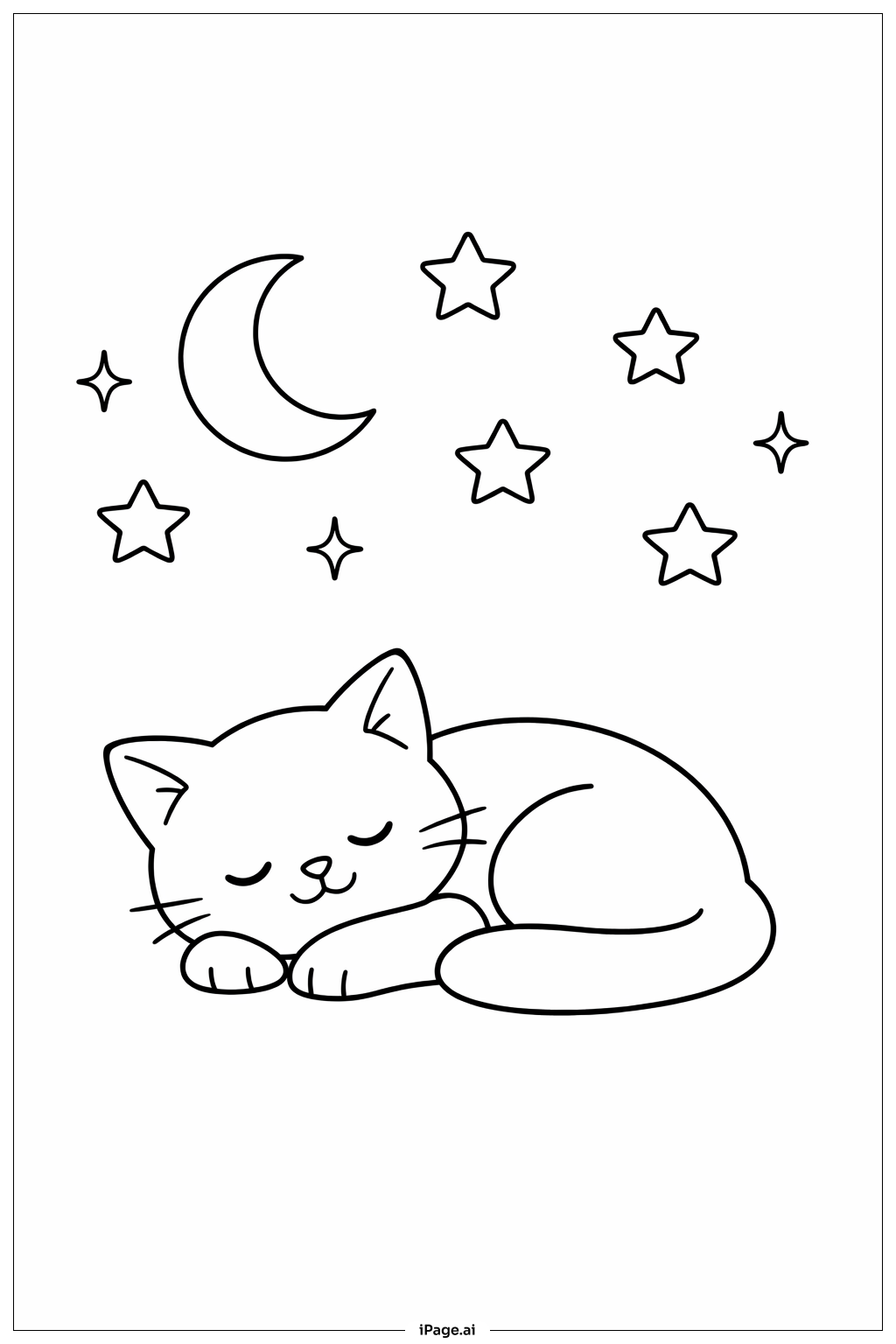
Start with the animals' bodies using warm, natural tones. Brown, tan, orange, or gray work great depending on what type of animals you imagine them to be. Use a slightly darker shade to add depth along the edges and belly areas. For the eyes, try black pupils with a tiny white dot to make them look bright and alive. Color the background elements like grass in bright green and flowers in cheerful yellows, pinks, and purples. Keep the sky light blue if there is open space at the top. Use warm colors like yellow or orange to highlight the helping gesture, drawing the viewer's eye to the center of the scene. Don't be afraid to use your favorite colors — making one animal purple and the other teal is totally fine and fun! Soft colored pencils or watercolor paints work beautifully for a gentle, storybook feel.
Coloring challenges: Which parts are difficult to color and need attention for Animal Helping Friend coloring page?
• Animal Fur Texture: Giving the animals a realistic or fluffy look can be tricky. Try using short, light strokes in the direction the fur would naturally grow. Layering two similar shades — one lighter and one slightly darker — helps create a soft, textured effect without going over the bold outlines.
• Expressive Eyes and Faces: The faces carry a lot of emotion in this scene. Coloring the eyes carefully is important. Use a deep color for the iris, a solid black pupil, and leave a small white spot to show a natural gleam. The cheeks can be lightly shaded with a soft pink blush to bring out warmth and friendliness.
• The Helping Gesture: The area where one animal reaches out to help the other involves overlapping shapes and touching limbs. This requires patience and careful color transitions so both animals remain clearly separate. Use contrasting colors or slightly different shades for each character to keep them visually distinct.
• Background Nature Details: Small flowers, blades of grass, and leaves in the background are detailed and close together. Using a fine-tipped tool or a sharp colored pencil helps stay within these tiny spaces. Varying the greens — light lime green, mid green, and deep green — adds depth and keeps the background from looking flat.
• Color Balance Across the Scene: Making sure no single area is too bright or too dull requires planning. Step back occasionally and look at the whole image to check that the colors feel balanced and harmonious throughout the composition.
Benefits of coloring books: Advantages of drawing Animal Helping Friend coloring page
Coloring this Animal Helping Friend page offers wonderful benefits for children and creative minds of all ages. The theme of helping and kindness naturally sparks conversations about empathy, friendship, and caring for others, making it a meaningful activity beyond just art.
For younger children, filling in the large, open areas of the animals' bodies builds fine motor skills and hand-eye coordination. Staying within the bold outlines encourages focus and patience, skills that transfer directly to school and everyday tasks.
The cheerful nature setting — with flowers, grass, and open skies — invites creative decision-making. Choosing colors for each element helps develop color recognition, artistic confidence, and personal expression. There is no single right answer, so every child feels free to make the page their own.
For older children and teens, the more detailed areas like fur texture, overlapping limbs, and small background plants offer a satisfying challenge that builds concentration and artistic technique.
The positive emotional theme also makes this page a calming, feel-good activity. Coloring scenes of kindness and friendship can lift mood, reduce stress, and encourage a positive mindset. It is a gentle reminder that helping others is something worth celebrating — and a wonderful message to carry from the coloring page into everyday life.