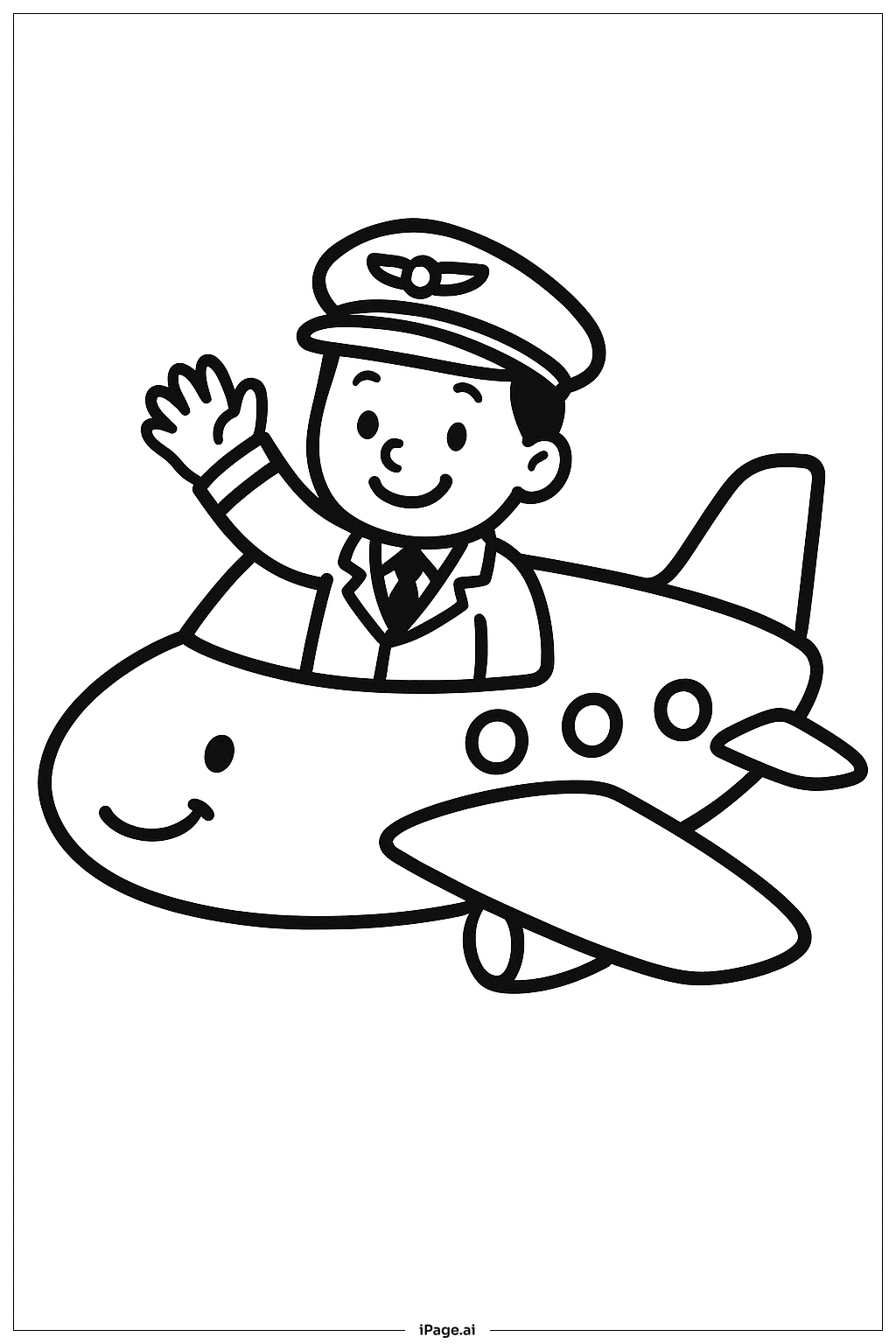
Coloring tips: How to color Airplane Smiling Pilot coloring page well?
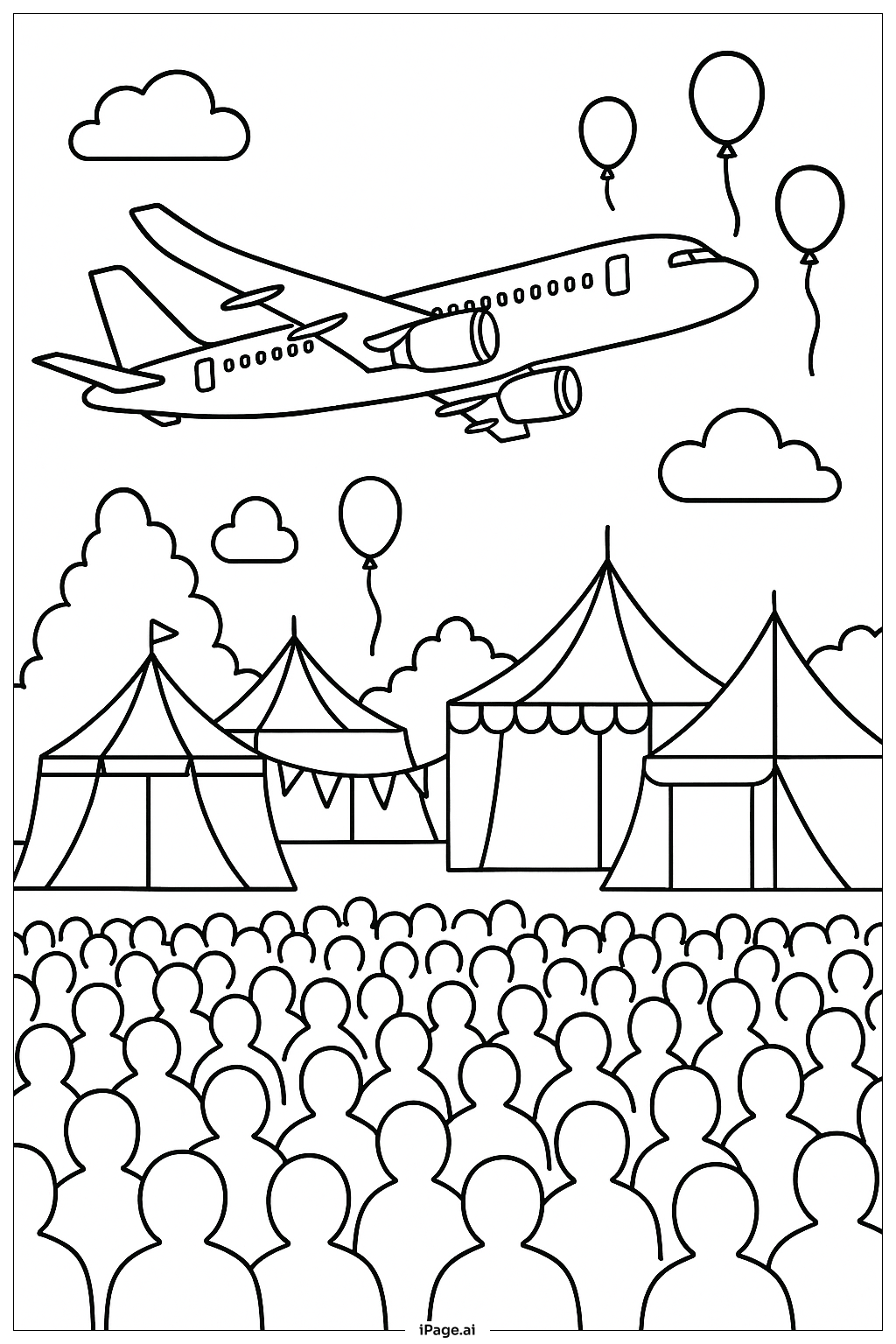
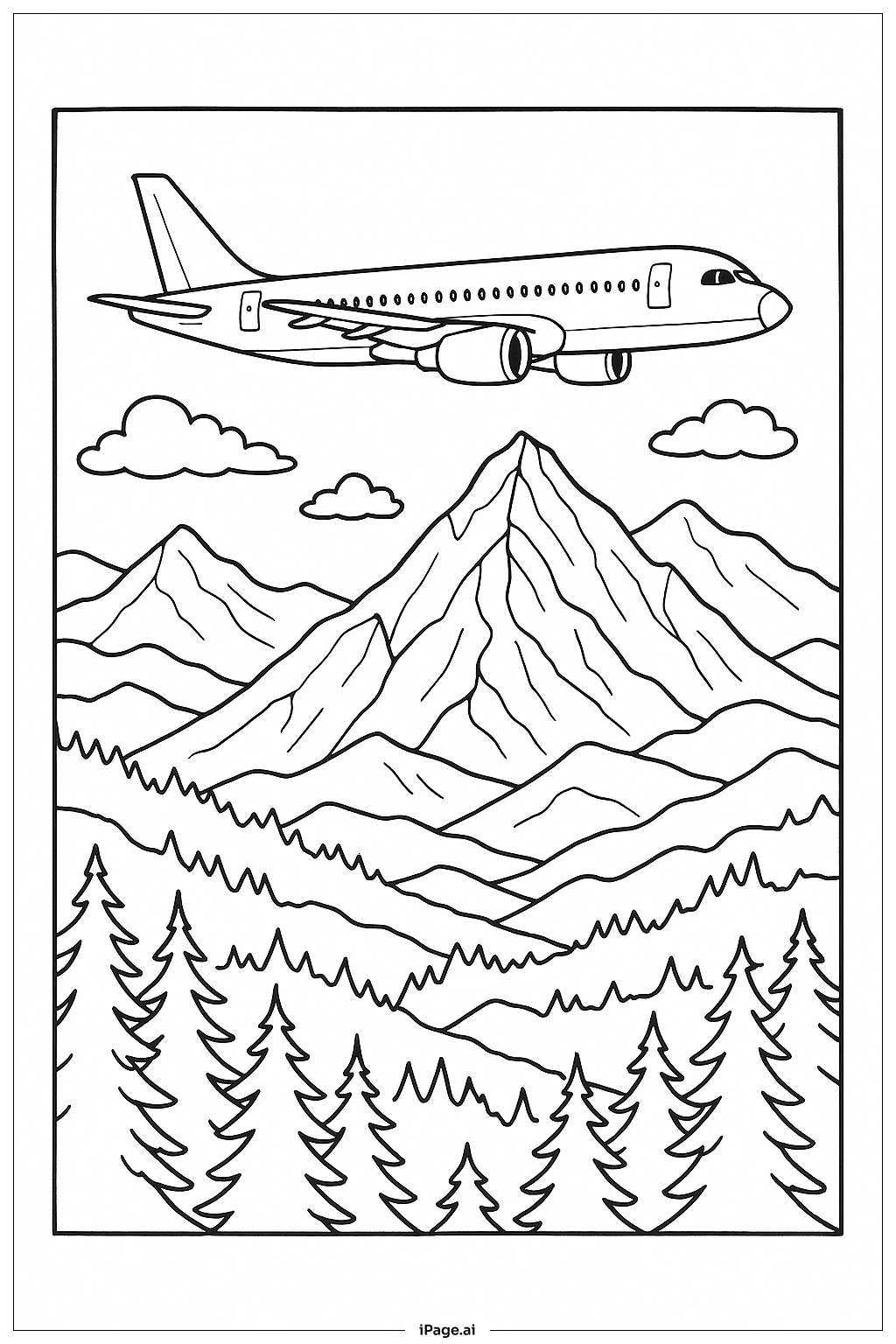
Start with the pilot's skin tone using a warm peach or light brown shade. Color the uniform a classic navy blue or dark gray to give it an official look. Add gold or yellow accents to the cap badge and jacket buttons for a polished finish. Use bright red or white for the airplane body to make it pop. Color the wings silver or light gray. For the cockpit instruments, try dark greens, reds, and blacks to suggest glowing panels. Fill the background sky with a cheerful light blue. Add fluffy white or pale yellow clouds for softness. Use a bright yellow or orange for the sun if visible. Keep the pilot's smile area light and warm. Feel free to add your own colors to make this airplane truly one of a kind. There are no strict rules — just have fun and let your imagination fly!
Coloring challenges: Which parts are difficult to color and need attention for Airplane Smiling Pilot coloring page?
• Pilot's Facial Details: The pilot's smiling face includes small features like eyes, a nose, and a curved mouth. These tiny areas require a fine-tipped crayon or colored pencil to stay within the lines. Rushing through this section can cause colors to bleed into each other, so take your time and use light, careful strokes.
• Uniform Layers and Folds: The pilot's jacket and cap have overlapping folds and layered details such as lapels, buttons, and badge outlines. Keeping each section a distinct shade without muddying the colors together can be tricky. Using slightly different tones of the same color family helps show depth without confusion.
• Cockpit Instrument Panel: The cockpit area contains many small dials, switches, and gauges packed closely together. Coloring each one neatly without going outside its boundary demands steady hands and patience. Younger colorists may find this section the most challenging part of the whole page.
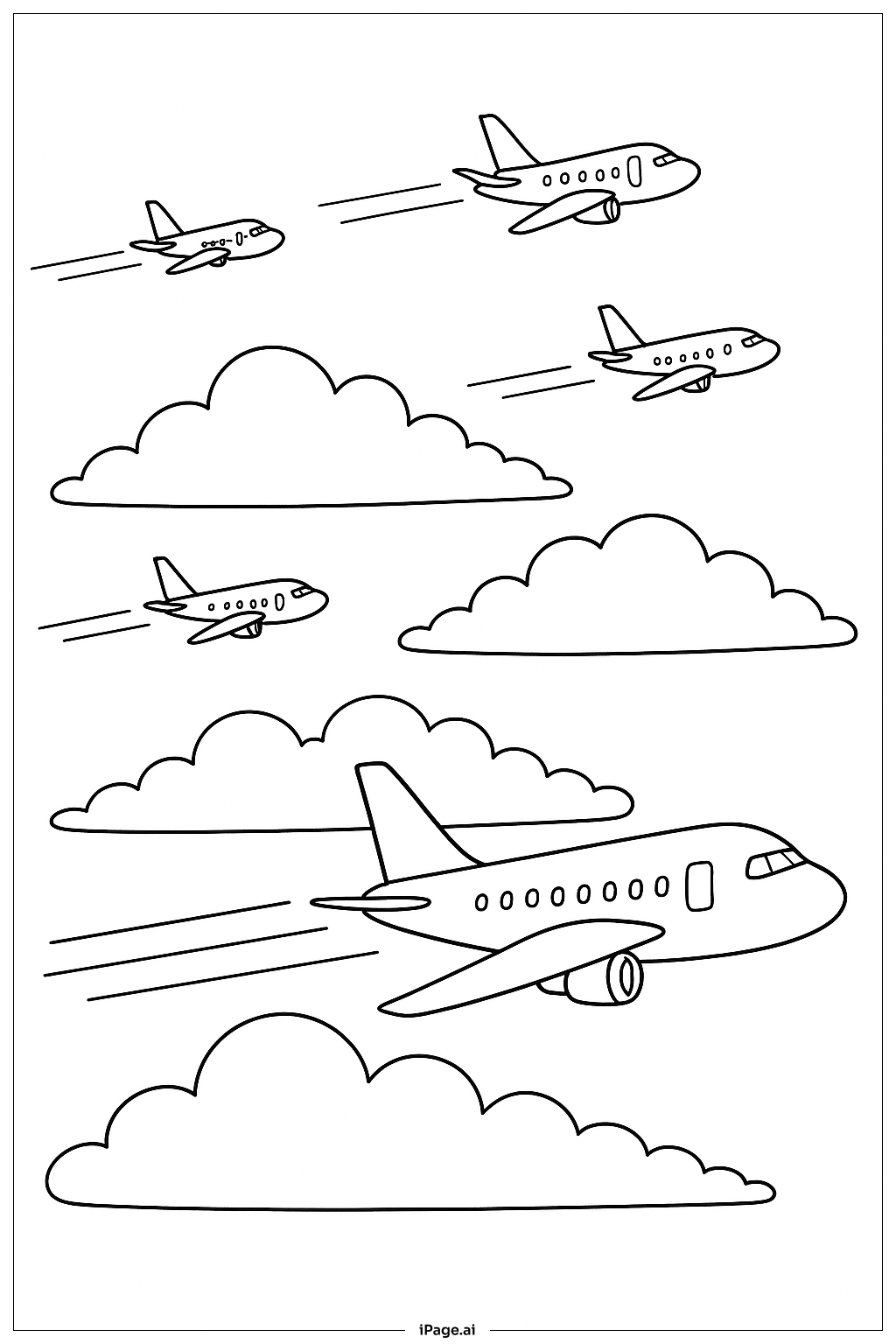
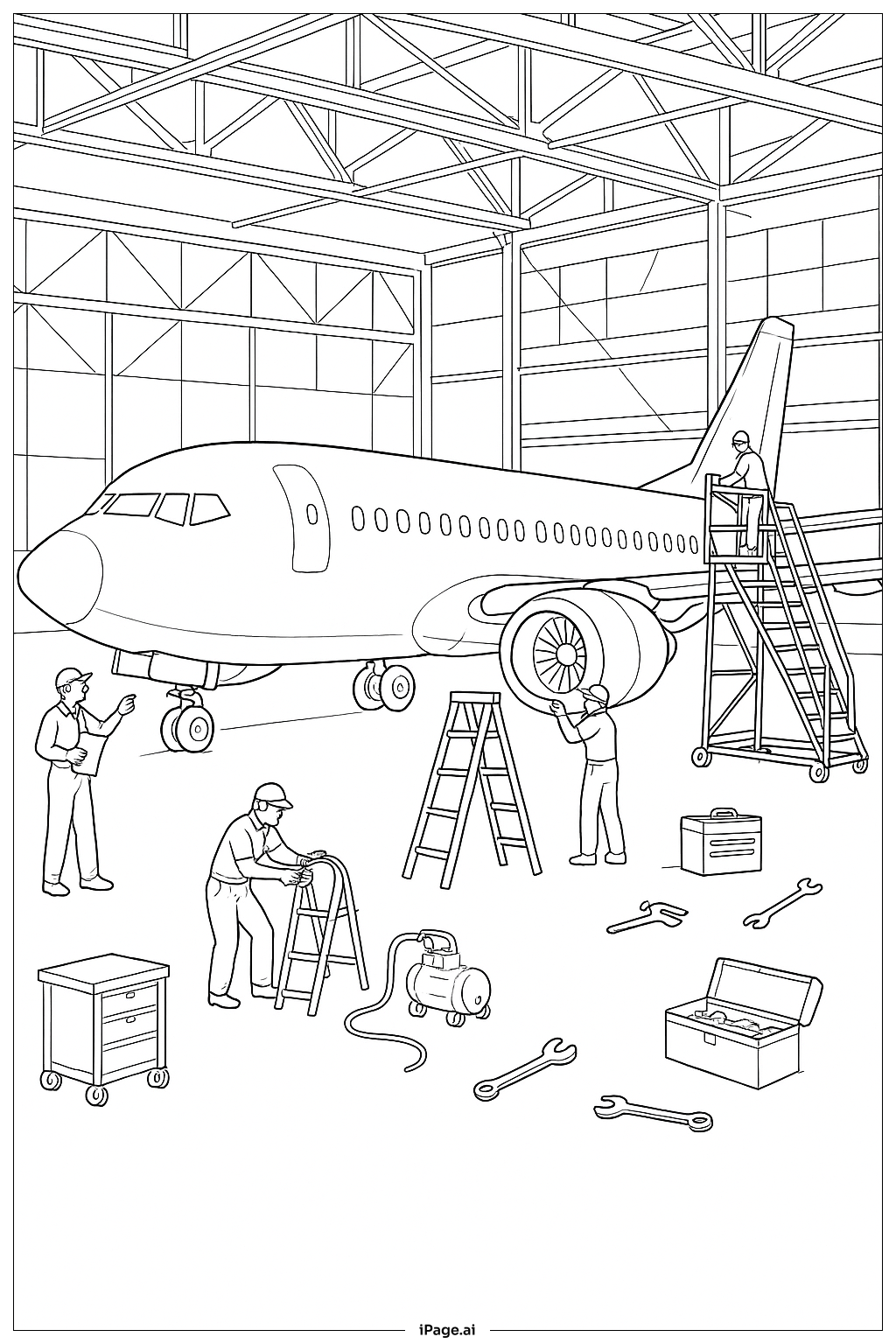
• Airplane Body and Wings: The airplane has large flat surfaces on the body and wings that need smooth, even coverage. Achieving a consistent color without streaks or uneven patches takes practice, especially when using crayons. Blending or layering the same color in circular motions can help create a cleaner result.
• Background Sky and Clouds: Filling in the sky evenly while leaving the clouds looking soft and fluffy requires careful control. The boundary between the blue sky and white clouds is easy to overstep. Using a lighter touch near the cloud edges helps create a natural, airy look without harsh outlines.
Benefits of coloring books: Advantages of drawing Airplane Smiling Pilot coloring page
Coloring this Airplane Smiling Pilot page offers a wonderful mix of fun and learning for kids of all ages. Here are some key benefits:
It builds fine motor skills. Carefully coloring the small details in the cockpit and on the pilot's uniform helps strengthen hand muscles and improve pencil control, which is great for writing development.
It sparks creativity. Choosing colors for the airplane and sky encourages kids to make their own artistic decisions and think imaginatively. There is no wrong answer — every color choice tells a unique story.
It teaches focus and patience. Working through the detailed sections of this page, like the instrument panel and uniform folds, trains children to slow down, concentrate, and complete a task step by step.
It introduces real-world concepts. The image gives kids a fun first look at aviation, pilots, and cockpits, gently building curiosity about how airplanes work and what pilots do.
It promotes emotional well-being. The pilot's big, friendly smile creates a positive and joyful atmosphere. Coloring in a happy scene can boost a child's mood and reduce stress, turning creative time into a calming, rewarding experience.